









.png?width=292&height=292&name=Copy%20Link%20(1).png)

 SIGN UP FOR FREE NEWSLETTER
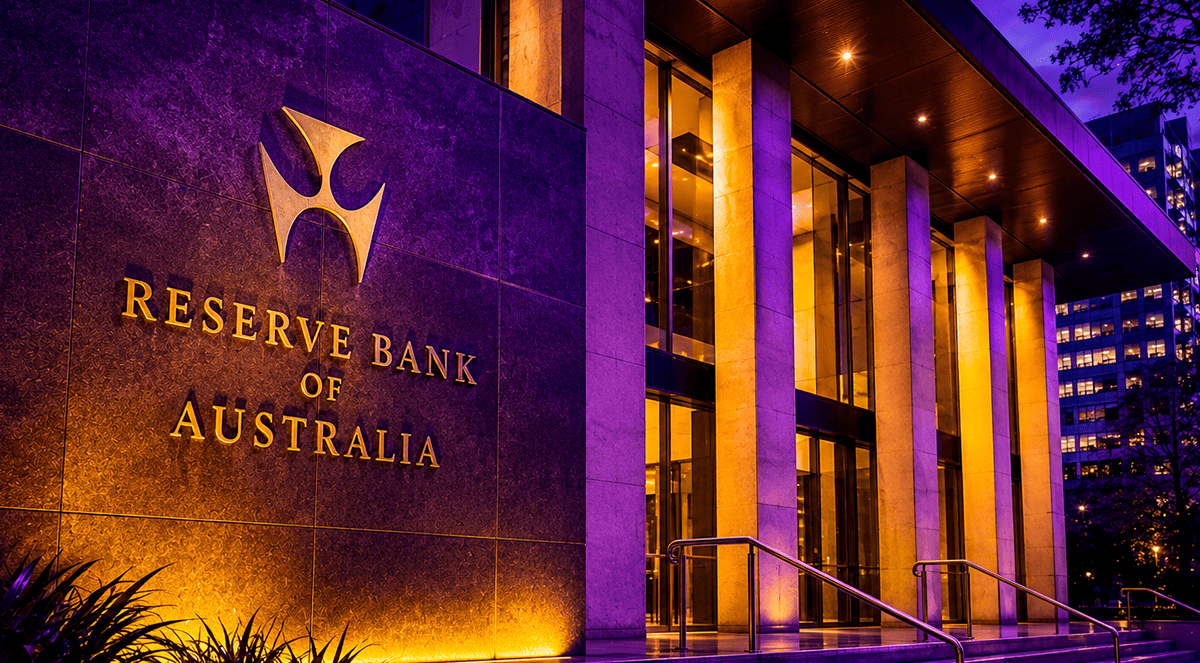
Australian households may be in a much stronger position to withstand high interest rates than headline debt figures suggest, casting doubt on gloomy predictions that financial stress will trigger widespread forced property sales and a much deeper housing downturn.
Research from Deutsche Bank Australia argues household balance sheets have strengthened significantly over the past decade because Australians have accumulated financial assets faster than they have accumulated debt.
If households can continue servicing their mortgages while their broader wealth remains largely intact, the conditions required for a genuine property market crash may be much harder to create than headline debt numbers suggest.
The details
The Reserve Bank of Australia has lifted the cash rate four times this year to 4.6%, its highest level in 15 years, while scheduled mortgage repayments are consuming close to record proportions of household income.
Home prices are also falling, with Cotality estimating national dwelling values were 5.2% below their March peak at the end of September.
UBS has forecast a housing peak-to-trough decline could eventually reach around 10%, while AMP has suggested a 10-15% fall.
But the assumption that higher rates must eventually produce a wave of distressed property sellers is harder to square with the balance sheets of Australian households.
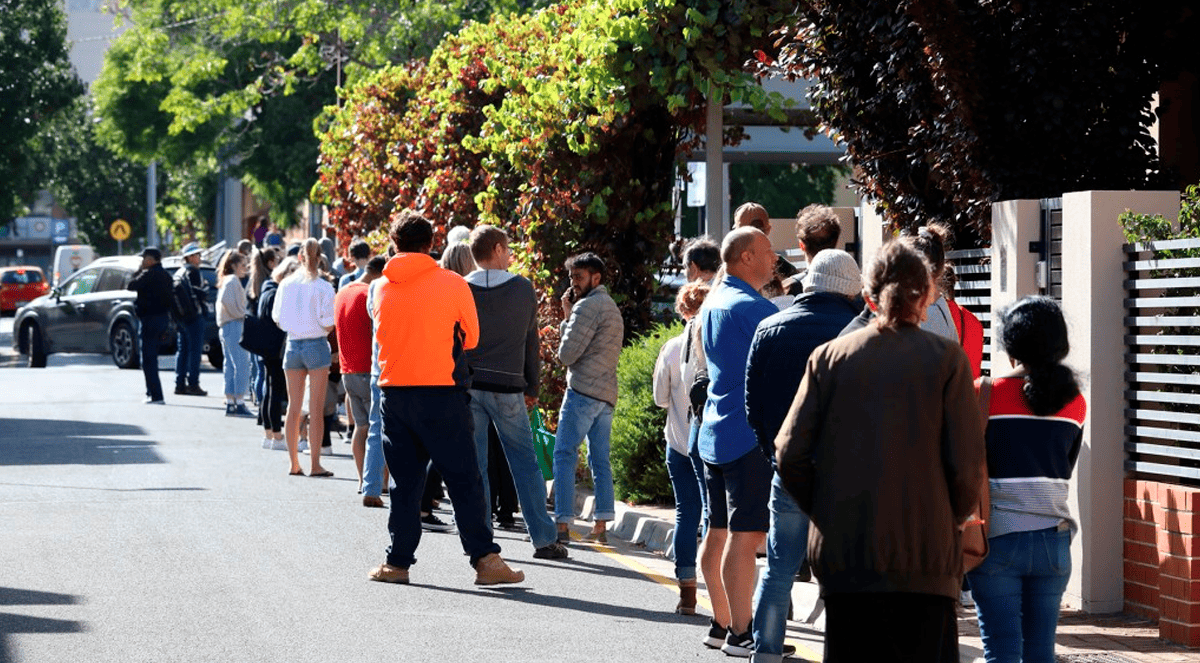
Household debt remains extremely high at around 178% of disposable income, and there’s no question people with large mortgages are feeling the pressure from higher rates.
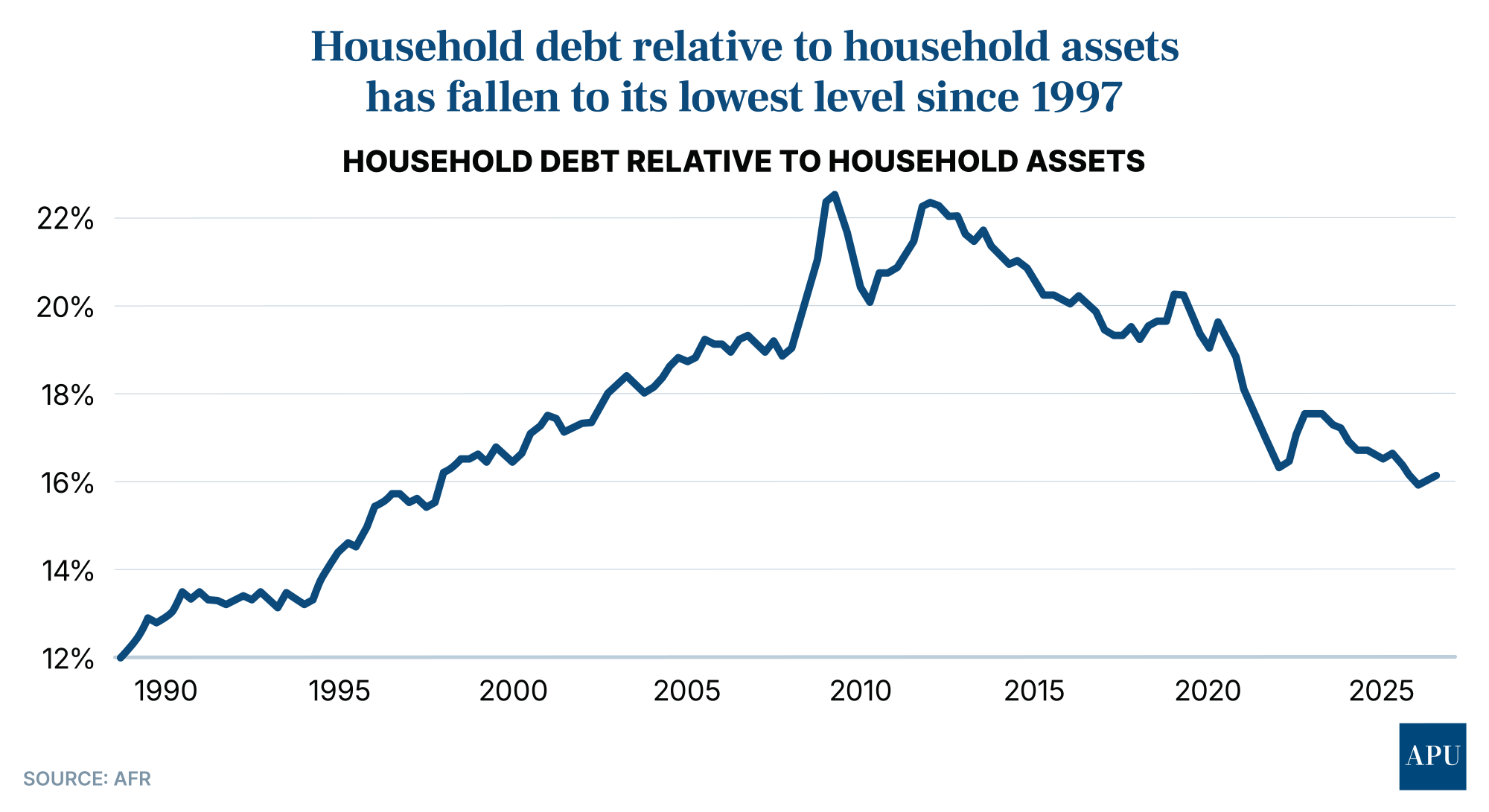
But when measured against everything households own - including property, superannuation, bank deposits and shares - debt has fallen to just 16% of total household assets, its lowest level since 1997.
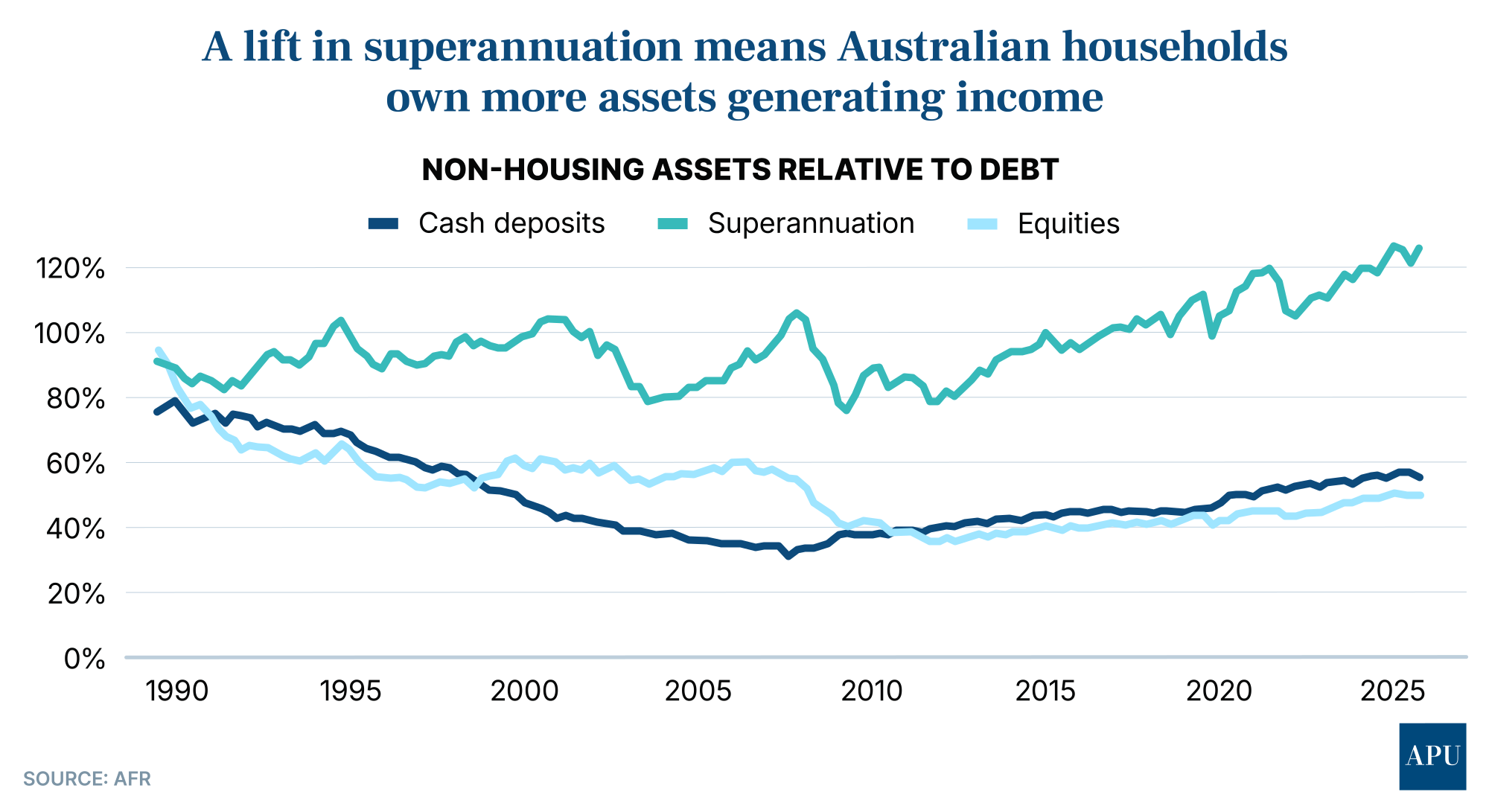
Deutsche Bank points out that Australia’s superannuation pool has grown to around $4.8 trillion, equivalent to 126% of total household debt.
Bank deposits are equivalent to another 56% of household debt, while household shareholdings are equivalent to around 50%.
In other words, household assets have been growing faster than household debt.
That helps explain why consumer spending has proved unexpectedly resilient even as interest rates have climbed.
This matters for the property market because higher interest rates normally put downward pressure on prices in two ways.
They squeeze mortgage holders’ cash flow, potentially forcing financially stressed owners to sell.
Falling home prices can also make wealthier households feel poorer and cut spending; what’s known as the “wealth effect”.
Deutsche Bank argues both effects may be weaker this time around.
“This may have important implications for both the cash flow and wealth effect channels of monetary policy that operate through the household sector,” Deutsche Bank macro strategist Lachlan Dynan says.
Higher rates and household cash flow
Higher interest rates obviously hurt households with mortgages because repayments rise.
But they also benefit households with large savings balances and other interest-bearing investments because those assets generate more income.
Deutsche Bank says that has become more important because Australian households now hold more financial assets than they did during earlier rate-hiking cycles.
As a result, the overall hit to household cash flow from higher rates is smaller than it used to be.
Mr Dynan estimates the net effect of higher interest costs, after allowing for investment income, is currently a drag equivalent to about 1% of household disposable income.
When the RBA’s cash rate was at a similar level in 2011, that drag was closer to 3%.
In simple terms, mortgage holders are paying more, but savers and investors are also earning more.
That doesn’t mean every household is better off.
A younger family with a large mortgage and little in savings is still being hit hard.
But across the household sector as a whole, higher interest income is cushioning some of the pain from bigger mortgage repayments.
That helps explain why consumer spending has held up better than many economists expected.
It may also mean the RBA has to keep rates higher for longer in order to slow demand.
Where are the forced sellers?
For the property market, perhaps the most important evidence comes from the RBA itself.
Its latest Financial Stability Review says the share of variable-rate owner-occupier borrowers whose income is insufficient to meet both mortgage repayments and essential living costs is only around 2%.
Even among those households, most have enough savings to cover any shortfall for at least six months.
Mortgage arrears have edged higher but remain around pre-pandemic levels, while the share of loans in formal hardship arrangements remains low.
Most mortgage holders also have substantial savings sitting in offset and redraw accounts.
The RBA estimates the median borrower has enough savings to cover more than a year of scheduled mortgage repayments at current rates.
And despite the recent fall in property values, less than 1% of borrowers are estimated to be in negative equity, where the value of their property is less than the size of their mortgage.
The RBA modelled what would happen if national housing prices fell another 20% from current levels.
Even under that much more severe decline, it estimates only about 5% of mortgages would fall into negative equity.
And negative equity by itself does not necessarily cause a default.
What matters is whether borrowers can continue meeting their repayments.

The “wealth effect”
Then there’s the other way falling house prices normally slow the economy.
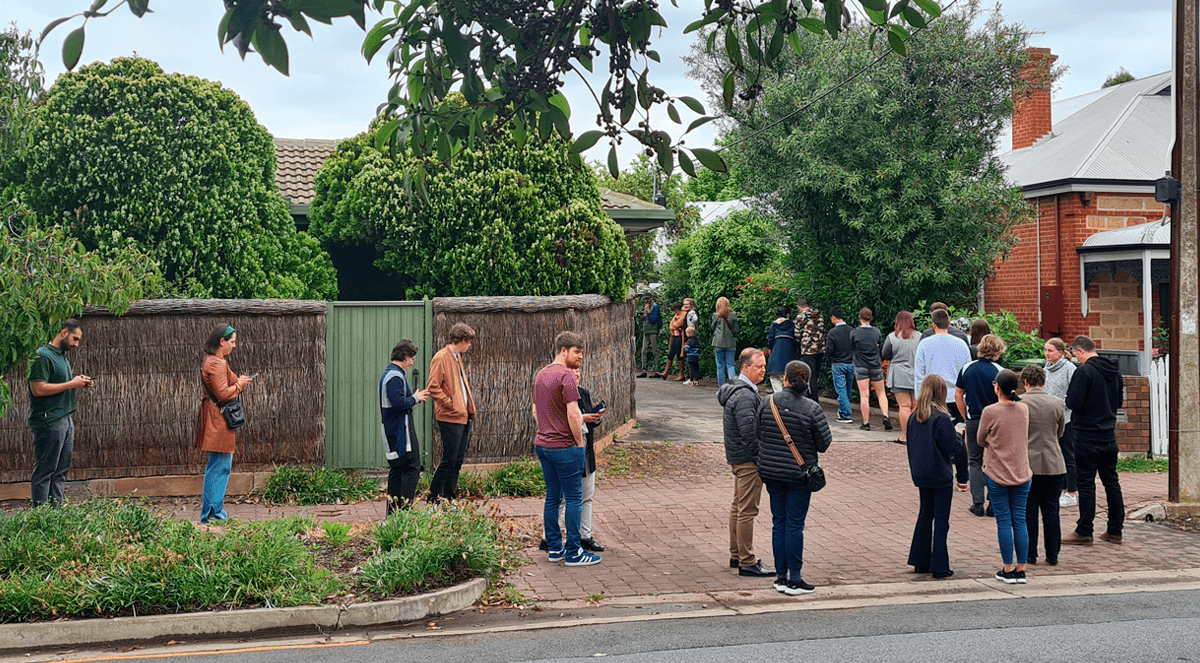
When property values decline, homeowners can feel less wealthy and may rein in discretionary spending.
But Deutsche Bank argues housing is now only one part of a much larger household balance sheet.
ABS figures show Australian household wealth actually increased by $201 billion in the June quarter of 2026, despite housing wealth falling by an estimated $29 billion.
A $231 billion increase in superannuation assets, a $36 billion rise in shares and a $31 billion increase in other financial assets more than offset that decline.
“While those gains in super may be less relevant for younger households, they are necessarily quite relevant for older households in retirement,” Mr Dynan says.
So easing home prices may not make the average Australian household feel as poor as they once did if superannuation, shares and cash investments are moving the other way.
The take-out
None of this means higher interest rates are painless.
Highly leveraged buyers, lower-income households and people who lose their jobs remain vulnerable, and further rate rises would increase the pressure.
Higher rates have already substantially reduced borrowing power and buyer demand.
But it does weaken one of the arguments for a much larger property crash: that rising rates will inevitably push huge numbers of borrowers into distress and flood the market with forced sales.






.jpg?width=1920&height=1080&name=WTF%20Is%20Happening%20To%20The%20Housing%20Market!%20$500%20Billion%20Wiped%20Out%20As%20Prices%20Fall%20Faster%20Every%20Month%20Scott%20Kuru%20YPU%20027%20(1).jpg)
%20Scott%20Kuru%20YPU%20025.jpg?width=1920&height=1080&name=This%20Is%20Worse%20Than%20A%20Recession%20RBA%20Admits%20Australias%20Wage%20Collapse%20Cant%20Be%20Stopped%20(Prepare%20Now)%20Scott%20Kuru%20YPU%20025.jpg)


























.jpg?width=1920&height=1080&name=EXPOSED%20How%20The%20Govt%20Let%20These%20Oil%20Giants%20Get%20Away%20With%20Paying%20Zero%20Tax%20For%20Aussie%20Gas%20Scott%20Kuru%20DPU%20256%20(1).jpg)






%20Scott%20Kuru%20DPU%20248.jpg?width=1920&height=1080&name=Major%20Banks%20CAUGHT%20Preparing%20For%20Australia%E2%80%99s%20Biggest%20Housing%20Crash%20(Defaults%20%26%20Bankruptcies%20Coming)%20Scott%20Kuru%20DPU%20248.jpg)
%20Scott%20Kuru%20DPU%20247.jpg?width=1920&height=1080&name=This%20Is%20How%20Australia%20Gets%20Pushed%20Into%20the%20Next%20Big%20Reset%20(Trust%20Collapse%20Has%20Officially%20Begun)%20Scott%20Kuru%20DPU%20247.jpg)







%20Scott%20Kuru%20DPU%20239.jpg?width=1920&height=1080&name=URGENT%20Life%20In%20Australia%20Has%20Become%20Impossible%20For%20Millions%20Of%20Aussies%20(It%E2%80%99s%20About%20To%20Get%20Worse)%20Scott%20Kuru%20DPU%20239.jpg)










%20Scott%20Kuru%20DPU%20227.jpg?width=1920&height=1080&name=URGENT%20ALERT%20Australia%E2%80%99s%20Property%20Market%20Is%20Sliding%20Into%20Something%20Much%20Bigger%20(Prepare%20Now)%20Scott%20Kuru%20DPU%20227.jpg)





%20Scott%20Kuru%20DPU%20221.jpg?width=1920&height=1080&name=The%20AI%20Situation%20in%20Australia%20Just%20Hit%20a%20Point%20of%20No%20Return...%20(Major%20Bank%20Proves%20It)%20Scott%20Kuru%20DPU%20221.jpg)