









.png?width=292&height=292&name=Copy%20Link%20(1).png)

 SIGN UP FOR FREE NEWSLETTER
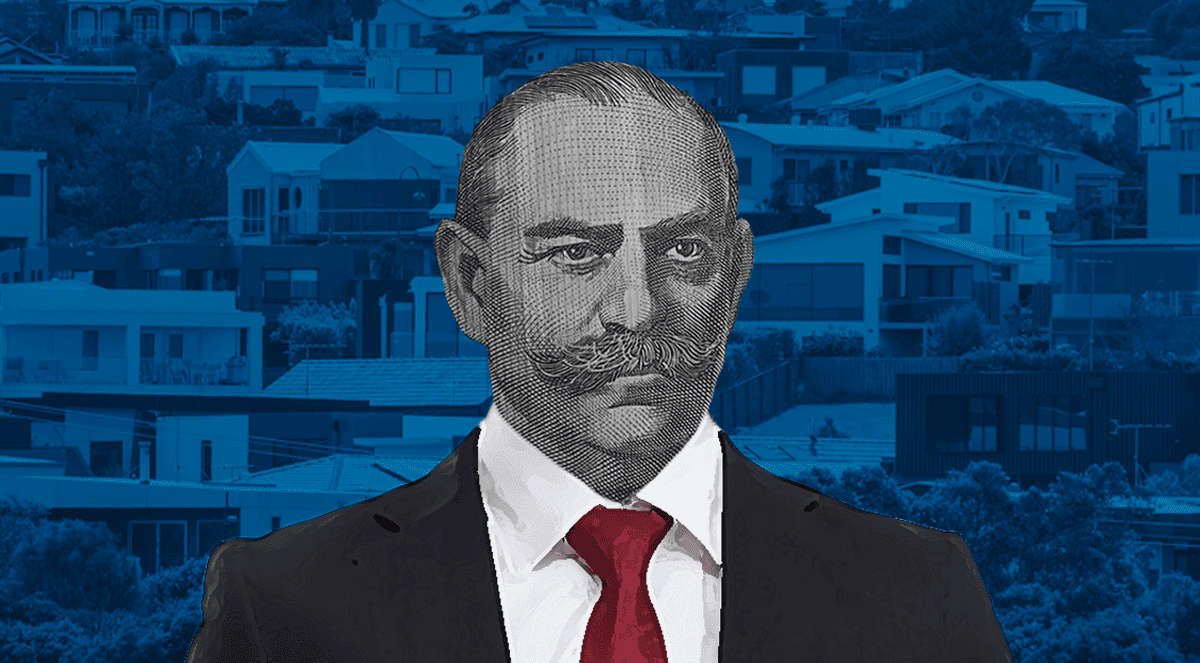
New figures show Australia is now one of the richest countries in the world, and one asset class is doing most of the heavy lifting: residential property.
The latest UBS Global Wealth Report shows Australia now ranks third in the world for median wealth per adult, behind only Luxembourg and Belgium.
The report found Australia’s median wealth was $US210,783, or about $306,000, while average wealth per adult was much higher at $US616,306, or about $894,000.
The details
The latest UBS Global Wealth Report shows Australia is not just home to mining billionaires, tech founders and wealthy business owners.
It’s also home to a growing number of ordinary households whose wealth has been transformed by rising property values, compulsory superannuation and long-term asset ownership.
The clearest sign of that shift is the rising number of millionaires.
UBS estimates the number of Australians with net assets worth more than $US1 million, or about $A1.45 million, increased by roughly 25,000 last year, taking the national total to about 1.6 million people.
Globally, UBS says there are now “more millionaires than ever, everywhere”, with almost one million new US-dollar millionaires created in 2025.
But in Australia, becoming a millionaire rarely means private jets and champagne lunches.
For many households, it merely means owning a home in Sydney, Melbourne, Brisbane or Perth, having a growing super balance and watching the value of their biggest asset rise faster than their wages.
UBS says global personal wealth rose 10.8% in 2025, up from 4.6% in 2024 and 4.2% in 2023.
The United States accounted for almost half of the world’s new millionaires, adding more than 440,000 people to the US-dollar millionaire club.
But Australia continues to stand out because of the wealth held by typical households.
And the reason is simple: residential property.
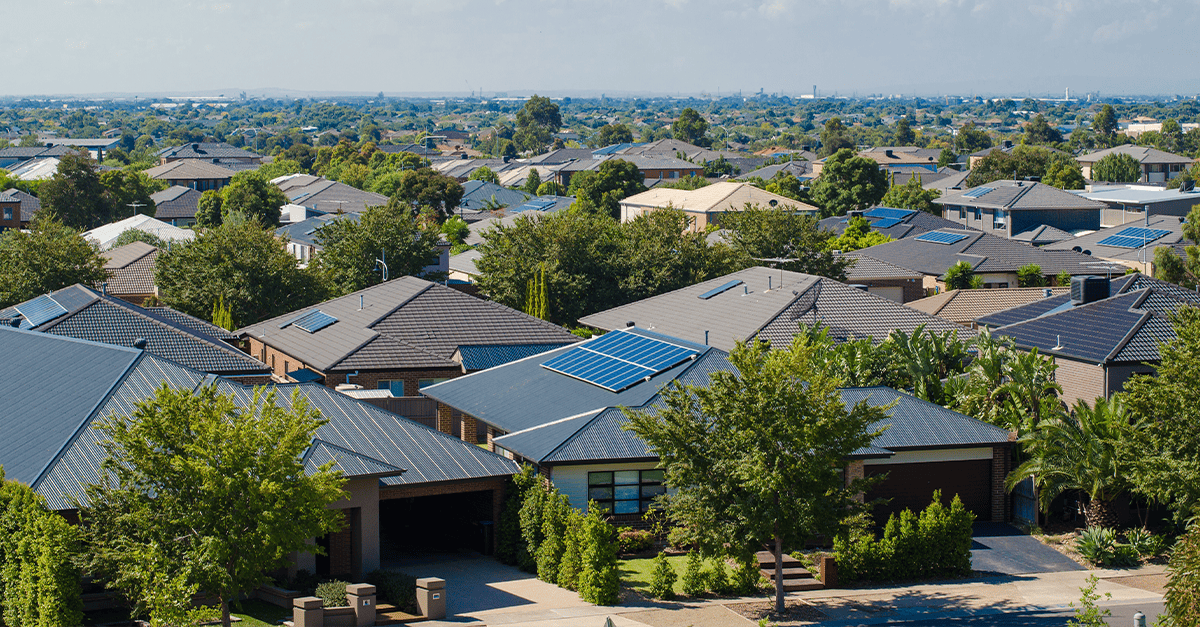
Australian households collectively own about $12.3 trillion in residential land and dwellings, and the family home remains the single most important store of wealth for most Australians.
That means Australian residential real estate is worth more than the combined annual economic output of some of the world’s largest economies.
By the March quarter of this year, the ABS says household wealth had risen to $19.2 trillion, with the increase in net worth driven by growth in the value of land and dwellings.
The national average house price was just above $1.1 million over the same period.
That’s why the UBS figures are so revealing.
In many countries, millionaire status is closely linked to financial markets, business ownership or inherited fortunes, but in Australia, it’s usually tied to property.
A couple who bought a house in Sydney, Melbourne or Brisbane 20 years ago may now have a net worth of more than $1 million, even if they do not feel particularly wealthy day to day.
They may still have mortgage debt, could still be working and may not have large amounts of cash in the bank.
But their net worth has been lifted enormously by the rising value of residential land.
Property as wealth engine
In an analysis piece on the UBS figures, the ABC described property as Australia’s “wealth engine”.
Housing has delivered two very different outcomes.
- It has made many existing homeowners significantly wealthier.
- But it has also made it much harder for younger Australians and renters to get onto the same wealth-building ladder.
That’s the uncomfortable tension at the heart of Australia’s wealth story.
The country ranks extremely well on median wealth because so many households own valuable property and have compulsory superannuation.
But for those who do not own property, the gap can feel enormous.
Since 2020, Australian average personal net wealth has risen 19% after adjusting for inflation, but median wealth has fallen by almost 7%, suggesting the gains have not been shared evenly.
People who don’t own property face higher deposits, bigger mortgages and the risk of being locked out of one of the country’s most powerful wealth-building assets.
Recent housing gains have also not been limited to the big markets of Sydney and Melbourne.
Brisbane, Perth and Adelaide have all recorded strong growth over recent years, helping more owners in those markets build equity quickly.
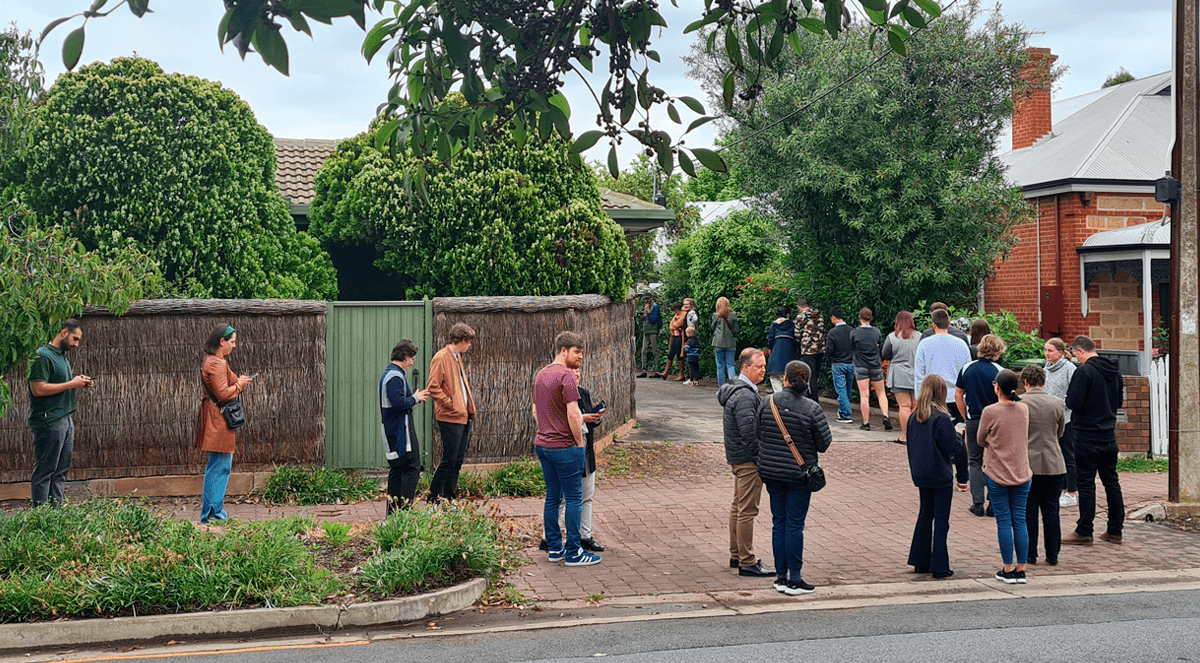
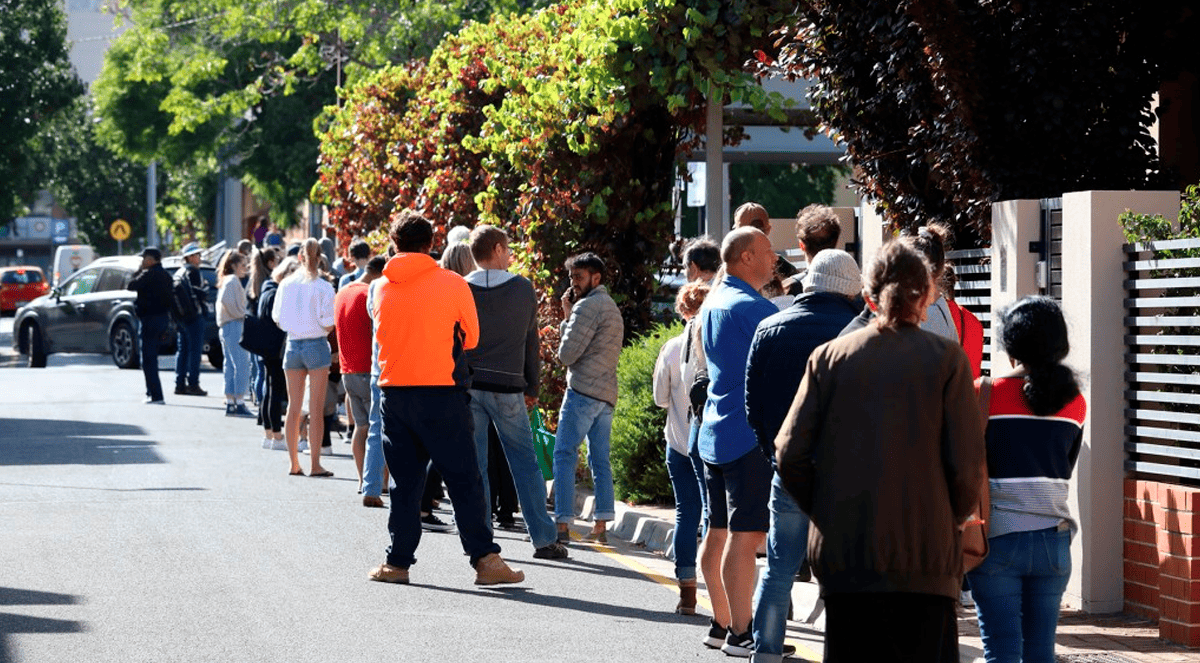
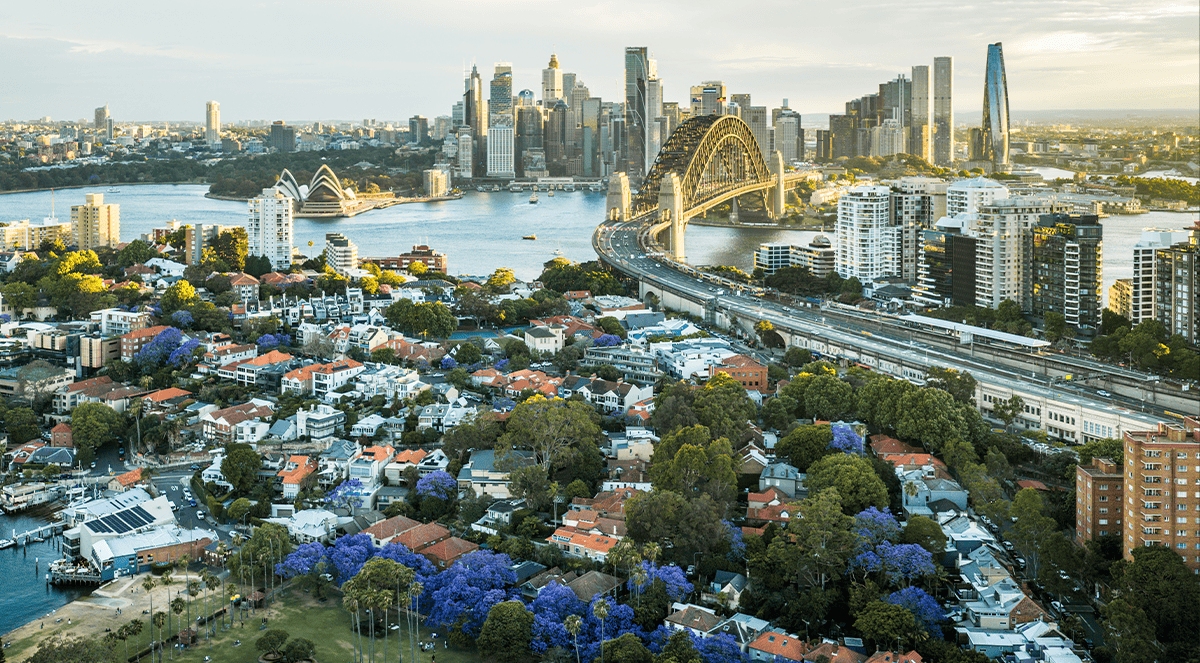
The strong performance has also reinforced the importance of getting into the market early, holding through cycles and benefiting from long-term capital growth.
The UBS report also challenges the way many Australians think about wealth.
A millionaire is no longer necessarily someone with a vast share portfolio, a business empire or a luxury lifestyle.
In Australia, a millionaire may simply be an owner-occupier with a paid-off home and a reasonable super balance.
High property values can make households asset-rich but cash-poor, particularly retirees living in valuable homes but relying on modest incomes.
It also means much of Australia’s wealth is tied up in assets that cannot easily be spent.
A homeowner cannot pay the grocery bill with rising home equity unless they borrow against it, downsize or sell.
Still, the wealth effect is real.
Property ownership gives households security, borrowing power, inheritance potential and a long-term store of value.
That is why housing remains so central to Australia’s economic and political debate.
Governments talk about affordability, banks talk about mortgage serviceability, investors talk about capital growth and rental yields.
But the UBS numbers show something even more fundamental: property ownership remains one of the clearest pathways to wealth in Australia.





.jpg?width=1920&height=1080&name=WTF%20Is%20Happening%20To%20The%20Housing%20Market!%20$500%20Billion%20Wiped%20Out%20As%20Prices%20Fall%20Faster%20Every%20Month%20Scott%20Kuru%20YPU%20027%20(1).jpg)
%20Scott%20Kuru%20YPU%20025.jpg?width=1920&height=1080&name=This%20Is%20Worse%20Than%20A%20Recession%20RBA%20Admits%20Australias%20Wage%20Collapse%20Cant%20Be%20Stopped%20(Prepare%20Now)%20Scott%20Kuru%20YPU%20025.jpg)

















.jpg?width=1920&height=1080&name=EXPOSED%20How%20The%20Govt%20Let%20These%20Oil%20Giants%20Get%20Away%20With%20Paying%20Zero%20Tax%20For%20Aussie%20Gas%20Scott%20Kuru%20DPU%20256%20(1).jpg)




%20Scott%20Kuru%20DPU%20248.jpg?width=1920&height=1080&name=Major%20Banks%20CAUGHT%20Preparing%20For%20Australia%E2%80%99s%20Biggest%20Housing%20Crash%20(Defaults%20%26%20Bankruptcies%20Coming)%20Scott%20Kuru%20DPU%20248.jpg)
%20Scott%20Kuru%20DPU%20247.jpg?width=1920&height=1080&name=This%20Is%20How%20Australia%20Gets%20Pushed%20Into%20the%20Next%20Big%20Reset%20(Trust%20Collapse%20Has%20Officially%20Begun)%20Scott%20Kuru%20DPU%20247.jpg)






%20Scott%20Kuru%20DPU%20239.jpg?width=1920&height=1080&name=URGENT%20Life%20In%20Australia%20Has%20Become%20Impossible%20For%20Millions%20Of%20Aussies%20(It%E2%80%99s%20About%20To%20Get%20Worse)%20Scott%20Kuru%20DPU%20239.jpg)








%20Scott%20Kuru%20DPU%20227.jpg?width=1920&height=1080&name=URGENT%20ALERT%20Australia%E2%80%99s%20Property%20Market%20Is%20Sliding%20Into%20Something%20Much%20Bigger%20(Prepare%20Now)%20Scott%20Kuru%20DPU%20227.jpg)





%20Scott%20Kuru%20DPU%20221.jpg?width=1920&height=1080&name=The%20AI%20Situation%20in%20Australia%20Just%20Hit%20a%20Point%20of%20No%20Return...%20(Major%20Bank%20Proves%20It)%20Scott%20Kuru%20DPU%20221.jpg)