









.png?width=292&height=292&name=Copy%20Link%20(1).png)

 SIGN UP FOR FREE NEWSLETTER
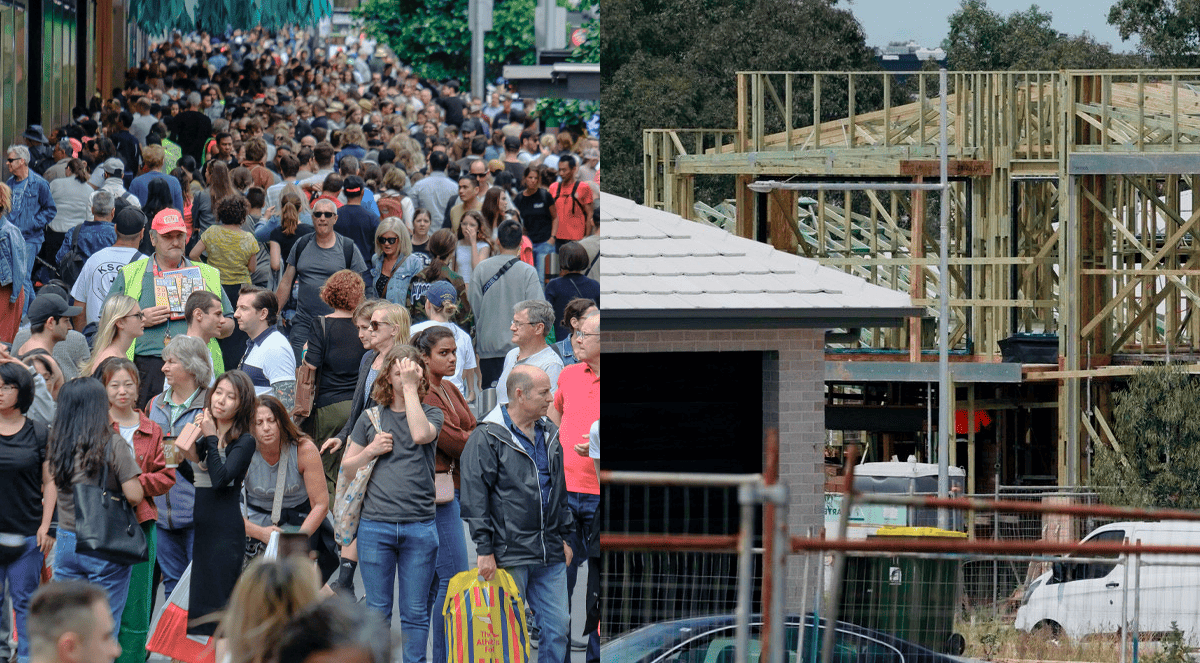
Australia should slash net overseas migration to below 180,000 a year while stripping thousands of pages of requirements from national building standards under a two-pronged proposal from the Coalition aimed at tackling both sides of the housing crisis.
Shadow Housing Minister Andrew Bragg says Australia has simultaneously allowed population growth to outrun housing construction while making new homes unnecessarily expensive to build.
The details

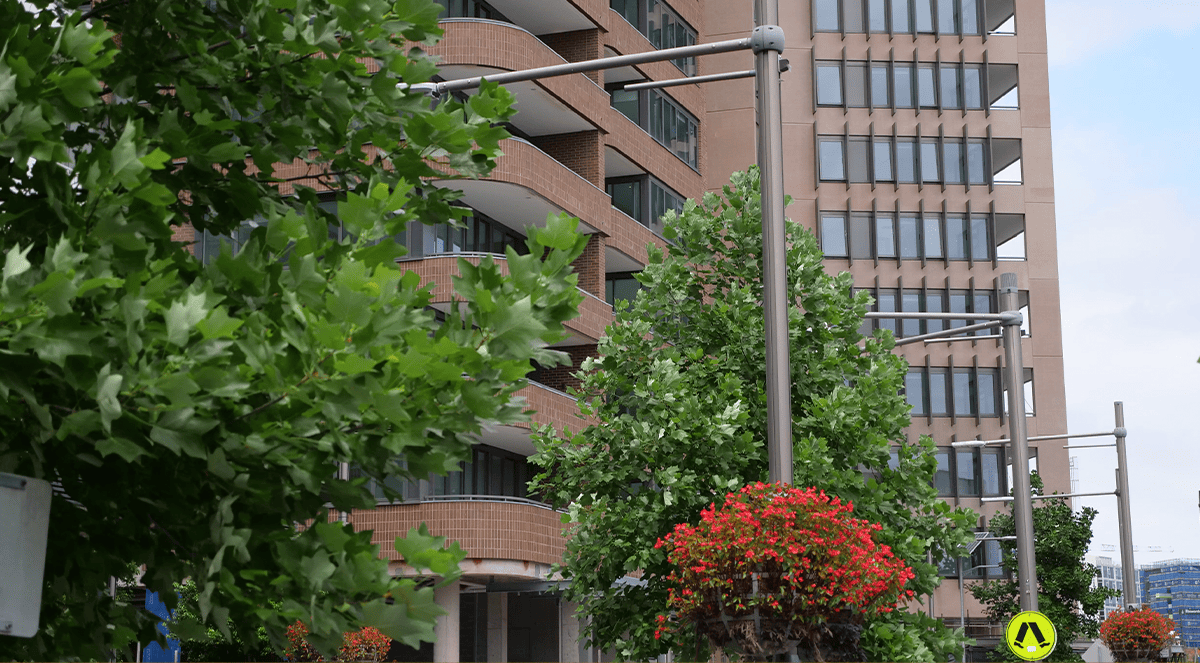
Image from News Corp Australia
In a speech to the National Press Club, Senator Bragg proposed replacing the roughly 2,000-page National Construction Code with an 80-page basic standard.
At the same time, he argued net overseas migration may need to average below 180,000 annually over the coming years to allow housing supply to catch up with population growth.
“We need a housing boom,” Senator Bragg said.
But he argued Australia currently faces both “a massive supply failure and a massive demand failure”, meaning cutting migration alone would not solve the problem.
Senator Bragg’s building proposal would dramatically reduce the compulsory requirements for a basic new home.
“It is illegal to build a cheap house in Australia, which is outrageous,” Senator Bragg told the Press Club.
“The house won’t be gold-plated, but it won’t fall down.”
The Coalition plan would create an 80-page Australian standard focused on essential structural, fire safety, health and basic amenity requirements, with many other features treated as optional.
During questioning, Senator Bragg confirmed the basic standard would not require an energy-efficiency rating.
“It’s just basic amenities,” he said.
“We need to build any kind of house we can get right now to house our population.
“If people want optional extras, that’s up to them.”
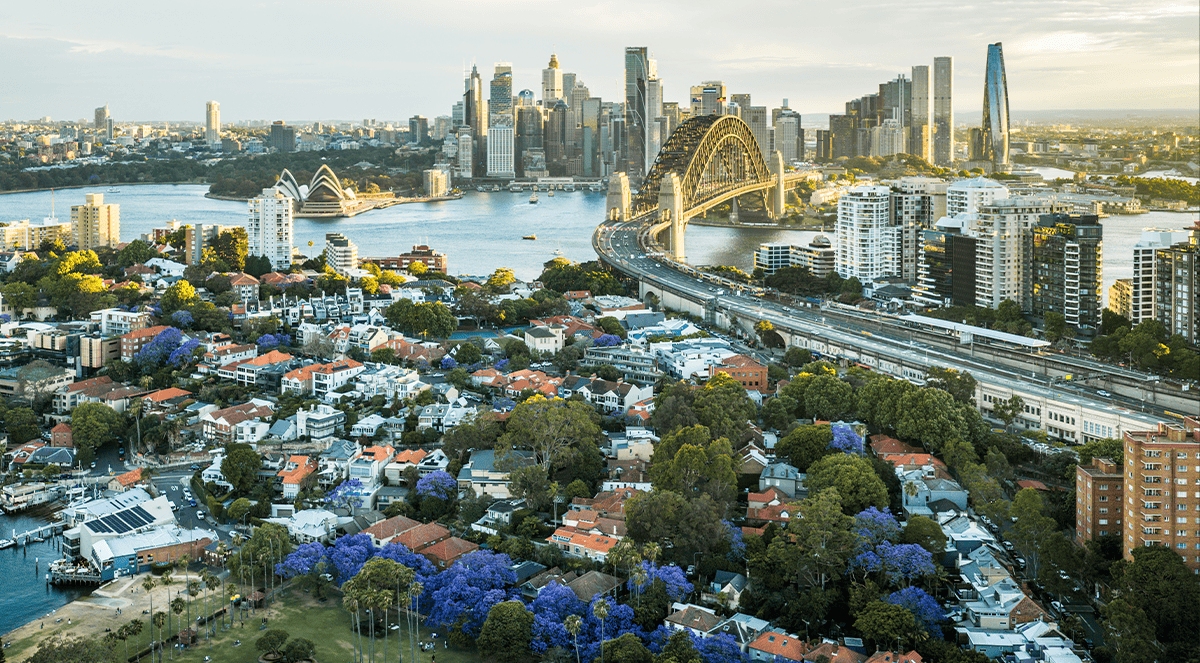
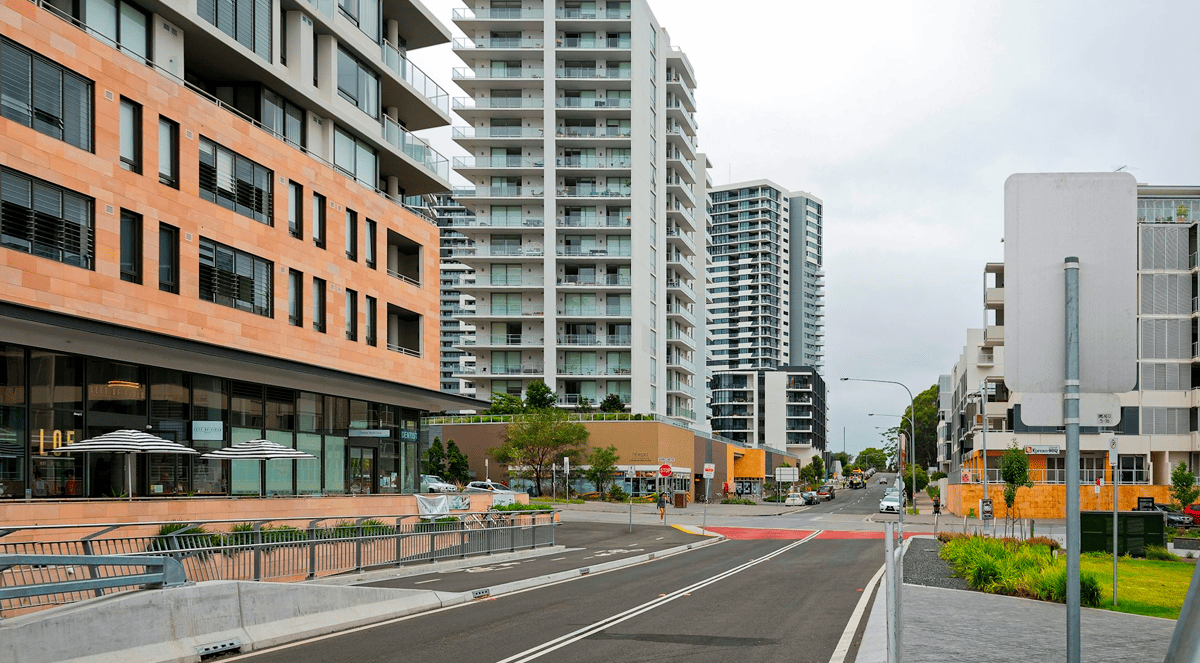

The plan would make features, including some accessibility requirements, optional rather than compulsory under the basic standard.
It goes substantially further than the Albanese Government’s decision last year to pause most further changes to the National Construction Code until 2029.
That freeze retained existing requirements while delaying further additions other than those involving essential safety and quality.
Senator Bragg also wants greater use of prefabricated and modular construction and a national housing “pattern book” containing standard designs that could potentially receive automatic approval from states.
Migration tied to housing
But Senator Bragg argues cheaper construction will not be enough while population growth continues to outpace the number of homes being built.
He told the Press Club Australia’s population had increased by about 1.8 million since Labor came to office in 2022, including about 1.5 million through net overseas migration, while the number of homes had increased by around 550,000.
Using an assumption of 2.6 people per dwelling, he estimated this had left a housing shortfall of about 130,000 dwellings, enough to accommodate at least 350,000 people.
Senator Bragg said the latest net overseas migration figure remained above 300,000, while the Federal Budget assumed it would gradually decline to 225,000 by 2029-30.
He argued that, on those assumptions, averaging net migration of “below 180,000 a year” over the forward estimates could help close the housing gap.
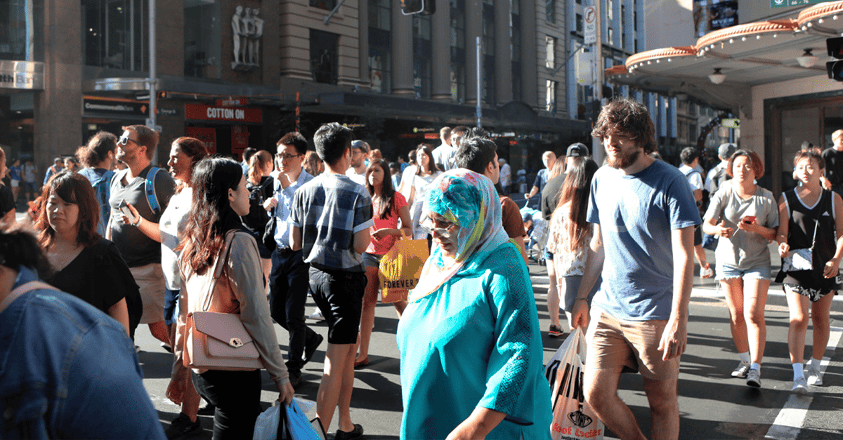
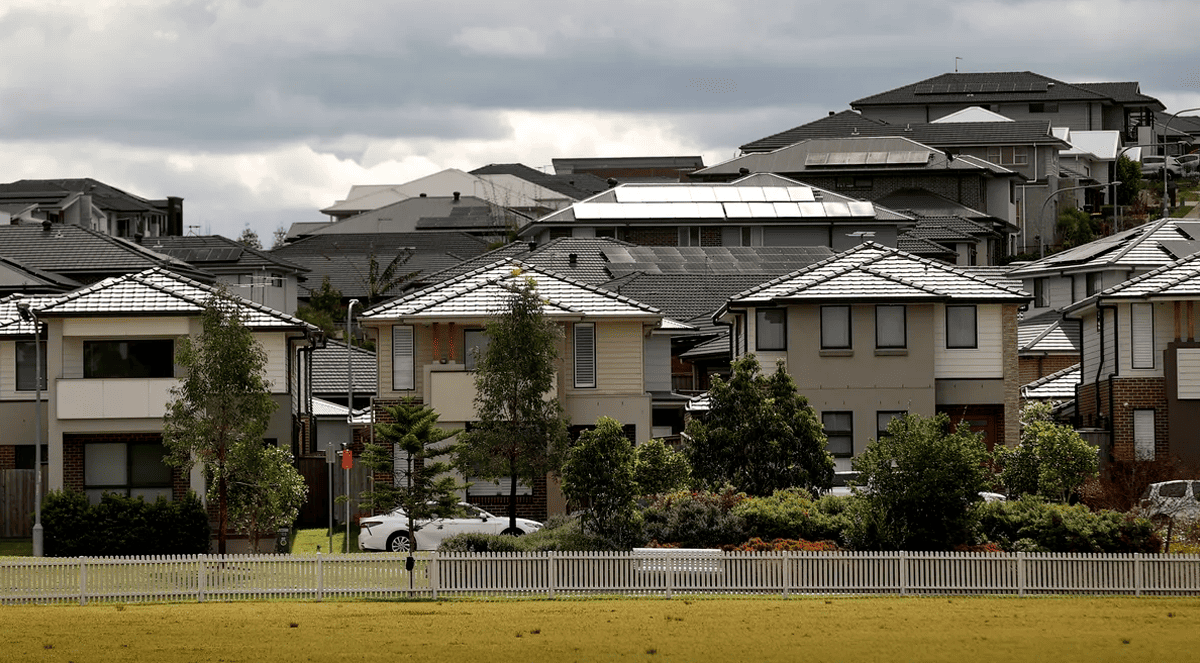
Image by James Alcock/SMH
Such a reduction could include fewer international students, working holidaymakers and some lower-skilled migrants, while placing greater emphasis on skills Australia needs.
For example, the NSW Senator said that Australia could probably manage without “less pastry chefs”, while headhunting more construction workers from overseas.
Senator Bragg’s proposal would take net overseas migration back towards levels last seen around the Global Financial Crisis.
However, he conceded during questioning that the figure is not yet formal Coalition policy.
“We haven't finalised our complete policy suite,” he said.
He described 180,000 as the approximate range required to close the gap rather than an election commitment, saying the Coalition would have “more to say later”.
Senator Bragg also rejected suggestions that his position conflicted with earlier comments that turning off migration would not by itself fix housing.
“They’re both right,” he said.
“If you cut it to zero, you still have a massive housing supply problem.”
Instead, his argument is that migration must be calibrated against the number of homes Australia can actually deliver.
He proposed annual reporting linking migration levels to housing stock and completions so governments could assess whether the country had enough accommodation for new arrivals.
The Coalition has been developing that approach for several months, alongside proposals to reduce building regulations and invest $5 billion in infrastructure needed to unlock housing developments.




.jpg?width=1920&height=1080&name=WTF%20Is%20Happening%20To%20The%20Housing%20Market!%20$500%20Billion%20Wiped%20Out%20As%20Prices%20Fall%20Faster%20Every%20Month%20Scott%20Kuru%20YPU%20027%20(1).jpg)
%20Scott%20Kuru%20YPU%20025.jpg?width=1920&height=1080&name=This%20Is%20Worse%20Than%20A%20Recession%20RBA%20Admits%20Australias%20Wage%20Collapse%20Cant%20Be%20Stopped%20(Prepare%20Now)%20Scott%20Kuru%20YPU%20025.jpg)

























.jpg?width=1920&height=1080&name=EXPOSED%20How%20The%20Govt%20Let%20These%20Oil%20Giants%20Get%20Away%20With%20Paying%20Zero%20Tax%20For%20Aussie%20Gas%20Scott%20Kuru%20DPU%20256%20(1).jpg)






%20Scott%20Kuru%20DPU%20248.jpg?width=1920&height=1080&name=Major%20Banks%20CAUGHT%20Preparing%20For%20Australia%E2%80%99s%20Biggest%20Housing%20Crash%20(Defaults%20%26%20Bankruptcies%20Coming)%20Scott%20Kuru%20DPU%20248.jpg)
%20Scott%20Kuru%20DPU%20247.jpg?width=1920&height=1080&name=This%20Is%20How%20Australia%20Gets%20Pushed%20Into%20the%20Next%20Big%20Reset%20(Trust%20Collapse%20Has%20Officially%20Begun)%20Scott%20Kuru%20DPU%20247.jpg)







%20Scott%20Kuru%20DPU%20239.jpg?width=1920&height=1080&name=URGENT%20Life%20In%20Australia%20Has%20Become%20Impossible%20For%20Millions%20Of%20Aussies%20(It%E2%80%99s%20About%20To%20Get%20Worse)%20Scott%20Kuru%20DPU%20239.jpg)










%20Scott%20Kuru%20DPU%20227.jpg?width=1920&height=1080&name=URGENT%20ALERT%20Australia%E2%80%99s%20Property%20Market%20Is%20Sliding%20Into%20Something%20Much%20Bigger%20(Prepare%20Now)%20Scott%20Kuru%20DPU%20227.jpg)





%20Scott%20Kuru%20DPU%20221.jpg?width=1920&height=1080&name=The%20AI%20Situation%20in%20Australia%20Just%20Hit%20a%20Point%20of%20No%20Return...%20(Major%20Bank%20Proves%20It)%20Scott%20Kuru%20DPU%20221.jpg)