










 SIGN UP FOR FREE NEWSLETTER

Image by Peter Rae/Domain
Australia’s property investors are retreating from the housing market at the fastest rate on record, but the first-home buyers who were supposed to benefit are retreating too.
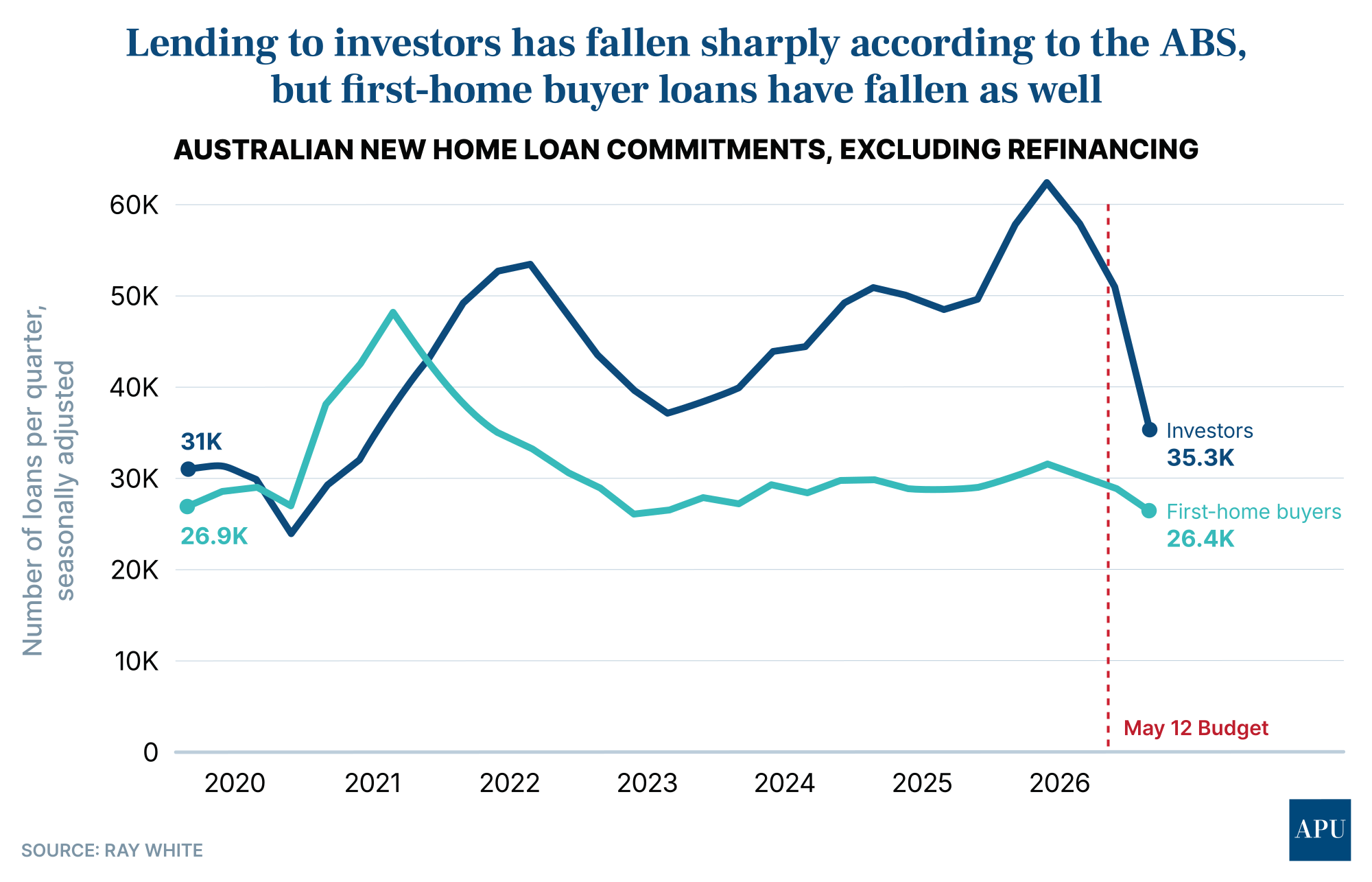
New ABS lending figures show the number of investor loans plunged 30.6% in the September quarter to 35,301, while first-home-buyer loans fell 8.6% to 26,415.
The figures raise an uncomfortable question about the Federal Government’s property tax changes: if fewer investors are buying established homes, first-home buyers aren’t replacing them and investors aren’t shifting heavily into new construction, who will finance the housing Australia still desperately needs?
The details
The September-quarter lending figures show the total value of new housing loans fell 15.5% in just three months to $81.2 billion, the largest quarterly fall in the ABS series.
Investors accounted for most of the plunge.
The number of new investor loans fell 30.6%, while their value plunged 32.3% to $24.7 billion.
Ray White chief economist Nerida Conisbee says investor lending has fallen “at a pace we have never seen before”.
“One of the arguments for the Federal Government's housing changes was that reducing investor competition would make it easier for first-home buyers to enter the market,” she says.
“The latest lending data suggests this is not happening. Instead, both groups are pulling back.”
First-home-buyer loan numbers fell 8.6% during the quarter and were 12.3% lower than a year earlier.
Ms Conisbee says the gap between the two groups is narrowing “only because investor lending is falling more quickly”.
Where have the investors gone?
Not all of the lending slowdown can be blamed on tax changes.
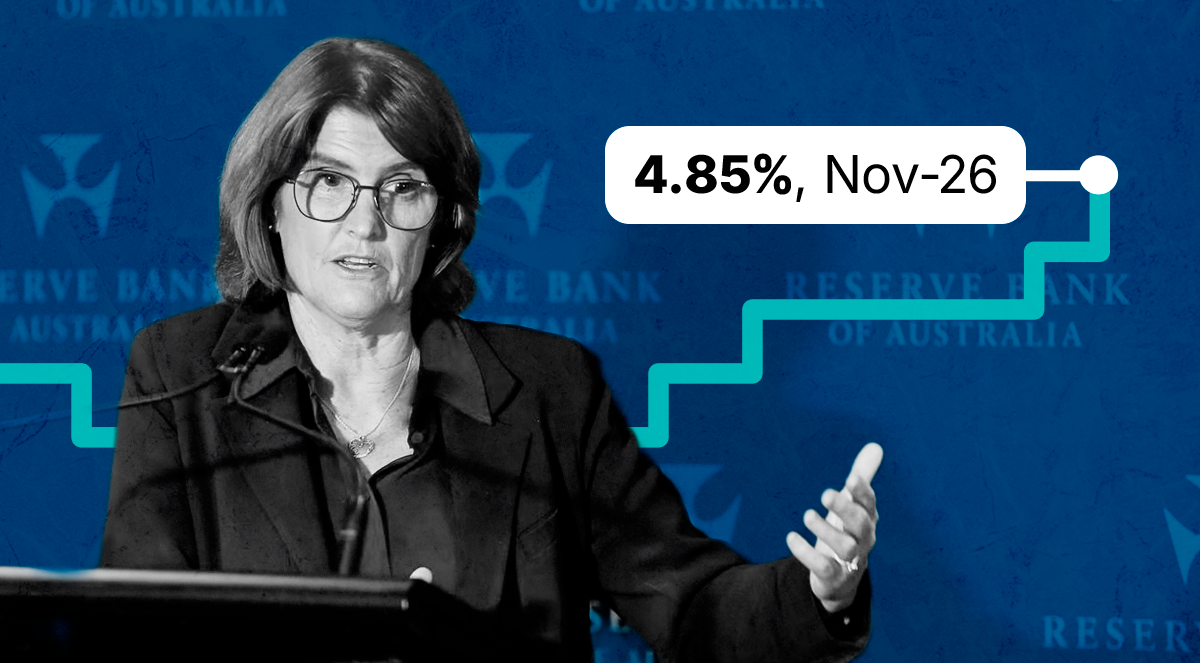
Five RBA rate rises this year have lifted the cash rate to 4.85%, an 18-year high, reducing borrowing capacity for investors and owner-occupiers alike.
The ABS says investor activity appears to be responding to a combination of higher borrowing costs, tax changes and expectations of falling property prices.
But where investors are pulling back matters.
The Government’s May Budget changes were designed partly to discourage investors from competing with first-home buyers for established properties while retaining more favourable tax treatment for qualifying new housing.
In theory, that should have produced two shifts: more room for first-home buyers in the established market and more investor money flowing into new homes.
So far, the lending data provide little evidence of either.
Canstar’s analysis of the ABS figures found investor lending to purchase newly built homes rose just 1% in value during the September quarter, while lending for construction fell 14%.
Looking at loan numbers, Westpac found loans for construction or newly built dwellings fell 8.7% over the quarter.
“Investors are clearly leaving the established housing market, but there is little evidence that they are shifting their investment into new housing,” Ms Conisbee says.
First-home buyers aren’t filling the gap
The number of first-home-buyer loans fell to 26,415 in the September quarter, 8.6% fewer than three months earlier and 12.3% fewer than a year ago.

Image by Nicky Ryan/Domain
Higher rates remain a major barrier. Softer property prices and reduced investor competition help, but buyers still need to pass bank serviceability tests and afford repayments at mortgage rates well above where they began the year.
The rental risk
The longer-term concern is what happens to rental supply if investors continue to retreat.
Australia’s rental market is already tight.
PropTrack’s September Rental Report put the national median advertised rent at a record $675 a week, up 5.5% over the year, while the national vacancy rate was around 1.5%.
There’s also evidence that some rental properties are leaving the market.
Analysis by FoundIt found about 10,100 rented homes were sold nationally during the first seven weeks after the Budget, while only about 6,140 newly purchased properties entered the rental market. That’s a net decline of roughly 570 rental homes a week over that period.
That rate will not necessarily continue, but it illustrates the problem.
If an investor sells to another investor, the rental stock remains broadly unchanged.
If the buyer is an owner-occupier, one household becomes a homeowner, but one home also disappears from the rental pool.

The new-housing problem
Investors also help get projects built in the first place.
Apartment developers typically need substantial presales before banks will provide construction finance, and investors have historically provided a large share of those early purchases.
That means an ongoing investor retreat could affect not just the number of rentals available today, but the number of projects that get financed tomorrow.
Australia is already struggling to build enough homes, with construction costs, labour shortages and higher interest rates weighing on new supply.
And the latest figures suggest the hoped-for surge in investor-backed new construction has not yet arrived.
The take-out
The ABS lending data show one thing very clearly: investors have pulled back dramatically.
What they do not yet show is first-home buyers rushing in to replace them or investor capital flooding into new housing.
For investors, however, that creates a very different kind of opportunity.
Fewer buyers mean less competition. Falling prices improve negotiating power. Rental supply remains tight, rents are still high and qualifying new properties continue to receive more favourable tax treatment than established investment homes.
For investors with finance in place, the next phase is about being selective and decisive: target areas with strong population growth, employment, tight rental supply and new housing that still works at today’s interest rates.
The investors who benefit most may be the ones prepared to act while everyone else is still standing on the sidelines.