










 SIGN UP FOR FREE NEWSLETTER

Image from 7News Australia
Home buyers and investors may have only a few weeks to take advantage of falling prices and weak competition before parts of the housing market turn upwards again.
That’s the warning from one of Australia’s leading housing economists.
Housing Industry Association chief economist Tim Reardon, says the current downturn has created a “narrow window of opportunity” for buyers.

“I would suggest for anybody looking for a new home, they have a window that closes sometime shortly after Christmas this year,” Mr Reardon has told Seven Network podcast The Issue.
“And at that point we will start to see established prices rising in some regions.”
The details
Tim Reardon’s warning comes as the housing market remains weak on most major measures.
National home values have fallen for seven consecutive months, according to Cotality, leaving them 6.7% below their March peak.
Across the combined capital cities, values have fallen 8.1% in seven months, the fastest decline over a comparable period in at least 40 years.
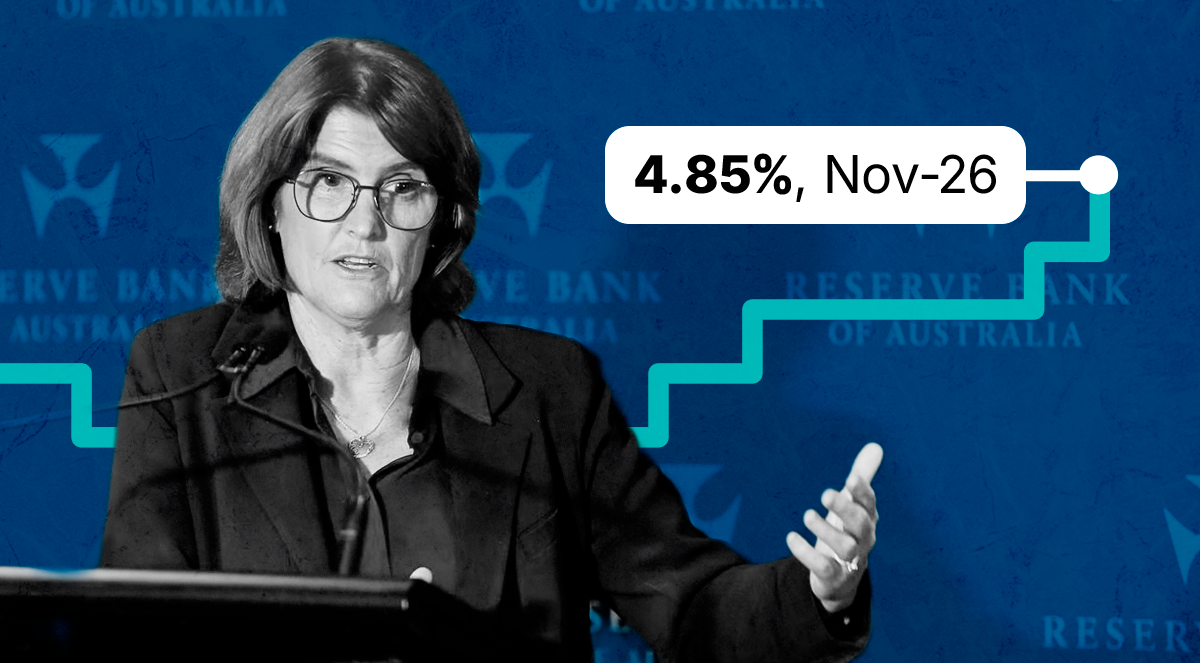
Interest rates have also moved higher, with the Reserve Bank lifting the cash rate for a fifth time this year to 4.85%.
While many economists think the rate cycle has peaked, Mr Reardon believes the RBA may hike again.
“I don't think we're at the end of the rate rising cycle. We're likely to see one early next year,” he says.
But he argues the property market may begin recovering before the RBA starts cutting interest rates.
“We're not going to need to see rate cuts to get the market to pick up again. We just need talk of it,” he says.
“We just need that confidence to come back, investors to return to the market, owner occupiers, and eventually first home buyers will return.”
He says buyers may not recognise the recovery for several months, potentially triggering another round of FOMO.
“When it happens, households discover it about three months after everybody else does,” he says.
“And as a consequence, that then leads to that fear of missing out and we enter a cycle of rapid price growth.”
Why prices will turn
The key to the HIA chief economist’s argument is Australia’s unresolved housing shortage.
Tim Reardon says the current weakness in established property prices is being driven partly by lower confidence and the withdrawal of investors from the market.
But the underlying demand for housing has not disappeared.
“There is a narrow window of opportunity here for first home buyers and those looking to get into the market,” he says.
“Yes, the short term results in lower established home prices, but very quickly that's going to turn around.
“That's because we have pent-up demand for housing stock. We have strong population (growth), we have low unemployment. We don't have enough homes for the existing population.
“So very quickly this turns around and we see established prices rising faster than they otherwise would have,” he says.
Mr Reardon nominates the markets most likely to stabilise first:
“Perth, Brisbane would look to be the two tightest markets and ones where we're gonna see a floor the soonest,” he says.
That may sound surprising given both cities are falling sharply, but they are also coming off extraordinary growth.
Perth home values remain around 68% higher than five years ago, while Brisbane is up about 46%.
Both also have strong population growth and tight housing supply.
Sydney, by contrast, could take longer.
“It's probably gonna take a little longer for Sydney to see a floor in this market, given how sensitive that market is to interest rates,” Mr Reardon says.
The supply problem
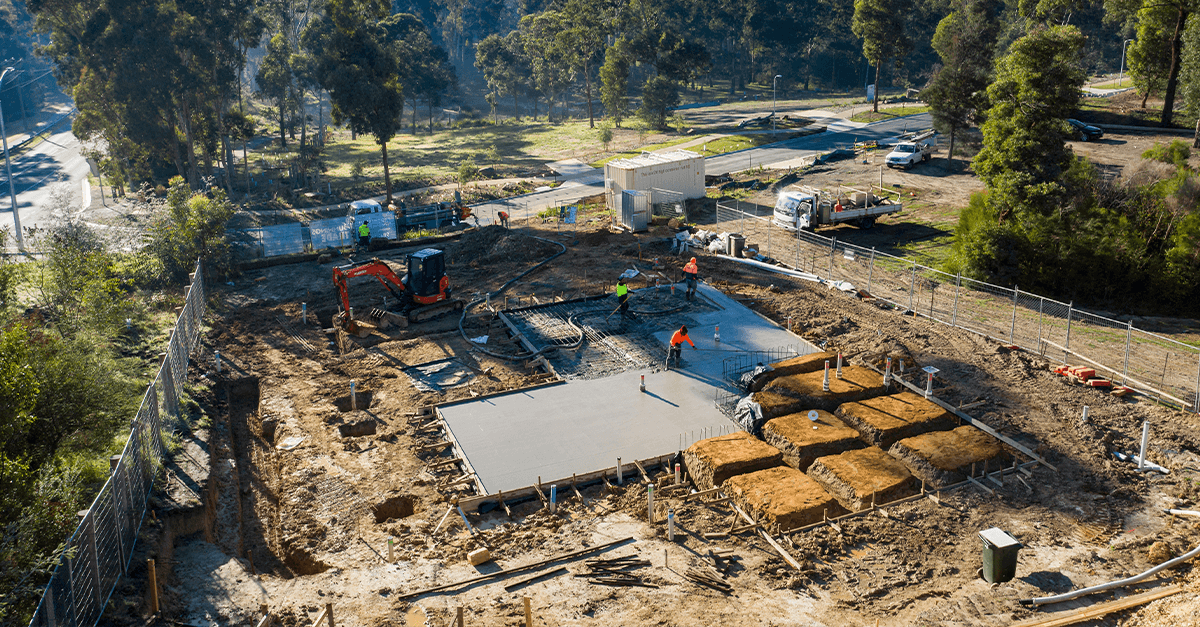
Mr Reardon says one risk is that today’s price downturn leads to fewer homes being built tomorrow.
Historically, he says five or six cash-rate rises have produced a 20% to 25% fall in housing starts 12 to 18 months later.
“From a building industry perspective, it looks like we're on that boom-bust cycle again. '27 is going to be a difficult year,” he says.
He expects building to recover in 2028, but says the housing shortage could be even worse by then.
The country is already behind the National Housing Accord target of building 1.2 million homes in the five years to June 2029.
“We're nowhere near that target,” Mr Reardon says.
Tax changes could make the rebound stronger
Mr Reardon is particularly critical of the Federal Government’s changes to negative gearing and capital gains tax.
The changes were designed to reduce investor competition for established properties while retaining tax advantages for investment in new housing.
“All of the economic theory tells us that if we make this change, you will build fewer homes,” he says.
“As a consequence of that, supply is slower. And in the medium to longer term, supply and demand are the only equations we need to look at.”
He believes that could produce a sharper price rebound later.
Commonwealth Bank has forecast that national home values could fall around 14% from peak to trough, while AMP’s Shane Oliver says 15-20% price falls in some capital cities are not out of the question.
Mr Reardon says those outcomes are possible, but would not fundamentally change the supply shortage.
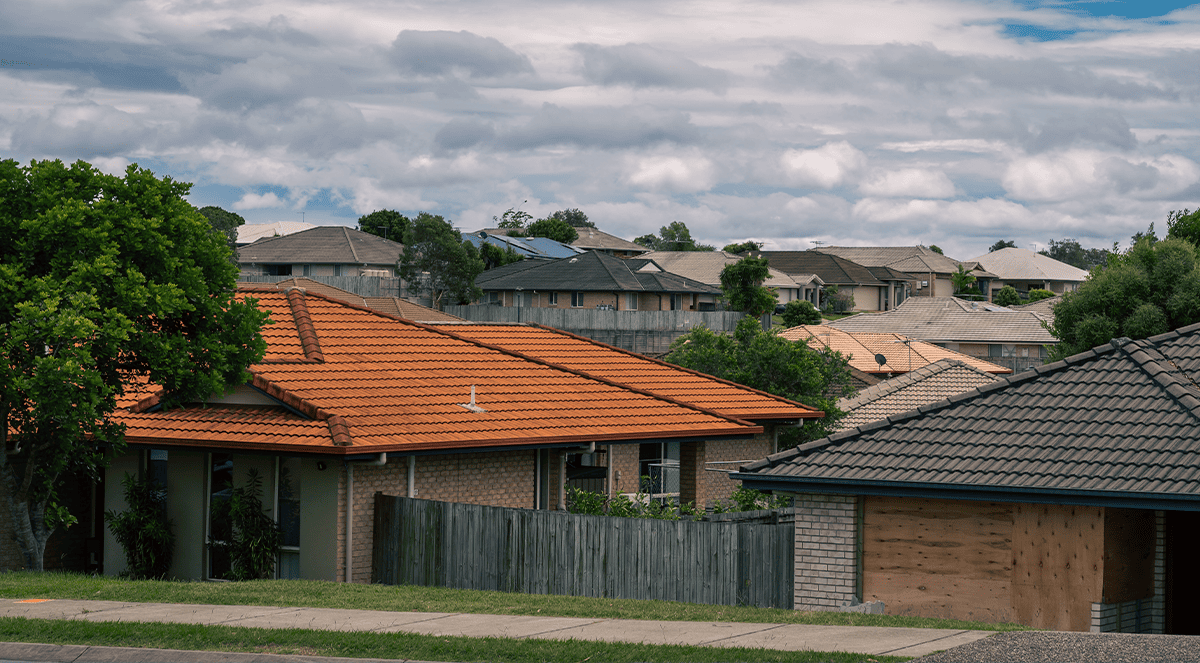

Referring to CBA’s prediction, he says a 14% decline in home prices would be “relatively immaterial given the price growth we've seen over the course of the past five years.”
“It will also mean that that whiplash we get on the other side is going to be stronger,” he says.
“We don't have enough homes for the existing housing population. Four per cent unemployment, strong population growth, it will rebound very quickly when it does.”
The take-out
For investors and potential home buyers, the message is not to simply go out and buy any property before Christmas.
Rather, Mr Reardon argues the downturn may be creating a short window when prices are softer, competition is weaker and sellers are more willing to negotiate before housing undersupply pushes prices higher again.
For serious buyers and investors, that means securing finance, stress-testing repayments and focusing on areas with tight supply, population growth, jobs and durable rental demand.