









.png?width=292&height=292&name=Copy%20Link%20(1).png)

 SIGN UP FOR FREE NEWSLETTER
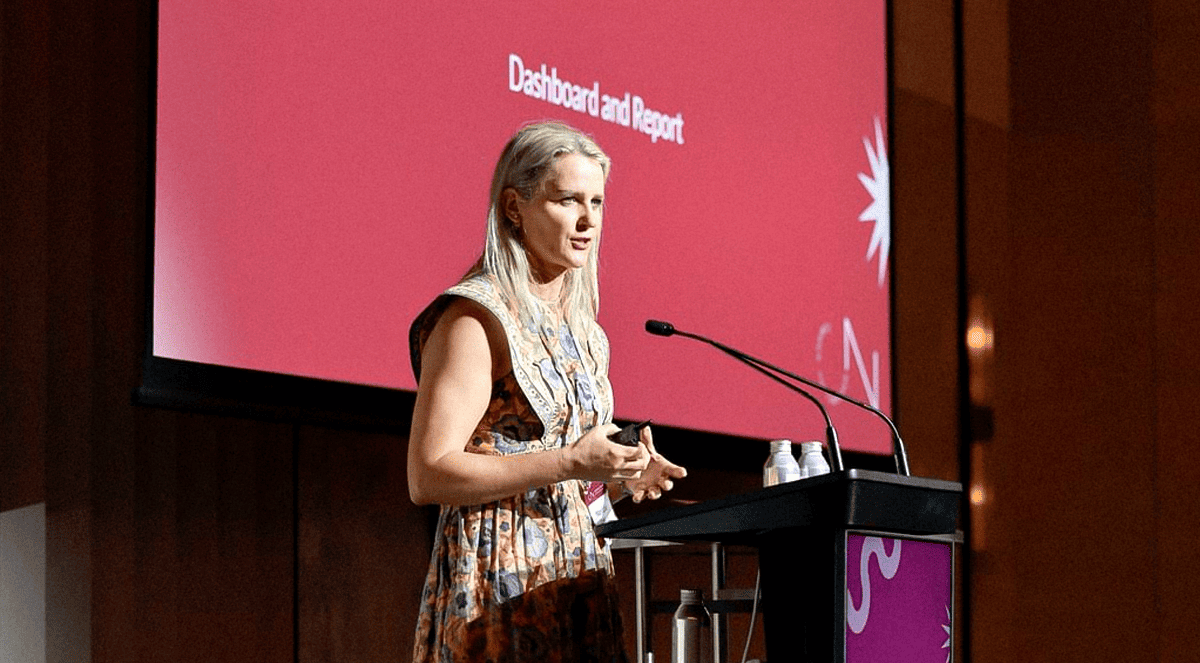
Image from Ray White
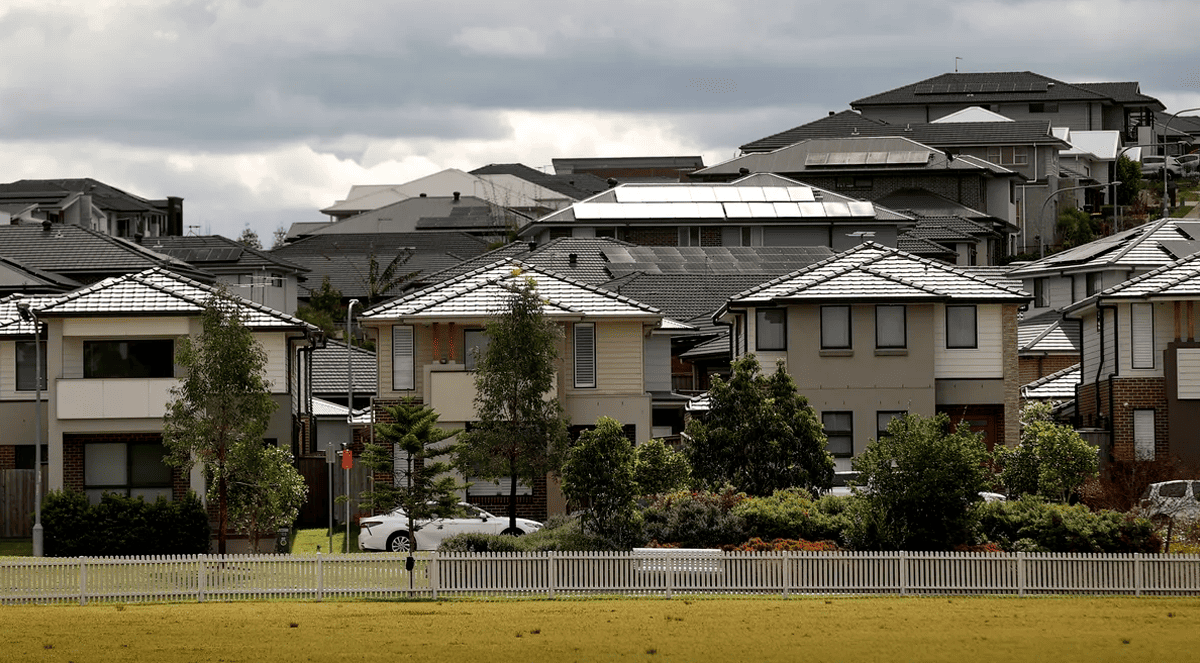
One of Australia’s leading housing analysts says dramatic price declines in the property market remain unlikely because the nation can no longer build housing cheaply enough to support materially lower prices.
Ray White Chief Economist Nerida Conisbee says the dramatic increase in the cost of building new housing since the pandemic means many newer developments do not stack up financially - a situation that will push more buyers back towards existing property.
The details
Nerida Conisbee is in no doubt there’s a housing downturn underway.
“Higher interest rates have reduced borrowing capacity, lifted mortgage repayments and weakened buyer confidence,” she writes in a new economic update.
“The federal Budget has added further uncertainty, particularly among investors, while homes are taking longer to sell and vendors are increasingly having to adjust their expectations.”
Cotality’s Home Value Index shows national dwelling values fell by 0.7% in July and have fallen by 1.9% over the last three months.
Ms Conisbee says the premium end of the property market has been weakening for some time “because it is more sensitive to higher interest rates and reduced borrowing capacity.”
She says that while that phenomenon continues, “the downturn is now broadening both geographically and further down the price spectrum.”
However, the Ray White Chief Economist Conisbee believes the market is going through a period of adjustment rather than collapse.
Ms Conisbee told a recent podcast she believed forecasts of a 10% fall in national dwelling prices, including one from investment bank Morgan Stanley, were unlikely.
“I don't think it'll get to that level,” she said.
“It may not even get to 5% nationally."
In an economic update entitled House prices are falling, but replacement costs will limit the decline, Ms Conisbee goes further.
“A dramatic national decline remains unlikely because Australia can no longer build housing cheaply enough to support materially lower prices,” she says.
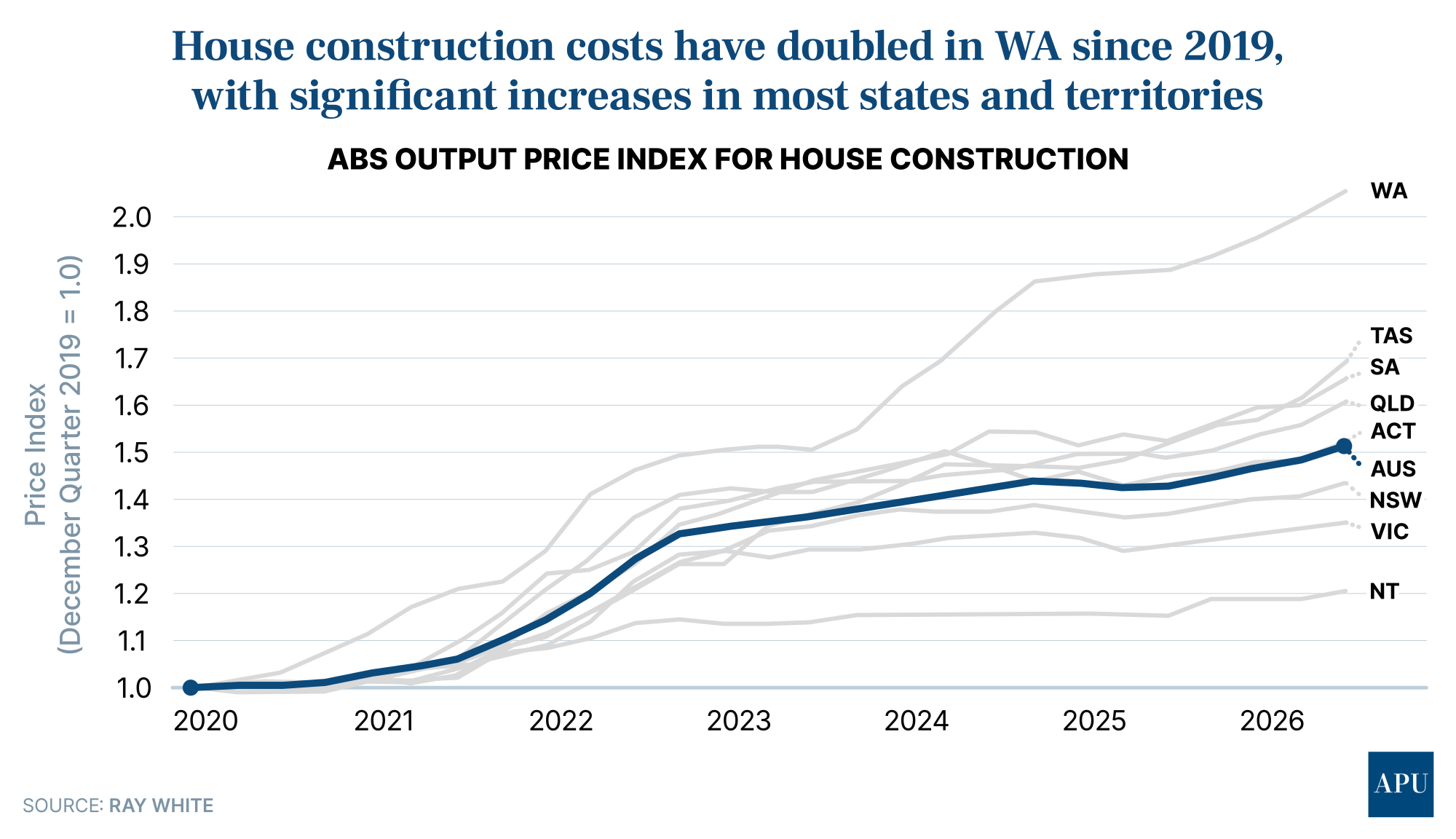
She points out that the latest ABS data shows house-construction output prices have re-accelerated, rising by 2.0% in the June quarter of 2026.
That’s the largest quarterly increase since September 2022 and means prices are up by 5.9% over the past 12 months.
Cumulatively, that means the cost of building a new house nationally is now 51% higher than at the end of 2019.
But it’s not an even picture across the country.
In Western Australia, costs have more than doubled, while rising by around 69% in Tasmania, 65% in South Australia and 61% in Queensland.
Victoria recorded the smallest house-construction cost increase among the major states at 35%, still a substantial rise.
“This is important because existing homes cannot remain materially below replacement cost across the market for long,” Nerida Conisbee writes.
“When established housing becomes cheaper than delivering new supply, projects stop stacking up. Construction slows, fewer homes are added and the shortage becomes worse.
“Buyers are then pushed back towards established housing, limiting how far prices can sustainably fall,” she says.
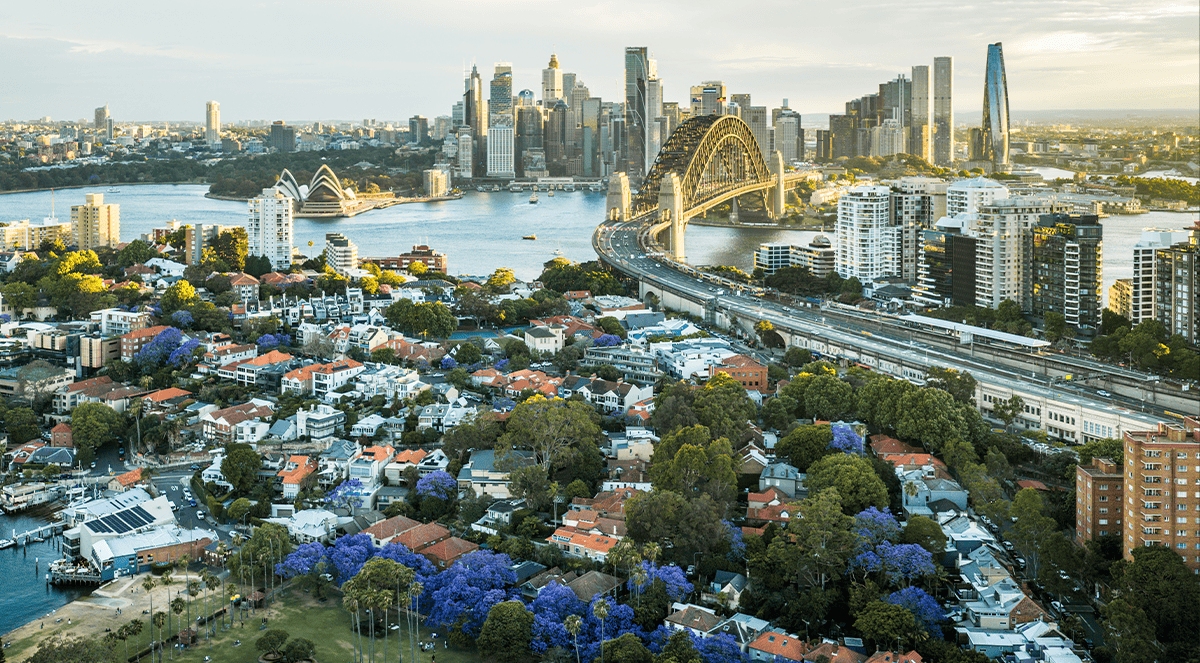
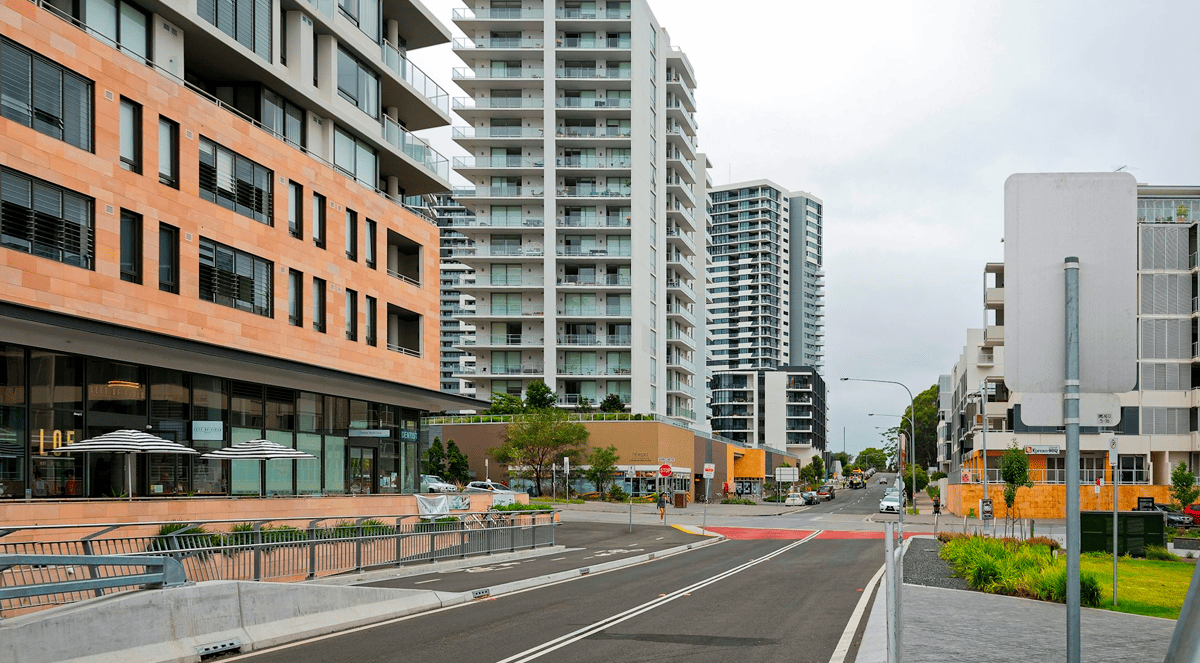

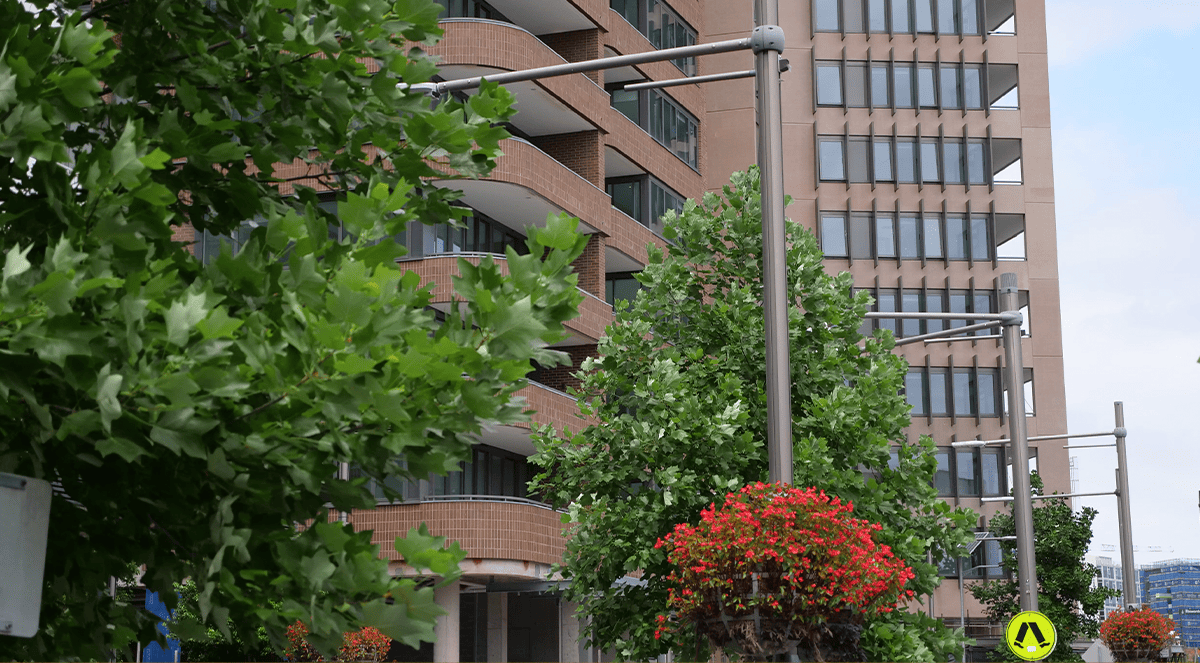
While the ABS figures she references are for detached-house construction, Ms Conisbee argues the same pressures are affecting apartments and “are likely to be even more pronounced.”
“Apartment projects involve longer construction periods, greater financing and compliance costs, and more complex labour requirements.
“At current costs, very few genuinely affordable developments are viable.
“The projects that proceed are increasingly premium developments aimed at wealthier buyers, rather than the lower-priced supply needed by first-home buyers,” she says.
As the current property market downturn continues, Nerida Conisbee expects the gap between established prices and the cost of delivering new housing will widen.
“But this will not produce a wave of cheaper new homes,” she says.
“It will cause more projects to be deferred or abandoned, particularly at the affordable end where margins are already extremely tight.”
Ms Conisbee points out that while higher interest rates push established property prices lower, they also make new housing harder and more expensive to deliver.
As construction slows, the existing shortage worsens and demand is redirected towards established homes.
“Replacement costs will not prevent larger falls in individual suburbs or properties,” Ms Conisbee concludes, “but nationally, they place a powerful limit on how far prices can decline.”




.jpg?width=1920&height=1080&name=WTF%20Is%20Happening%20To%20The%20Housing%20Market!%20$500%20Billion%20Wiped%20Out%20As%20Prices%20Fall%20Faster%20Every%20Month%20Scott%20Kuru%20YPU%20027%20(1).jpg)
%20Scott%20Kuru%20YPU%20025.jpg?width=1920&height=1080&name=This%20Is%20Worse%20Than%20A%20Recession%20RBA%20Admits%20Australias%20Wage%20Collapse%20Cant%20Be%20Stopped%20(Prepare%20Now)%20Scott%20Kuru%20YPU%20025.jpg)


























.jpg?width=1920&height=1080&name=EXPOSED%20How%20The%20Govt%20Let%20These%20Oil%20Giants%20Get%20Away%20With%20Paying%20Zero%20Tax%20For%20Aussie%20Gas%20Scott%20Kuru%20DPU%20256%20(1).jpg)






%20Scott%20Kuru%20DPU%20248.jpg?width=1920&height=1080&name=Major%20Banks%20CAUGHT%20Preparing%20For%20Australia%E2%80%99s%20Biggest%20Housing%20Crash%20(Defaults%20%26%20Bankruptcies%20Coming)%20Scott%20Kuru%20DPU%20248.jpg)
%20Scott%20Kuru%20DPU%20247.jpg?width=1920&height=1080&name=This%20Is%20How%20Australia%20Gets%20Pushed%20Into%20the%20Next%20Big%20Reset%20(Trust%20Collapse%20Has%20Officially%20Begun)%20Scott%20Kuru%20DPU%20247.jpg)







%20Scott%20Kuru%20DPU%20239.jpg?width=1920&height=1080&name=URGENT%20Life%20In%20Australia%20Has%20Become%20Impossible%20For%20Millions%20Of%20Aussies%20(It%E2%80%99s%20About%20To%20Get%20Worse)%20Scott%20Kuru%20DPU%20239.jpg)










%20Scott%20Kuru%20DPU%20227.jpg?width=1920&height=1080&name=URGENT%20ALERT%20Australia%E2%80%99s%20Property%20Market%20Is%20Sliding%20Into%20Something%20Much%20Bigger%20(Prepare%20Now)%20Scott%20Kuru%20DPU%20227.jpg)





%20Scott%20Kuru%20DPU%20221.jpg?width=1920&height=1080&name=The%20AI%20Situation%20in%20Australia%20Just%20Hit%20a%20Point%20of%20No%20Return...%20(Major%20Bank%20Proves%20It)%20Scott%20Kuru%20DPU%20221.jpg)