









.png?width=292&height=292&name=Copy%20Link%20(1).png)

 SIGN UP FOR FREE NEWSLETTER
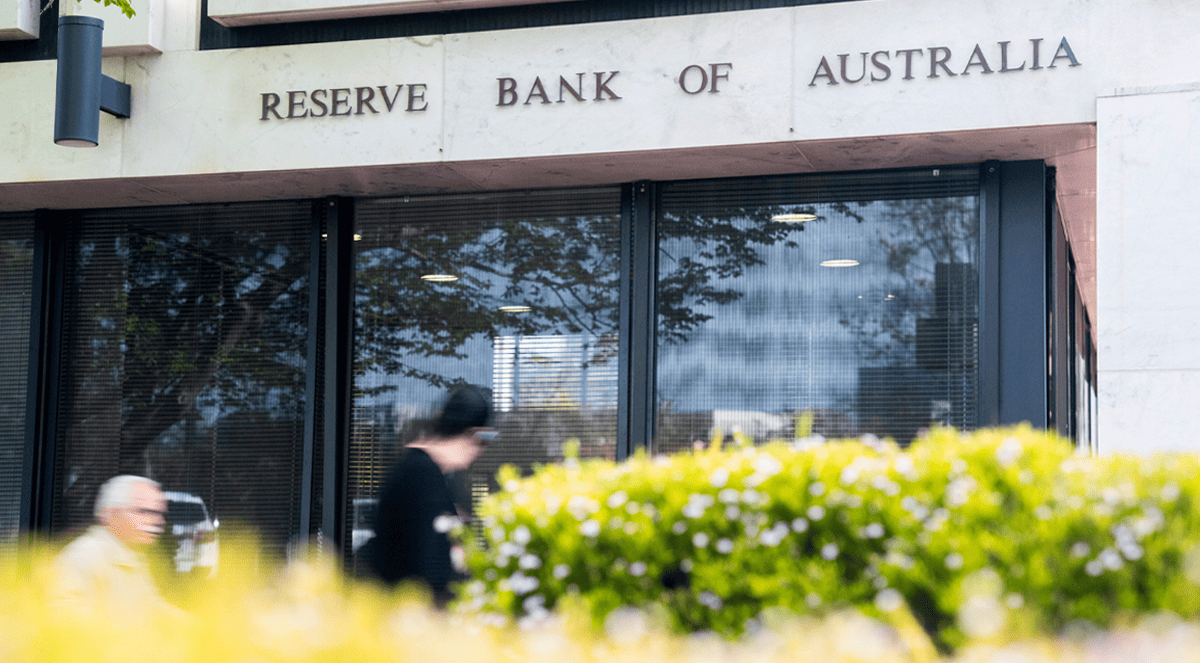
Image from ABC News
The Reserve Bank of Australia has left the cash rate on hold at 4.35% at its August 2026 Monetary Policy Board meeting.
The decision was widely expected, with financial markets pricing in virtually no chance of a rate rise before the decision was announced.
However, in what economists describe as a “hawkish hold”, the bank reiterated that inflation in Australia is still “too high” and signalled a willingness to raise interest rates again.
The details
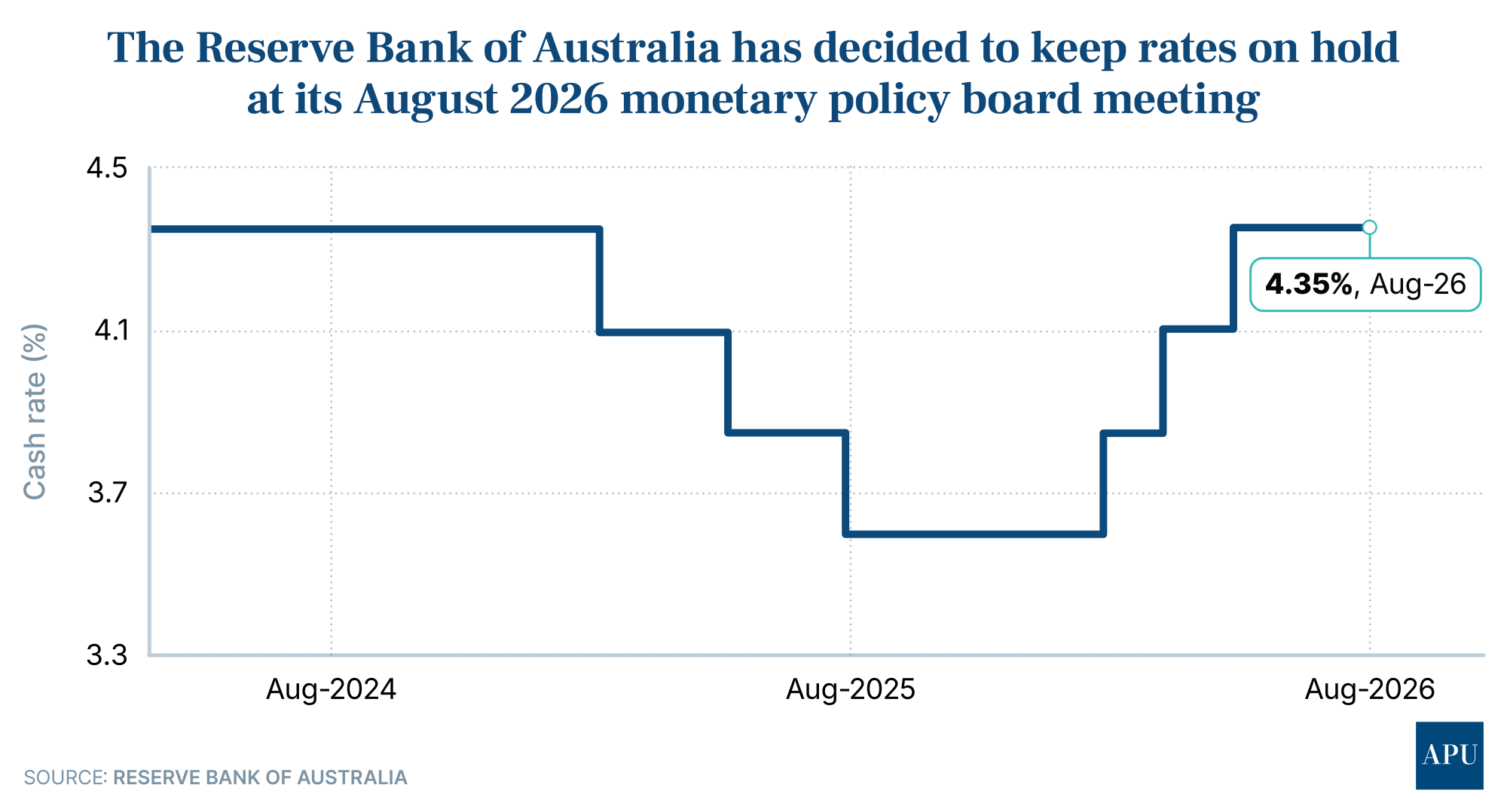
This is the second consecutive meeting at which the RBA has left the cash rate unchanged, after raising it to 4.35% in May - the third rate rise this year.
The decision was also unanimous, with all nine Board members voting for a hold.
In a statement accompanying the decision, the RBA acknowledged that its three interest rate rises this year had left financial conditions “tighter than they were”, with the economy appearing “to be slowing as expected”.
“But inflation is still too high,” the RBA says.
The RBA believes monetary policy is still “somewhat restrictive”, so the Board decided to leave the cash rate unchanged while it assesses more economic data.
“The Board will continue to do what it considers necessary to bring inflation sustainably back to target, including increasing the cash rate target further if upside risks materialise,” the statement declares.
Most observers were unsurprised by the decision.
“The latest labour market data showed slow growth in full-time employment, and historically this has heralded lower inflation,” says Economics Professor Geoffrey Kingston, from Sydney’s Macquarie University.
“The latest inflation data suggested overall a slight easing of inflationary pressures.”
Stephen Koukoulas from Market Economics agrees.
"Policy is tight enough to get inflation lower and the fallout from the decline in house prices will help to see inflation fall rapidly," he says.
The latest Australian Bureau of Statistics data showed headline inflation slowed to 3.8% in the year to June 2026, down from 4% in May.
The annual rate of trimmed mean inflation, the RBA’s preferred measure of underlying inflation, remained at 3.6%, defying expectations it would rise again.
The central bank is mandated to return inflation to a 2-3% target range, primarily using interest rates as a tool to achieve this.
Mortgage holders
The decision to leave rates on hold will come as a relief to households with a mortgage.
“Borrowers will understandably see this hold as another moment to catch their breath, but that relief is likely fleeting,” says Taylor Blackburn, personal finance specialist at comparison site Finder.
Mr Blackburn says nearly half of the 38 economists and finance experts surveyed in Finder’s regular RBA rate decision poll expect the central bank to raise rates again before the end of the year.
Many economists expect any further increase to come in November, after the RBA assesses Australia’s September quarter inflation figures, with markets pricing in about a 45% chance of an increase at that meeting.
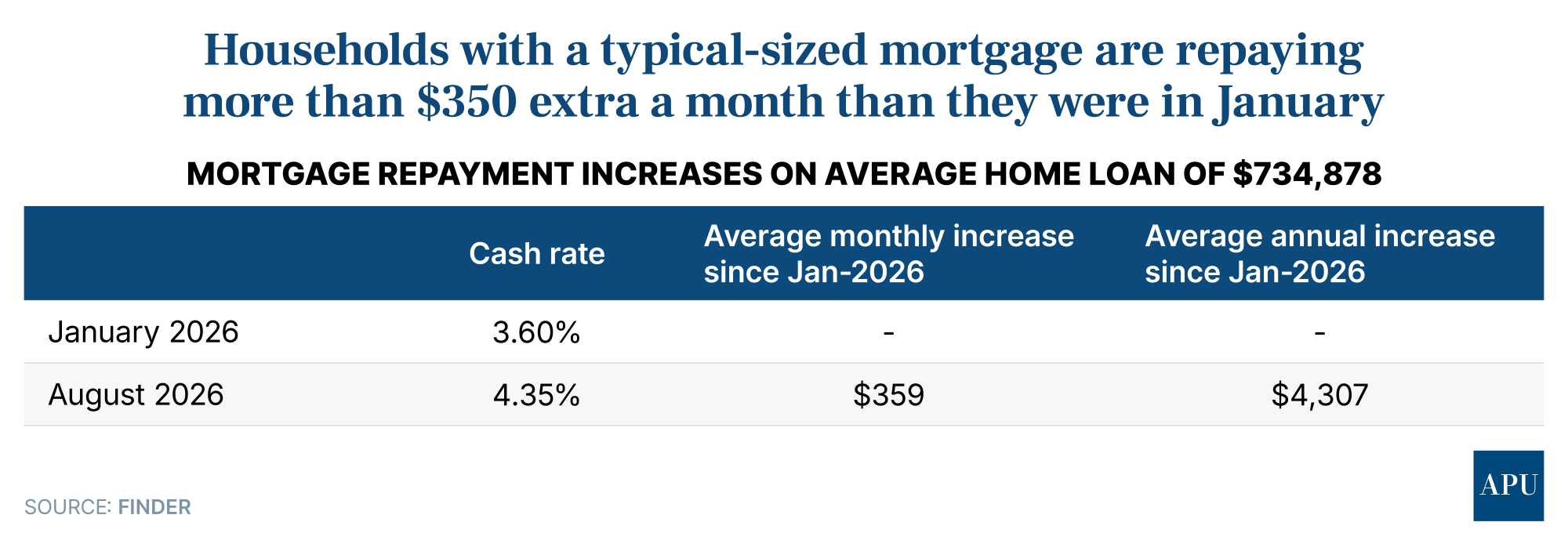
Finder analysis shows households with an average-sized home loan are now paying an extra $359 a month compared with the start of 2026 because of the February, March and May rate rises.
That equates to more than $4,300 in annual repayments.
Property market
So far, the three RBA rate hikes this year, combined with uncertainty over property tax changes announced in the May Federal Budget, have helped slow Australia’s housing market.
Cotality says national home values fell 0.7% in July 2026, led by Sydney, Melbourne and Canberra, with values also declining in Brisbane and Adelaide.
However, the data shows the weakness remains concentrated at the top end of the market, with upper-quartile values dropping 3.2% over three months while entry-level property values still rose 0.3%.
The RBA made a reference to this in the statement accompanying the rate decision.
“Momentum in the housing market has shifted, with housing prices falling in some capital cities and new housing loans declining noticeably,” it declared.
"Home prices and housing market conditions are expected to remain soft over the back half of this year, as the effect of the three hikes earlier in the year, and the tax changes in the Budget, continue to flow through,” says REA Group Senior Economist Angus Moore.
“But we’re likely to see a turning point late this year or early next, as the cash rate stabilises and the uncertainty from the Budget washes out," he says.




.jpg?width=1920&height=1080&name=WTF%20Is%20Happening%20To%20The%20Housing%20Market!%20$500%20Billion%20Wiped%20Out%20As%20Prices%20Fall%20Faster%20Every%20Month%20Scott%20Kuru%20YPU%20027%20(1).jpg)
%20Scott%20Kuru%20YPU%20025.jpg?width=1920&height=1080&name=This%20Is%20Worse%20Than%20A%20Recession%20RBA%20Admits%20Australias%20Wage%20Collapse%20Cant%20Be%20Stopped%20(Prepare%20Now)%20Scott%20Kuru%20YPU%20025.jpg)























.jpg?width=1920&height=1080&name=EXPOSED%20How%20The%20Govt%20Let%20These%20Oil%20Giants%20Get%20Away%20With%20Paying%20Zero%20Tax%20For%20Aussie%20Gas%20Scott%20Kuru%20DPU%20256%20(1).jpg)






%20Scott%20Kuru%20DPU%20248.jpg?width=1920&height=1080&name=Major%20Banks%20CAUGHT%20Preparing%20For%20Australia%E2%80%99s%20Biggest%20Housing%20Crash%20(Defaults%20%26%20Bankruptcies%20Coming)%20Scott%20Kuru%20DPU%20248.jpg)
%20Scott%20Kuru%20DPU%20247.jpg?width=1920&height=1080&name=This%20Is%20How%20Australia%20Gets%20Pushed%20Into%20the%20Next%20Big%20Reset%20(Trust%20Collapse%20Has%20Officially%20Begun)%20Scott%20Kuru%20DPU%20247.jpg)







%20Scott%20Kuru%20DPU%20239.jpg?width=1920&height=1080&name=URGENT%20Life%20In%20Australia%20Has%20Become%20Impossible%20For%20Millions%20Of%20Aussies%20(It%E2%80%99s%20About%20To%20Get%20Worse)%20Scott%20Kuru%20DPU%20239.jpg)










%20Scott%20Kuru%20DPU%20227.jpg?width=1920&height=1080&name=URGENT%20ALERT%20Australia%E2%80%99s%20Property%20Market%20Is%20Sliding%20Into%20Something%20Much%20Bigger%20(Prepare%20Now)%20Scott%20Kuru%20DPU%20227.jpg)





%20Scott%20Kuru%20DPU%20221.jpg?width=1920&height=1080&name=The%20AI%20Situation%20in%20Australia%20Just%20Hit%20a%20Point%20of%20No%20Return...%20(Major%20Bank%20Proves%20It)%20Scott%20Kuru%20DPU%20221.jpg)