









.png?width=292&height=292&name=Copy%20Link%20(1).png)

 SIGN UP FOR FREE NEWSLETTER

Australia’s housing debate has long been framed as a choice between squeezing more people into the existing footprint of our capital cities or pushing ever further out into sprawling new “greenfield” housing estates on the urban fringe.
But new research suggests a third option has been hiding in plain sight.
Analysis from urban consultancy Urbis argues that so-called “peri-urban” or commuter townships on the fringes of major cities could play a far bigger role in solving both the housing shortage and the nation’s productivity problem, if governments are willing to rethink how they plan for growth.
The details
Urbis Director Evan Granger says policymakers have for too long been focused on traditional metropolitan boundaries, overlooking well-connected regional centres that already offer access to jobs, infrastructure and more affordable housing.
“Many peri-urban townships are far closer to Australia’s largest job markets than our planning frameworks assume – offering access, choice and connectivity well beyond what their size suggests,” Mr Granger says.
In a recent submission to a federal productivity inquiry, Evan Granger and Urbis argued that many of these smaller townships already have the fundamentals needed to support population growth, particularly those located along established rail corridors.
These areas often combine lower housing costs with good access to city jobs, making them increasingly attractive in a post-pandemic world shaped by hybrid work.
“Our submission argued that these townships represent a practical and scalable productivity lever,” Mr Granger says.
“They also provide a distinct lifestyle alternative to the suburbs, while remaining connected to city jobs.”
Urbis says a noticeable shift to these peri-urban areas is already underway.
For example, during and after the pandemic, towns within commuting distance of Melbourne - such as Gisborne (55kms to the north-west of the CBD) - saw a surge in demand, as buyers chased space and affordability without completely disconnecting from the city.
To test the potential of these locations, Urbis analysed how many jobs residents in peri-urban areas near Melbourne could realistically access via public transport during the morning peak.
Rather than focusing on distance, the study used a time-based approach - extending the traditional 60-minute commute threshold to 75 minutes, to reflect more flexible working patterns.
“This approach allows us to move beyond distance-based assumptions, and instead focus on time-based access to jobs,” Mr Granger says.
The results were striking.
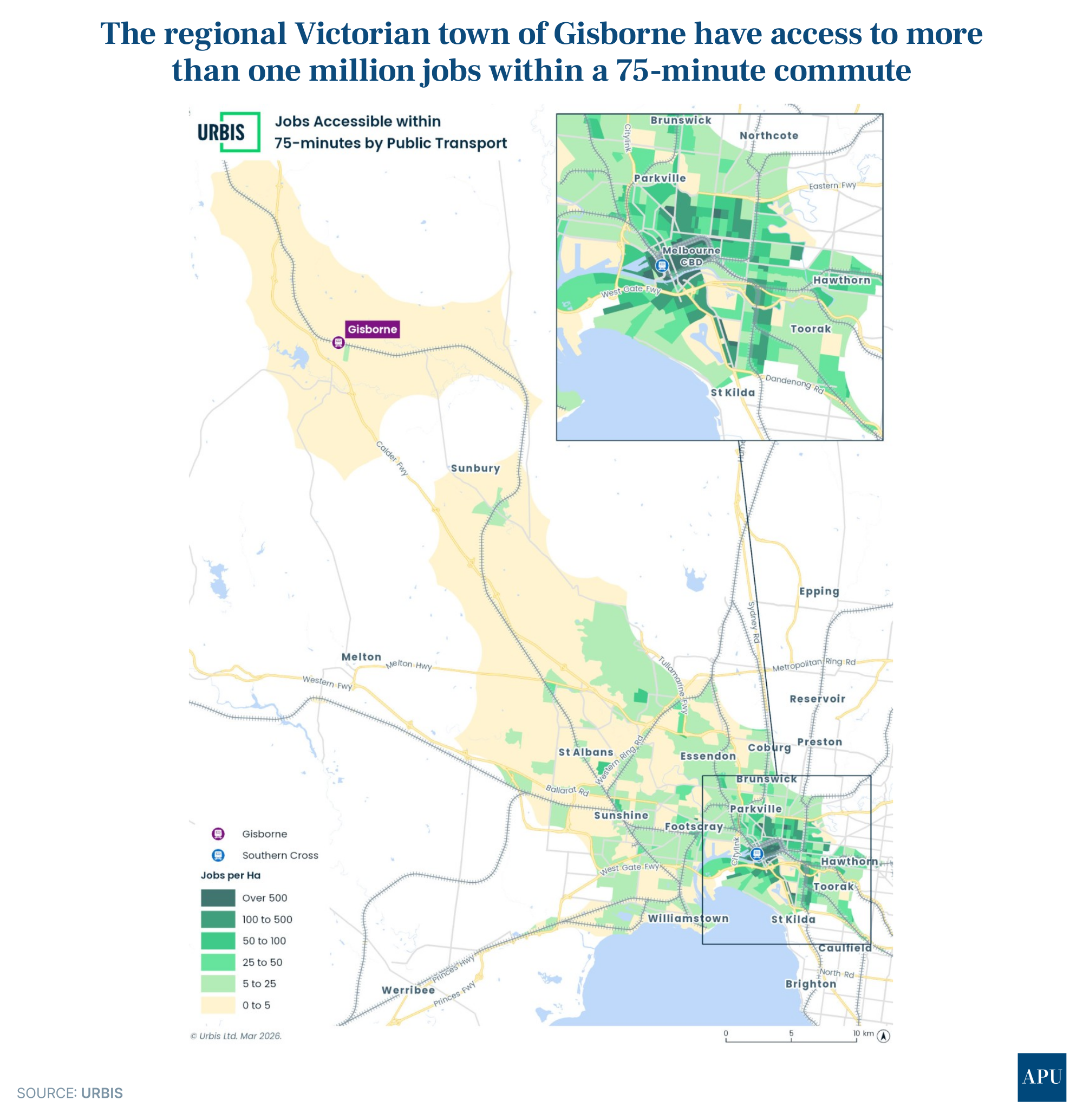
Along the rail line between Melbourne and the major regional city of Bendigo, several townships - including Gisborne - were found to sit within reach of more than one million jobs within that 75-minute window, despite having relatively small populations.
“Importantly,” Evan Granger says, “this access is not limited to the central city.”
“Peri-urban stations on the Bendigo Line can reach established suburban employment clusters extending as far east as Camberwell and south-east to Caulfield, reflecting the benefits of fast access into the CBD and onward interchange across the metropolitan network.
“There is also a regional dimension to this opportunity,” he says.
“Residents of these townships can access employment in Bendigo itself, benefiting from contra‑flow travel that is typically less congested.”
Urbis found a similar pattern evident for towns like Ballan on the Ballarat-Melbourne rail line.
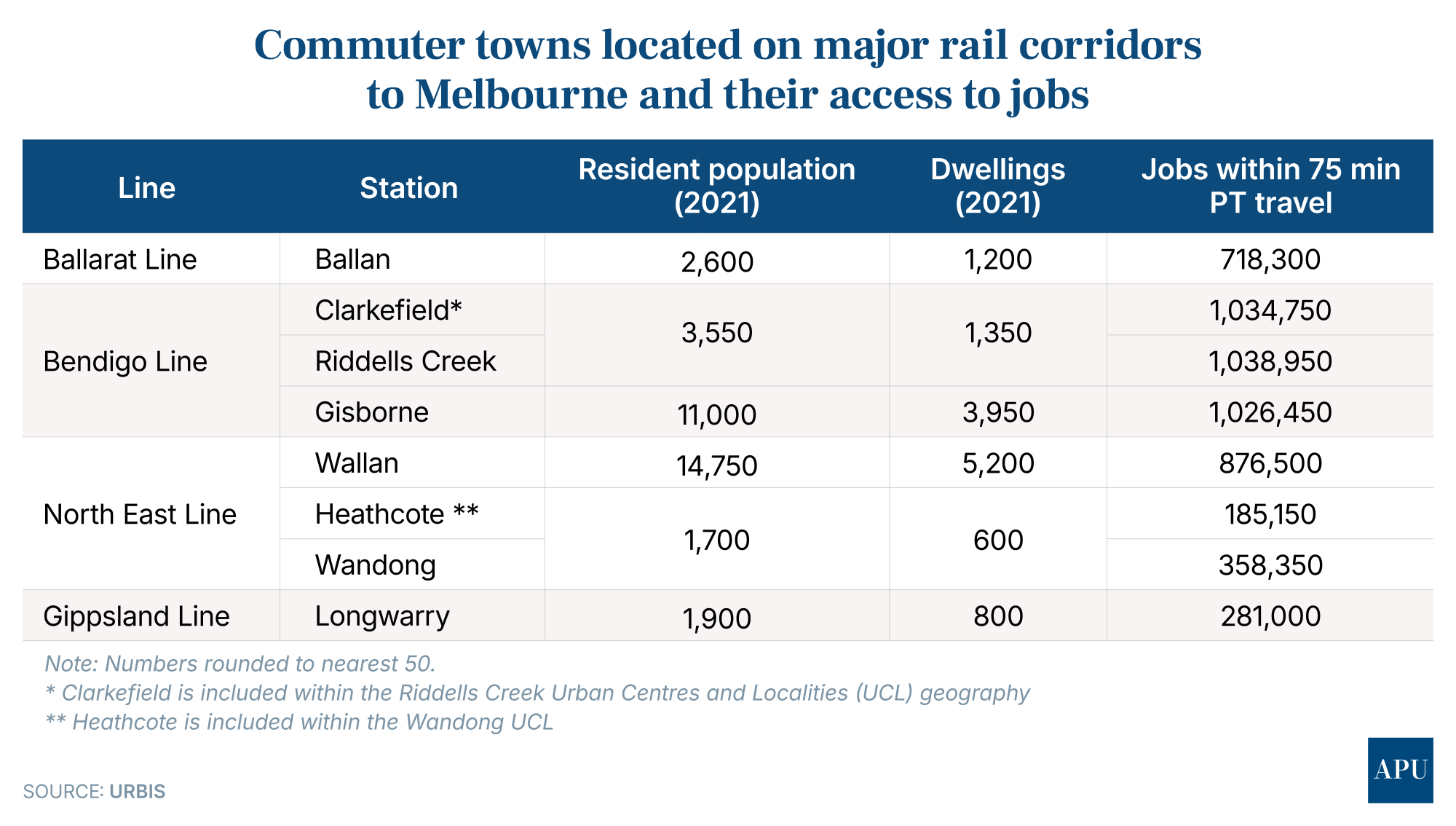
Wallan to Melbourne's north (on the Melbourne to Albury-Wodonga line), was found to have access to close to 900,000 jobs, thanks to rail connections into the CBD and beyond.
However, the picture wasn’t uniform.
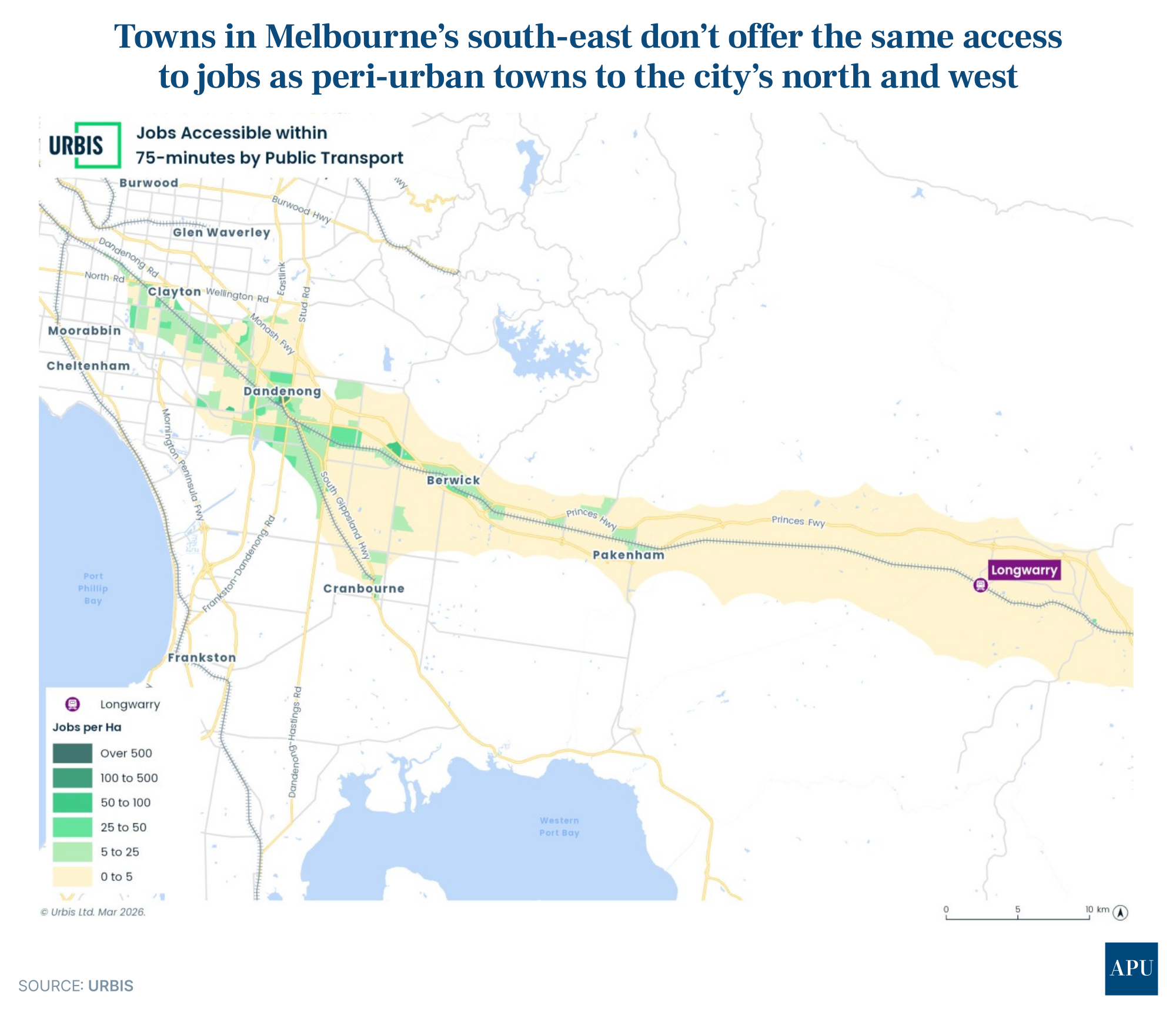
Townships along the Gippsland corridor to Melbourne’s south-east showed far more limited job access, highlighting how transport infrastructure and service frequency play a critical role in determining which areas can support growth.
With housing affordability deteriorating in major cities and growing pushback to high-density development in well-established urban areas, Urbis says expansion in commuter towns offers a middle ground.
“Arguably, investing in peri-urban townships offers a compelling ‘third way’ for housing and economic growth,” Director Evan Granger says.
“It is neither conventional greenfield expansion… nor intensive infill within established urban areas.”

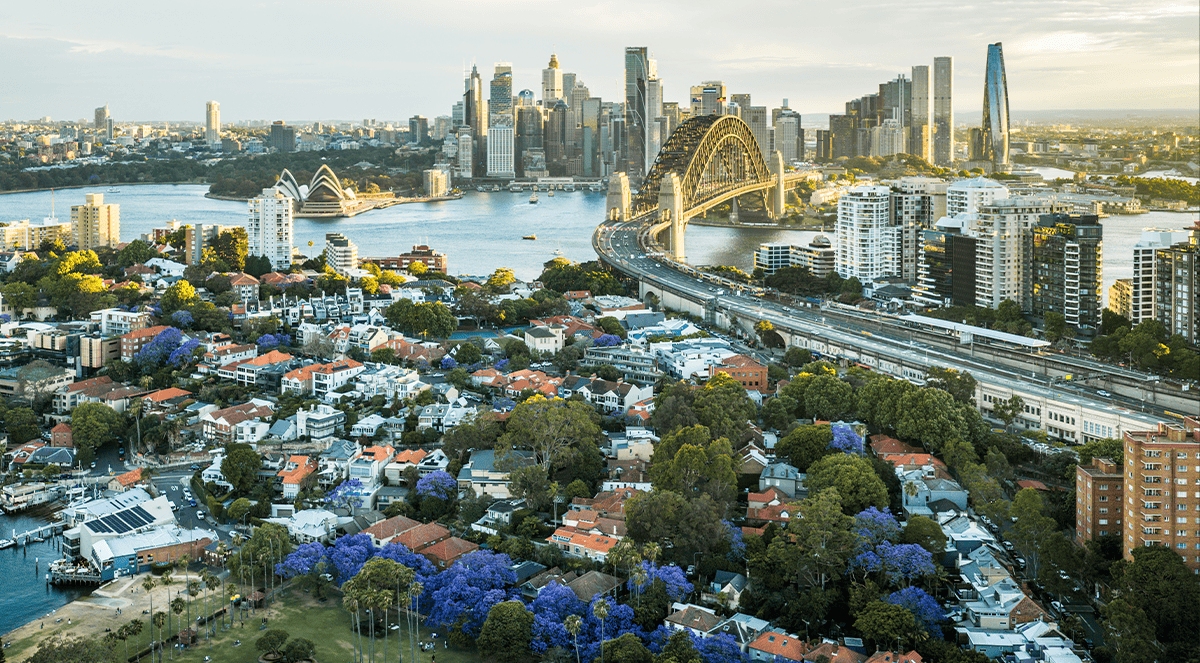
Instead, the approach focuses on growing existing towns that already have infrastructure, services and transport links in place.
The benefits, according to Urbis, could be significant - ranging from improved housing affordability and greater choice, to better use of existing rail networks and stronger regional economies.
Urbis argues that aligning future housing growth with well-connected peri-urban areas could unlock substantial economic gains.
In the case of Melbourne, this would be amplified as major infrastructure projects like the Suburban Rail Loop and Melbourne Airport Rail come online.
But Urbis warns that realising this potential will require coordinated action across all levels of government.
“Unlocking this opportunity will require political will and a coordinated approach,” Mr Granger says.
“But in our view, the payoff is large: access to jobs, services and opportunity for households, and a more productive, resilient settlement pattern for the state.
“Peri-urban townships are already connected into the economies of our capital cities,” he concludes.
“The big question is whether we grasp this opportunity, or continue to overlook it?”







.jpg?width=1920&height=1080&name=WTF%20Is%20Happening%20To%20The%20Housing%20Market!%20$500%20Billion%20Wiped%20Out%20As%20Prices%20Fall%20Faster%20Every%20Month%20Scott%20Kuru%20YPU%20027%20(1).jpg)

%20Scott%20Kuru%20YPU%20025.jpg?width=1920&height=1080&name=This%20Is%20Worse%20Than%20A%20Recession%20RBA%20Admits%20Australias%20Wage%20Collapse%20Cant%20Be%20Stopped%20(Prepare%20Now)%20Scott%20Kuru%20YPU%20025.jpg)





























.jpg?width=1920&height=1080&name=EXPOSED%20How%20The%20Govt%20Let%20These%20Oil%20Giants%20Get%20Away%20With%20Paying%20Zero%20Tax%20For%20Aussie%20Gas%20Scott%20Kuru%20DPU%20256%20(1).jpg)







%20Scott%20Kuru%20DPU%20248.jpg?width=1920&height=1080&name=Major%20Banks%20CAUGHT%20Preparing%20For%20Australia%E2%80%99s%20Biggest%20Housing%20Crash%20(Defaults%20%26%20Bankruptcies%20Coming)%20Scott%20Kuru%20DPU%20248.jpg)
%20Scott%20Kuru%20DPU%20247.jpg?width=1920&height=1080&name=This%20Is%20How%20Australia%20Gets%20Pushed%20Into%20the%20Next%20Big%20Reset%20(Trust%20Collapse%20Has%20Officially%20Begun)%20Scott%20Kuru%20DPU%20247.jpg)







%20Scott%20Kuru%20DPU%20239.jpg?width=1920&height=1080&name=URGENT%20Life%20In%20Australia%20Has%20Become%20Impossible%20For%20Millions%20Of%20Aussies%20(It%E2%80%99s%20About%20To%20Get%20Worse)%20Scott%20Kuru%20DPU%20239.jpg)











%20Scott%20Kuru%20DPU%20227.jpg?width=1920&height=1080&name=URGENT%20ALERT%20Australia%E2%80%99s%20Property%20Market%20Is%20Sliding%20Into%20Something%20Much%20Bigger%20(Prepare%20Now)%20Scott%20Kuru%20DPU%20227.jpg)





%20Scott%20Kuru%20DPU%20221.jpg?width=1920&height=1080&name=The%20AI%20Situation%20in%20Australia%20Just%20Hit%20a%20Point%20of%20No%20Return...%20(Major%20Bank%20Proves%20It)%20Scott%20Kuru%20DPU%20221.jpg)