









.png?width=292&height=292&name=Copy%20Link%20(1).png)

 SIGN UP FOR FREE NEWSLETTER
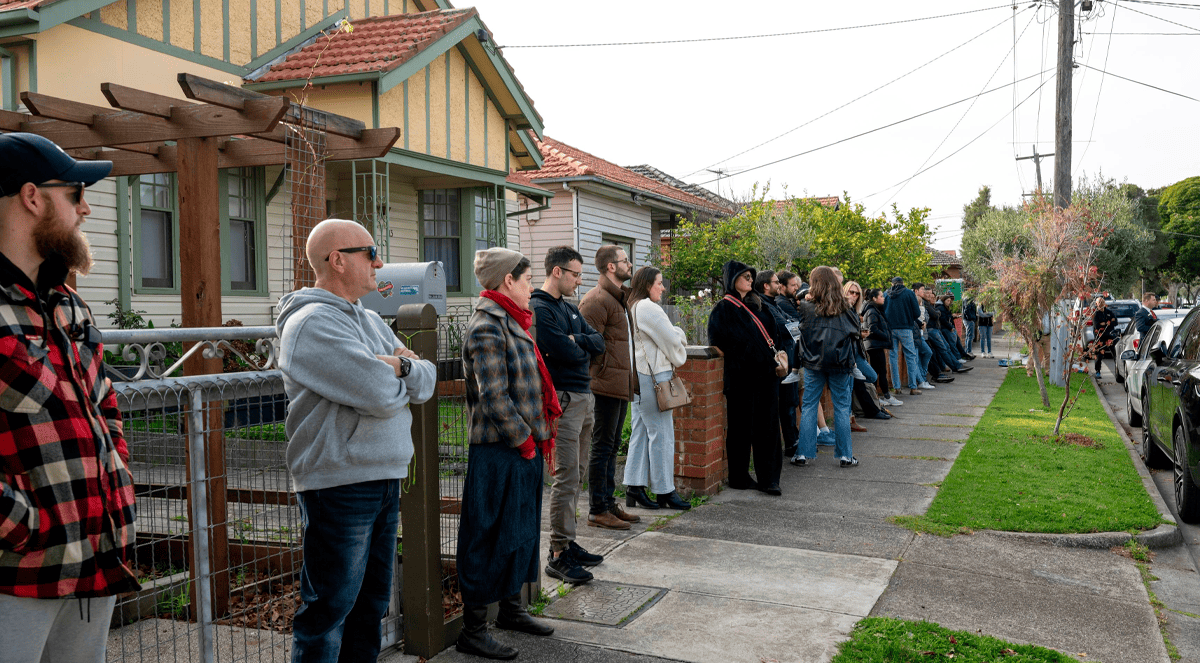
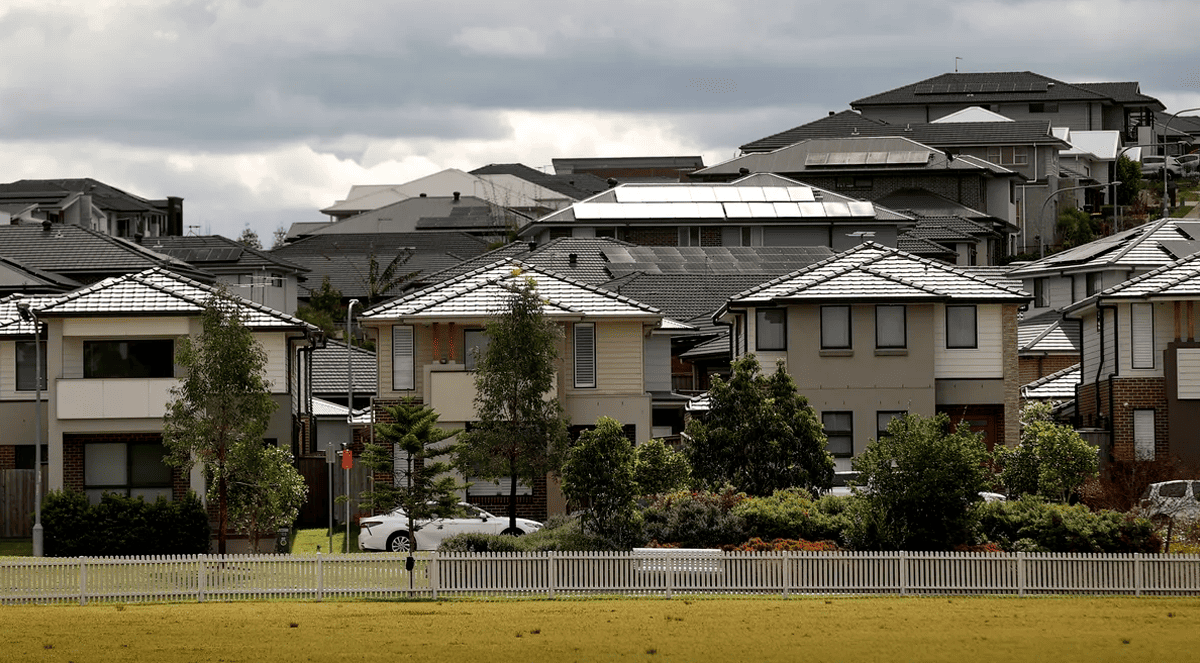
Image by Penny Stephens/SMH
New data from Domain and REA Group shows Australia’s rental crisis appears to be entering a new phase.
Vacancy rates are at record lows and demand remains intense, but rents are no longer surging everywhere.
Instead, some areas are starting to hit a rental ceiling, which is starting to reshape the market.
Domain Group
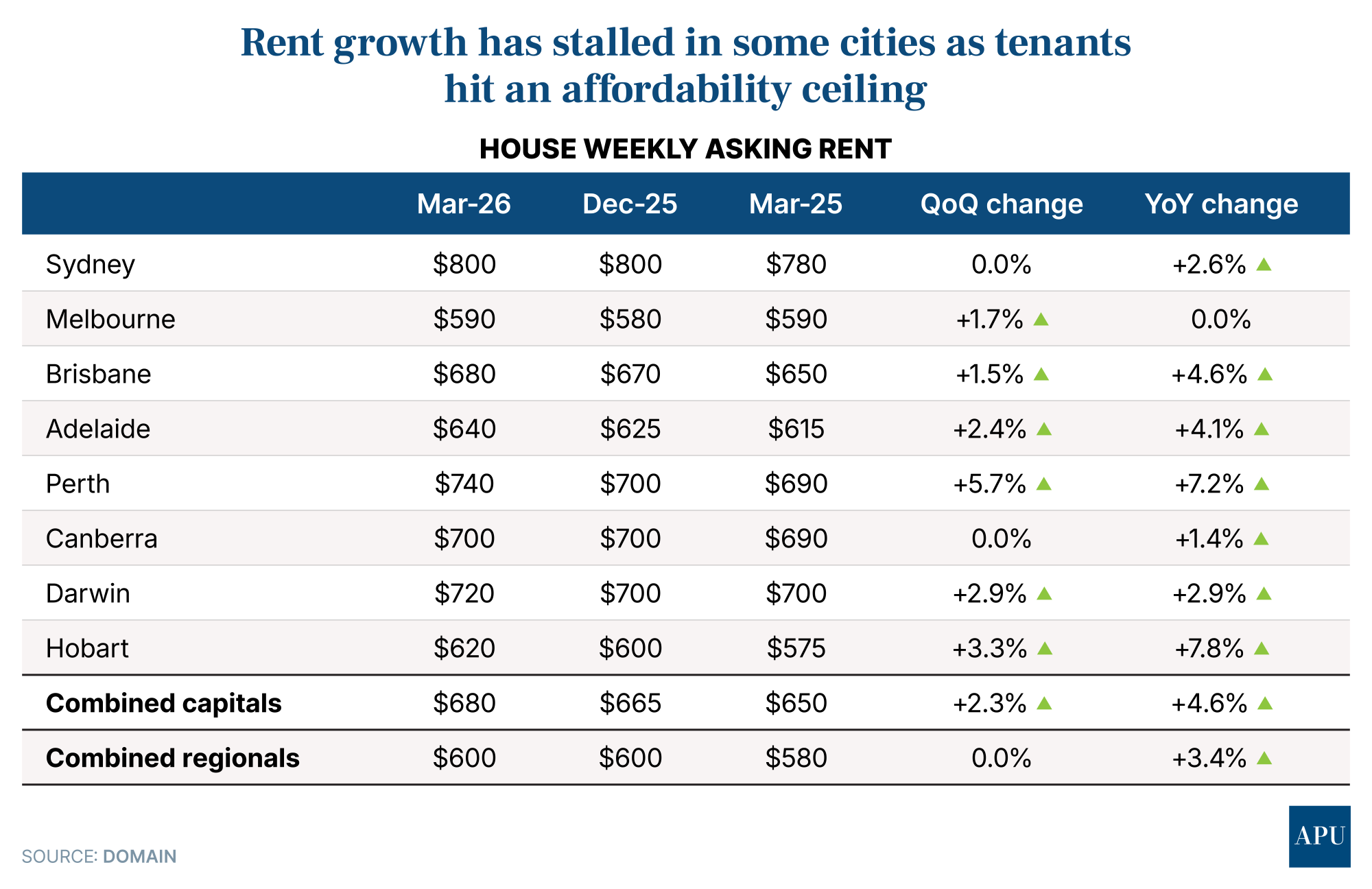
The latest quarterly numbers from Domain Group show just how extreme conditions for tenants have become.
National vacancy rates have fallen to a record low of 0.7%, with some cities even tighter.
In Perth, rental vacancies are just 0.3%.
In Hobart and Darwin, they’ve dropped to 0.2%.
Under normal circumstances, that kind of shortage would trigger rapid rent increases across the board.
But this time, it hasn’t.
“We’re still seeing the same underlying conditions of high demand and low supply pushing rents up, but now unaffordability is putting the brakes on how much further they can go,” says Dr Nicola Powell, Domain’s Chief of Research and Economics.
“Usually, a low vacancy rate translates immediately into rental growth, but that connection is now loosening, as such shockingly high rents are pushing people’s budgets to the extreme.
“Along with the cost of living rises and fuel costs and the uncertainty generally in the economy, tenants are having to find alternatives,” Dr Powell says.
Those alternatives are becoming increasingly visible.
Renters are moving further from city centres, switching from houses to units, or in many cases, moving back in with family or sharing accommodation.
Domain’s 2026 March quarter data highlights just how uneven conditions have become.
In Sydney, still the country’s most expensive capital city rental market, median house rents are holding steady at a record $800 a week, while unit rents have plateaued at $750.
It’s the first time in years that rents in Australia’s largest city have stopped rising, despite vacancy rates tightening to just 0.8%.
Other cities are seeing more movement, but the pace is uneven.
Perth remains the standout, with house rents jumping 5.7% over the quarter to a median of $740 a week, the strongest growth in the country.
Hobart followed with a 3.3% rise, while Adelaide, Melbourne and Brisbane all recorded more modest gains.
In Canberra, rents didn’t rise at all.
The pattern is clear: supply remains critically tight, but renters’ ability to pay is now the main limiting factor to further rent growth.
That pressure is also reshaping what people rent.
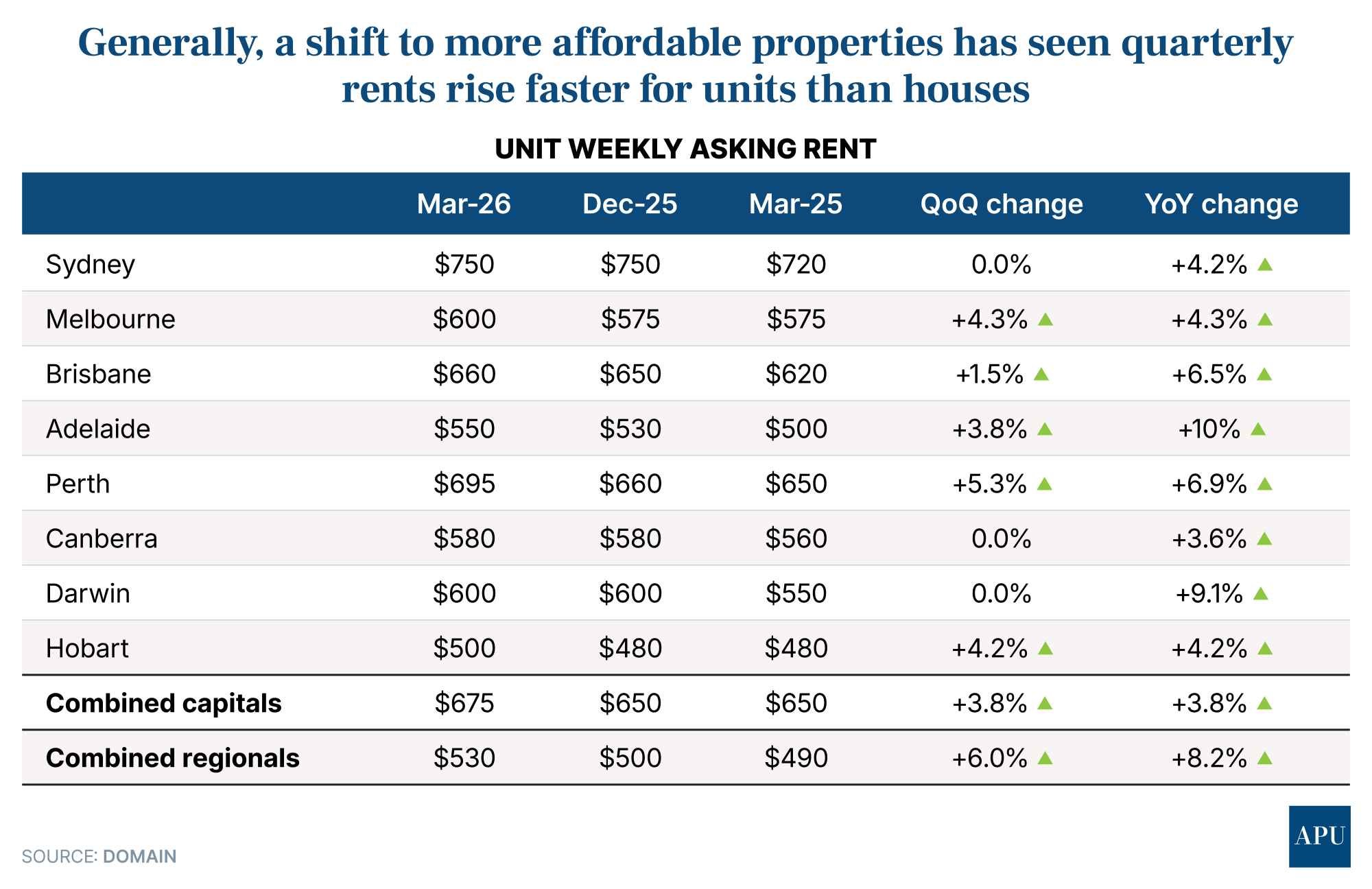
Units are increasingly in demand as tenants look for more affordable options, pushing up prices in that segment even as house rents begin to stall in some markets.
Across Australia’s capital cities, unit rents rose strongly in the March quarter, with Melbourne up 4.3% and Perth up 5.3%.
The shift reflects a broader behavioural change, as households adapt to a market where traditional options are becoming unaffordable.
Interestingly, the Domain figures show that while Sydney is the most unaffordable capital, the Gold Coast has emerged as the country’s most expensive city.
A dire shortage of housing has seen rents rise to an eye-watering median of $900 per week in the popular Queensland tourist destination.
REA Group
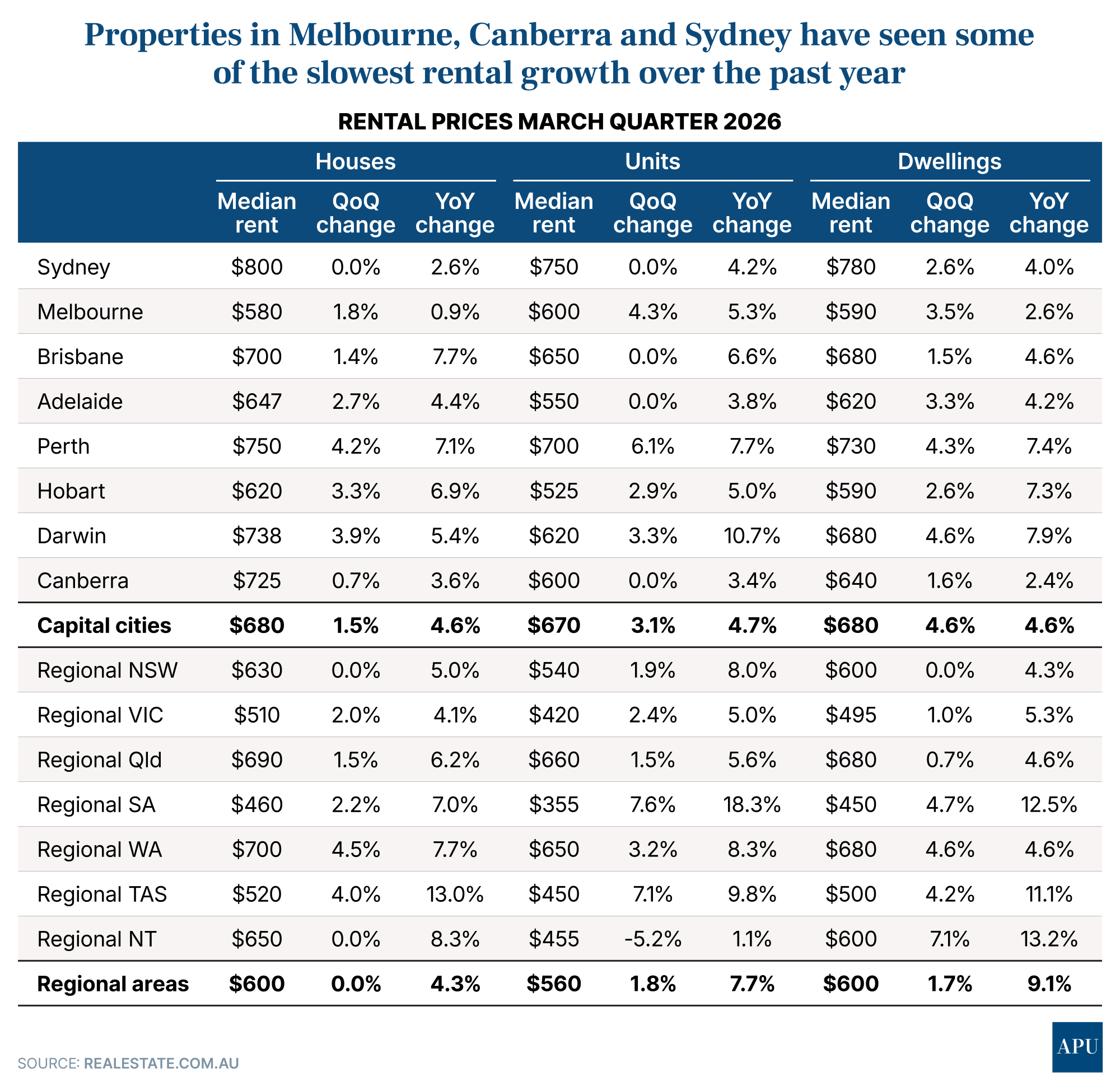
Data from REA Group’s realestate.com.au paints a similar picture, but with a slightly different emphasis.
Its latest PropTrack quarterly figures show rents across capital cities rose 4.6% over the past year, with the median now sitting at $680 per week.
That’s still a significant increase, but it’s well below the rental growth rates seen in recent years.
“While still firm, rent growth remains below the peak levels seen in 2022 and 2023, as somewhat improved rental availability, as well as strained rental affordability, has slowed the pace of rent increases,” says REA Group Senior Economist Angus Moore.
Rents are still rising, just not as quickly as before, with the slowdown appearing to be driven by the same factor highlighted in the Domain data: affordability.
The national figures also mask large differences between cities.
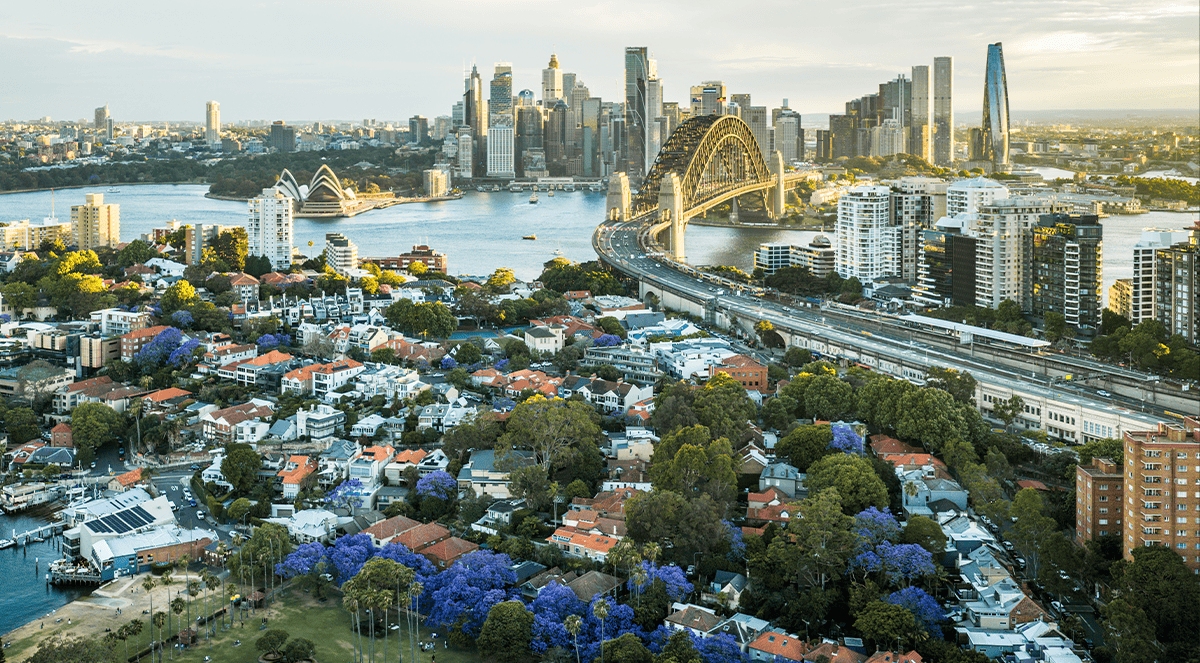
“Sydney remains the most expensive city to rent in, with rents $50 more than Perth per week – though Perth has been closing the gap in recent years,” Angus Moore says.
At the other end of the spectrum, Melbourne is emerging as one of the more affordable options.
“Melbourne is the equal cheapest capital city to rent in, alongside Hobart.
“Those lower rents, relative to the rest of the country, coupled with Melbourne’s higher average income means Victoria remains, by far, the country’s most affordable state for renters,” Mr Moore says.
The key word there is “relative”.
In absolute terms, rents across the country remain near record highs, and for many households, the pressure is still intensifying.
“Looking ahead, the slight improvement in rental availability should see the more modest pace of rent growth recorded over the past 12 months continue throughout the rest of this year,” REA Group’s Angus Moore says.
Vacancy rates remain near historic lows, supply is still constrained, and population growth continues to drive demand.
What appears to have changed is the capacity of tenants to absorb further rent increases.



.jpg?width=1920&height=1080&name=WTF%20Is%20Happening%20To%20The%20Housing%20Market!%20$500%20Billion%20Wiped%20Out%20As%20Prices%20Fall%20Faster%20Every%20Month%20Scott%20Kuru%20YPU%20027%20(1).jpg)
%20Scott%20Kuru%20YPU%20025.jpg?width=1920&height=1080&name=This%20Is%20Worse%20Than%20A%20Recession%20RBA%20Admits%20Australias%20Wage%20Collapse%20Cant%20Be%20Stopped%20(Prepare%20Now)%20Scott%20Kuru%20YPU%20025.jpg)






















.jpg?width=1920&height=1080&name=EXPOSED%20How%20The%20Govt%20Let%20These%20Oil%20Giants%20Get%20Away%20With%20Paying%20Zero%20Tax%20For%20Aussie%20Gas%20Scott%20Kuru%20DPU%20256%20(1).jpg)






%20Scott%20Kuru%20DPU%20248.jpg?width=1920&height=1080&name=Major%20Banks%20CAUGHT%20Preparing%20For%20Australia%E2%80%99s%20Biggest%20Housing%20Crash%20(Defaults%20%26%20Bankruptcies%20Coming)%20Scott%20Kuru%20DPU%20248.jpg)
%20Scott%20Kuru%20DPU%20247.jpg?width=1920&height=1080&name=This%20Is%20How%20Australia%20Gets%20Pushed%20Into%20the%20Next%20Big%20Reset%20(Trust%20Collapse%20Has%20Officially%20Begun)%20Scott%20Kuru%20DPU%20247.jpg)







%20Scott%20Kuru%20DPU%20239.jpg?width=1920&height=1080&name=URGENT%20Life%20In%20Australia%20Has%20Become%20Impossible%20For%20Millions%20Of%20Aussies%20(It%E2%80%99s%20About%20To%20Get%20Worse)%20Scott%20Kuru%20DPU%20239.jpg)








%20Scott%20Kuru%20DPU%20227.jpg?width=1920&height=1080&name=URGENT%20ALERT%20Australia%E2%80%99s%20Property%20Market%20Is%20Sliding%20Into%20Something%20Much%20Bigger%20(Prepare%20Now)%20Scott%20Kuru%20DPU%20227.jpg)





%20Scott%20Kuru%20DPU%20221.jpg?width=1920&height=1080&name=The%20AI%20Situation%20in%20Australia%20Just%20Hit%20a%20Point%20of%20No%20Return...%20(Major%20Bank%20Proves%20It)%20Scott%20Kuru%20DPU%20221.jpg)