









.png?width=292&height=292&name=Copy%20Link%20(1).png)

 SIGN UP FOR FREE NEWSLETTER
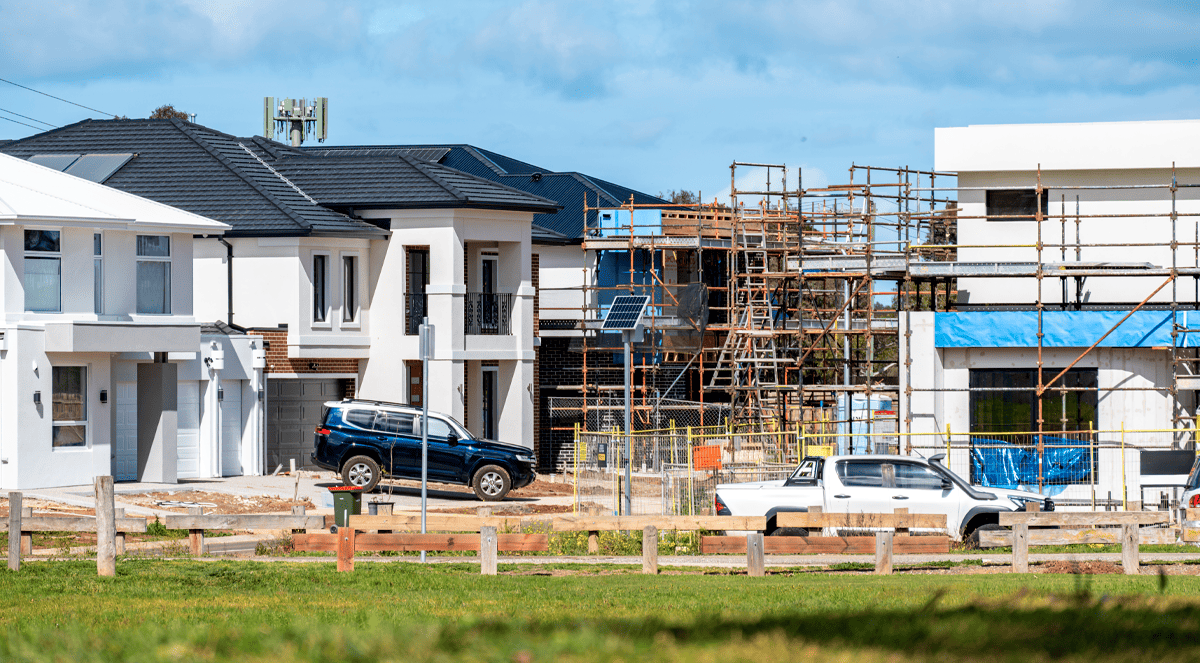
The Albanese government's property tax overhaul has generated plenty of heat since budget night.
But according to one of Australia's most respected property research firms, most of the commentary has missed important details.
Charter Keck Cramer, which advises major developers and institutional investors, has taken a careful look at what the changes actually mean for different parts of the property market.
Their verdict?
This is the biggest shake-up in 30 years - and the full impact is only starting to sink in.
"Our initial discussions with the industry suggest that many will be adopting a 'go slow' approach," says Richard Temlett, Charter's National Executive Director of Research, an observation that does not bode well for the government’s hopes of stimulating more housing supply.
Charter Keck Cramer’s analysis suggested that some developers are re-running risk and capital calculations, while others are simply waiting to see how the dust settles.
Winners:
Buried beneath all the noise about negative gearing and capital gains tax is a group of property sectors that stand to gain from the budget measures.
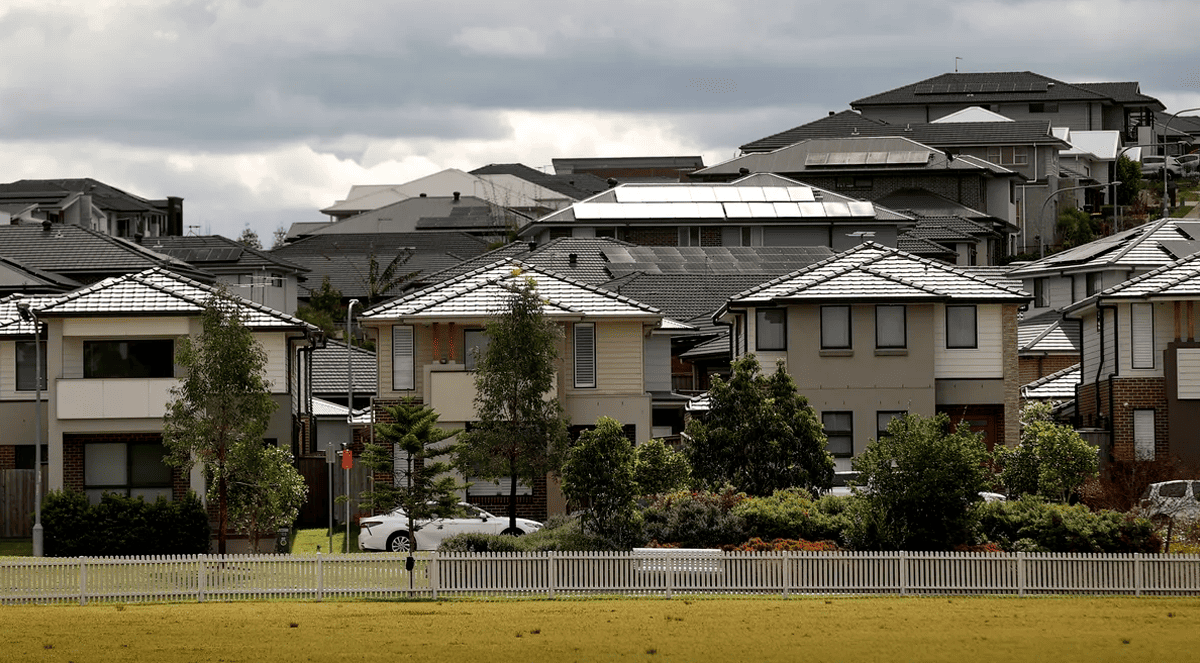
The house-and-land market looks well placed.
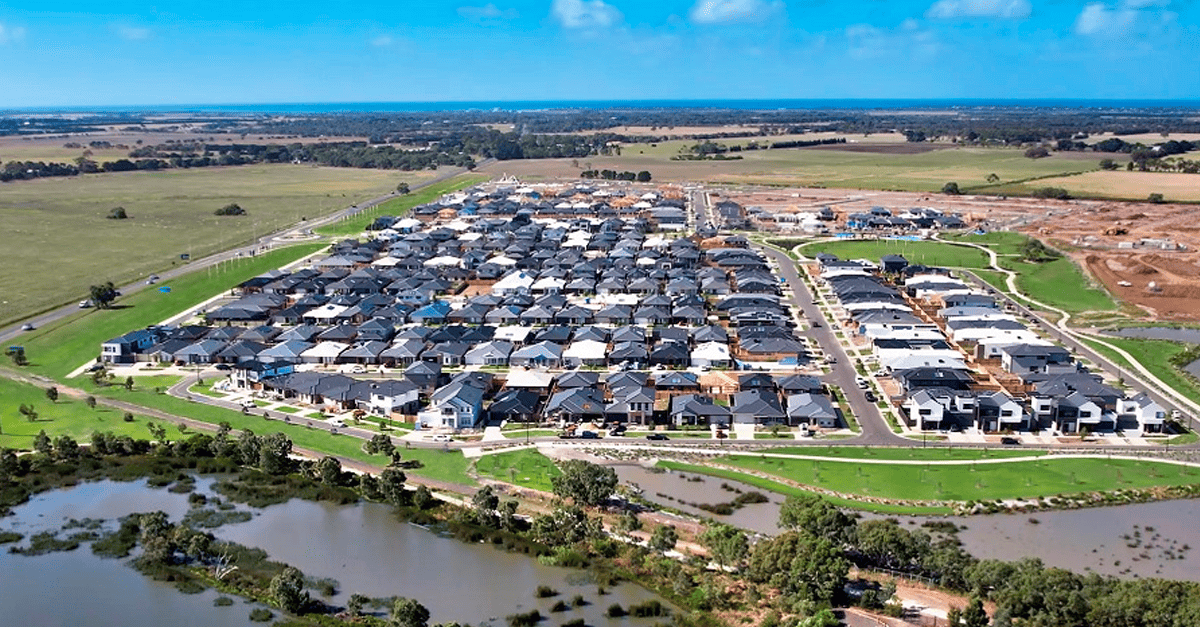
The expanded First Home Guarantee, the Help to Buy scheme, and a new $2 billion “last mile” infrastructure fund unveiled in the budget - designed to get roads, water and sewerage built faster so new housing estates can actually proceed - all point in the right direction for greenfield development.
This will lead first-home buyers to have to continue to compete with investors for new dwellings, which Charter Keck Cramer says “will manifest differently across various submarkets, product types and price points.”
The advisory firm says affordable housing is another clear beneficiary.
The 60% capital gains tax discount for qualifying affordable housing has been kept in full and a fresh round of funding from the Housing Australia Future Fund is targeting more than 21,000 new social and affordable homes.
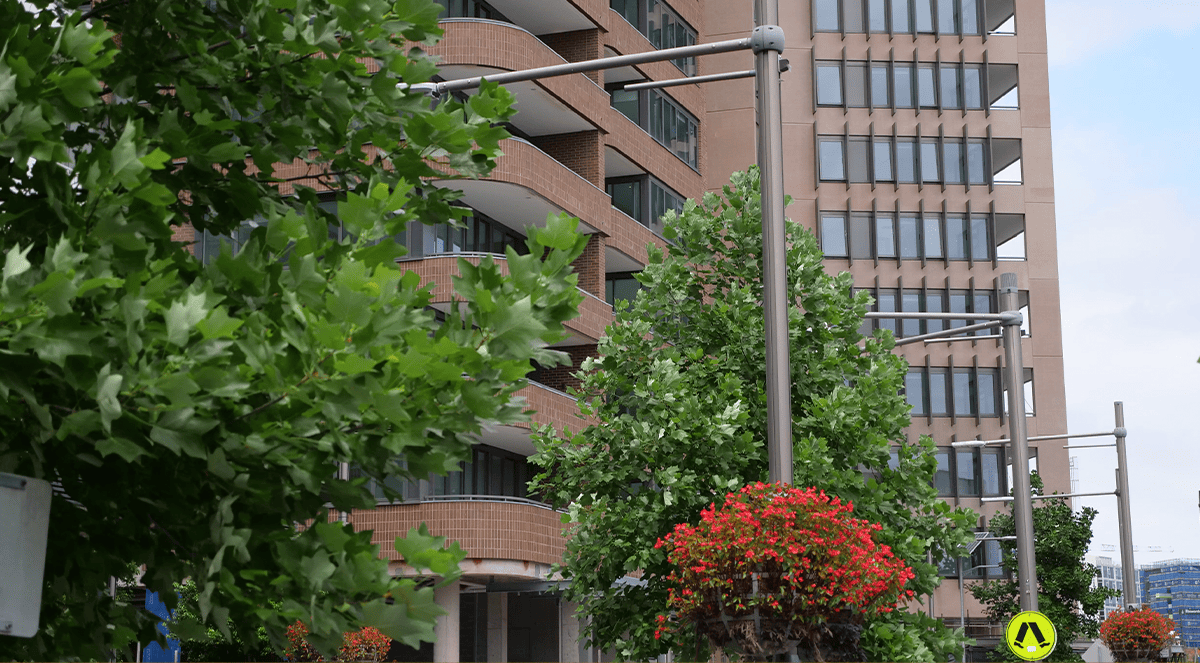
But Charter Keck Cramer says Build-to-Rent apartments - the large-scale, professionally managed rental developments increasingly common in Sydney and Melbourne - come out as the single biggest winner.
They keep their favourable tax treatment, they've been carved out of the foreign buyer ban and the negative gearing changes, and if rents rise as expected, Charter Keck Cramer says the investment case for BTR only gets stronger.
Losers:
So-called “Mum-and-Dad” investors who buy established properties after budget night are the most obvious group to feel the pinch, with negative gearing losses no longer deductible against their salaried income and a less generous CGT regime on the way.
But Charter Keck Cramer points to another group that may bear some of the heaviest costs: ordinary renters.
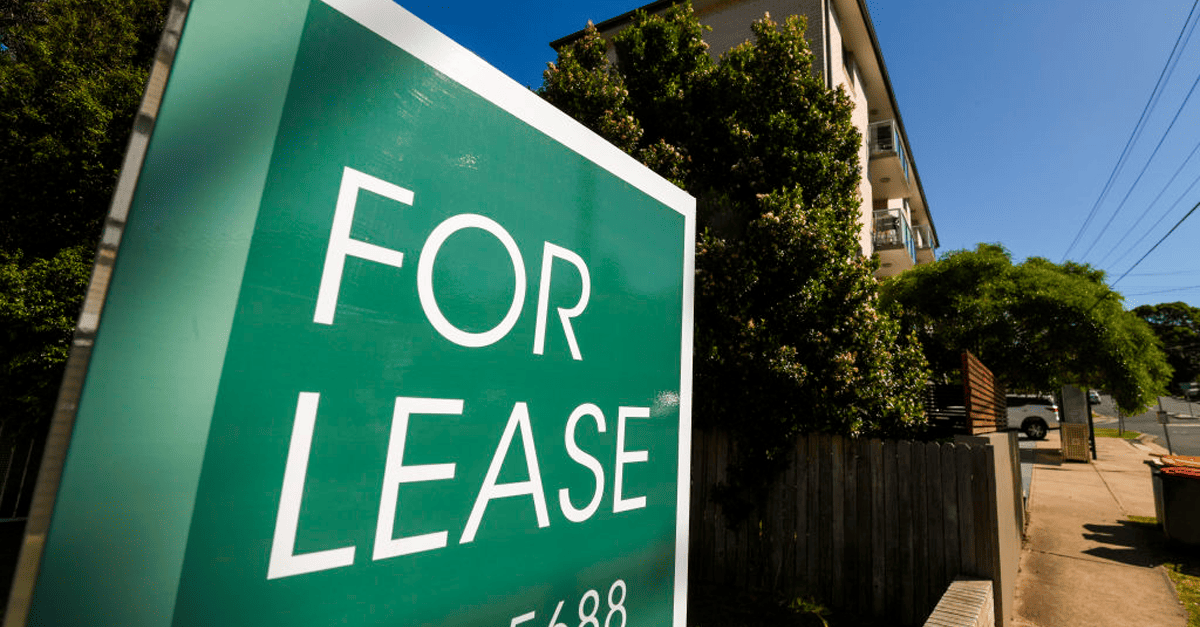
The advisory company points out that if investors sell established rental properties to owner-occupiers, rather than hold them, the pool of available rentals shrinks.
And new housing - particularly apartments - takes years to build, with the firm estimating there could be a gap of 18 months to three years or more where rental supply is contracting before meaningful new stock arrives to replace it.
In that environment, rents go up, and the people who can least afford it end up paying more.
There's also a less visible group of losers that hasn't received much attention: families who have owned development sites for decades, sometimes since before capital gains tax was first introduced in Australia in 1985.
Properties held before then were previously exempt from CGT entirely.
From 1 July 2027, that changes, with gains accruing from that date subject to tax.
For inner-city Sydney and Melbourne families sitting on valuable land, that's a significant shift.
“Sting in the tail”
Here's the detail that Charter Keck Cramer flags most urgently - and that very few people seem to be talking about.
Under the new rules, new-build tax status only applies to the first investor who buys a property.
Once that investor sells, the property is treated as “established” for the next buyer.
The tax benefits of new property - negative gearing and the more favourable CGT treatment - don't transfer.
They stay with the first buyer and disappear at resale.
For anyone buying an off-the-plan apartment as an investment, that creates a real problem when it comes time to sell, even if the apartment is not actually completed.
The pool of potential buyers who can access those tax benefits no longer exists and Charter Keck Cramer expects the resale market will shrink to owner-occupiers and a limited group of exempt buyers.
It says this is a particular concern for off-the-plan apartment markets across Australia's capital cities and one that buyers need to think carefully about before signing a contract.
However, there could be regional differences.
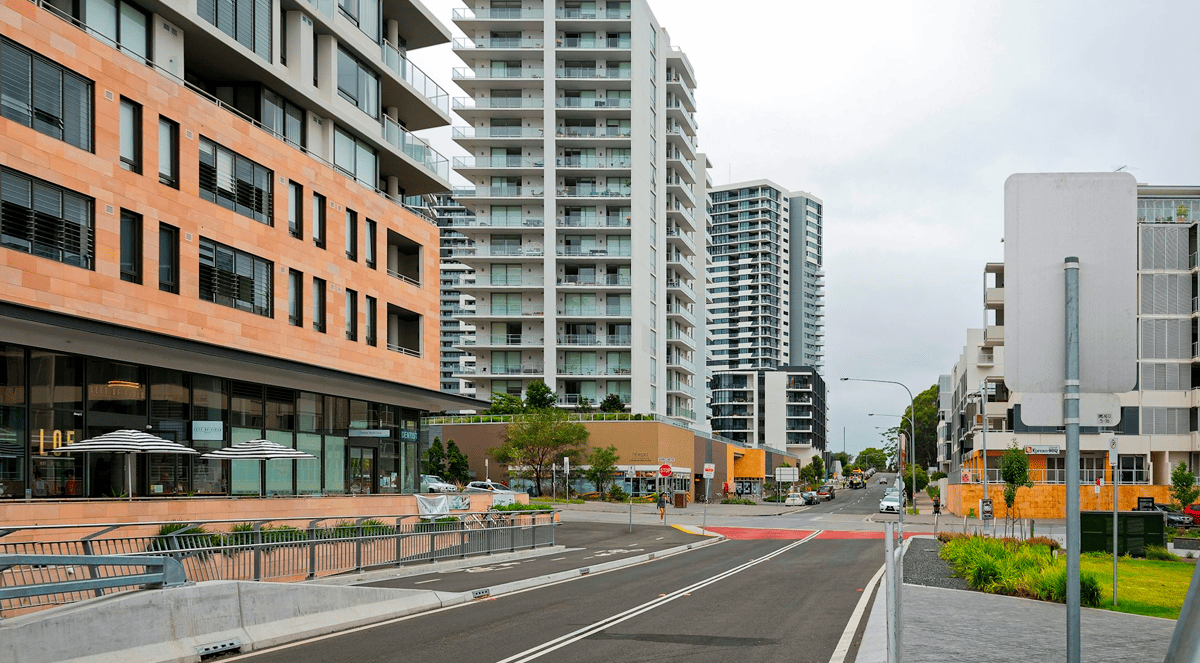
Melbourne and Brisbane apartment markets tend to rely more heavily on investors than Sydney or the Gold Coast.
That means the budget changes are likely to hit presales - and ultimately settlement rates - harder in those cities.


What to watch from here
Charter Keck Cramer identifies five things worth keeping a close eye on over the next 12 to 18 months.
- Whether the changes actually pass the Senate. It points out the Greens want to go “harder” on investors, while the Coalition wants to totally wind the changes back. This could mean the final enabling legislation may look quite different from what was announced.
- How buyers actually behave before July 2027. Charter Keck Cramer says auction clearance rates and off-the-plan presale numbers will tell the real story of how investors and first home buyers are responding.
- Whether big institutional money flows into Build-to-Rent at the scale the government is hoping for.
- Where interest rates go; If the RBA pushes the cash rate above 4.70%, the cost of borrowing could wipe out much of the benefit first-home buyers were supposed to get from reduced investor competition.
- And critically, how the states and territories respond, because without faster planning approvals, more land release and better infrastructure, the federal government's housing ambitions won't translate into actual homes being built.
Charter Keck Cramer’s bottom line is that the budget has NOT killed property investment, but it has fundamentally changed where the opportunities are - and where the risks now sit.




.jpg?width=1920&height=1080&name=WTF%20Is%20Happening%20To%20The%20Housing%20Market!%20$500%20Billion%20Wiped%20Out%20As%20Prices%20Fall%20Faster%20Every%20Month%20Scott%20Kuru%20YPU%20027%20(1).jpg)

%20Scott%20Kuru%20YPU%20025.jpg?width=1920&height=1080&name=This%20Is%20Worse%20Than%20A%20Recession%20RBA%20Admits%20Australias%20Wage%20Collapse%20Cant%20Be%20Stopped%20(Prepare%20Now)%20Scott%20Kuru%20YPU%20025.jpg)





























.jpg?width=1920&height=1080&name=EXPOSED%20How%20The%20Govt%20Let%20These%20Oil%20Giants%20Get%20Away%20With%20Paying%20Zero%20Tax%20For%20Aussie%20Gas%20Scott%20Kuru%20DPU%20256%20(1).jpg)







%20Scott%20Kuru%20DPU%20248.jpg?width=1920&height=1080&name=Major%20Banks%20CAUGHT%20Preparing%20For%20Australia%E2%80%99s%20Biggest%20Housing%20Crash%20(Defaults%20%26%20Bankruptcies%20Coming)%20Scott%20Kuru%20DPU%20248.jpg)
%20Scott%20Kuru%20DPU%20247.jpg?width=1920&height=1080&name=This%20Is%20How%20Australia%20Gets%20Pushed%20Into%20the%20Next%20Big%20Reset%20(Trust%20Collapse%20Has%20Officially%20Begun)%20Scott%20Kuru%20DPU%20247.jpg)







%20Scott%20Kuru%20DPU%20239.jpg?width=1920&height=1080&name=URGENT%20Life%20In%20Australia%20Has%20Become%20Impossible%20For%20Millions%20Of%20Aussies%20(It%E2%80%99s%20About%20To%20Get%20Worse)%20Scott%20Kuru%20DPU%20239.jpg)










%20Scott%20Kuru%20DPU%20227.jpg?width=1920&height=1080&name=URGENT%20ALERT%20Australia%E2%80%99s%20Property%20Market%20Is%20Sliding%20Into%20Something%20Much%20Bigger%20(Prepare%20Now)%20Scott%20Kuru%20DPU%20227.jpg)





%20Scott%20Kuru%20DPU%20221.jpg?width=1920&height=1080&name=The%20AI%20Situation%20in%20Australia%20Just%20Hit%20a%20Point%20of%20No%20Return...%20(Major%20Bank%20Proves%20It)%20Scott%20Kuru%20DPU%20221.jpg)