









.png?width=292&height=292&name=Copy%20Link%20(1).png)

 SIGN UP FOR FREE NEWSLETTER
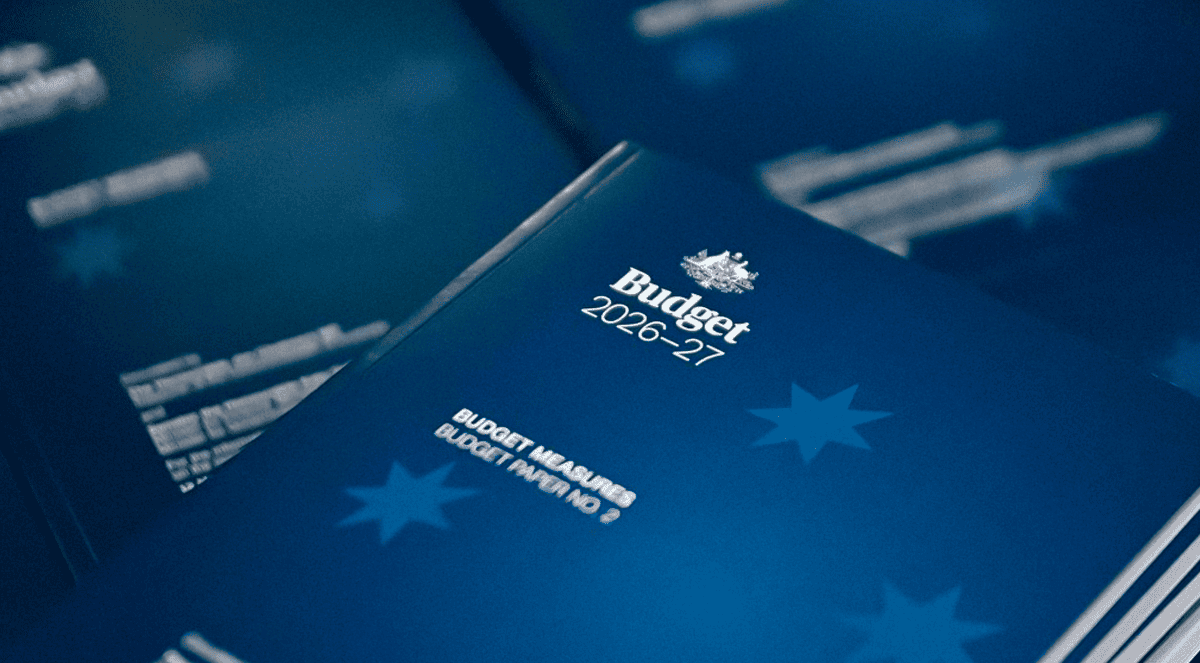
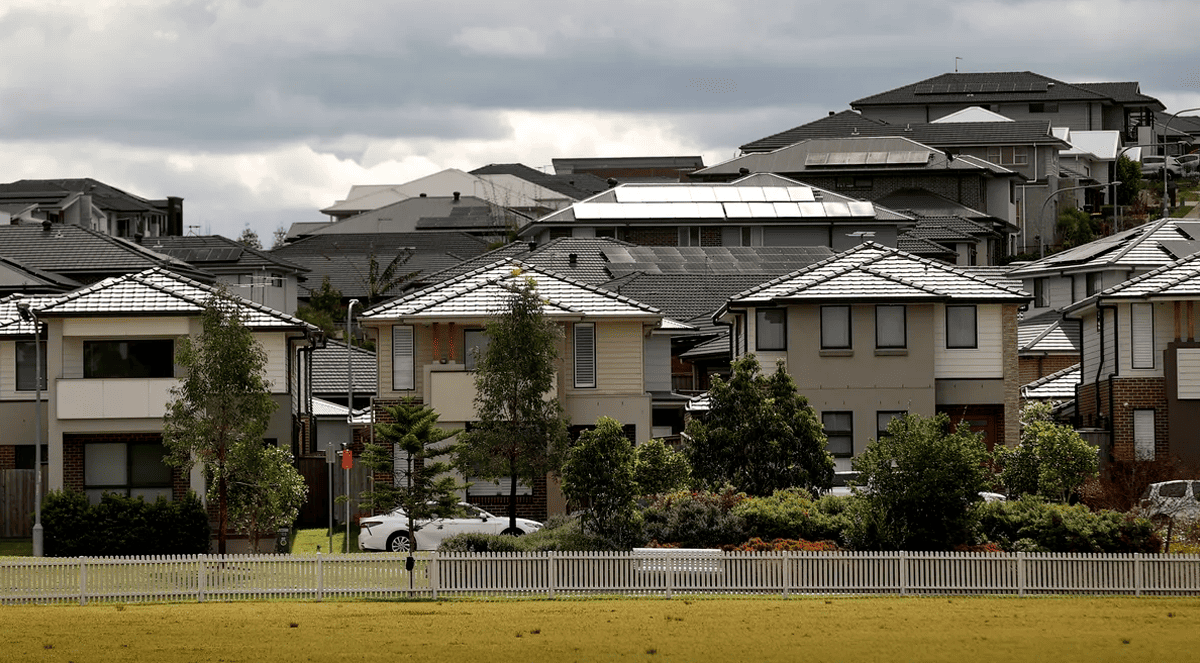
Image from NewsWire/Martin Ollman
The Albanese Government’s 2026 Federal Budget changes to the tax treatment of property and other assets are currently working their way through parliament.
So far, the bills introducing the changes have been passed by the lower house.
While the Greens - who hold the balance of power in the Senate - say they will closely scrutinise the legislation, the minor party is ultimately unlikely to block the changes, meaning they are likely to become law.
More than 150 Australian property valuers recently surveyed by international real estate giant CBRE say they expect the budget tax changes will redirect property investment away from existing property and towards development sites and new housing.
While negative gearing and the 50% CGT discount will no longer apply to existing housing stock purchased after Budget night 2026, property investors who purchase new build homes or apartments are still able to take advantage of these tax incentives.
Investors in existing property will be able to carry forward tax losses, but this must be offset against other investment income - not against salary or wages.
Cash-flow is key to successful property investment, so how will these changes impact the holding costs of a typical rental home in a big city like Sydney or Melbourne?
Our research team at Freedom Property Investors has been modelling some of these scenarios and the results are stark.
The bottom line is that going forward, landlords who invest in existing properties are likely to face significantly higher holding costs, potentially encouraging some investors to consider alternative ownership structures or place greater emphasis on rental yields.
The details
For the purpose of this exercise, our research team looked at typical properties in the price ranges usually targeted by property investors in Australian capital cities, with average rental yields and typical costs.
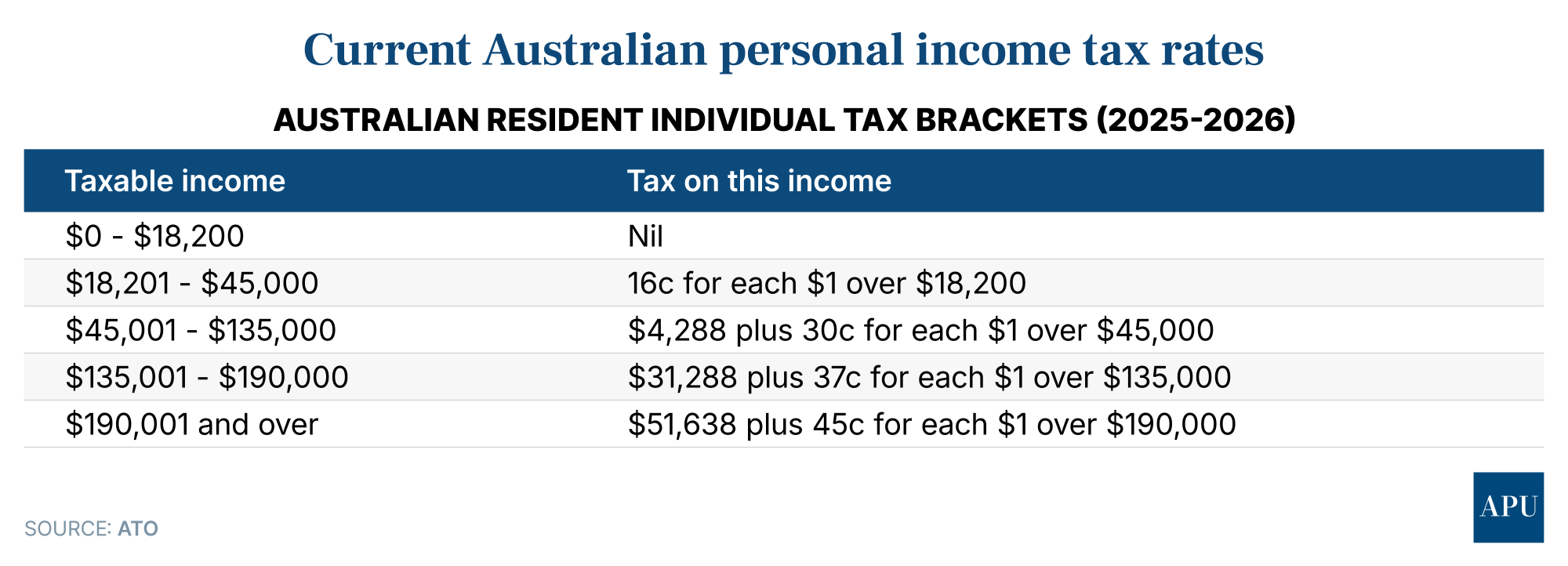
We’ve looked at the implications for investors in the top three annual income tax brackets after adding the 2% Medicare levy, which applies fully to all income earned over $32,500 per annum.
We’ve also considered likely life scenarios for investors in these tax brackets.
Clare - 30% tax rate
Clare is a 55-year-old divorced single mum who lives in Melbourne’s inner west.
She has nearly paid off her comfortable, but ageing, 3-bedroom home.
Clare is a senior nurse at a major Melbourne public hospital and earns about $125,000 annually and falls into the 30% marginal tax bracket, plus the 2% Medicare levy.
While Clare has contributed to superannuation since her 20s, her superannuation balance is relatively low for a person her age, as she had to transfer half her super to her ex-husband during their divorce settlement.
Clare decides that if she wants a comfortable retirement and wants to help her two teenage children through university, she will need to build wealth outside superannuation.
She decides to do this by investing in property.
Clare has lived in Melbourne all her life, so will only buy in Victoria.
Clare re-draws her home loan, using some of the equity to put a 10% deposit down on an investment property.
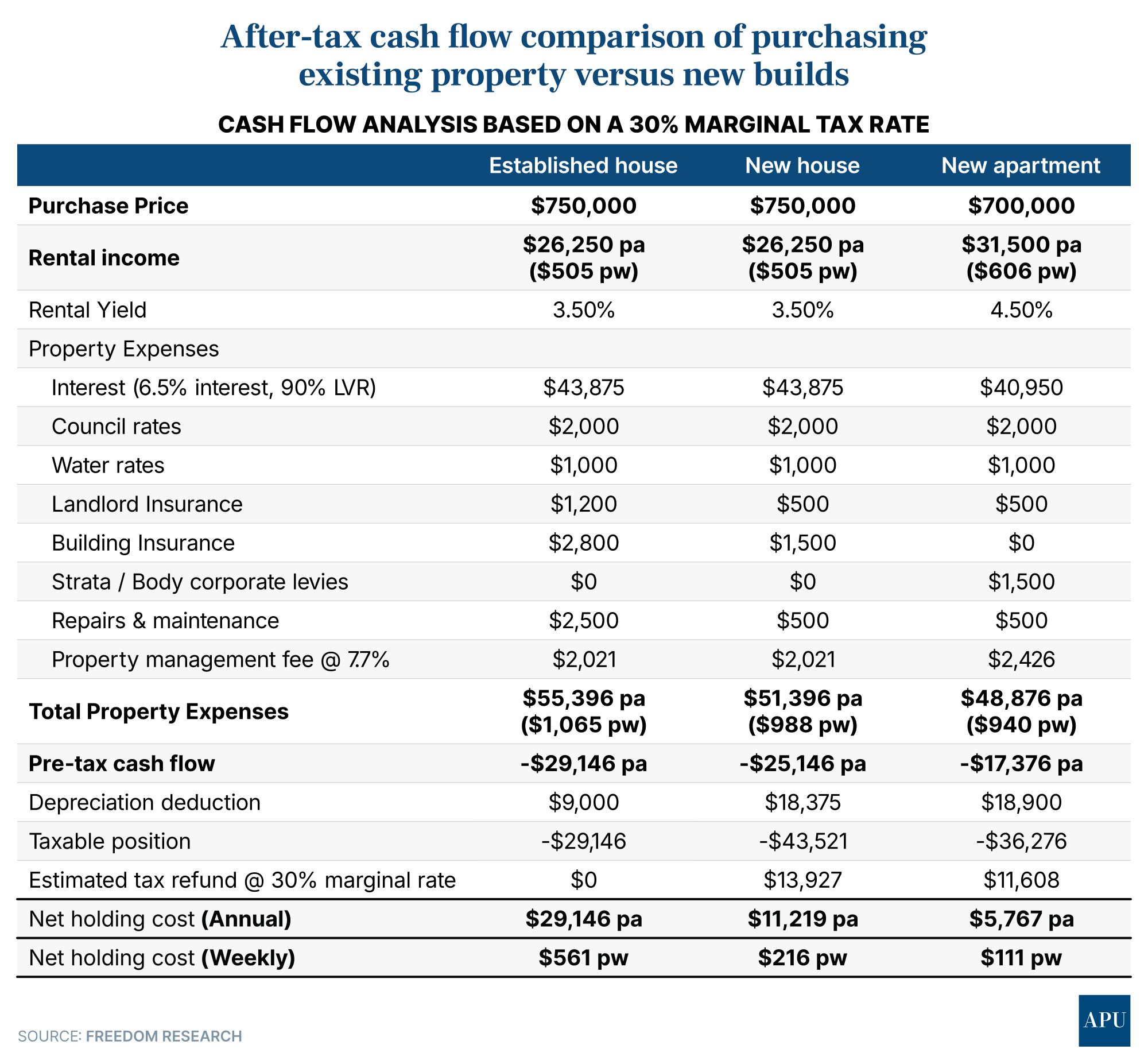
Clare has three options:
- She can buy an established brick home on a large block (possibly suitable for subdivision or renovation further down the track) for $750,000 in St Albans - a suburb in Melbourne’s north-west
- She can buy a new house and land package for $750,000 in Greenvale in Melbourne’s north
- Or she can buy a small new off-the-plan apartment for $700,000 in a development in Collingwood in the inner eastern suburbs
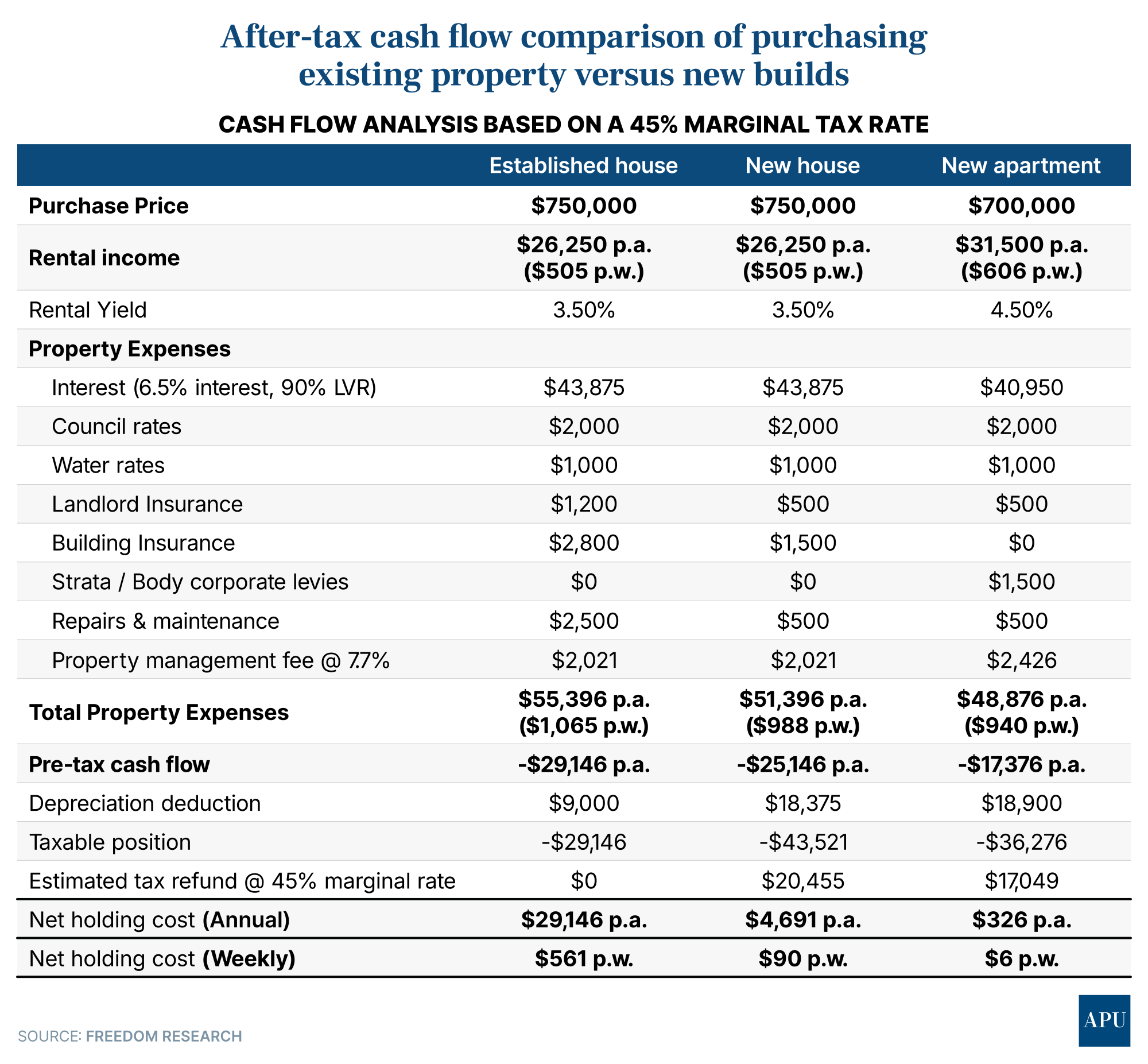
Using similar estimated costs for council rates, water, landlord insurance and management fees, plus typical rents and rental yields, the choice for Clare is clear.
If she buys an established house, her after tax holding costs will be 2.6 times that of a new house and just over 5 times that of a new apartment.
Clare would also have a whopping shortfall of $561 a week if she buys the established house in St Albans - an unrealistic proposition given her existing liabilities and expenses.
Anil - 37% tax rate
Anil is a single, 30-year-old computer engineer who rents a small apartment near where he works in North Sydney.
He earns $175,000 a year and he is on call 24/7.
Anil’s income is above $130,000, so pays a top marginal tax rate of 37% plus the 2% Medicare levy.
Anil eventually wants to buy his own house, but at the moment living near work is his priority.
Anil decides he will “rentvest” - building up equity in property where he can afford to buy, but continue renting near his work.
Anil has a $75,000 deposit saved up and isn’t particularly fussed where he buys.
He has also spotted the same house for $750,000 in St Albans in Melbourne that Clare looked at.
Another option he is considering is a house and land package at Worongary in the Gold Coast hinterland in Queensland.
A third property that is of interest is a one bedroom apartment with a car space in the Adelaide suburb of Gilberton, where construction has already begun.
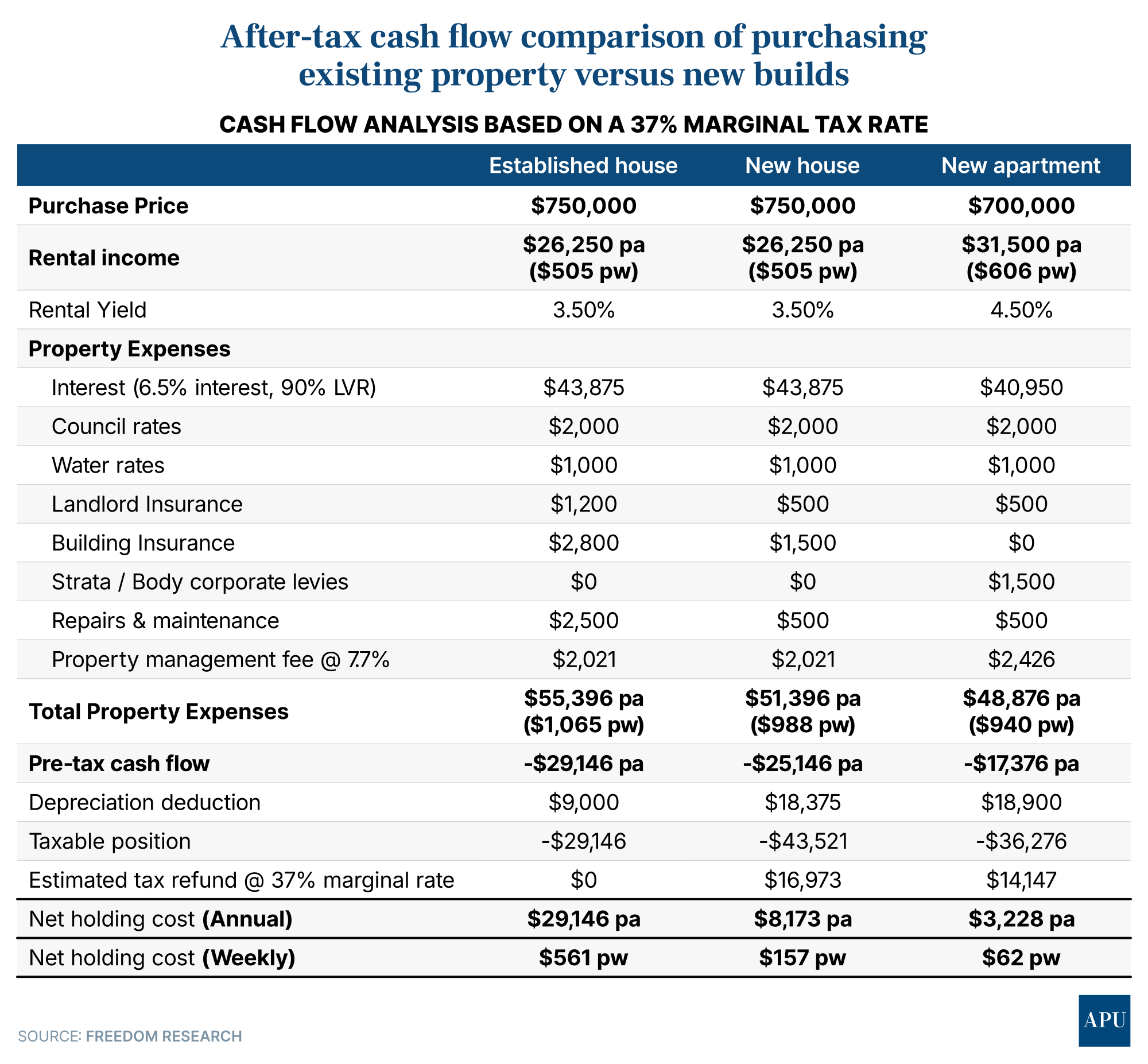
Again, using similar estimated costs for council rates, water, landlord insurance and management fees, plus typical rents and rental yields, the choice for Anil is clear.
In fact, the difference is more pronounced than for Clare, because Anil is in a higher top marginal tax bracket.
The cost of holding the established house is 3.6 times greater than the cost of a new build of equivalent value.
When it comes to the apartment comparison, the cost of holding the established house is an astonishing 9 times greater - an estimated weekly cash-flow deficit of $561 as compared to just $62 for the apartment.
Jasmine - 45% tax rate
Jasmine has just been promoted and is now the HR director of a medium-sized Brisbane firm.
She is 40 and lives with her partner, daughter and pet cat in a large apartment she owns outright, overlooking the Brisbane River.
Jasmine earns $210,000 annually and falls into the top 45% marginal income tax bracket, plus the 2% Medicare levy.
Despite her high income, Jasmine is keen to build up a nest egg so that she can retire early and better look after her daughter, who has a serious medical condition.
Jasmine’s parents built considerable wealth by investing in property and she is keen to emulate their success.
She is not particularly concerned about where in Australia she invests, but with high ongoing medical expenses for her daughter, Jasmine is keen that any property investment will not substantially eat into her after-tax income.
Like Anil, Jasmine has a $75,000 deposit and has approval from her bank to buy an investment property up to $750,000 in value with a 90% LVR loan.
Jasmine’s partner Michael comes from the regional centre of Orange in New South Wales and from their trips to visit Michael’s parents, Jasmine knows the town is booming, gentrifying and has a very low rental vacancy rate, so she looks to see what’s available to buy there.
Jasmine finds an established two-year-old home in a newer area of the town that she can pick up for around $750,000.
Also on her radar is a new house and land package in the Perth northern beachside suburb of Alkimos.
Jasmine likes the idea of investing in Perth because she has read the rental vacancy in the western city is extremely low and home prices are still rising strongly.
The other option for Jasmine is purchasing a small, $700,000 off-the-plan apartment in inner-city South Melbourne.
After doing her sums, Jasmine realises that under the government’s new tax rules, buying an established home will see her about $560 out of pocket EACH week.
The new house in Perth would set her back about $90, while the off-the-plan Melbourne apartment would basically have a neutral impact on her after tax income - costing her just $6 a week.
On Jasmine’s income, the after tax holding costs of the established house in Orange would be an astonishing 93 times more expensive each week than a similarly priced new apartment.
The take out
While we are not offering individualised investment or taxation advice, the take-out from Freedom’s modelling of the proposed changes to the tax treatment of investment property is clear.
The higher the tax bracket, the greater the difference between the future holding costs of established property versus new property.

It was obviously the intention of the Albanese Government to push future property investors towards new property, both to boost housing supply and to decrease competition for first-home buyers from investors in the established property market.
While the negative gearing changes are “grandfathered” for investors who held property before Budget night in May 2026, the new inflation-adjusted CGT regime will apply to any gains made after the 1st of July 2027.
This means many existing property investors are simply less likely to sell, as they could walk away with less capital gain than they had previously anticipated.
With less emphasis on capital gain, investors are instead more likely to be interested in rental yields and pushing real estate agents to find tenants prepared to pay significantly higher rents.
Treasury has estimated the result of the tax changes are likely to see average rents rise by only $2 a week over the short-term, while modelling by the property industry suggests this figure is closer to $9 per week.
Whether rents rise by $2 a week or closer to $9 a week remains contested.
However, the direction of travel appears clear.
CBRE found 63% of property valuers surveyed expected the capital gains tax changes to push rents higher over the next year, while two-thirds believed the changes to negative gearing would have a similar effect.




.jpg?width=1920&height=1080&name=WTF%20Is%20Happening%20To%20The%20Housing%20Market!%20$500%20Billion%20Wiped%20Out%20As%20Prices%20Fall%20Faster%20Every%20Month%20Scott%20Kuru%20YPU%20027%20(1).jpg)
%20Scott%20Kuru%20YPU%20025.jpg?width=1920&height=1080&name=This%20Is%20Worse%20Than%20A%20Recession%20RBA%20Admits%20Australias%20Wage%20Collapse%20Cant%20Be%20Stopped%20(Prepare%20Now)%20Scott%20Kuru%20YPU%20025.jpg)
























.jpg?width=1920&height=1080&name=EXPOSED%20How%20The%20Govt%20Let%20These%20Oil%20Giants%20Get%20Away%20With%20Paying%20Zero%20Tax%20For%20Aussie%20Gas%20Scott%20Kuru%20DPU%20256%20(1).jpg)







%20Scott%20Kuru%20DPU%20248.jpg?width=1920&height=1080&name=Major%20Banks%20CAUGHT%20Preparing%20For%20Australia%E2%80%99s%20Biggest%20Housing%20Crash%20(Defaults%20%26%20Bankruptcies%20Coming)%20Scott%20Kuru%20DPU%20248.jpg)
%20Scott%20Kuru%20DPU%20247.jpg?width=1920&height=1080&name=This%20Is%20How%20Australia%20Gets%20Pushed%20Into%20the%20Next%20Big%20Reset%20(Trust%20Collapse%20Has%20Officially%20Begun)%20Scott%20Kuru%20DPU%20247.jpg)







%20Scott%20Kuru%20DPU%20239.jpg?width=1920&height=1080&name=URGENT%20Life%20In%20Australia%20Has%20Become%20Impossible%20For%20Millions%20Of%20Aussies%20(It%E2%80%99s%20About%20To%20Get%20Worse)%20Scott%20Kuru%20DPU%20239.jpg)








%20Scott%20Kuru%20DPU%20227.jpg?width=1920&height=1080&name=URGENT%20ALERT%20Australia%E2%80%99s%20Property%20Market%20Is%20Sliding%20Into%20Something%20Much%20Bigger%20(Prepare%20Now)%20Scott%20Kuru%20DPU%20227.jpg)





%20Scott%20Kuru%20DPU%20221.jpg?width=1920&height=1080&name=The%20AI%20Situation%20in%20Australia%20Just%20Hit%20a%20Point%20of%20No%20Return...%20(Major%20Bank%20Proves%20It)%20Scott%20Kuru%20DPU%20221.jpg)