









.png?width=292&height=292&name=Copy%20Link%20(1).png)

 SIGN UP FOR FREE NEWSLETTER
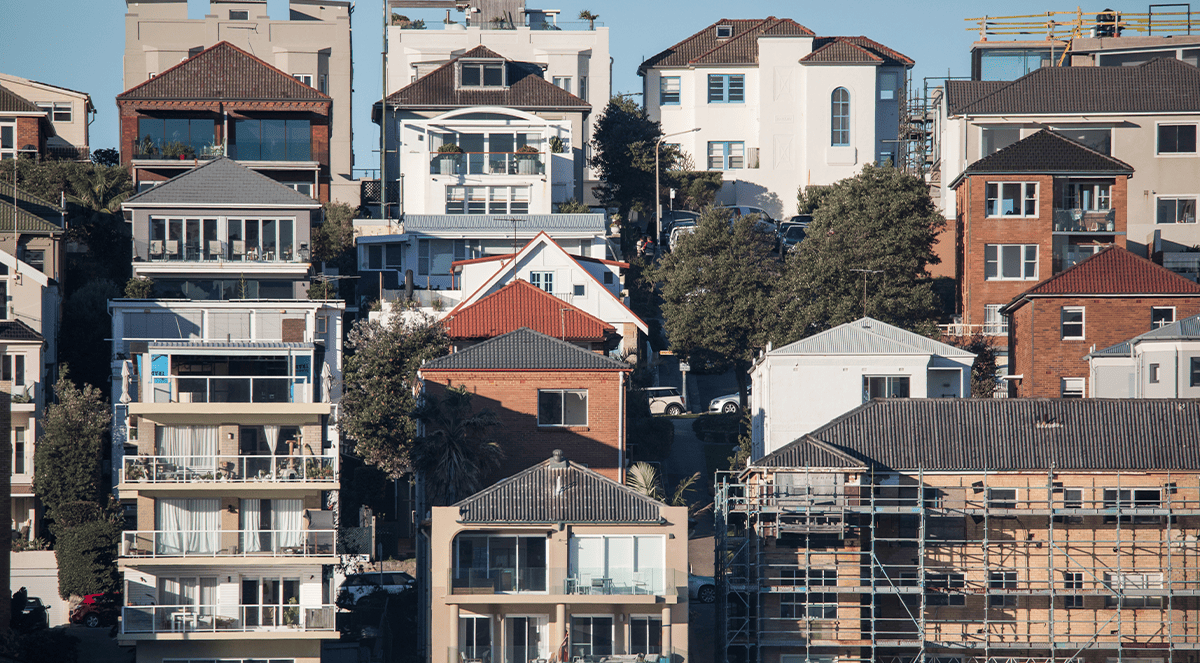
Changes to apartment design rules, parking requirements and the timing of developer charges could cut as much as $200,000 from the cost of delivering some new Sydney apartments, according to one of the development industry’s peak bodies.
A new report from the Urban Development Institute of Australia NSW argues that thousands of apartments already permitted under planning rules may never be built.
It says construction costs, financing expenses and inflexible design standards have made projects commercially unviable.
The details
UDIA NSW’s modelling suggests changes to the NSW Apartment Design Guide could reduce delivery costs by between $45,000 and $82,000 per dwelling, while deferring development contributions until projects are completed could save a further $27,500.
And allowing less expensive above-ground or “sleeved” parking instead of basement spaces could deliver additional savings of between $50,000 and $100,000 for each basement car space avoided, depending on ground conditions.
Sleeved parking places car spaces above ground but screens them behind apartments, commercial spaces or the building façade, avoiding much of the cost of basement excavation.
Together, the reforms could produce savings approaching $200,000 per apartment where all measures apply, although the report’s estimate for design and contribution reforms alone is between $72,000 and $110,000 a dwelling.
“The current Apartment Design Guide is working against increasing housing supply and improving affordability. That has to change,” UDIA NSW chief executive Stuart Ayres says.
“The targeted reforms we propose could reduce the cost of delivering a new apartment by up to $200,000 without compromising design quality or reducing infrastructure funding.”
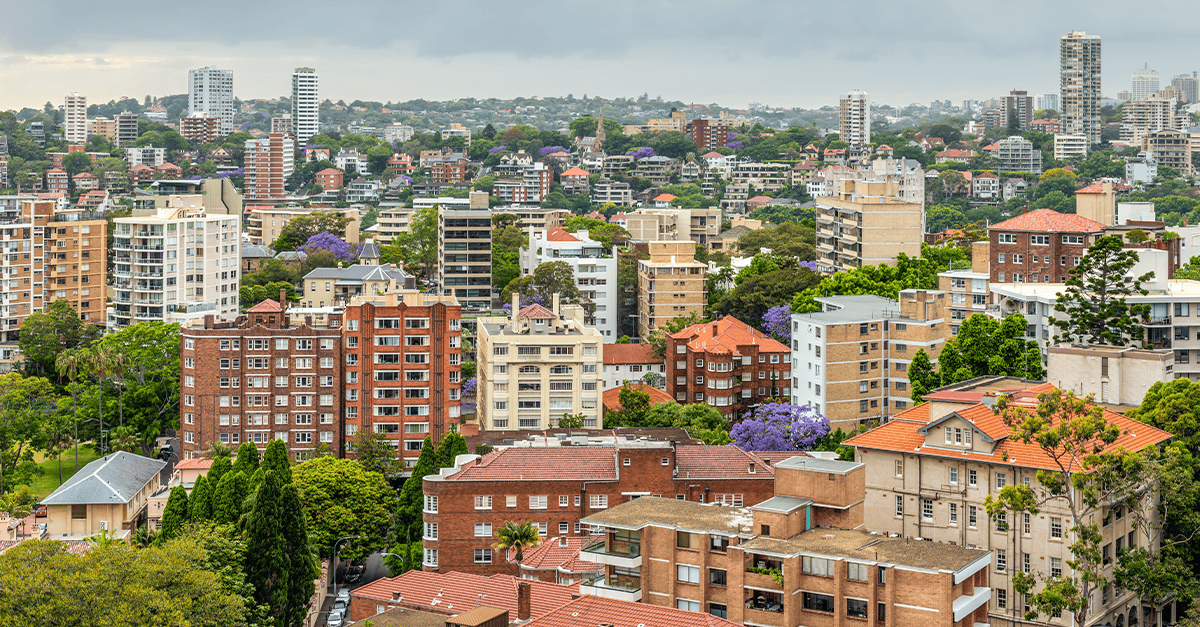
Sydney’s new apartment market is already running at historically weak levels.
New unit sales across Greater Sydney fell 23% in 2025 to 13,825 transactions, leaving activity 55% below the 10-year average.
Apartment completions fell even more sharply, dropping 41% to fewer than 10,000 dwellings in 2025.
That was the lowest annual total in more than 15 years, 42% below the decade average and about 70% below the 2018 peak of 33,430 units.
Approvals increased 36% to 19,260, but the total remained 31% below the 10-year average and 63% beneath the 2016 peak.
The result is a growing gap between the number of apartments permitted on paper and those developers believe they can actually finance and construct.
UDIA NSW estimates residential completions will fall short of the state government’s Greater Sydney housing targets by about 150,000 dwellings over five years, with weakness in apartment delivery expected to continue until 2030.
At the same time, the median price of a new unit in the New South Wales capital rose 3% in 2025 to $897,210, despite weak sales.
New apartments in Sydney were priced 22% above the combined capital-city average.
“Approving apartments that people can’t afford to buy won’t solve the housing crisis,” Mr Ayres says.
“These reforms will increase housing diversity, reduce unnecessary costs and improve affordability while maintaining the quality apartment design that communities expect.”
How the savings could work
The UDIA tested its proposed design changes against a hypothetical eight-storey inner-Sydney development containing 56 apartments and two basement levels with 54 car spaces.
The reforms included more flexible rules governing building separation, communal open space, vehicle access, internal circulation, solar access and minimum apartment sizes.
Under the most efficient scenario, the changes lifted the project from 56 apartments and 98 bedrooms to 66 apartments and 114 bedrooms.
Although total construction costs increased from $37.5 million to $38.8 million, the extra dwellings allowed fixed costs to be spread across more homes.
The estimated construction cost per apartment fell from $670,000 to $588,000, while the cost per bedroom declined from $382,000 to $340,000.
Across the scenarios tested, costs per dwelling fell by 5% to 10%.
The institute argues the Apartment Design Guide, introduced in 2015, is increasingly being applied as a rigid compliance tool rather than a performance-based guide.
It wants authorities to have greater flexibility to approve alternative designs that meet the guide’s underlying objectives without strictly complying with every numerical requirement.
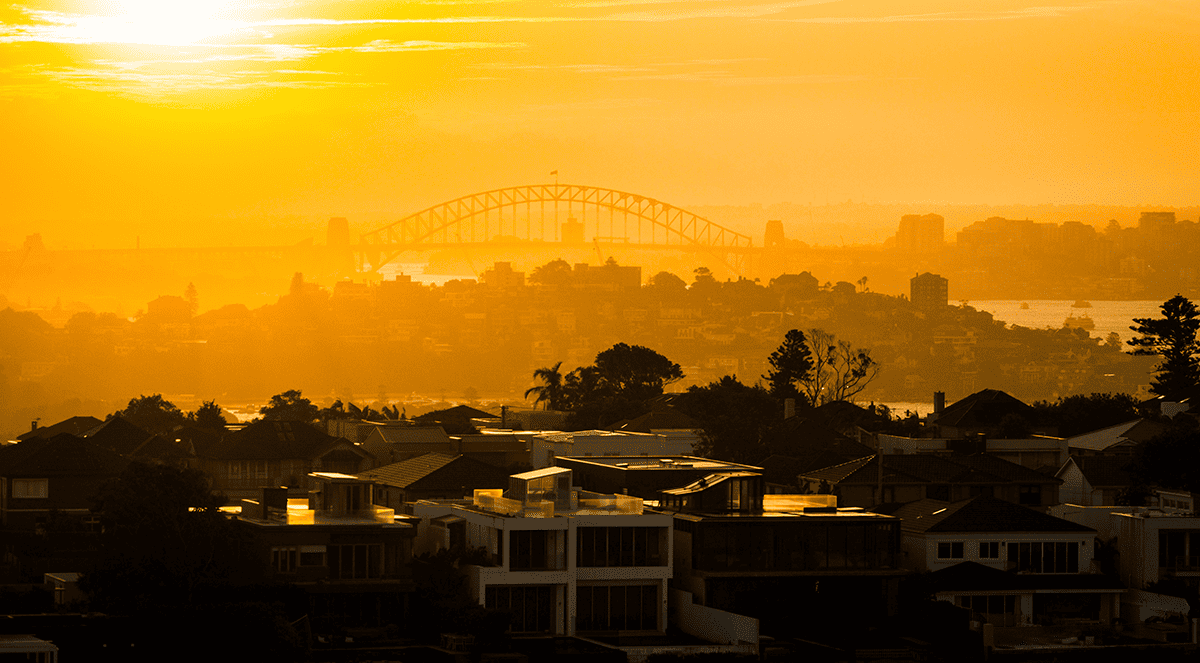
Developer charges add to prices
The report also targets the timing of infrastructure and affordable-housing contributions, which are generally paid before or near the beginning of construction.
Because developers must borrow that money and carry the debt throughout the building period, the timing can add substantial interest costs without increasing the funding ultimately received by governments.
A Sydney case study included in the report puts state and local contributions at $83,253 per dwelling, or 6.4% of the total cost.
Financing those upfront payments adds another $27,557, equivalent to 2.1% of the final cost.
UDIA NSW wants contributions deferred until an occupation certificate is issued, arguing this would improve project cash flow without cutting infrastructure funding.
It also recommends a temporary land tax exemption during construction and a freeze on increases to state development contributions for the remainder of the National Housing Accord period, which is due to end in mid-2029.
The UDIA report does not claim every Sydney apartment would become $200,000 cheaper. That upper figure depends on a project benefiting from design reform, deferred contributions and substantial parking savings.
But its broader warning is clear: rezoning land and approving taller buildings will not solve Sydney’s housing shortage if projects remain too expensive to finance and the resulting apartments are too costly for buyers.











.jpg?width=1920&height=1080&name=WTF%20Is%20Happening%20To%20The%20Housing%20Market!%20$500%20Billion%20Wiped%20Out%20As%20Prices%20Fall%20Faster%20Every%20Month%20Scott%20Kuru%20YPU%20027%20(1).jpg)

%20Scott%20Kuru%20YPU%20025.jpg?width=1920&height=1080&name=This%20Is%20Worse%20Than%20A%20Recession%20RBA%20Admits%20Australias%20Wage%20Collapse%20Cant%20Be%20Stopped%20(Prepare%20Now)%20Scott%20Kuru%20YPU%20025.jpg)


























.jpg?width=1920&height=1080&name=EXPOSED%20How%20The%20Govt%20Let%20These%20Oil%20Giants%20Get%20Away%20With%20Paying%20Zero%20Tax%20For%20Aussie%20Gas%20Scott%20Kuru%20DPU%20256%20(1).jpg)





%20Scott%20Kuru%20DPU%20248.jpg?width=1920&height=1080&name=Major%20Banks%20CAUGHT%20Preparing%20For%20Australia%E2%80%99s%20Biggest%20Housing%20Crash%20(Defaults%20%26%20Bankruptcies%20Coming)%20Scott%20Kuru%20DPU%20248.jpg)
%20Scott%20Kuru%20DPU%20247.jpg?width=1920&height=1080&name=This%20Is%20How%20Australia%20Gets%20Pushed%20Into%20the%20Next%20Big%20Reset%20(Trust%20Collapse%20Has%20Officially%20Begun)%20Scott%20Kuru%20DPU%20247.jpg)







%20Scott%20Kuru%20DPU%20239.jpg?width=1920&height=1080&name=URGENT%20Life%20In%20Australia%20Has%20Become%20Impossible%20For%20Millions%20Of%20Aussies%20(It%E2%80%99s%20About%20To%20Get%20Worse)%20Scott%20Kuru%20DPU%20239.jpg)











%20Scott%20Kuru%20DPU%20227.jpg?width=1920&height=1080&name=URGENT%20ALERT%20Australia%E2%80%99s%20Property%20Market%20Is%20Sliding%20Into%20Something%20Much%20Bigger%20(Prepare%20Now)%20Scott%20Kuru%20DPU%20227.jpg)