









.png?width=292&height=292&name=Copy%20Link%20(1).png)

 SIGN UP FOR FREE NEWSLETTER
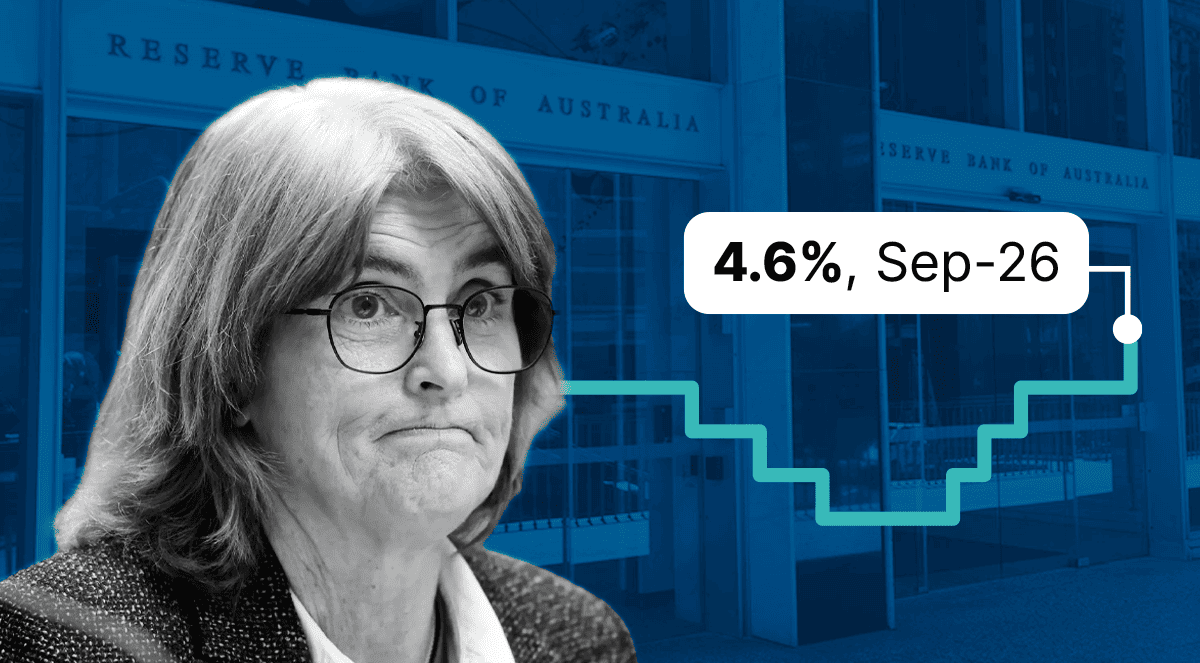
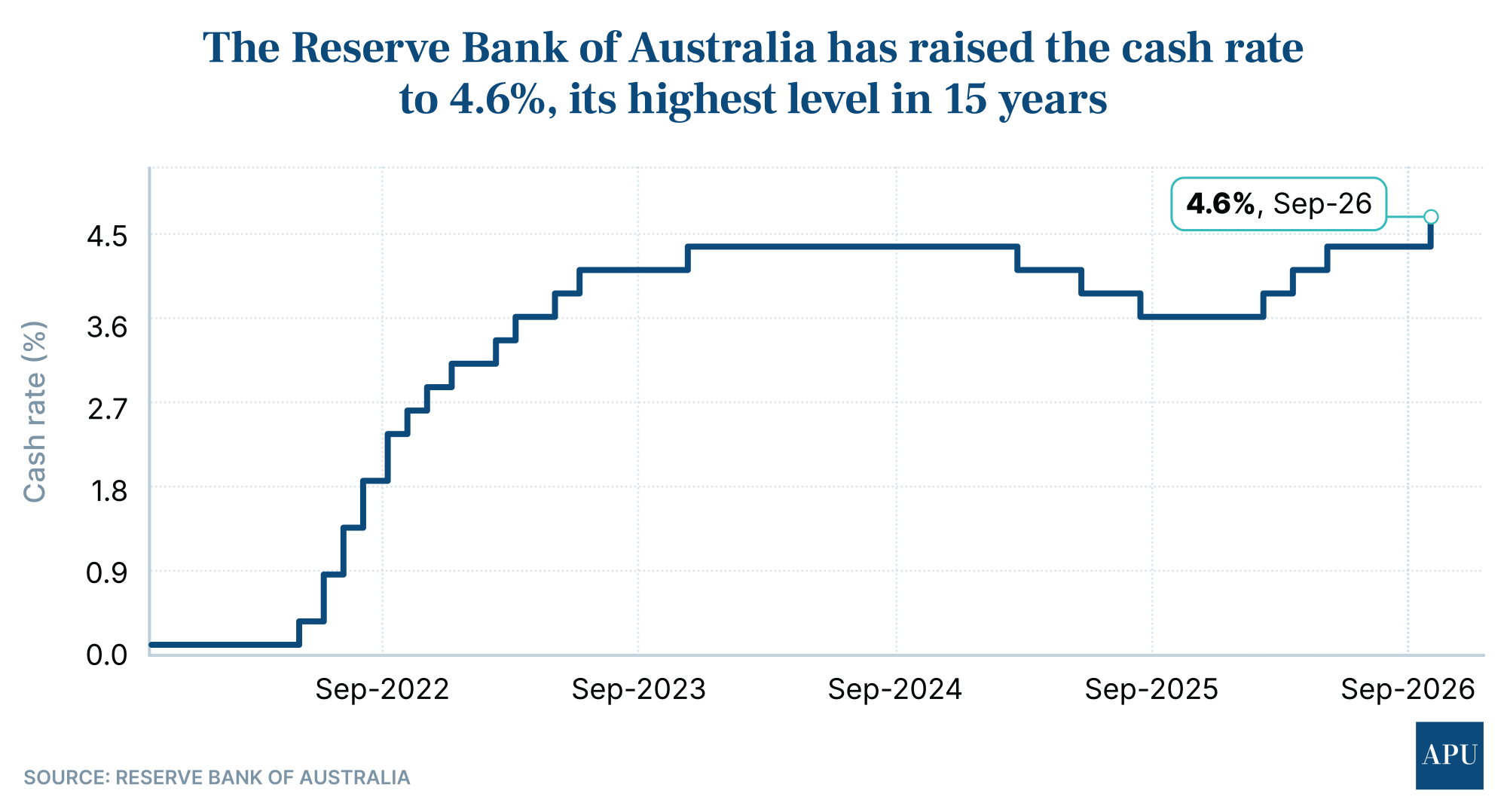
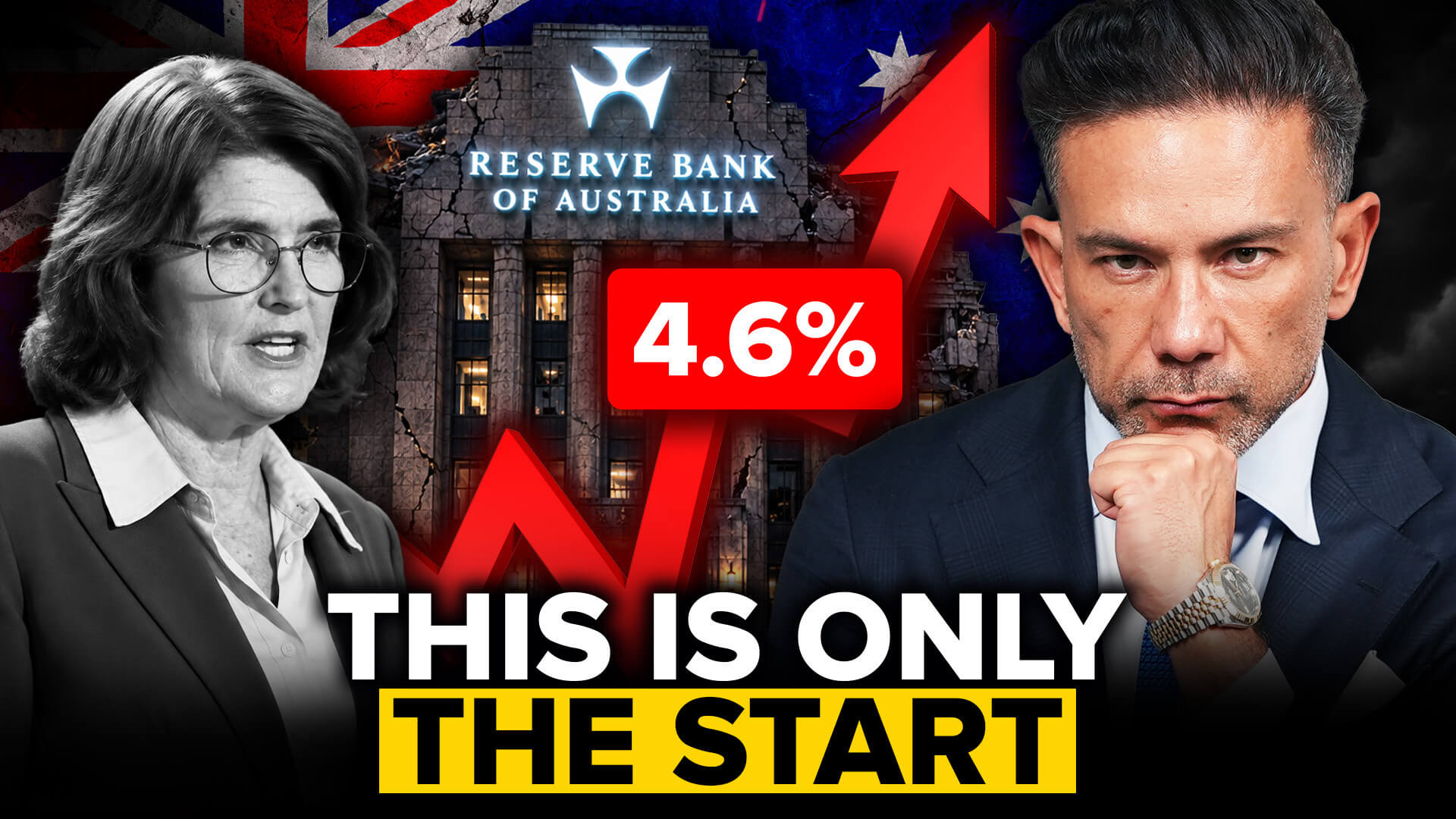
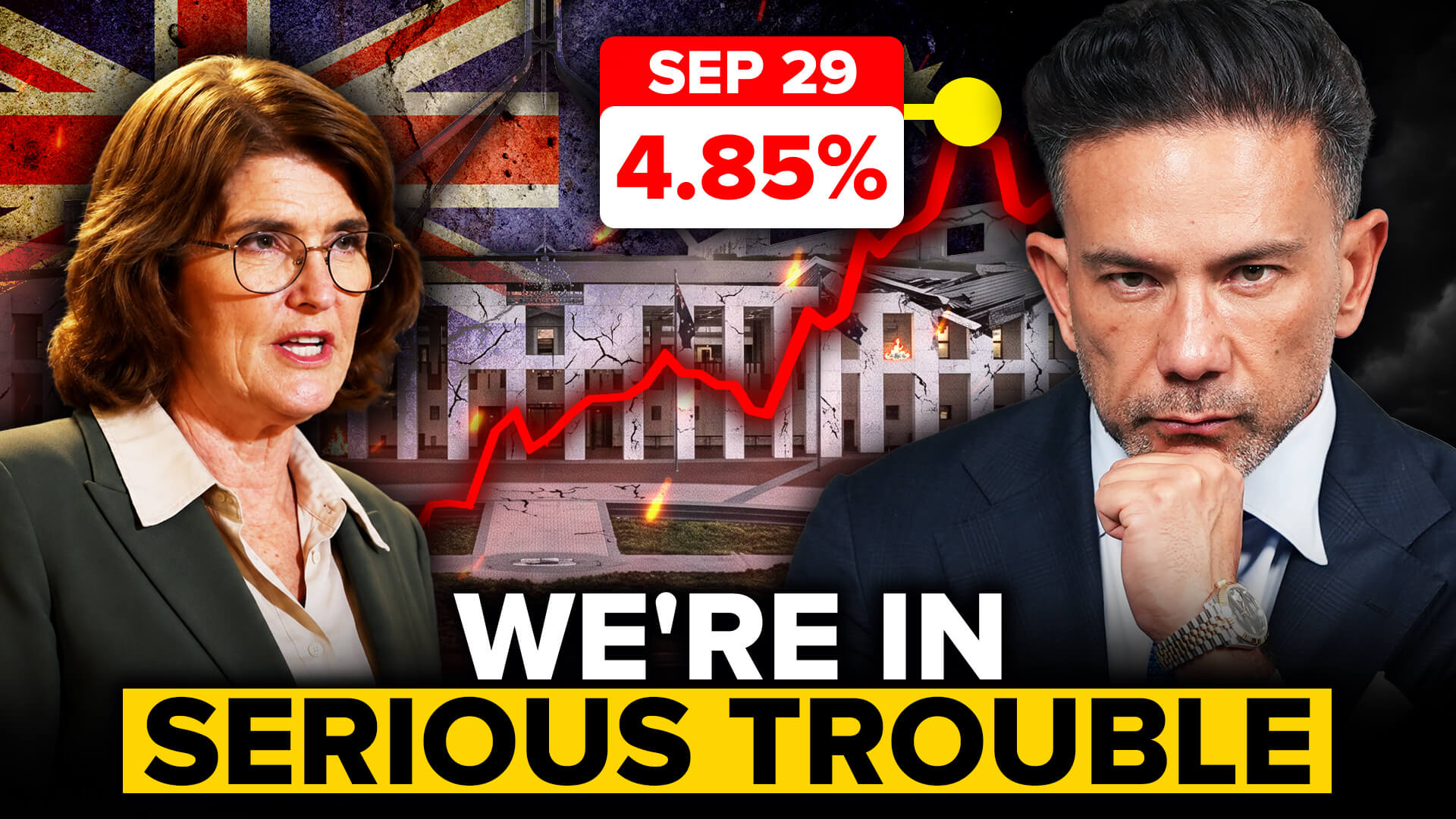
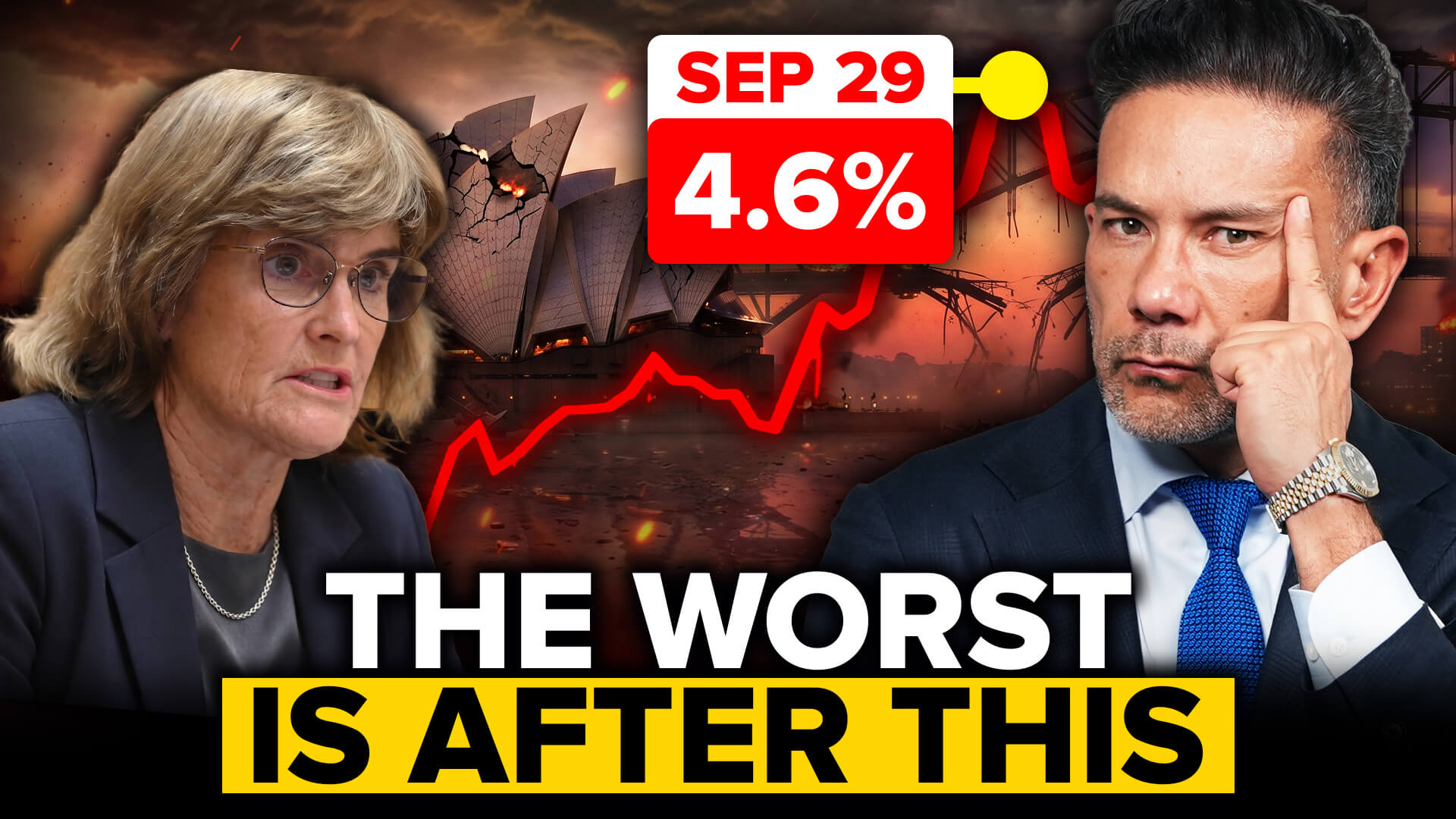
The Reserve Bank has raised Australia’s official cash rate to 4.6%, taking rates to their highest point since late 2011, and warning that it may need to raise rates again before the end of the year.
The September move is the fourth 25-basis-point rate rise this year by the central bank, as it struggles to tame inflation.
The details
In a statement accompanying the decision, the Reserve Bank said inflation in Australia remains elevated, and some of the “upside risks” it flagged after its decision to keep rates on hold at its last meeting in August, were now materialising.
“The conflict in the Middle East has broadened and global energy prices are now much higher than had been assumed in the August forecasts,” the statement said, also noting that “AI-related demand is driving rapid growth in global prices for technology-related goods.”
At home, the bank said its business liaison staff had reported that “firms are experiencing cost pressures and are either increasing the prices of their goods and services or looking to do so.”
As a result, “short-term measures of inflation expectations remain elevated.”
All nine members of the bank’s Monetary Policy Board voted to raise rates at its September meeting, which came shortly after several other central banks, including the US Federal Reserve and the European Central Bank, raised their benchmark rates.
Responding to claims that government spending is contributing to Australia’s inflation problem, Federal Treasurer Jim Chalmers seized on the RBA’s reference to global pressures, saying it made it “abundantly clear that one of the main drivers of inflation in our economy is a conflict on the other side of the world, pushing up global oil prices and being felt right around our economy and indeed right around the world.”
“The war in the Middle East is not the only factor when it comes to our inflation challenge,” he said, “but it is a very, very big factor.”
“And the Reserve Bank statement makes that very clear.”
However, in her post-decision press conference, RBA Governor Michele Bullock singled out low productivity as a key problem, stopping the economy from being able to grow at a faster rate, without sending inflation higher.
“The bottom line is that productivity is doing nothing,” Ms Bullock said.
“I know we talk about productivity a lot, but it’s so important if we want the economy to be able to grow and create jobs.
“The supply side of the economy has to grow, because the demand side can’t grow strongly unless that supply side is growing.”
But Ms Bullock also said she did not believe raising interest rates to a 15-year high materially increased the risk of tipping Australia into recession.
“That is not our central base case at this point,” Ms Bullock said.
EY Oceania Chief Economist Cherelle Murphy says the latest increase is “certainly going to hurt many households”.
“But from the Reserve Bank's point of view, certainly what they see as hurting more is inflation continuing to be too high.
“And as we know, it has been above the Reserve Bank's target band for a very long period now, and so they are determined to bring it down and to also importantly, allow people to believe that inflation is coming down too, because if they don't, of course, they start acting as if it's higher.
“And that's when you get inflation leading to further inflation down the track,” she says.
Mortgage pain
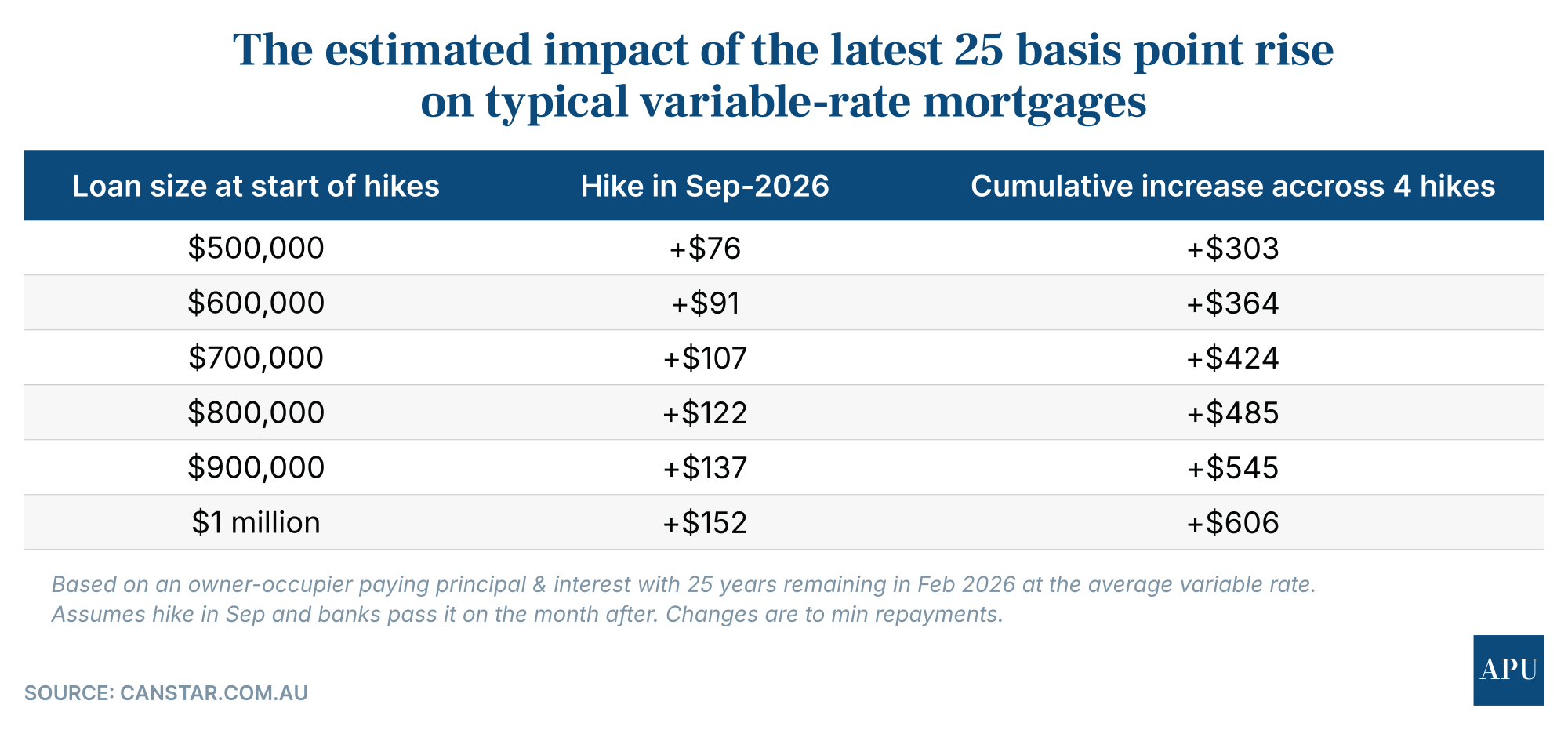
Comparison site Canstar says today’s 25 basis point rate hike - if passed on in full by banks - would add around $107 extra a month in repayments to the average-sized $700,000 variable-rate mortgage.
The cumulative cost of four rate rises this year is around $424 extra a month on a typical variable-rate mortgage since the RBA started hiking rates in February.
Nevertheless, the comparison website advises mortgage holders to shop around or ask their bank for a better interest rate deal.
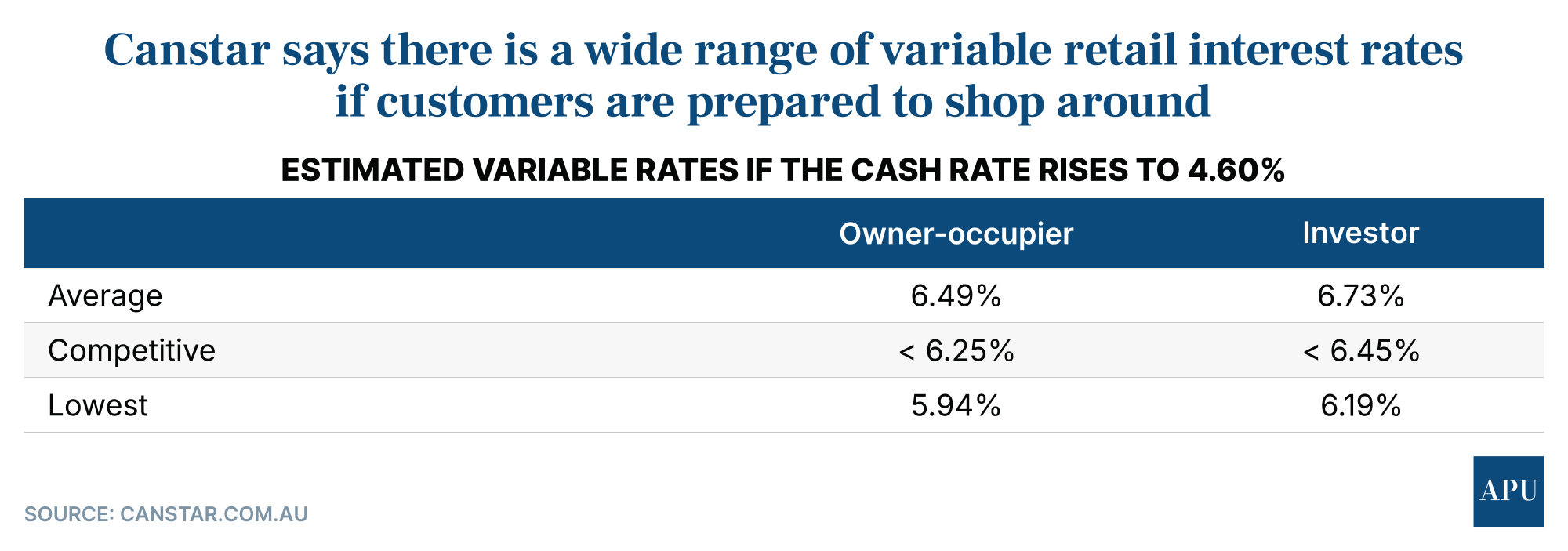
It says that following the RBA’s decision to put up the cash rate to 4.6%, the “average” owner-occupier customer on a typical variable-rate home loan will now be paying just under 6.49%, while property investors will pay around 6.75%.
Canstar says there are plenty of lenders offering rates around 25 basis points lower, with some deals at least 50 basis points below the average.
Former RBA official Jonathan Kearns, now chief economist at investment bank Challenger, expects the RBA to raise rates again at its next meeting in November.
He described the central bank’s language as “hawkish”, concluding “it would take some surprisingly weak data for them to not tighten in November.”
Housing market
realestate.com.au Senior Economist Eleanor Creagh says that “another rate rise reinforces the downturn already underway.”
“Higher mortgage rates further reduce borrowing capacities and buyer budgets, adding to the downward pressure on home prices and sales activity.”
But she stresses the current easing in property prices “remains an orderly adjustment rather than a distressed housing correction.”
“Labour market conditions remain relatively resilient, very few borrowers are in negative equity while many households retain substantial repayment buffers,” she says.
Rival property data house Cotality estimates that based on a median household income, the cumulative impact of the four rate hikes since February has reduced borrowing capacity by almost $90,000, equivalent to around a 9% decline in purchasing power.
Therefore, it says “housing turnover is likely to remain below average as both buyers and sellers adjust to a prolonged period of elevated borrowing costs.”




.jpg?width=1920&height=1080&name=WTF%20Is%20Happening%20To%20The%20Housing%20Market!%20$500%20Billion%20Wiped%20Out%20As%20Prices%20Fall%20Faster%20Every%20Month%20Scott%20Kuru%20YPU%20027%20(1).jpg)
%20Scott%20Kuru%20YPU%20025.jpg?width=1920&height=1080&name=This%20Is%20Worse%20Than%20A%20Recession%20RBA%20Admits%20Australias%20Wage%20Collapse%20Cant%20Be%20Stopped%20(Prepare%20Now)%20Scott%20Kuru%20YPU%20025.jpg)




















.jpg?width=1920&height=1080&name=EXPOSED%20How%20The%20Govt%20Let%20These%20Oil%20Giants%20Get%20Away%20With%20Paying%20Zero%20Tax%20For%20Aussie%20Gas%20Scott%20Kuru%20DPU%20256%20(1).jpg)





%20Scott%20Kuru%20DPU%20248.jpg?width=1920&height=1080&name=Major%20Banks%20CAUGHT%20Preparing%20For%20Australia%E2%80%99s%20Biggest%20Housing%20Crash%20(Defaults%20%26%20Bankruptcies%20Coming)%20Scott%20Kuru%20DPU%20248.jpg)
%20Scott%20Kuru%20DPU%20247.jpg?width=1920&height=1080&name=This%20Is%20How%20Australia%20Gets%20Pushed%20Into%20the%20Next%20Big%20Reset%20(Trust%20Collapse%20Has%20Officially%20Begun)%20Scott%20Kuru%20DPU%20247.jpg)






%20Scott%20Kuru%20DPU%20239.jpg?width=1920&height=1080&name=URGENT%20Life%20In%20Australia%20Has%20Become%20Impossible%20For%20Millions%20Of%20Aussies%20(It%E2%80%99s%20About%20To%20Get%20Worse)%20Scott%20Kuru%20DPU%20239.jpg)






%20Scott%20Kuru%20DPU%20227.jpg?width=1920&height=1080&name=URGENT%20ALERT%20Australia%E2%80%99s%20Property%20Market%20Is%20Sliding%20Into%20Something%20Much%20Bigger%20(Prepare%20Now)%20Scott%20Kuru%20DPU%20227.jpg)