









.png?width=292&height=292&name=Copy%20Link%20(1).png)

 SIGN UP FOR FREE NEWSLETTER

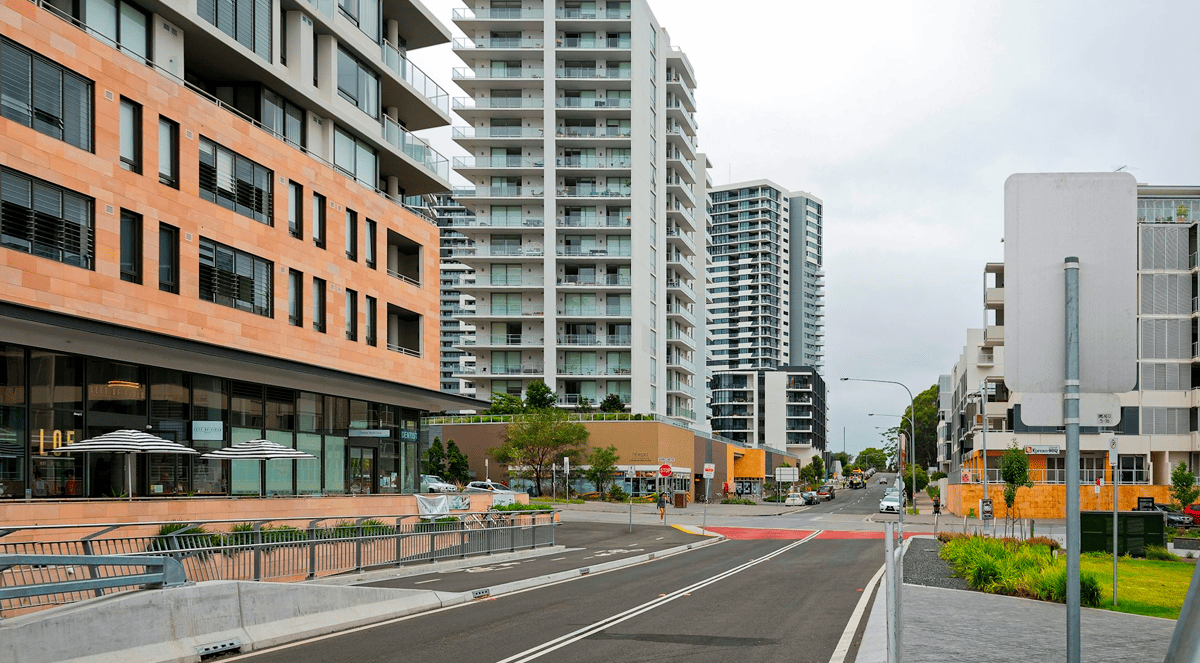
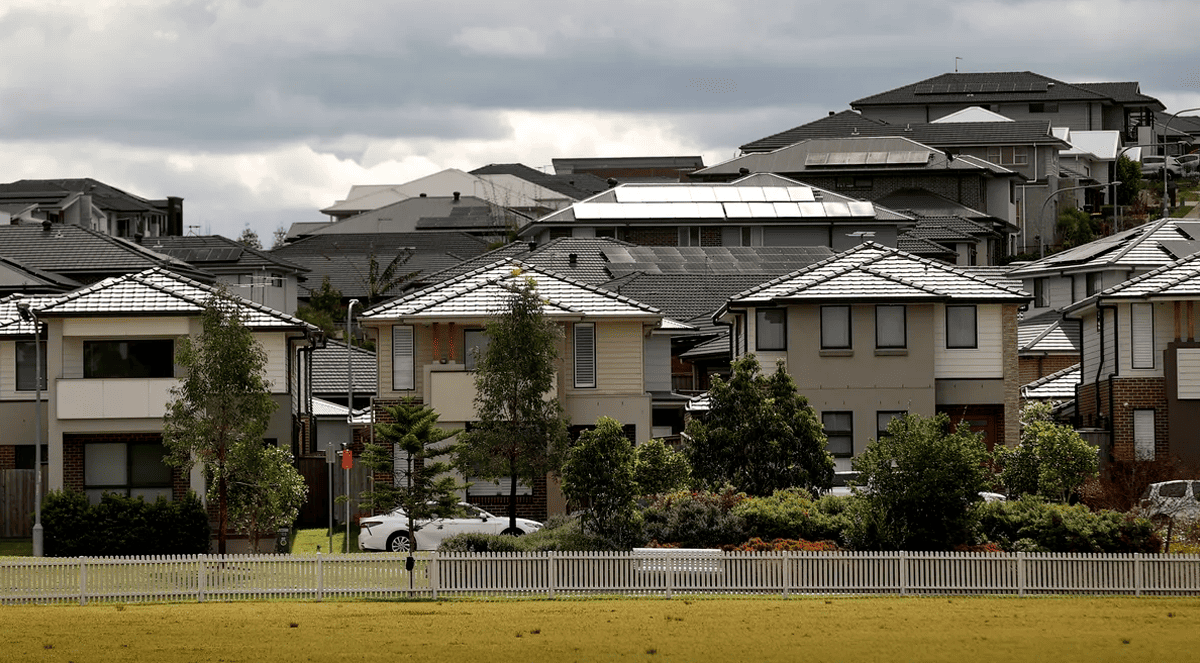
Sydney and Melbourne homeowners are increasingly choosing not to sell into an easing property market, reducing the number of homes available and potentially limiting further price falls by putting a “floor” under prices.
Analysis from Ray White shows new listings fell 12.6% in Sydney between May and August and 9.7% in Melbourne, compared with a national decline of 6.8%.
More importantly, the total stock of homes actively available for sale is also falling, down 5.6% in Sydney and 7.4% in Melbourne since the May Federal Budget, which announced major changes to the tax treatment of investment property.
Ray White, Australia’s largest real estate agency network, says that suggests the post-Budget downturn is entering a different phase.
Separate price data from SQM Research also shows that tighter listings are coinciding with small price increases in Sydney houses and Melbourne apartments.
The details
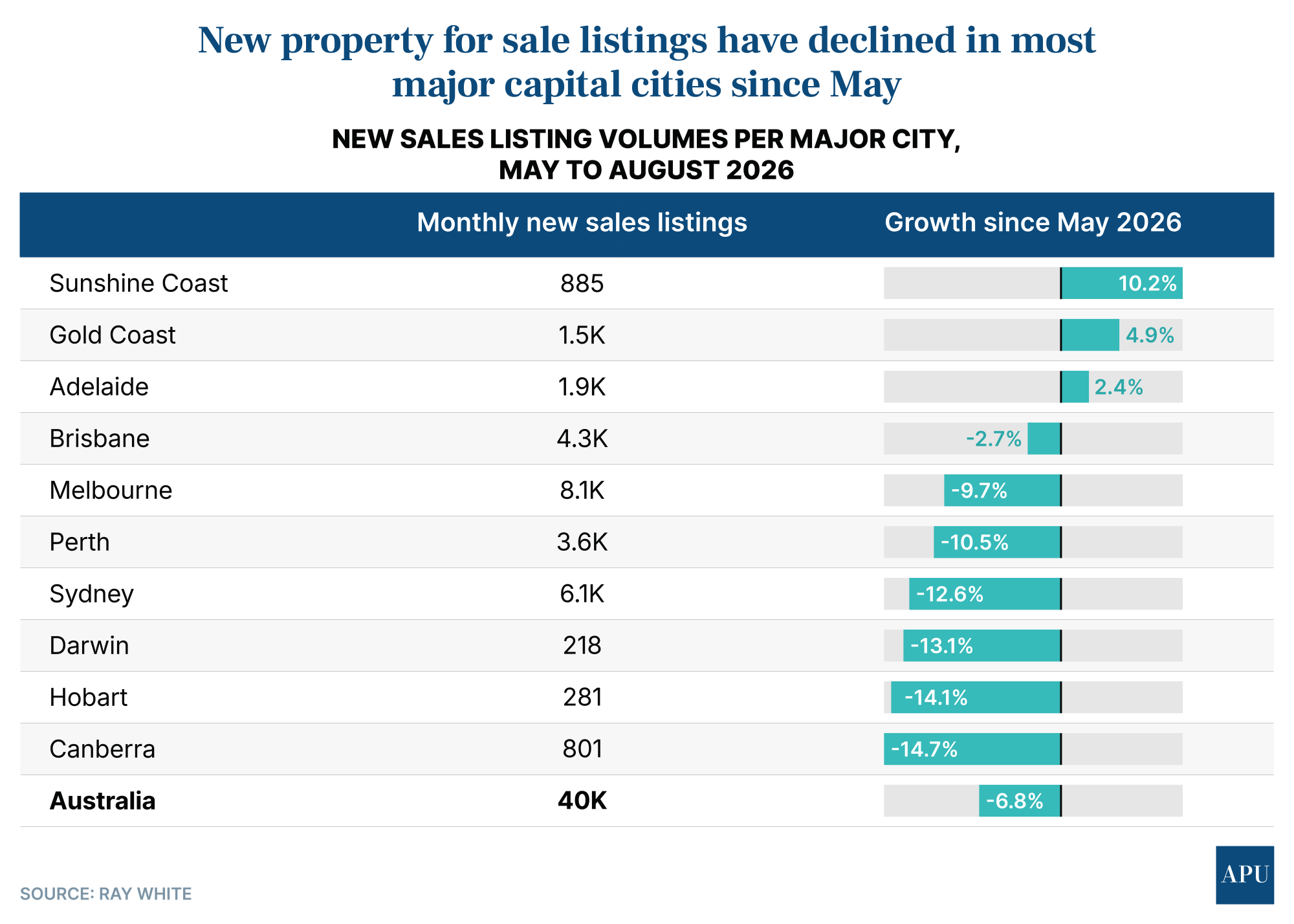
Ray White data shows that rather than listings continuing to accumulate as buyer demand weakens, owners in Australia’s two largest housing markets are increasingly deciding to wait before selling.
“Since May, fewer properties have been coming onto the market in both cities and the total amount of stock available for sale has also fallen,” Ray White’s Chief Economist Nerida Conisbee says.
Ms Conisbee highlights the distinction between new listings and active listings.
New listings measure homes freshly brought to market.
Active listings measure the entire pool of properties still available, including homes carried over from previous months.
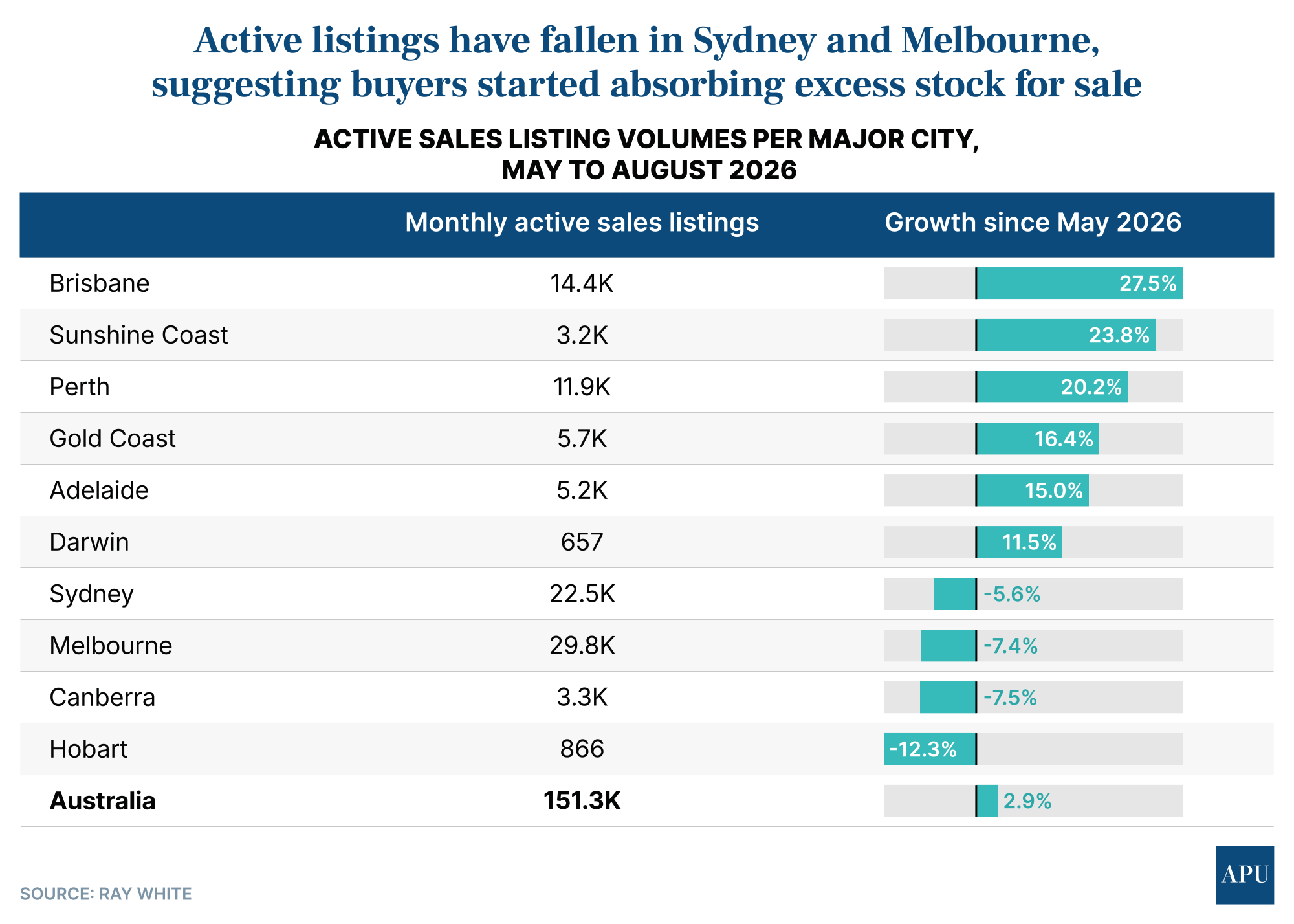
When both are falling, it suggests fewer owners are choosing to sell and existing stock is still being absorbed.
That’s now happening in Sydney and Melbourne.
Ms Conisbee says the behaviour reflects a characteristic feature of housing markets: unlike many other assets, homeowners are often able to postpone a sale when conditions are weak.
“When selling conditions deteriorate, some owners simply choose not to sell,” she says.
“When enough sellers make that decision, the reduction in new supply starts to offset weaker demand.”
The result is potentially significant for prices.
Buyer demand has weakened following three RBA rate increases this year, softer confidence and the Federal Budget’s property tax changes.
But if the number of homes available falls at the same time, buyers have fewer options and downward pressure on prices can become less intense.
Weekly price data from SQM Research appears to confirm that the current tightness in listings in the two biggest cities is coinciding with small price uplifts in Sydney’s house market and Melbourne apartments.
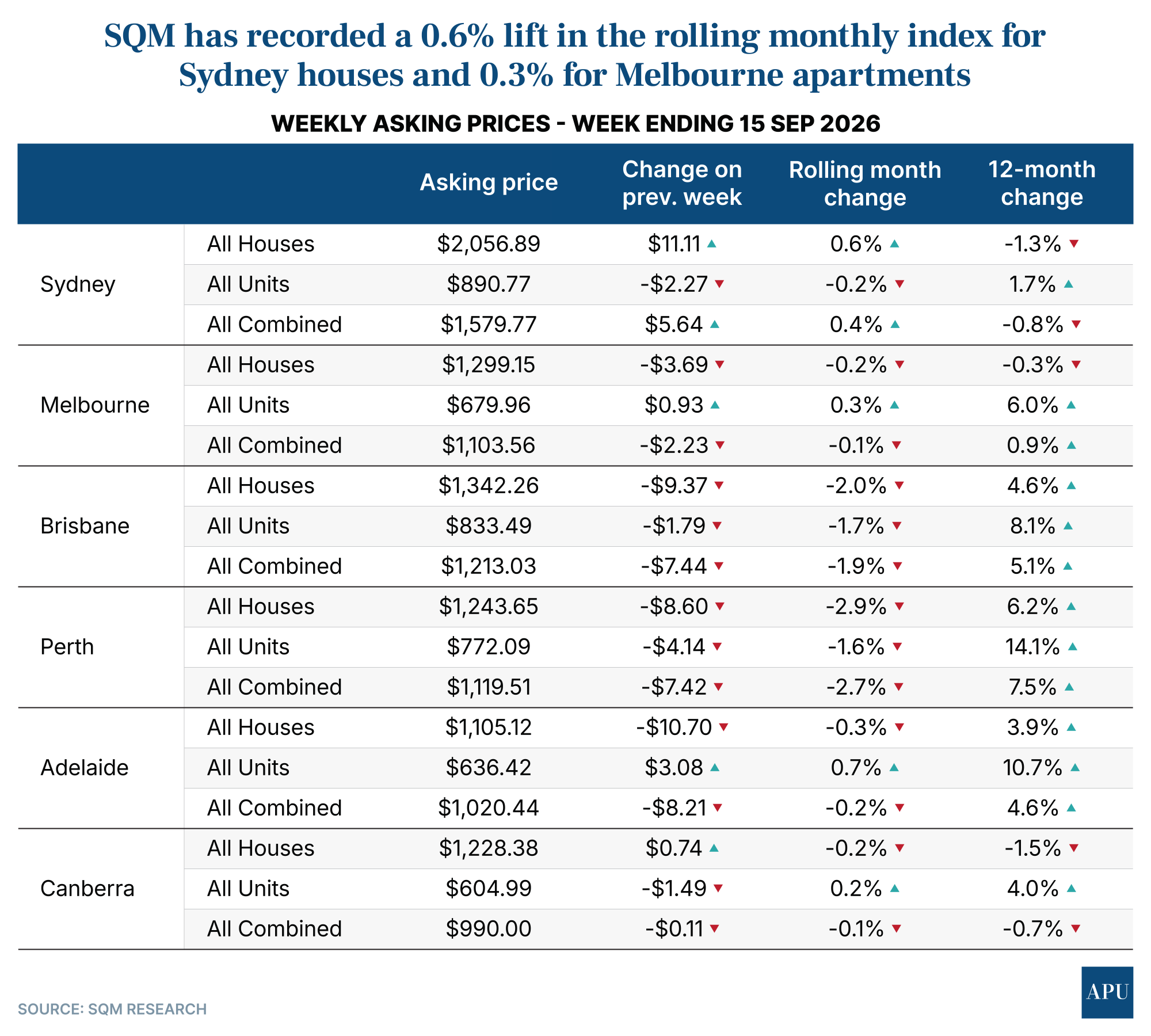
For the week ending 15 September 2026, SQM recorded a 0.6% lift in the rolling monthly index for Sydney houses and a 0.3% bump for Melbourne apartments.
The picture is very different in some of the mid-sized cities.
Ray White says new listings have fallen 2.7% in Brisbane since May and 10.5% in Perth.
Yet active listings have surged 27.5% in Brisbane and 20.2% in Perth.
Adelaide shows a similar pattern, with new listings up only 2.4% but active stock rising 15%.
That suggests these markets are not being flooded by sellers.
Instead, existing homes are taking longer to sell.
“The contrast with Brisbane and Perth is striking,” Ms Conisbee writes.
“Fewer homes are being newly listed, yet more properties are sitting on the market.”
Again, that pattern is consistent with the latest SQM data, which shows price declines in Brisbane and Perth over the past month as buyers gain more choice.
The Ray White and SQM data points to very different market dynamics.
In Sydney and Melbourne, sellers are reducing supply.
In Brisbane and Perth, buyers are taking longer to absorb the stock already available.
Cotality’s latest data also shows vendors have become more cautious.
In the four weeks to 6 September, new listings across the combined capitals were 6.2% lower than a year earlier, including declines of 18.8% in Sydney and 13.7% in Melbourne.
Total listings, however, remained 24.4% above a year earlier across the capitals because sales have been slower.
Auction activity tells a similar story.
Cotality says fewer vendors are choosing to bring properties to auction this spring than a year ago.

The take-out
Housing supply behaves differently from demand because existing owners are often under no obligation to transact.
An investor may defer a sale.
An owner-occupier may postpone upgrading.
A downsizer may simply wait another year.
Those factors can make housing downturns self-limiting if unemployment remains low and forced selling is contained.
So far, there’s little evidence of widespread distress.
But that doesn’t necessarily mean prices are about to rebound.
Interest rates remain high, buyer confidence is weak and another RBA increase would further reduce borrowing capacity.
Even so, the balance between buyers and sellers is beginning to change.
“For Sydney and Melbourne, that seller pullback provides an important buffer against further weakness, but the outlook remains fragile,” Ms Conisbee says.
“For now, however, buyers are also being presented with fewer properties to choose from.”




.jpg?width=1920&height=1080&name=WTF%20Is%20Happening%20To%20The%20Housing%20Market!%20$500%20Billion%20Wiped%20Out%20As%20Prices%20Fall%20Faster%20Every%20Month%20Scott%20Kuru%20YPU%20027%20(1).jpg)
%20Scott%20Kuru%20YPU%20025.jpg?width=1920&height=1080&name=This%20Is%20Worse%20Than%20A%20Recession%20RBA%20Admits%20Australias%20Wage%20Collapse%20Cant%20Be%20Stopped%20(Prepare%20Now)%20Scott%20Kuru%20YPU%20025.jpg)


























.jpg?width=1920&height=1080&name=EXPOSED%20How%20The%20Govt%20Let%20These%20Oil%20Giants%20Get%20Away%20With%20Paying%20Zero%20Tax%20For%20Aussie%20Gas%20Scott%20Kuru%20DPU%20256%20(1).jpg)







%20Scott%20Kuru%20DPU%20248.jpg?width=1920&height=1080&name=Major%20Banks%20CAUGHT%20Preparing%20For%20Australia%E2%80%99s%20Biggest%20Housing%20Crash%20(Defaults%20%26%20Bankruptcies%20Coming)%20Scott%20Kuru%20DPU%20248.jpg)
%20Scott%20Kuru%20DPU%20247.jpg?width=1920&height=1080&name=This%20Is%20How%20Australia%20Gets%20Pushed%20Into%20the%20Next%20Big%20Reset%20(Trust%20Collapse%20Has%20Officially%20Begun)%20Scott%20Kuru%20DPU%20247.jpg)







%20Scott%20Kuru%20DPU%20239.jpg?width=1920&height=1080&name=URGENT%20Life%20In%20Australia%20Has%20Become%20Impossible%20For%20Millions%20Of%20Aussies%20(It%E2%80%99s%20About%20To%20Get%20Worse)%20Scott%20Kuru%20DPU%20239.jpg)










%20Scott%20Kuru%20DPU%20227.jpg?width=1920&height=1080&name=URGENT%20ALERT%20Australia%E2%80%99s%20Property%20Market%20Is%20Sliding%20Into%20Something%20Much%20Bigger%20(Prepare%20Now)%20Scott%20Kuru%20DPU%20227.jpg)





%20Scott%20Kuru%20DPU%20221.jpg?width=1920&height=1080&name=The%20AI%20Situation%20in%20Australia%20Just%20Hit%20a%20Point%20of%20No%20Return...%20(Major%20Bank%20Proves%20It)%20Scott%20Kuru%20DPU%20221.jpg)