









.png?width=292&height=292&name=Copy%20Link%20(1).png)

 SIGN UP FOR FREE NEWSLETTER
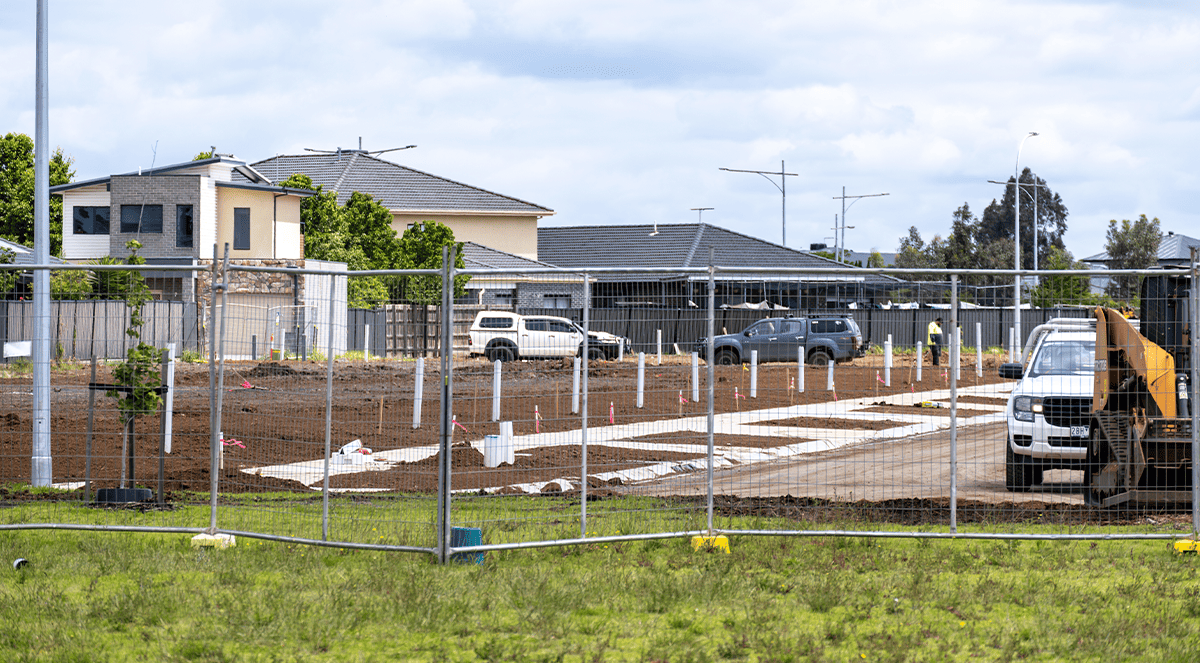
Australia’s housing debate usually seems to rest on a simple assumption: build more homes and prices will become more affordable.
At face value that seems to make sense in a country with a chronic undersupply of housing in the face of strong population growth.
But one of the nation’s leading housing and construction analysts, Dr Robert Sobyra, argues the relationship is far more complicated than the usual political debate suggests.
The details

Image from BuildSkills Australia
Dr Robert Sobyra is Executive Director of Research and Planning at BuildSkills Australia.
In a new essay he argues that it’s important for people to realise that housing supply responds to prices, rather than setting them.
When established home values rise, more projects become commercially viable and developers build more.
When prices fall, feasibility deteriorates and projects are delayed or abandoned.
That means falling prices can actually reduce new housing supply.
“Developers are price takers not makers,” Dr Sobyra writes.
“A developer doesn’t get to decide what a two-bedroom apartment on the Gold Coast is worth.
“That price is established in the broader housing market dominated by transactions in existing dwellings.”
Dr Sobyra says there’s a distinction between two very different meanings of housing “supply”.
For policymakers, supply generally means the number of new homes being built.
That definition matters when discussing whether Australia has enough housing for its growing population.
But when it comes to determining house prices, Dr Sobyra argues the more relevant measure is the stock currently listed for sale.
“For most economists and policymakers, supply means the flow of newly built dwellings,” he writes.
“If you care about house prices - or its euphemism, ‘affordability’ - you’re better off thinking like a real estate agent.”
Dr Sobyra says the logic is straightforward.
Buyers compete with other active buyers.
Sellers compete with other homes currently on the market.
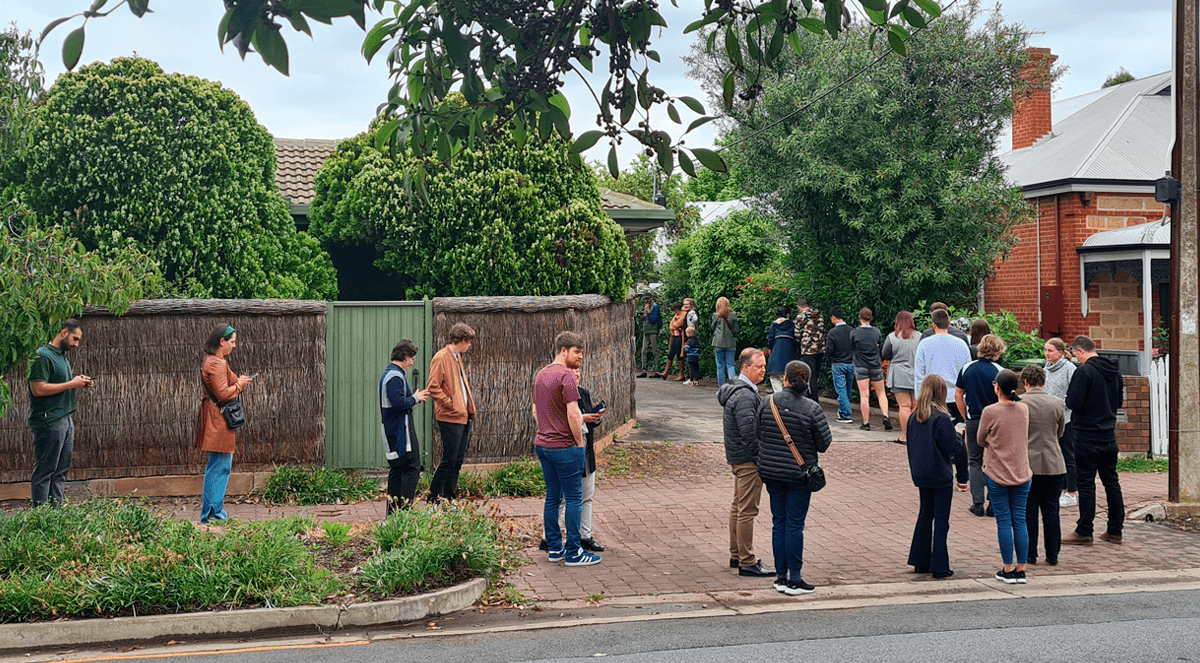

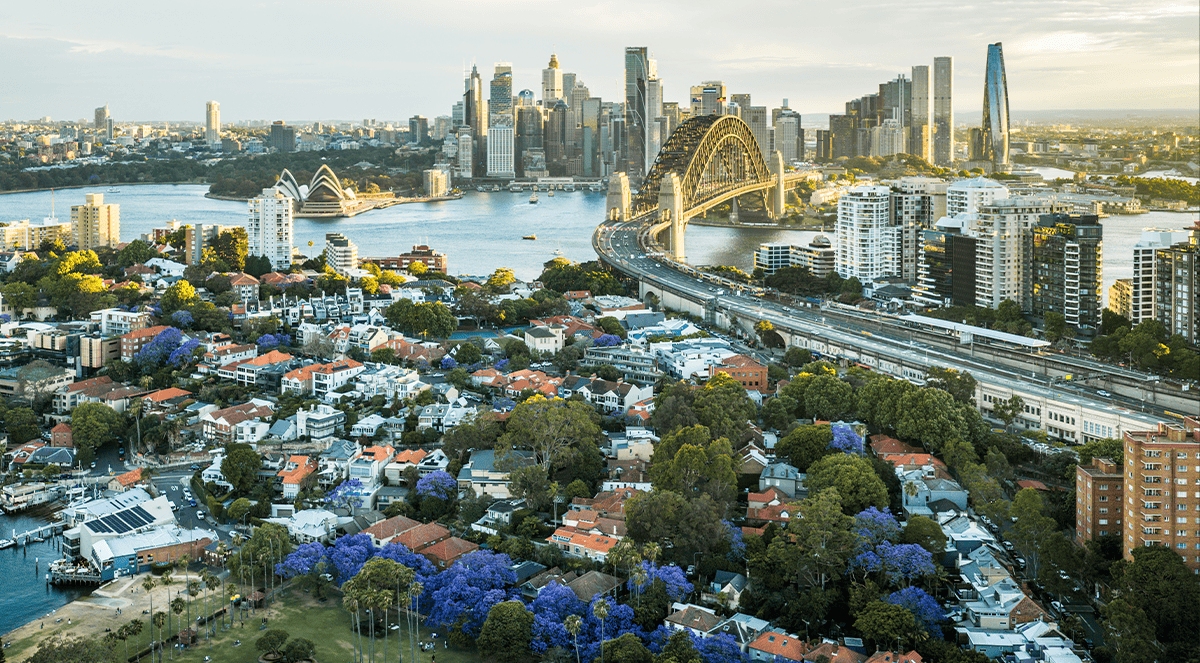
And because the overwhelming majority of properties available for purchase are existing dwellings, the established market dominates price formation.
SQM Research recorded 269,717 residential properties listed for sale nationally in August 2026, while Dr Sobyra estimates new dwelling completions are running at roughly 15,000 a month.
Even if every completed home immediately entered the sales market, which they do not, new homes would still represent only a small share of the available stock.
Many are built for owner-occupiers, while others are retained by investors rather than offered for resale.
“So even if new construction doubled, the secondary market would remain overwhelmingly dominant in price formation,” he writes.
“The reality is new development operates at the margin of a much larger housing market.”
That helps explain a seemingly counterintuitive feature of housing markets: new construction often rises as home prices rise, and prices for the new stock tends to “meet the market”, rather than pushing prices overall down.
Robert Sobyra says developers work backwards from the price buyers are willing to pay.
From that expected selling price, they subtract construction costs, finance, taxes, planning expenses and the price of land.
If enough margin remains, the project proceeds.
If it does not, the development is shelved.
“If market prices are too low to justify development, the project doesn’t proceed,” Dr Sobyra says.
“Rising prices, by contrast, means more projects become viable.”
That relationship between development feasibility and home prices is now becoming increasingly relevant as Australian dwelling values soften.
The Housing Industry Association reported recently that new-home sales fell 10% in August and were down 19.3% over winter, warning that weaker sales could flow through to fewer housing starts in 2027.
The Reserve Bank also expects dwelling activity to weaken.

Image by Oscar Colman/AFR
Assistant Governor Sarah Hunter said recently the RBA expects residential construction to decline into late 2027 and 2028 as softer conditions affect development activity.
Does that mean supply doesn’t matter?
Not quite.
More housing supply can improve affordability over time by increasing the stock of dwellings relative to population, but the effect on prices depends on scale, location and market conditions.
Dr Sobyra’s point is that incremental new construction does not directly set the price of Australia’s existing housing stock.
And if prices fall too far, developers may simply stop building.
That’s why measures designed to cut the cost of construction or loosen planning rules do not automatically translate into cheaper homes for buyers.
Even if a new project becomes cheaper to deliver, the developer will generally still sell at the prevailing market price rather than below it.
That leaves governments in a difficult position.
Australia needs more homes to accommodate population growth and relieve pressure on rents.
But Australia’s overwhelmingly private development system only produces those homes when projects are commercially viable.
Dr Sobyra argues that expecting modest increases in construction to materially reset prices across a housing market dominated by millions of existing dwellings misunderstands how prices are formed.
“No serious policymaker is proposing anything large enough for new construction to dominate the secondary market,” he writes.
“That would require an intervention on the scale of mass public provision of housing, not some incremental planning reforms.”
The lesson is not that Australia should stop trying to build more homes.
It’s that housing supply solves one problem - whether there are enough dwellings - more directly than another: what buyers will actually pay for them.
And in a privately-developed housing market, lower prices can mean the very projects needed to increase supply are no longer worth building.
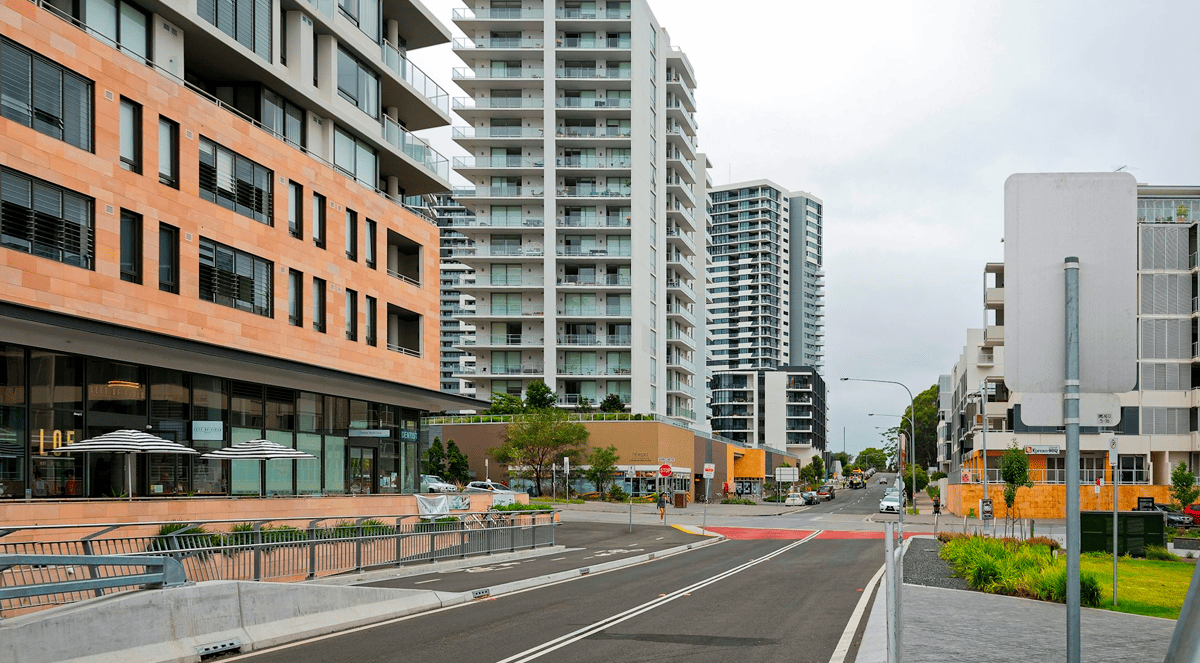







.jpg?width=1920&height=1080&name=WTF%20Is%20Happening%20To%20The%20Housing%20Market!%20$500%20Billion%20Wiped%20Out%20As%20Prices%20Fall%20Faster%20Every%20Month%20Scott%20Kuru%20YPU%20027%20(1).jpg)
%20Scott%20Kuru%20YPU%20025.jpg?width=1920&height=1080&name=This%20Is%20Worse%20Than%20A%20Recession%20RBA%20Admits%20Australias%20Wage%20Collapse%20Cant%20Be%20Stopped%20(Prepare%20Now)%20Scott%20Kuru%20YPU%20025.jpg)



























.jpg?width=1920&height=1080&name=EXPOSED%20How%20The%20Govt%20Let%20These%20Oil%20Giants%20Get%20Away%20With%20Paying%20Zero%20Tax%20For%20Aussie%20Gas%20Scott%20Kuru%20DPU%20256%20(1).jpg)







%20Scott%20Kuru%20DPU%20248.jpg?width=1920&height=1080&name=Major%20Banks%20CAUGHT%20Preparing%20For%20Australia%E2%80%99s%20Biggest%20Housing%20Crash%20(Defaults%20%26%20Bankruptcies%20Coming)%20Scott%20Kuru%20DPU%20248.jpg)
%20Scott%20Kuru%20DPU%20247.jpg?width=1920&height=1080&name=This%20Is%20How%20Australia%20Gets%20Pushed%20Into%20the%20Next%20Big%20Reset%20(Trust%20Collapse%20Has%20Officially%20Begun)%20Scott%20Kuru%20DPU%20247.jpg)







%20Scott%20Kuru%20DPU%20239.jpg?width=1920&height=1080&name=URGENT%20Life%20In%20Australia%20Has%20Become%20Impossible%20For%20Millions%20Of%20Aussies%20(It%E2%80%99s%20About%20To%20Get%20Worse)%20Scott%20Kuru%20DPU%20239.jpg)










%20Scott%20Kuru%20DPU%20227.jpg?width=1920&height=1080&name=URGENT%20ALERT%20Australia%E2%80%99s%20Property%20Market%20Is%20Sliding%20Into%20Something%20Much%20Bigger%20(Prepare%20Now)%20Scott%20Kuru%20DPU%20227.jpg)





%20Scott%20Kuru%20DPU%20221.jpg?width=1920&height=1080&name=The%20AI%20Situation%20in%20Australia%20Just%20Hit%20a%20Point%20of%20No%20Return...%20(Major%20Bank%20Proves%20It)%20Scott%20Kuru%20DPU%20221.jpg)