









.png?width=292&height=292&name=Copy%20Link%20(1).png)

 SIGN UP FOR FREE NEWSLETTER
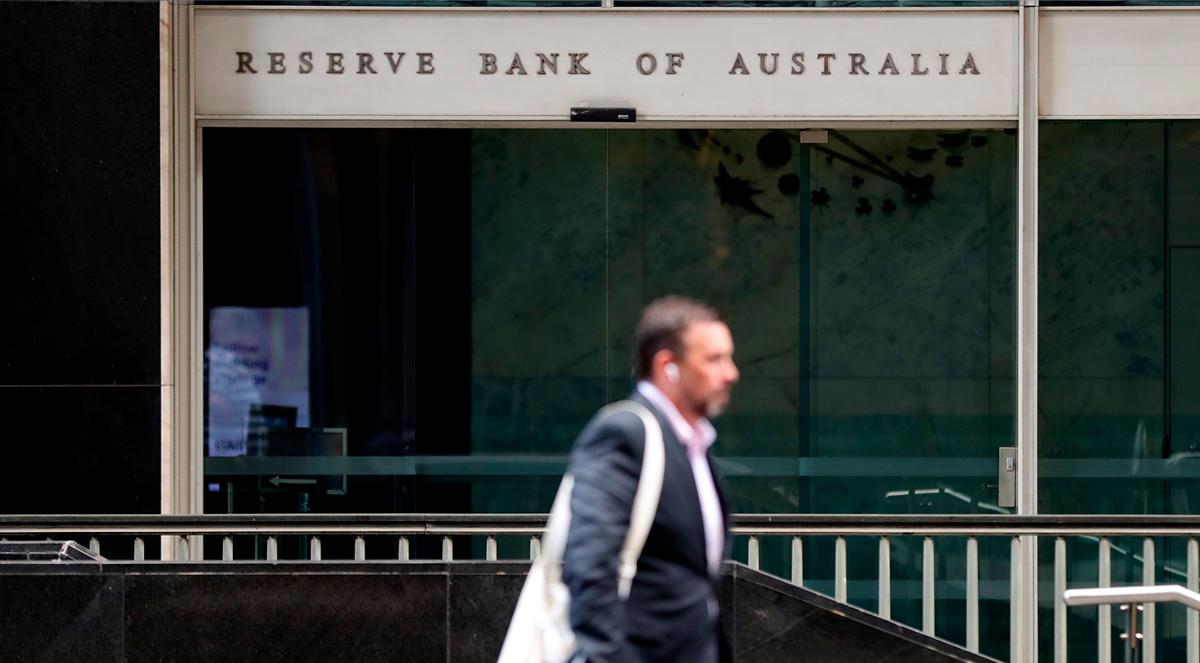
Image from Bloomberg
New inflation data, which takes into account the impact of Middle East conflict on energy prices in Australia, has been released, coming in below market expectations.
However, the softer-than-expected numbers from the Australian Bureau of Statistics are unlikely to be enough to prevent the Reserve Bank of Australia from raising the cash rate at its monetary policy board meeting next week.
The details
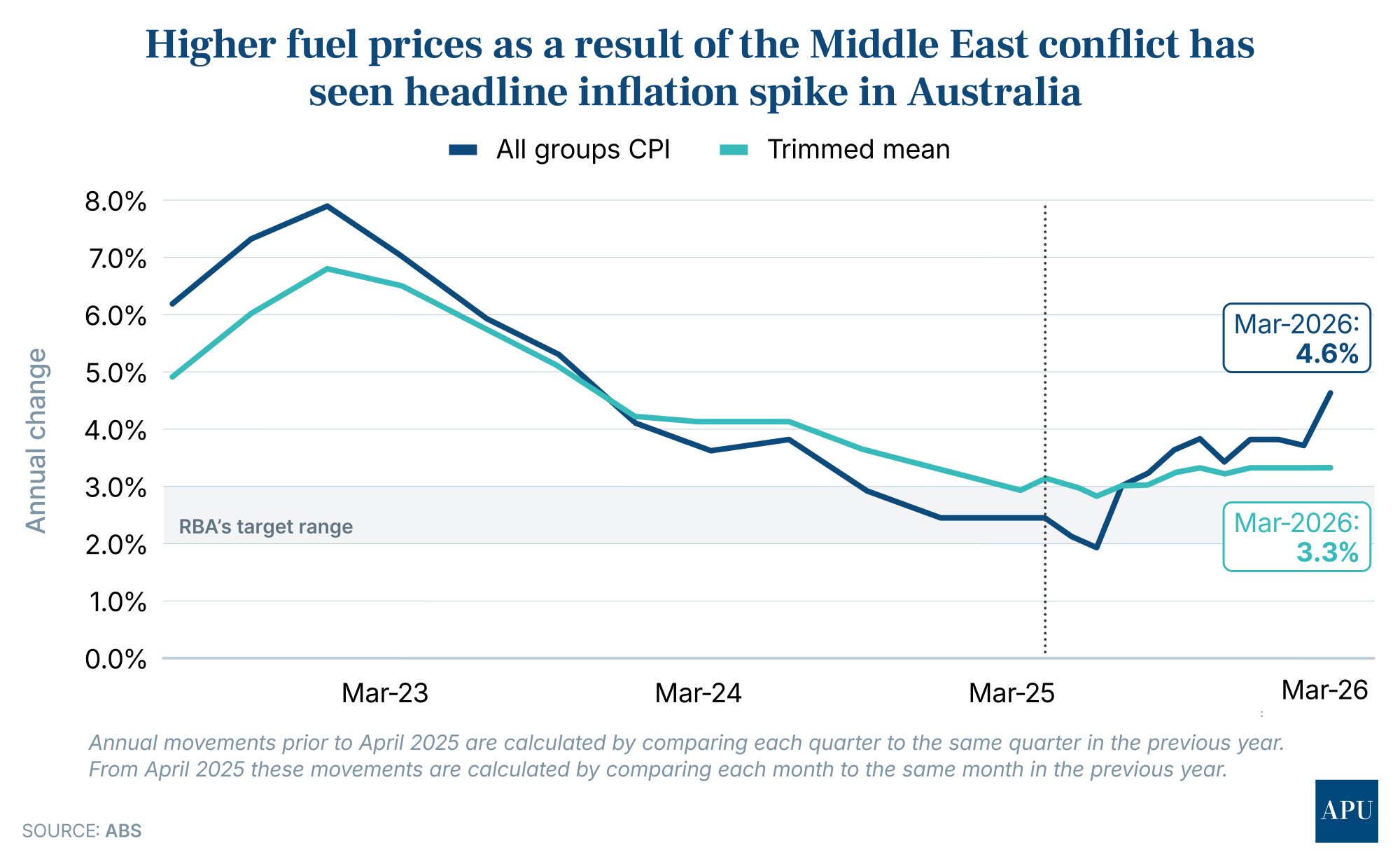
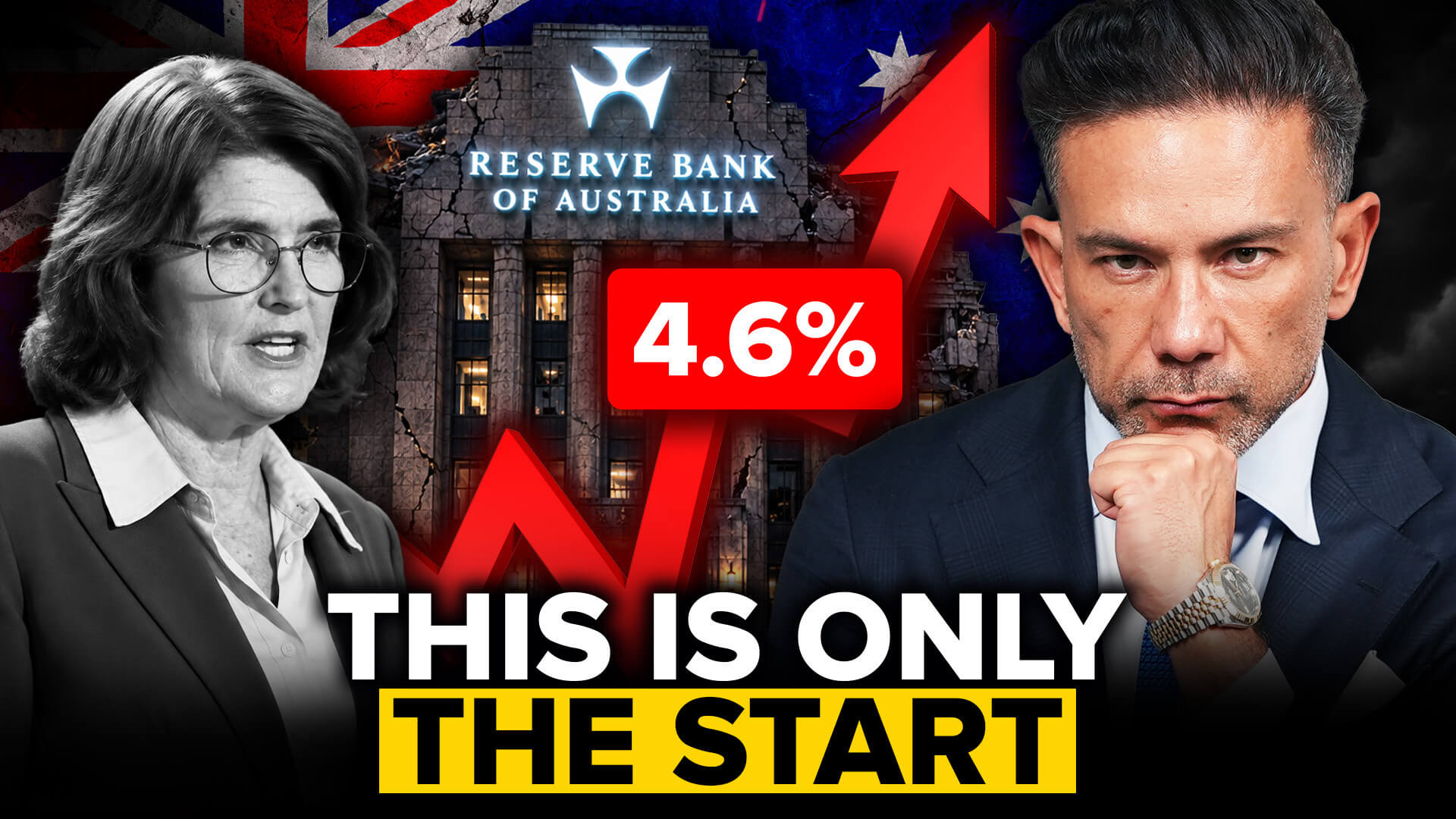
The ABS says that in the 12 months to the end of March 2026, Australia’s main inflation indicator, the Consumer Price Index (CPI) jumped 4.6%, up from 3.7% in the 12 months to February.
The largest contributors to annual inflation came in the Transport category (+8.9%), which includes fuel; Housing (+6.5%), which includes rents and energy prices like gas and electricity, and Food and non-alcoholic beverages (+3.1%).
The numbers have been keenly anticipated by economists and market watchers, as they provide the first real read on inflation in Australia that takes into account the Middle East conflict - which began at the end of February with US and Israeli attacks on Iran - and the subsequent spike in global oil prices.
On a monthly basis, CPI rose by 1.1% in the month of March - slightly below market expectations of a 1.3% increase.
Nevertheless, at 4.6%, it’s the highest annual inflation reading since September 2023.
Stripping out the volatility of high fuel prices, the Reserve Bank of Australia’s preferred Trimmed Mean or core inflation measure was 3.3%, unchanged from 3.3% in the 12 months to February 2026.
That’s still above the RBA’s mandated target of maintaining inflation at 2-3%.
While the RBA publicly maintains its focus is on core inflation, Ben Udy, the lead economist at Oxford Economics Australia, says this time the central bank will be looking closely at the headline CPI figure.
“The trimmed mean measure takes out the top 10% and bottom 10% of price movements - so that strips out anything that's had a really sharp increase in the month,” he says.
“And so fuel is the thing that has moved the most sharply in March and so that does get stripped out of those measures.
“That means the trimmed mean captures, you know, a little bit more of the underlying basket (of goods and services used to calculate inflation).
“But what the RBA is really thinking more about right now is not so much how the rest of the economy was doing going into this crisis, but how this crisis is going to affect the rest of the economy in the months ahead,” Mr Udy told ABC News.
He says the central bank will be considering how higher fuel prices will start feeding through to things like food prices and transport costs in the weeks and months ahead.
Ben Udy says Oxford Economics is expecting headline CPI inflation to peak above 5% in the second quarter of the year (April, May and June) and underlying inflation to peak over 4%.
“So how severe those price…impacts become depends a lot on what happens in the Middle East in the next few months,” he says.
“But it's very clear that inflation is heading higher and we'll see that in probably the Q2 data most severely.”
As a result of another looming rise in inflation data, Ben Udy thinks the Reserve Bank of Australia will raise the cash rate again by 0.25% at its monetary policy board meeting next week, taking rates to 4.35% as a pre-emptive strike against inevitable higher inflation.
He says the central bank is in a tough position.
“The RBA is really stuck between a rock and a hard place - on the one hand, they have inflation rising pretty sharply and beginning to pass through to, you know, beyond just fuel prices to other prices in the economy.
“But on the other hand, the real economy is struggling.. and is struggling to absorb that increase in prices,” he says.
“And if the RBA responds by hiking rates, that's going to put the real economy under even more pressure - households to kind of feel a pinch even more - so it's a tough position to be in.”
Following the release of the inflation data, money market traders eased their bets on an RBA interest rate hike next week from around an 86% chance to 77%.
But, overwhelmingly, the smart money is still pointing to a rate hike in May.
After that, it appears to be anyone’s guess.
Westpac Bank has forecast three 0.25% rate hikes by the RBA this year, which would take the cash rate to an eye-watering 4.85% - the highest interest rates seen in Australia since November 2008.
Ben Udy from Oxford Economics says he believes there will only be one more rate hike from the RBA this year - coming next week.
However, if the Middle East conflict drags on and oil supplies are disrupted for an extended period of time, he acknowledges that it will be “more likely more rate hikes are needed.”
And that’s not great news for Australians with a mortgage.




.jpg?width=1920&height=1080&name=WTF%20Is%20Happening%20To%20The%20Housing%20Market!%20$500%20Billion%20Wiped%20Out%20As%20Prices%20Fall%20Faster%20Every%20Month%20Scott%20Kuru%20YPU%20027%20(1).jpg)
%20Scott%20Kuru%20YPU%20025.jpg?width=1920&height=1080&name=This%20Is%20Worse%20Than%20A%20Recession%20RBA%20Admits%20Australias%20Wage%20Collapse%20Cant%20Be%20Stopped%20(Prepare%20Now)%20Scott%20Kuru%20YPU%20025.jpg)
























.jpg?width=1920&height=1080&name=EXPOSED%20How%20The%20Govt%20Let%20These%20Oil%20Giants%20Get%20Away%20With%20Paying%20Zero%20Tax%20For%20Aussie%20Gas%20Scott%20Kuru%20DPU%20256%20(1).jpg)







%20Scott%20Kuru%20DPU%20248.jpg?width=1920&height=1080&name=Major%20Banks%20CAUGHT%20Preparing%20For%20Australia%E2%80%99s%20Biggest%20Housing%20Crash%20(Defaults%20%26%20Bankruptcies%20Coming)%20Scott%20Kuru%20DPU%20248.jpg)
%20Scott%20Kuru%20DPU%20247.jpg?width=1920&height=1080&name=This%20Is%20How%20Australia%20Gets%20Pushed%20Into%20the%20Next%20Big%20Reset%20(Trust%20Collapse%20Has%20Officially%20Begun)%20Scott%20Kuru%20DPU%20247.jpg)







%20Scott%20Kuru%20DPU%20239.jpg?width=1920&height=1080&name=URGENT%20Life%20In%20Australia%20Has%20Become%20Impossible%20For%20Millions%20Of%20Aussies%20(It%E2%80%99s%20About%20To%20Get%20Worse)%20Scott%20Kuru%20DPU%20239.jpg)










%20Scott%20Kuru%20DPU%20227.jpg?width=1920&height=1080&name=URGENT%20ALERT%20Australia%E2%80%99s%20Property%20Market%20Is%20Sliding%20Into%20Something%20Much%20Bigger%20(Prepare%20Now)%20Scott%20Kuru%20DPU%20227.jpg)





%20Scott%20Kuru%20DPU%20221.jpg?width=1920&height=1080&name=The%20AI%20Situation%20in%20Australia%20Just%20Hit%20a%20Point%20of%20No%20Return...%20(Major%20Bank%20Proves%20It)%20Scott%20Kuru%20DPU%20221.jpg)