









.png?width=292&height=292&name=Copy%20Link%20(1).png)

 SIGN UP FOR FREE NEWSLETTER
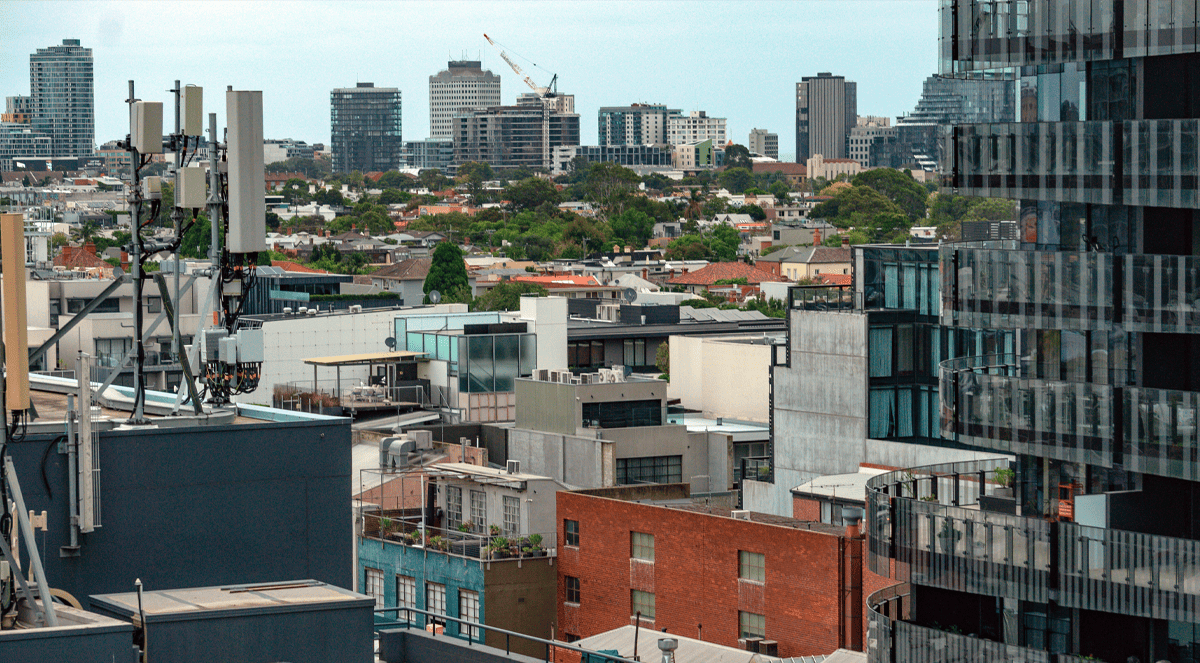
Australia’s housing market is showing clear signs of cooling after several years of exceptional growth, with new analysis from Cotality suggesting higher interest rates and worsening affordability are beginning to slow buyer demand, particularly in Sydney and Melbourne.
But while conditions are softening, the data firm says the property market enters this phase from a position of considerable strength, with most homeowners sitting on substantial equity gains and mortgage stress remaining relatively contained.
The details
Cotality’s latest Housing Chart Pack indicates the national property market is moving into a more measured phase after the rapid gains seen since the pandemic.
The company says Australia’s combined capital city markets have experienced 10 downturns lasting at least three months over the past four decades, with the current cycle now appearing to follow a familiar pattern.
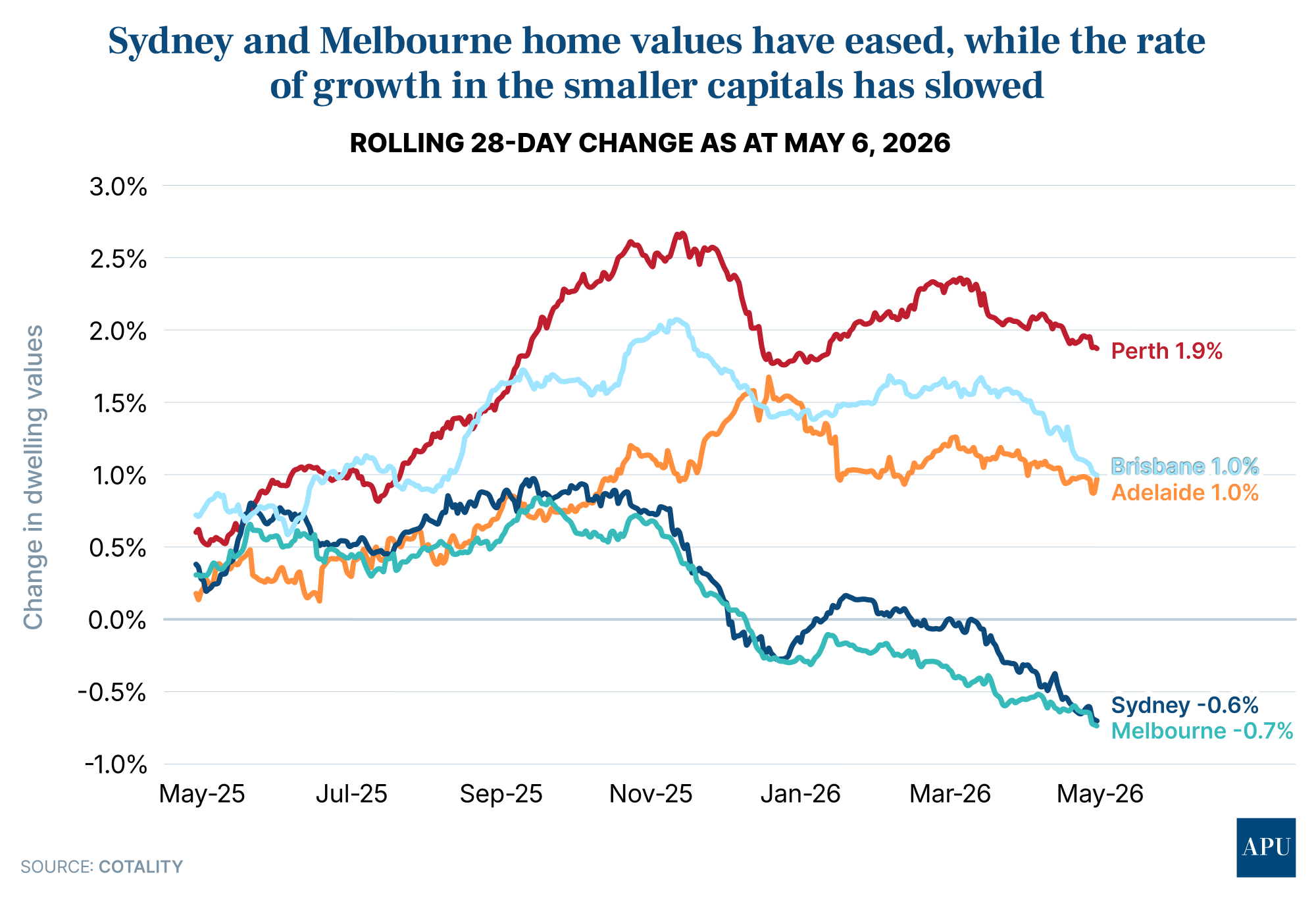
“Sydney and Melbourne are already five months into the early phases of decline, while growth is slowing across the mid-sized capitals,” says Cotality Research Director Tim Lawless.
“Listings are picking up as demand softens, interest rates are rising while affordability and serviceability pressures are biting.”
The shift comes after a prolonged period of strong price growth that significantly boosted homeowner wealth across much of the country.
According to Cotality, combined capital city home values have risen 33.7% over the past five years, while markets such as Perth, Brisbane and Adelaide have recorded extraordinary gains of around 80% to 90% over the same period.
That strong run-up in values is expected to provide an important buffer as the market cools.
Mr Lawless says the current slowdown had been building for some time, even before the Reserve Bank of Australia began lifting interest rates again this year.
“This trend has been amplified by seventy-five basis points of rate hikes so far this year and the chance of another hike, or hikes, later in the year.
“Importantly, the market was already slowing well before the hiking cycle commenced, highlighting the downside impact of waning confidence from late last year alongside rising inflation and worsening levels of housing affordability,” Mr Lawless says.
Despite the moderation, the data suggests the current environment is more consistent with a cyclical easing than a severe correction.
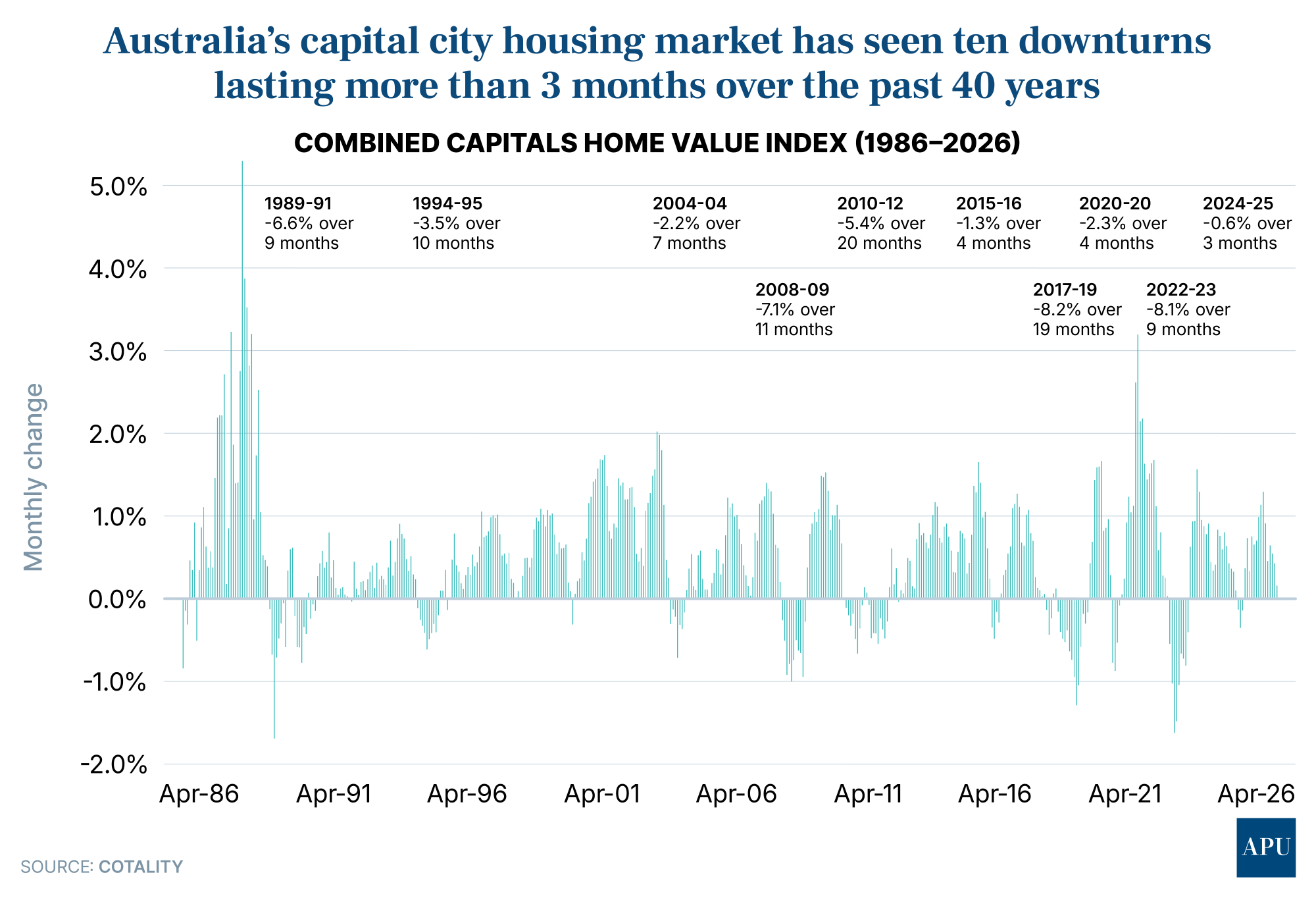
“Historically, (Australian) housing downturns have been relatively short-lived, with all but three capital city downturns over the past 40 years lasting less than 12 months, although the length and magnitude have varied from city to city,” Mr Lawless points out.
Surprisingly, the largest downturn over the past four decades did not occur as the result of a major economic shock, like the Global Financial Crisis, the Covid pandemic or the late 80’s stock market crash.
It took place between 2017 and 2019, when capital city values fell 8.2% over 19 months following tighter lending restrictions introduced after the Banking Royal Commission.
More recently, home values dropped 8.1% over nine months during the RBA’s aggressive 2022–23 rate hiking cycle.
Even then, the market rebounded strongly once borrowing conditions stabilised.
Regional Australia is also likely to help cushion the broader market this time around.
Lower price points, lifestyle migration and relative affordability have continued to underpin many regional markets, even as activity in Sydney and Melbourne eases.
At the same time, supply levels are beginning to normalise after years of exceptionally tight conditions.
Cotality says 39,319 properties were added to the market nationally in the four weeks to early May, 4.7% above the five-year average.
While overall advertised stock remains relatively low nationally, listings are now sitting above average in Sydney, Melbourne and Canberra, giving buyers more choice and reducing the urgency that characterised the market over the past few years.
Importantly, the increase in listings appears to be driven more by softer demand than distressed selling.
Cotality says mortgage arrears remain relatively low at around 1.45%, below the 1.69% peak seen when interest rates were previously at similar levels in mid-2024.
“An expectation that labour markets will remain tight, as well as a history of stringent prudential standards, including the three percentage point mortgage serviceability buffer, should help to keep mortgage arrears low as interest rates rise,” Mr Lawless says.
That resilience is being helped by the large equity buffers many households built during the boom years.
The Reserve Bank of Australia has estimated that less than 1% of households were in negative equity at the start of this year, meaning most borrowers still owe substantially less than their property is worth.
However, recent buyers who entered the market with smaller deposits may be more exposed if prices soften further.
“Recent buyers are arguably at more risk of seeing negative equity, given they have had less time to accrue value in their property or pay down the principal of their loan,” Mr Lawless says.
“However, mortgage repayments are typically prioritised, with borrowers more likely to adjust spending elsewhere before missing a payment.”
The changing market dynamics are also beginning to reshape buyer behaviour.
With borrowing capacity constrained and higher-end markets losing momentum, demand is increasingly shifting toward more affordable property and cities where prices remain lower.
That trend is already evident in Perth, Adelaide and Brisbane, where values continue to rise despite a slower pace of growth.
While the pace of growth may be slowing, the broader housing market remains underpinned by low unemployment, tight rental supply and a chronic shortage of new housing construction nationally.
The take-out
Cotality’s warning that the property market is on the cusp of a downturn sounds ominous, so it’s worth examining how they measure this.
Every day, Cotality’s computers give every house and apartment in Australia a nominal value, using sales and other information.
When Cotality refers to a “fall” in Sydney values, it is talking about the median dwelling (a combination of houses and apartments) value in the city falling.
What pushes “median” values down?
Less sales of high value properties and more sales of cheaper, affordable property, as more buyers “move down” the price ladder and vendors of more expensive property start discounting.
That explains how in a city the size of Sydney, Cotality’s latest monthly figures show suburbs in the Richmond-Windsor area experiencing astonishing 15% annual price growth, while St. Marys saw 14%.
And much of that growth in “cheaper” areas has come while the city’s overall median price eased.
Similarly, Cotality’s combined capitals measure is overwhelmingly weighted towards property in Sydney and Melbourne - the two cities traditionally most sensitive to interest rate pressure.
Research director Tim Lawless says the two cities take up 61% by value of the combined capitals measure and 45% of the national Cotality Home Value Index measure.
So on Cotality’s broad numbers, Sydney and Melbourne could well drag down the whole show - even if cities like Perth, Brisbane and Darwin are booming.
Nationwide, capital city and citywide measures of property prices and values are important, but they don’t tell the story of what’s happening on the ground at an individual property, on an individual street in one of Australia’s 15-thousand suburbs.









.jpg?width=1920&height=1080&name=WTF%20Is%20Happening%20To%20The%20Housing%20Market!%20$500%20Billion%20Wiped%20Out%20As%20Prices%20Fall%20Faster%20Every%20Month%20Scott%20Kuru%20YPU%20027%20(1).jpg)
%20Scott%20Kuru%20YPU%20025.jpg?width=1920&height=1080&name=This%20Is%20Worse%20Than%20A%20Recession%20RBA%20Admits%20Australias%20Wage%20Collapse%20Cant%20Be%20Stopped%20(Prepare%20Now)%20Scott%20Kuru%20YPU%20025.jpg)



























.jpg?width=1920&height=1080&name=EXPOSED%20How%20The%20Govt%20Let%20These%20Oil%20Giants%20Get%20Away%20With%20Paying%20Zero%20Tax%20For%20Aussie%20Gas%20Scott%20Kuru%20DPU%20256%20(1).jpg)







%20Scott%20Kuru%20DPU%20248.jpg?width=1920&height=1080&name=Major%20Banks%20CAUGHT%20Preparing%20For%20Australia%E2%80%99s%20Biggest%20Housing%20Crash%20(Defaults%20%26%20Bankruptcies%20Coming)%20Scott%20Kuru%20DPU%20248.jpg)
%20Scott%20Kuru%20DPU%20247.jpg?width=1920&height=1080&name=This%20Is%20How%20Australia%20Gets%20Pushed%20Into%20the%20Next%20Big%20Reset%20(Trust%20Collapse%20Has%20Officially%20Begun)%20Scott%20Kuru%20DPU%20247.jpg)







%20Scott%20Kuru%20DPU%20239.jpg?width=1920&height=1080&name=URGENT%20Life%20In%20Australia%20Has%20Become%20Impossible%20For%20Millions%20Of%20Aussies%20(It%E2%80%99s%20About%20To%20Get%20Worse)%20Scott%20Kuru%20DPU%20239.jpg)











%20Scott%20Kuru%20DPU%20227.jpg?width=1920&height=1080&name=URGENT%20ALERT%20Australia%E2%80%99s%20Property%20Market%20Is%20Sliding%20Into%20Something%20Much%20Bigger%20(Prepare%20Now)%20Scott%20Kuru%20DPU%20227.jpg)