









.png?width=292&height=292&name=Copy%20Link%20(1).png)

 SIGN UP FOR FREE NEWSLETTER
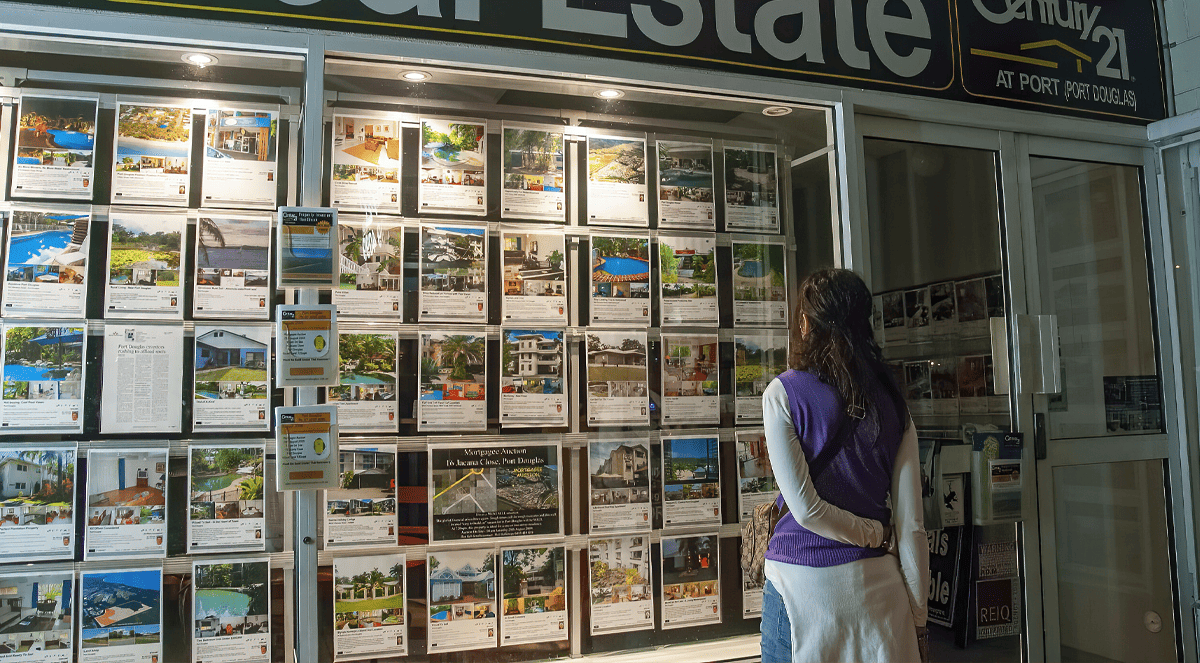
Australia’s housing market is showing fresh signs of strain, with new lending data revealing first-home buyers and owner-occupiers are retreating from the market just as the Federal Government attempts to make housing more accessible through sweeping property tax reforms.
New analysis from property research firm Cotality shows housing loan commitments fell sharply in the March quarter of 2026, as renewed Reserve Bank rate hikes, collapsing consumer confidence and worsening affordability combined to cool buyer demand across the country.
The details
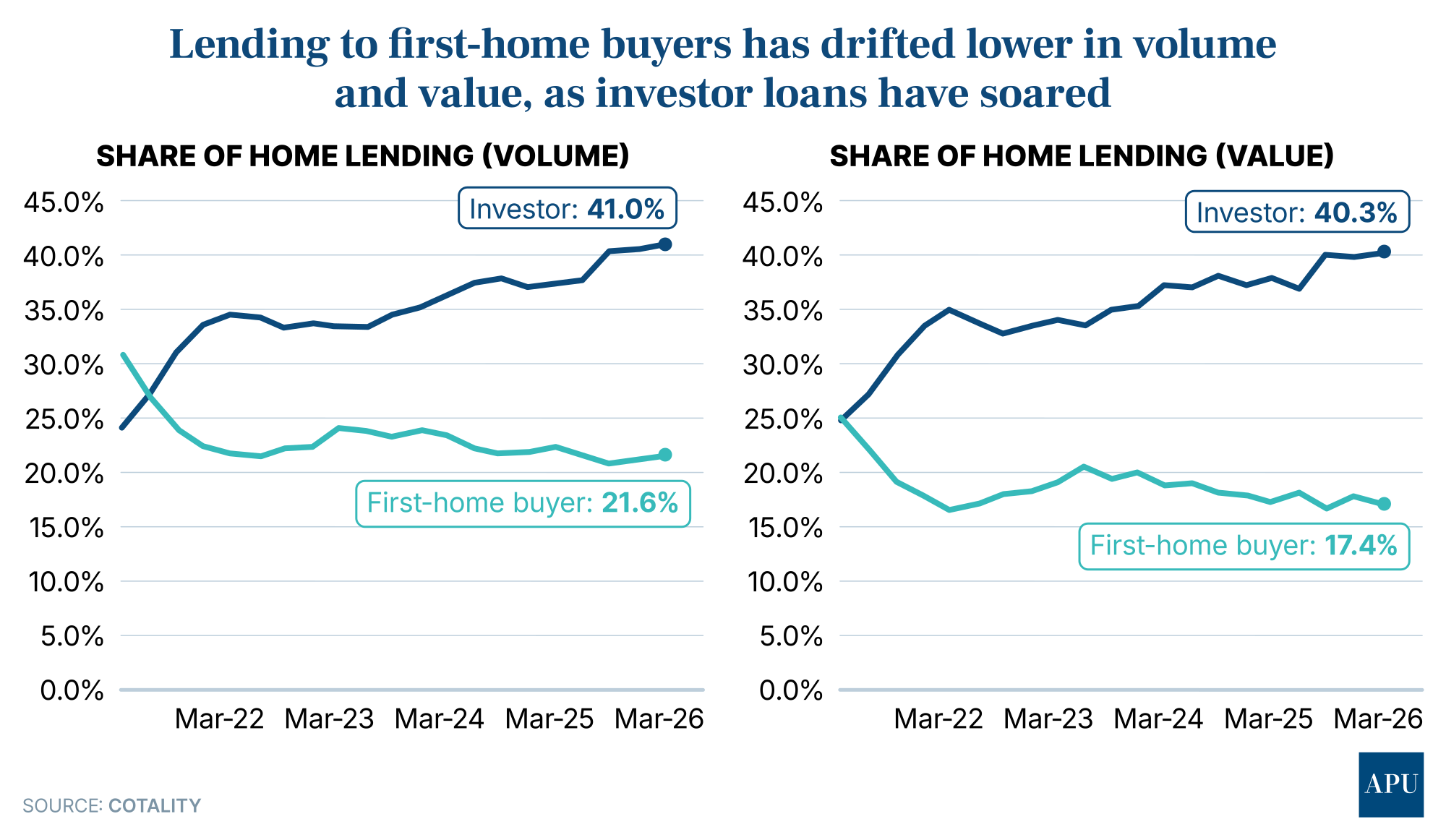
Cotality’s Head of Research, Gerard Burg, says the downturn in lending activity suggests Australia’s housing market is now “on the cusp of a downturn”, with Sydney and Melbourne already recording falling home values and growth slowing in several other capitals.
“Squeezed by renewed RBA rate hikes and plunging consumer confidence, Australia’s housing demand took a measurable hit in the March quarter,” Mr Burg says.
The latest ABS Lending Indicators show the total number of housing loan commitments fell 6.2% over the quarter, while the value of lending dropped 3.8%.
While all categories of buyers pulled back, owner-occupiers retreated faster than investors.
The volume of owner-occupier lending fell 6.9% in the March quarter, compared with a 5.3% decline in investor lending.
That pushed the investor share of total housing lending to a record 41% by volume - the highest level since the ABS began tracking the current series in 2019.
“The investor share of total lending rose in March,” Mr Burg says, noting investors were now accounting for their largest share of the market since the period preceding earlier macroprudential crackdowns by banking regulator APRA.
Last week, the Albanese Government unveiled its controversial Federal Budget housing reforms, which abolish negative gearing for purchases of existing properties and replace the 50% capital gains tax discount with a less generous inflation-indexed model.
The reforms were designed partly to reduce investor competition for existing homes and improve affordability for first-home buyers.
But Cotality’s analysis suggests first-home buyers are already under increasing pressure from higher borrowing costs and stretched affordability.
“Compared with other property purchasers, first-home buyers tend to be more rate sensitive than others,” Mr Burg says.
“This means that we may see a further slowdown in FHB lending activity in coming quarters.”
Interestingly, the data showed first-home buyers held up slightly better than other owner-occupiers in volume terms, although the value of their loans weakened more sharply.
That suggests many first-home buyers are either borrowing less or being pushed into cheaper markets.
Cotality estimates the average first-home buyer loan size fell 2.6% over the quarter, while average loan sizes for other owner-occupiers rose 1.6%.
“In part, this relative resilience in FHB lending may have been supported by the (Federal government’s) 5% Deposit Scheme,” Mr Burg says.
The slowdown also varies significantly between states.
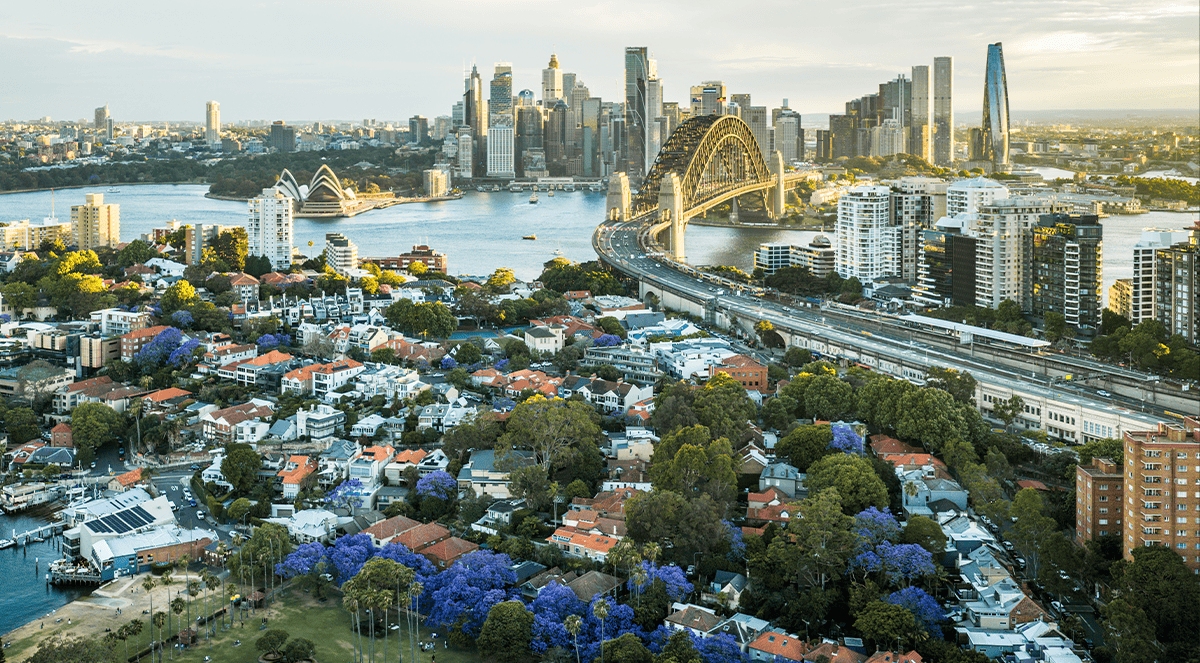
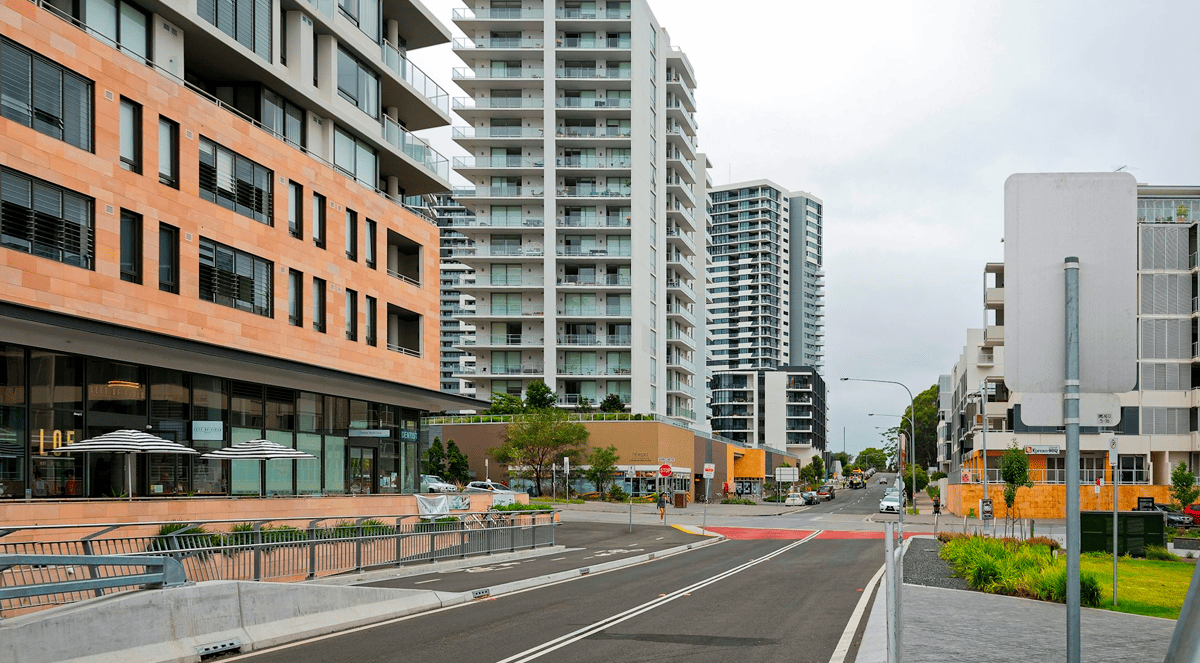

New South Wales, which has the largest investor presence in the country, recorded the biggest decline in investor lending volumes, followed by Western Australia.
By contrast, investor lending actually rose in South Australia and Tasmania, with Tasmania recording a 74% annual surge, albeit from a relatively small base.
Victoria continued to record the highest share of first-home buyer activity nationally, which Cotality partly attributes to Melbourne’s relative affordability advantage and state tax settings that have discouraged investors.
But even in Victoria, the share of first-home buyers has begun to fall as investor activity accelerated earlier this year.
The report also warns the full effect of recent interest rate hikes has not yet flowed through the economy.
“Demand is likely to soften further, as the full impact of the interest rate tightening… has not yet been felt,” Cotality’s Gerard Burg says.
“There is the possibility that the RBA could continue to lift rates in the short term.”
The report suggests the Government’s new tax changes targeting investors could eventually compound the slowdown.
“Policy changes in this year’s Federal Budget are likely to have a negative impact on investor demand, and by extension, new investor loans,” Mr Burg says.
While some investors may pivot toward newly built homes - where negative gearing concessions remain intact - the Cotality report notes investors have historically preferred established dwellings and may increasingly look toward non-property assets instead.
“With rental yields well below the cost of borrowing… the costs of holding these assets are now substantially higher and serviceability challenges more prominent,” Mr Burg says.
The findings reinforce growing concerns that Australia’s housing market is entering a far more fragile phase, where both aspiring home buyers and investors are facing mounting financial pressure simultaneously.
And while the Federal Government hopes its budget housing reforms will eventually make it easier for younger Australians to buy homes, the latest lending data suggests many are already stepping back from the market before those policies even take effect.




.jpg?width=1920&height=1080&name=WTF%20Is%20Happening%20To%20The%20Housing%20Market!%20$500%20Billion%20Wiped%20Out%20As%20Prices%20Fall%20Faster%20Every%20Month%20Scott%20Kuru%20YPU%20027%20(1).jpg)
%20Scott%20Kuru%20YPU%20025.jpg?width=1920&height=1080&name=This%20Is%20Worse%20Than%20A%20Recession%20RBA%20Admits%20Australias%20Wage%20Collapse%20Cant%20Be%20Stopped%20(Prepare%20Now)%20Scott%20Kuru%20YPU%20025.jpg)


























.jpg?width=1920&height=1080&name=EXPOSED%20How%20The%20Govt%20Let%20These%20Oil%20Giants%20Get%20Away%20With%20Paying%20Zero%20Tax%20For%20Aussie%20Gas%20Scott%20Kuru%20DPU%20256%20(1).jpg)







%20Scott%20Kuru%20DPU%20248.jpg?width=1920&height=1080&name=Major%20Banks%20CAUGHT%20Preparing%20For%20Australia%E2%80%99s%20Biggest%20Housing%20Crash%20(Defaults%20%26%20Bankruptcies%20Coming)%20Scott%20Kuru%20DPU%20248.jpg)
%20Scott%20Kuru%20DPU%20247.jpg?width=1920&height=1080&name=This%20Is%20How%20Australia%20Gets%20Pushed%20Into%20the%20Next%20Big%20Reset%20(Trust%20Collapse%20Has%20Officially%20Begun)%20Scott%20Kuru%20DPU%20247.jpg)







%20Scott%20Kuru%20DPU%20239.jpg?width=1920&height=1080&name=URGENT%20Life%20In%20Australia%20Has%20Become%20Impossible%20For%20Millions%20Of%20Aussies%20(It%E2%80%99s%20About%20To%20Get%20Worse)%20Scott%20Kuru%20DPU%20239.jpg)










%20Scott%20Kuru%20DPU%20227.jpg?width=1920&height=1080&name=URGENT%20ALERT%20Australia%E2%80%99s%20Property%20Market%20Is%20Sliding%20Into%20Something%20Much%20Bigger%20(Prepare%20Now)%20Scott%20Kuru%20DPU%20227.jpg)





%20Scott%20Kuru%20DPU%20221.jpg?width=1920&height=1080&name=The%20AI%20Situation%20in%20Australia%20Just%20Hit%20a%20Point%20of%20No%20Return...%20(Major%20Bank%20Proves%20It)%20Scott%20Kuru%20DPU%20221.jpg)