









.png?width=292&height=292&name=Copy%20Link%20(1).png)

 SIGN UP FOR FREE NEWSLETTER
The sweeping property tax changes in the 2026 Federal budget look set to create a massive divide between investors who buy established homes and those who purchase new builds, with fresh research suggesting the difference could be $250,000 or more over a decade.
Analysis published by The Australian’s Personal Finance Writer Anthony Keane found investors who continue buying established properties after the Albanese Government’s tax reforms take effect could face dramatically higher tax bills than those purchasing newly constructed homes.
The details
“Buying an established investment property now no longer makes sense for most investors from a financial perspective,” Anthony Keane says.
His findings highlight the enormous financial incentives now embedded in the Federal Budget for investors to fund new housing supply, rather than compete with owner-occupiers and first-home buyers for existing homes.
Under the Government’s reforms, negative gearing will be abolished for purchases of existing investment properties from July 2027, while the long-standing 50% capital gains tax discount will also be replaced with a new inflation-indexed system and minimum 30% tax rate.
But crucially, investors purchasing qualifying new builds remain exempt from many of the changes.
That means buyers of new properties will still be able to negatively gear against income from wages and continue accessing the existing 50% CGT discount if they choose.
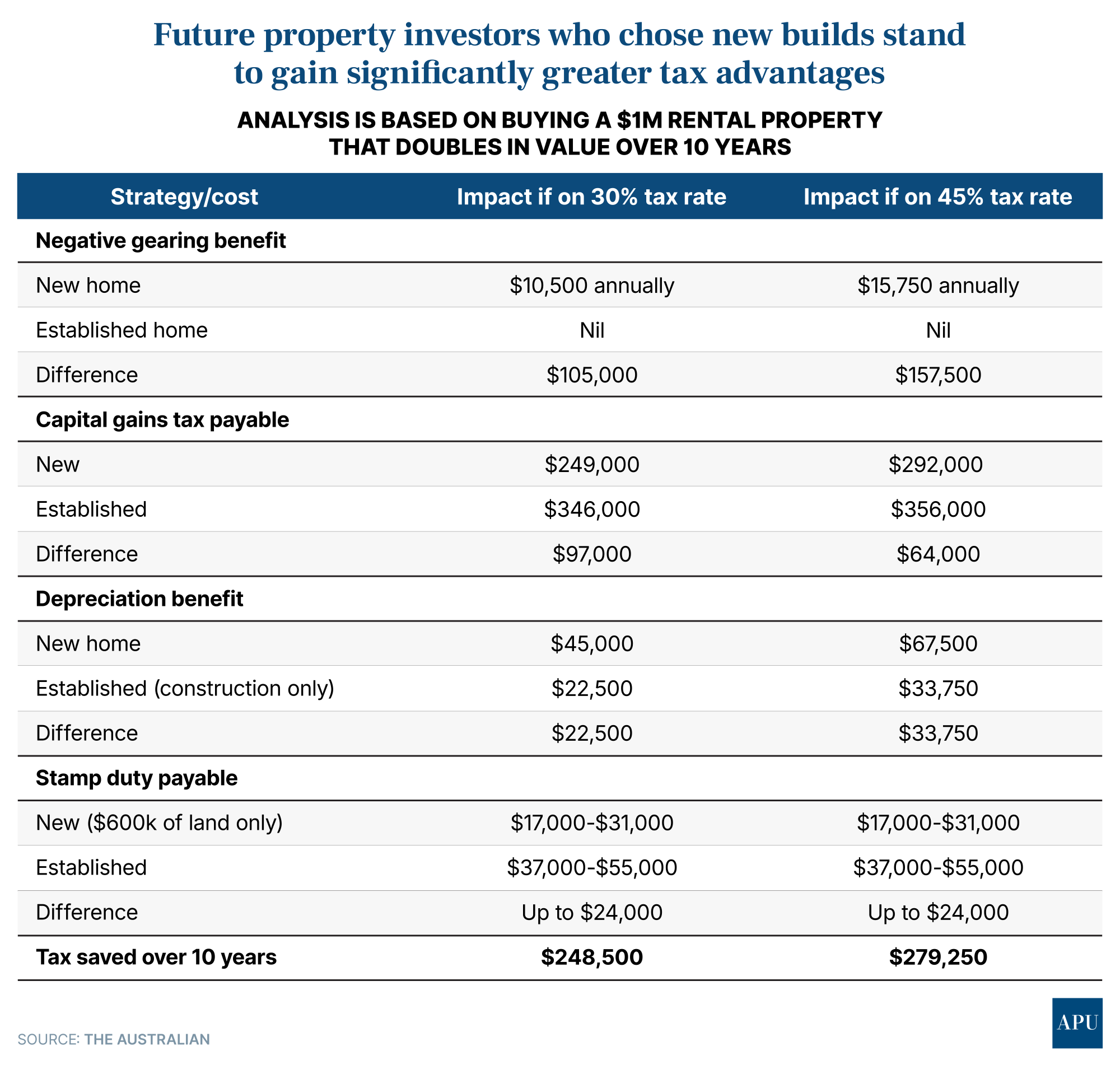
According to The Australian’s analysis, an investor earning about $100,000 a year who buys a median-priced $1 million investment property next year and sells it a decade later after it doubles in value could save roughly $248,000 in tax by purchasing new rather than established housing.
For an investor on the top marginal tax rate of 45% plus the 2% Medicare levy, the estimated advantage rises to nearly $280,000.
“The difference over 10 years is staggering,” Mr Keane says.
His modelling examined the combined impact of negative gearing changes, capital gains tax, depreciation benefits and state and territory stamp duty concessions.
It assumed annual inflation of 2.5%, current income tax rates and standard investment expenses such as interest costs, insurance and property management fees.
The analysis suggests new housing may now become one of the most tax-advantaged investment classes in Australia.
Property investment experts say the changes are likely to reshape buyer behaviour across the housing market.
Property Investment Professionals of Australia Chair Cate Bakos said very few investors were now likely to target established homes.
“It would be very unusual for an investor to go for that — they mostly won’t do it because they have been disincentivised pretty strongly,” Ms Bakos told The Australian.
She warned the changes could intensify competition in the new housing market, particularly in areas popular with first-home buyers.
“The bigger issue is first-home buyers will be fighting with investors for new stock,” she said.
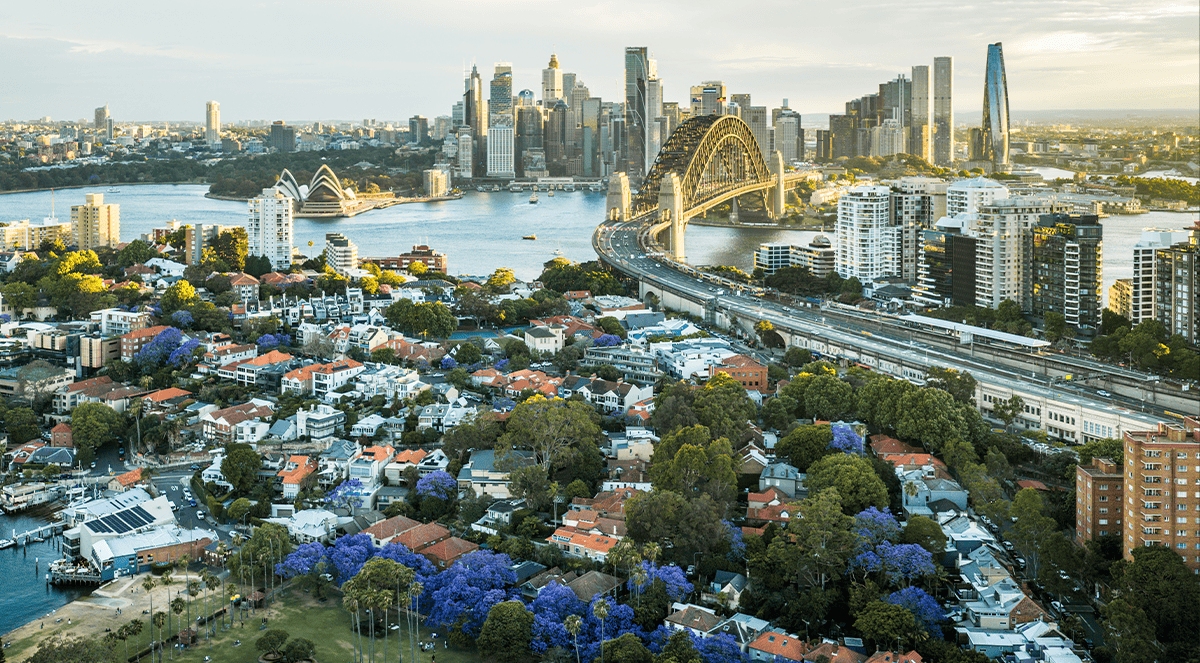
Industry specialists also say the retention of depreciation benefits for new property significantly increases the appeal of newly built homes under the new tax system.
BMT Tax Depreciation chief executive Bradley Beer said buying new was now “definitely a positive” from a tax perspective.
Depreciation deductions — which allow investors to claim the decline in value of building components, fixtures and fittings over time — are generally strongest in newer properties because everything from carpets and appliances to air-conditioning systems and structural elements qualifies for larger write-offs.
However, while the tax settings strongly favour new construction, investors still face significant practical risks.
Longer build times, labour shortages and surging material costs continue to place pressure on construction feasibility across Australia.
The Australian’s Anthony Keane says his analysis also highlights how the new CGT system may hit higher-income investors far harder than many initially realise.
“If your marginal tax rate is 47%… you’re paying 47% — you’re not paying 30%,” Adrian Raftery - founder of Mr Taxman - told Anthony Keane.
“If it’s a million-dollar gain but it becomes $850,000 after inflation, the majority of that is going to be taxed at 47%.”
Dr Raftery said the changes were likely to push more investors toward company structures, superannuation vehicles and joint ownership arrangements designed to reduce future tax liabilities.
But he says the bottom line is that “there will be a lot more people interested in buying new builds rather than existing, and if you have got more people with demand and only so much supply, it’s going to increase price.”
Anthony Keane’s analysis suggests the Albanese government’s tax crackdown on investors may not end property investing in Australia, but it could fundamentally redirect where investment capital flows.
And increasingly, that flow appears likely to head toward newly-built housing.







.jpg?width=1920&height=1080&name=WTF%20Is%20Happening%20To%20The%20Housing%20Market!%20$500%20Billion%20Wiped%20Out%20As%20Prices%20Fall%20Faster%20Every%20Month%20Scott%20Kuru%20YPU%20027%20(1).jpg)
%20Scott%20Kuru%20YPU%20025.jpg?width=1920&height=1080&name=This%20Is%20Worse%20Than%20A%20Recession%20RBA%20Admits%20Australias%20Wage%20Collapse%20Cant%20Be%20Stopped%20(Prepare%20Now)%20Scott%20Kuru%20YPU%20025.jpg)




























.jpg?width=1920&height=1080&name=EXPOSED%20How%20The%20Govt%20Let%20These%20Oil%20Giants%20Get%20Away%20With%20Paying%20Zero%20Tax%20For%20Aussie%20Gas%20Scott%20Kuru%20DPU%20256%20(1).jpg)







%20Scott%20Kuru%20DPU%20248.jpg?width=1920&height=1080&name=Major%20Banks%20CAUGHT%20Preparing%20For%20Australia%E2%80%99s%20Biggest%20Housing%20Crash%20(Defaults%20%26%20Bankruptcies%20Coming)%20Scott%20Kuru%20DPU%20248.jpg)
%20Scott%20Kuru%20DPU%20247.jpg?width=1920&height=1080&name=This%20Is%20How%20Australia%20Gets%20Pushed%20Into%20the%20Next%20Big%20Reset%20(Trust%20Collapse%20Has%20Officially%20Begun)%20Scott%20Kuru%20DPU%20247.jpg)







%20Scott%20Kuru%20DPU%20239.jpg?width=1920&height=1080&name=URGENT%20Life%20In%20Australia%20Has%20Become%20Impossible%20For%20Millions%20Of%20Aussies%20(It%E2%80%99s%20About%20To%20Get%20Worse)%20Scott%20Kuru%20DPU%20239.jpg)










%20Scott%20Kuru%20DPU%20227.jpg?width=1920&height=1080&name=URGENT%20ALERT%20Australia%E2%80%99s%20Property%20Market%20Is%20Sliding%20Into%20Something%20Much%20Bigger%20(Prepare%20Now)%20Scott%20Kuru%20DPU%20227.jpg)





%20Scott%20Kuru%20DPU%20221.jpg?width=1920&height=1080&name=The%20AI%20Situation%20in%20Australia%20Just%20Hit%20a%20Point%20of%20No%20Return...%20(Major%20Bank%20Proves%20It)%20Scott%20Kuru%20DPU%20221.jpg)