









.png?width=292&height=292&name=Copy%20Link%20(1).png)

 SIGN UP FOR FREE NEWSLETTER
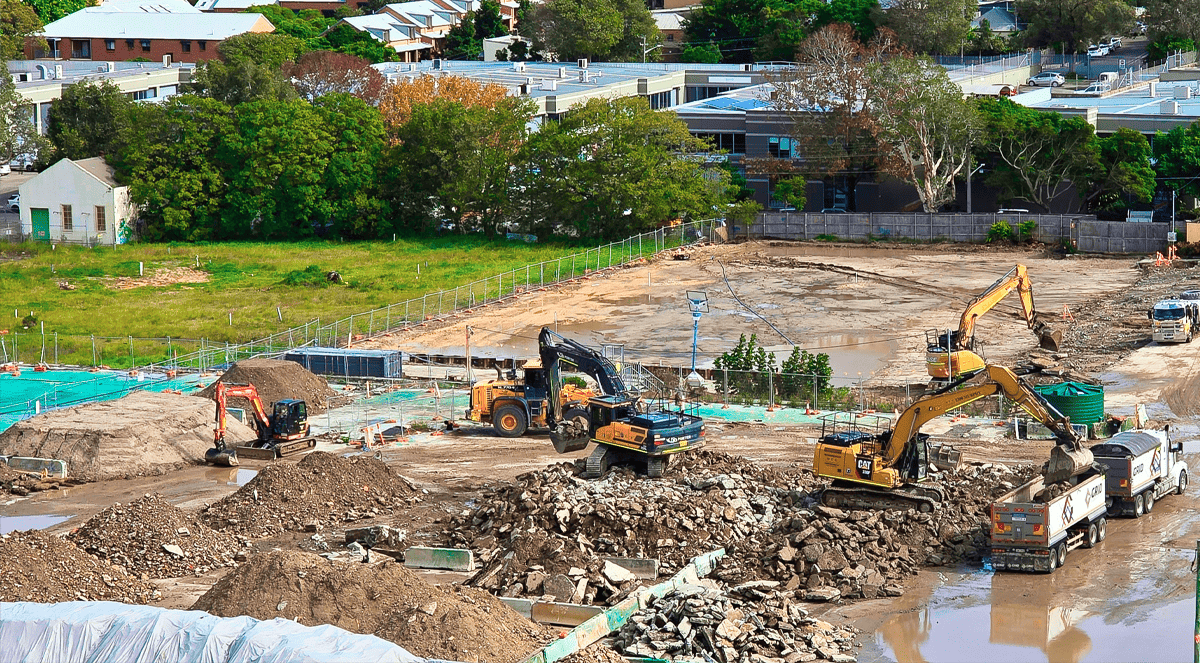
Australia’s largest bank has warned the Middle East conflict will lead to up to 25,000 fewer homes being built over the next three years, as the conflict pushes up construction costs like fuel, freight and petrochemical prices.
New analysis by Commonwealth Bank says the Iran war is reshaping the outlook for both construction costs and housing supply, with builders already beginning to pass on higher input costs through surcharges and price increases.
The details
Commonwealth Bank says the immediate price pressure is flowing through to freight-heavy and oil-linked building products, particularly plastics used in construction such as PVC piping, sealants, adhesives and cable insulation.
CBA Senior Economist Trent Saunders says the construction sector is now entering what the bank describes as an “initial escalation phase” for costs.
“The Iran war has shifted the outlook for both construction costs and new housing supply,” Mr Saunders says.
“Higher diesel, freight and petrochemical costs are now flowing through to construction costs, with a wave of supplier notices and fuel surcharges landing from April.”
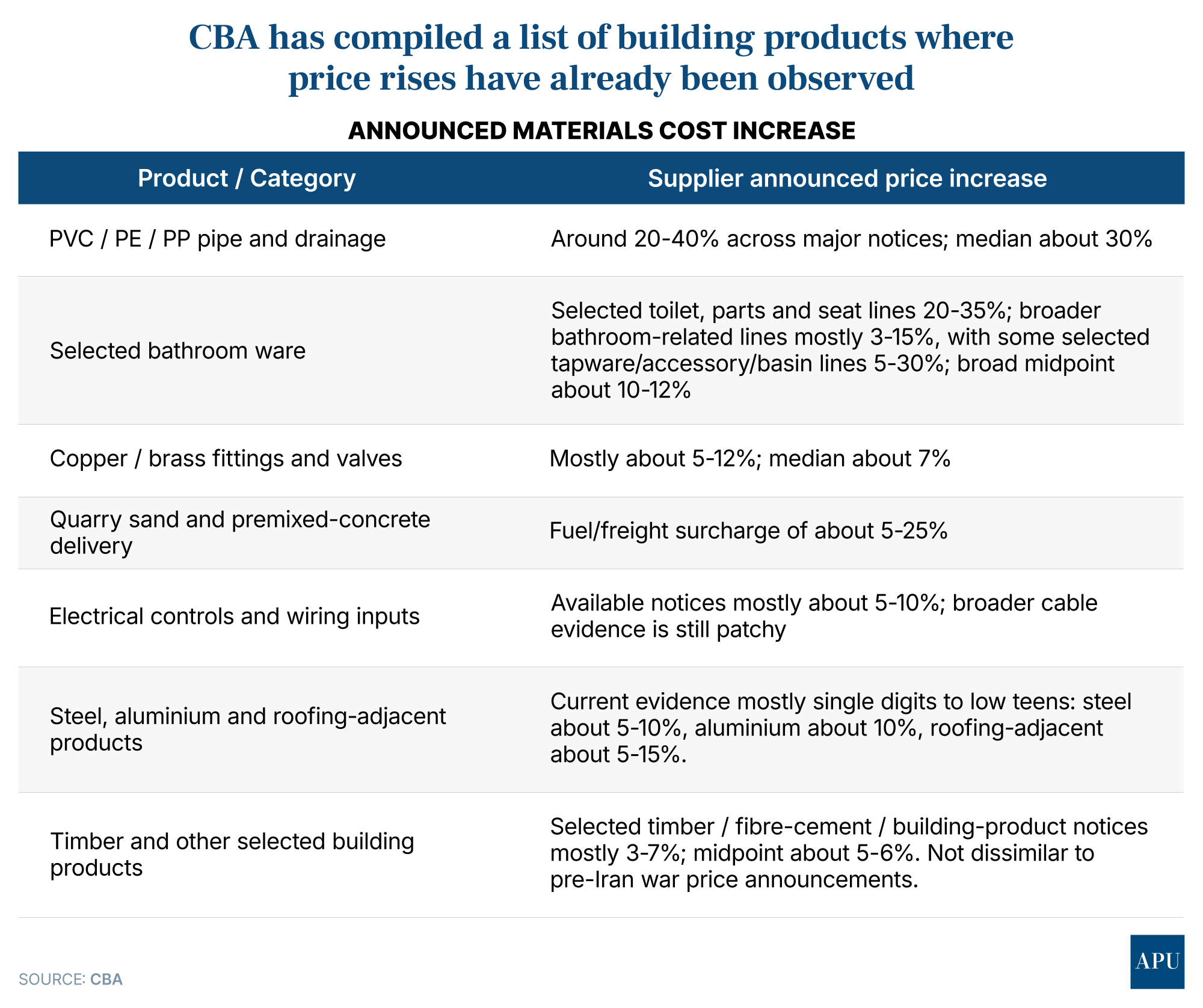
In an economic note, CBA finds average announced price increases from plumbing and trade suppliers jumped to 11% in April and May, up from around 5% in the months before the conflict began.
Some PVC and drainage products have reportedly seen price rises of between 20% and 40%, while concrete suppliers are also imposing freight and diesel surcharges.
Importantly though, CBA says this is not a repeat of the post COVID and early Russia-Ukraine conflict price surge, when widespread shortages crippled supply chains and sent costs soaring across almost every category.
“The current shock is narrower and more price-driven, centred on fuel, freight and petrochemicals,” Mr Saunders says.
Instead, the bank believes the impact is more likely to emerge through weaker project economics, with developers increasingly struggling to make projects financially viable.
Under CBA’s central forecast, dwelling input costs are expected to rise about 4% above pre-war expectations over the next year, pushing annual construction price growth to around 8% by the September quarter of 2026.
In a more severe scenario where the conflict drags on, and the Strait of Hormuz remains disrupted for longer, CBA says construction price growth could peak at around 12%.
That would place further strain on Australia’s already fragile housing supply pipeline.
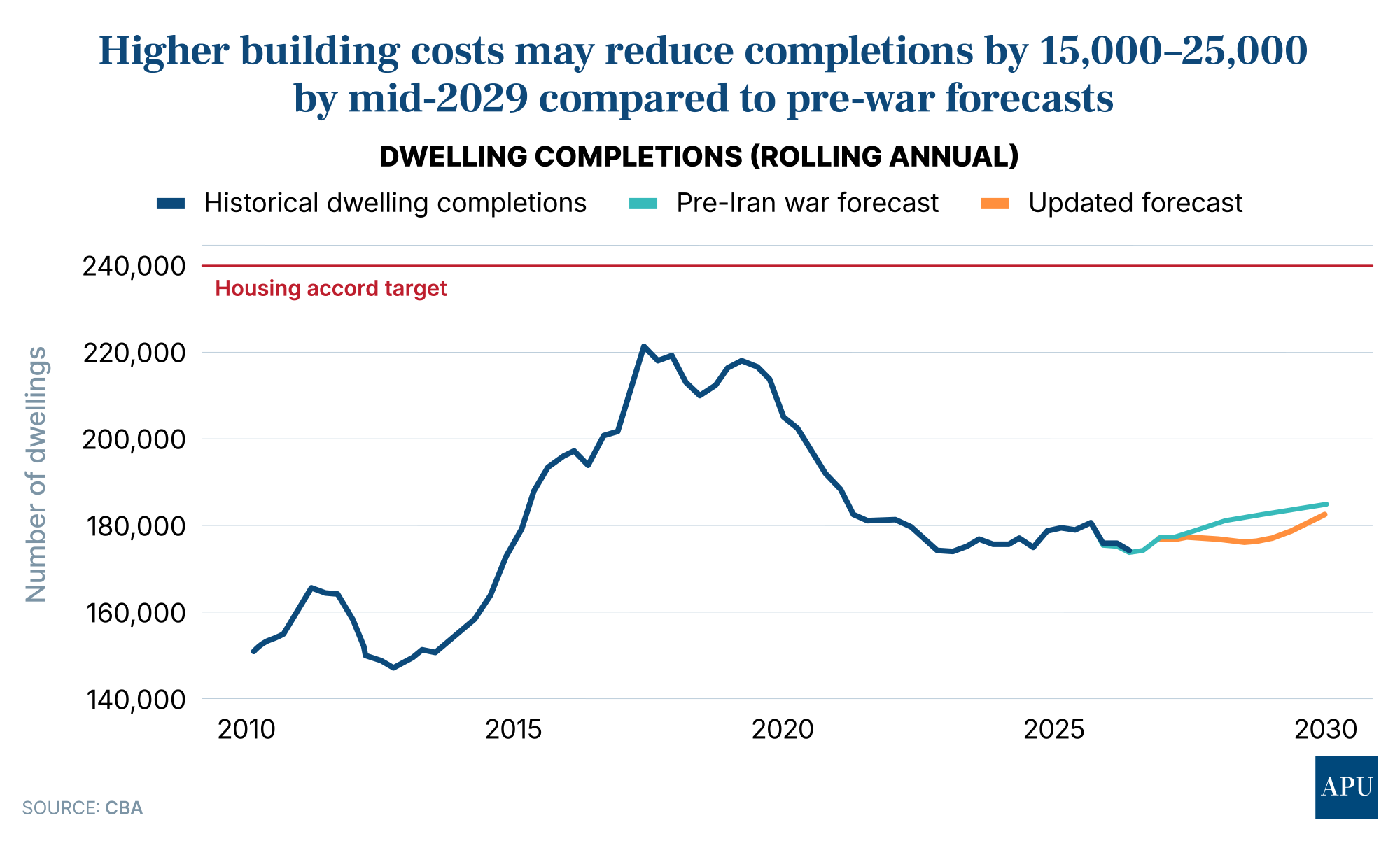
The bank estimates the higher costs could result in around 15,000 fewer dwellings being completed by mid-2029 compared with pre-war forecasts.
Under a worse-case scenario, the shortfall could blow out to almost 25,000 homes.
“As costs rise, fewer projects stack up, and the incentive to build weakens,” Trent Saunders notes.
The warning comes as Australia is already falling well short of its housing construction targets under the National Housing Accord.
Before the Middle East conflict escalated, CBA had forecast annual housing completions would rise to around 180,000 dwellings by the 2027 financial year.
That forecast has now been revised down to about 175,000 dwellings annually across the 2026/27 and 2027/28 financial years.
Apartment projects appear particularly vulnerable because of their higher complexity, longer construction timelines and greater exposure to procurement costs.
The note also warns that builders are increasingly pricing projects more conservatively, adding contingencies and escalation clauses to contracts after being burned during the COVID construction boom.
“Builders and suppliers appear more willing to pass through price increases early, rather than risk being caught out by rising input costs,” CBA Senior Economist Trent Saunders says.
“Our central estimate is that dwelling input costs rise by around 4% relative to the pre-war path, with new dwelling output price growth peaking at just over 8%.”
But he warns the conflict is still adding another major challenge to a sector already grappling with high interest rates, elevated construction costs and chronic undersupply.
“The effect on supply is more gradual but still material.
“The key risk is that a targeted price shock becomes more persistent or broader in scope.”
For the property market, CBA’s findings suggest new housing supply may remain constrained for longer than expected - a dynamic likely to continue underpinning prices and rents in many parts of Australia despite softer economic conditions.










.jpg?width=1920&height=1080&name=WTF%20Is%20Happening%20To%20The%20Housing%20Market!%20$500%20Billion%20Wiped%20Out%20As%20Prices%20Fall%20Faster%20Every%20Month%20Scott%20Kuru%20YPU%20027%20(1).jpg)
%20Scott%20Kuru%20YPU%20025.jpg?width=1920&height=1080&name=This%20Is%20Worse%20Than%20A%20Recession%20RBA%20Admits%20Australias%20Wage%20Collapse%20Cant%20Be%20Stopped%20(Prepare%20Now)%20Scott%20Kuru%20YPU%20025.jpg)





















.jpg?width=1920&height=1080&name=EXPOSED%20How%20The%20Govt%20Let%20These%20Oil%20Giants%20Get%20Away%20With%20Paying%20Zero%20Tax%20For%20Aussie%20Gas%20Scott%20Kuru%20DPU%20256%20(1).jpg)






%20Scott%20Kuru%20DPU%20248.jpg?width=1920&height=1080&name=Major%20Banks%20CAUGHT%20Preparing%20For%20Australia%E2%80%99s%20Biggest%20Housing%20Crash%20(Defaults%20%26%20Bankruptcies%20Coming)%20Scott%20Kuru%20DPU%20248.jpg)
%20Scott%20Kuru%20DPU%20247.jpg?width=1920&height=1080&name=This%20Is%20How%20Australia%20Gets%20Pushed%20Into%20the%20Next%20Big%20Reset%20(Trust%20Collapse%20Has%20Officially%20Begun)%20Scott%20Kuru%20DPU%20247.jpg)






%20Scott%20Kuru%20DPU%20239.jpg?width=1920&height=1080&name=URGENT%20Life%20In%20Australia%20Has%20Become%20Impossible%20For%20Millions%20Of%20Aussies%20(It%E2%80%99s%20About%20To%20Get%20Worse)%20Scott%20Kuru%20DPU%20239.jpg)










%20Scott%20Kuru%20DPU%20227.jpg?width=1920&height=1080&name=URGENT%20ALERT%20Australia%E2%80%99s%20Property%20Market%20Is%20Sliding%20Into%20Something%20Much%20Bigger%20(Prepare%20Now)%20Scott%20Kuru%20DPU%20227.jpg)