









.png?width=292&height=292&name=Copy%20Link%20(1).png)

 SIGN UP FOR FREE NEWSLETTER
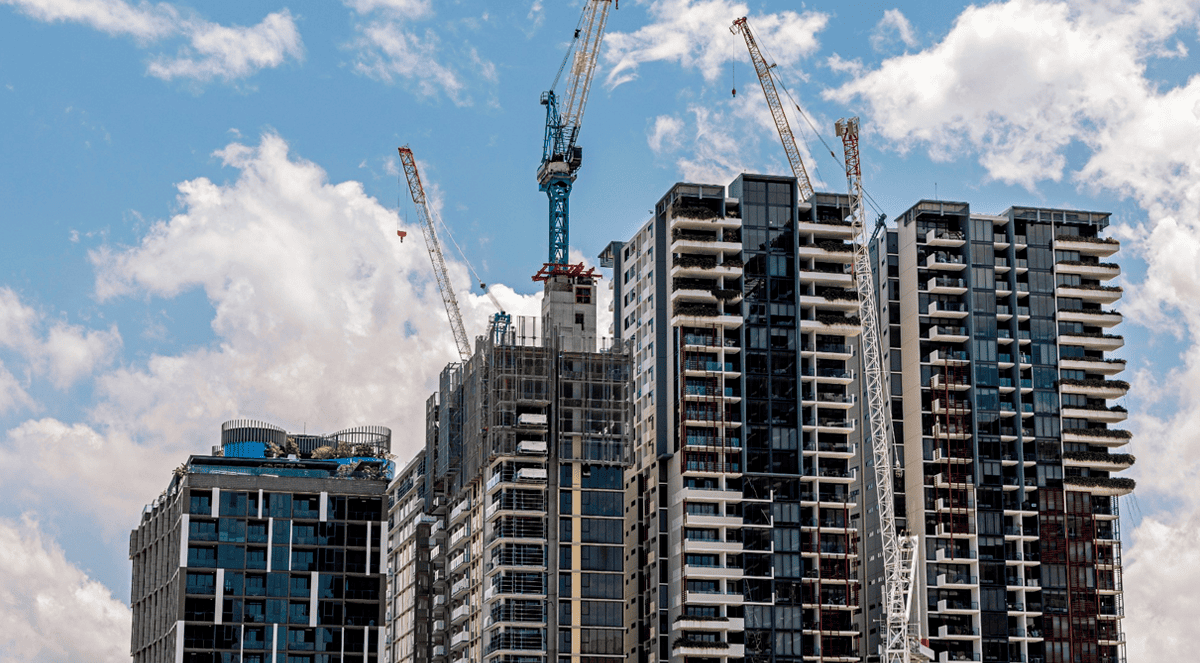
Leading residential property developers are pushing ahead with luxury city and inner-suburban apartment projects in Melbourne, Sydney and other cities, despite big jumps in construction costs and fears about Australia’s economic outlook.
Figures from the Australian Bureau of Statistics show a big jump in home building costs over the 2024/25 financial year, with the cost of new apartments blowing out by just over 18%.
However, there’s anecdotal evidence developers are stalling or abandoning large housing projects at the more affordable end of the market, located in places like Western Sydney, because project finances don’t stack up.
The details
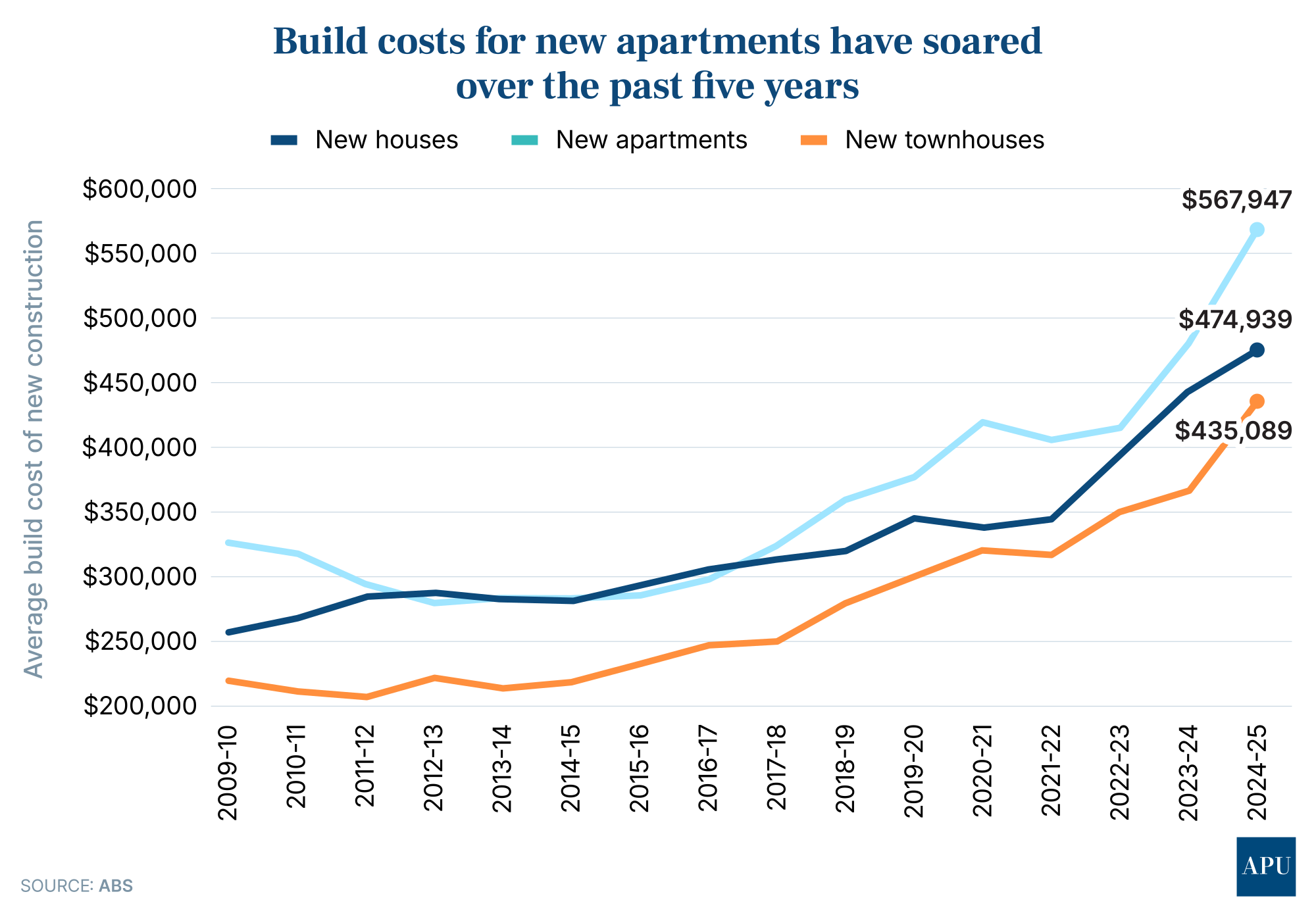
Recent Building Activity data from the Australian Bureau of Statistics shows average residential build costs experienced significant price escalations in 2024-25.
New house build costs rose by 7.1% over the year, new townhouse costs were 18.8% higher and new apartment build costs were 18.2% higher.
“Despite the large increase over the past year reported in this data, new townhouses had the lowest average build cost and new apartments had the highest average build cost, $93,000 more expensive than houses and $133,000 more expensive than townhouses,” says independent property analyst Cameron Kusher.
“This represents a 19.6% average build cost premium for apartments to houses, the largest premium since 2020-21.”
And looking ahead, residential building cost growth doesn’t seem set to slow down.
Building analysts CBRE forecasts that construction costs could surge about 18% over the 2026-27 financial year, then slow to rise on average by 6.5% per annum until 2030.
The Financial Review says developer Consolidated Properties Group last month estimated the Middle East conflict had already added about $125,000 to the price of a new luxury apartment, because the cost of diesel and building materials like PVC pipes and cement have spiked.
Melbourne - full steam ahead
The newspaper recently reported that three big developers - the Gurner Group, Sterling Global and OSK - are pressing ahead with ambitious projects costing billions of dollars in inner Melbourne.
Property reporter Sarah Petty says the three were “taking a more optimistic view of the market even as the darkening outlook dampens appetite for new commercial developments.”
Rich-lister Tim Gurner, whose Gurner Group has a pipeline of about $14 billion worth of projects across Australia, says he doesn’t expect cost pressures to persist for the next 18 months and is not halting any projects.
“The fundamentals are extremely strong – there is a significant undersupply of housing, and demand continues to materially outweigh available stock,” he told the Fin Review.
“We take a long-term view on development, and our confidence in Melbourne and the broader Australian market remains strong.”
It’s also full-steam ahead for Malaysian-based developer OSK Property, which is adding a new residential and commercial tower to its large Melbourne Square development in Southbank.
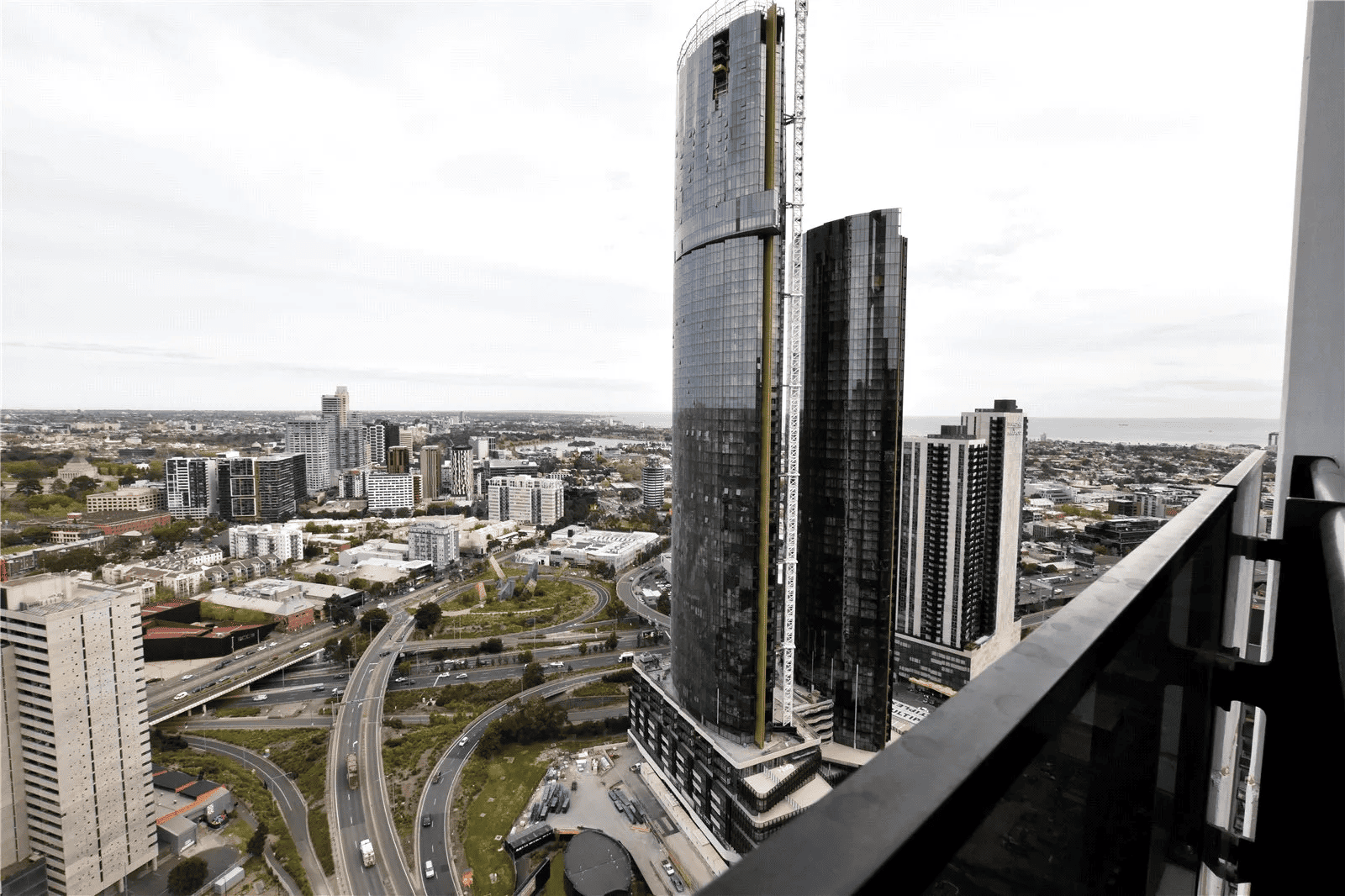
Image from Domain
The 67-storey building will house 673 apartments, with amenities like saunas, a Pilates studio, retail spaces, food and beverage offerings and private clubs.
Prices in Melbourne’s Southbank area have been suppressed for years because of a glut of apartments built during a foreign investment boom in the 2010s.
But OSK believes its premium offering will attract a different type of client.
Sterling Global is behind the remodelling of the old State Savings Bank building in Melbourne’s Collins Street into a 42-storey residential tower.
Despite soaring costs for building materials and, more recently, diesel to operate machinery, Director Brandon Yeoh says Sterling Global has already locked in the construction price with builder Hacer Group.
“We have also, in our project feasibility, budgeted for a reasonable contingency to take into account increases,” he told the Financial Review, pointing out that his firm had already sold 75 apartments in the new development off-the-plan.
The optimism of the three developers is interesting, given that it comes amidst revelations that plans for Australia’s tallest skyscraper in Melbourne have been scrapped.
Receivers have also been appointed to sell the Southbank land that had been earmarked for the $2.7bn twin-towers.
Realestate.com.au reported that the developer - Beulah International - had been working to save the project, but cost increases, including fuel price hikes amid the war in Iran, had scuppered talks with builders.
Sydney - a tale of two cities
Sydney is also seeing momentum at the top end of the market, with developers continuing to back premium, well-located projects - particularly in harbourfront and inner-city areas - where higher price points can offset construction costs.
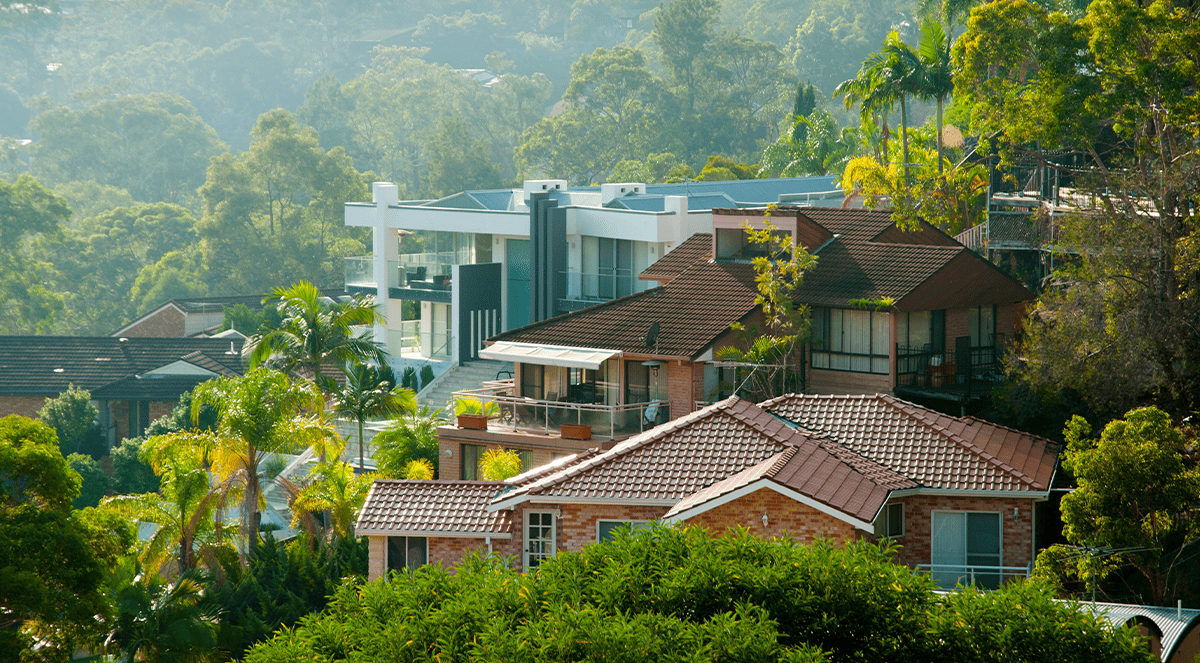
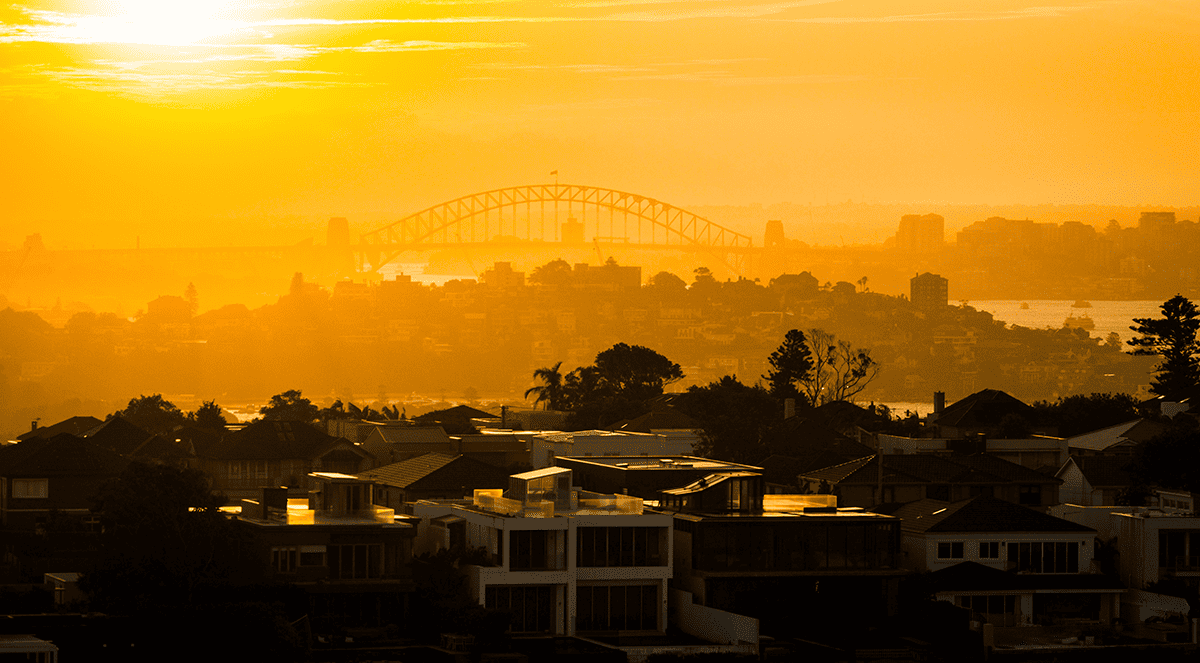
Data and commentary reported by REA Group highlight that new apartment supply is increasingly concentrated in higher-end segments.
However, it’s a different story in Western Sydney, where developers have reportedly abandoned dozens of approved projects.
“The government tells us high-density housing is the answer to the crisis,” says Mark Bernberg, the Managing Director for Ray White Projects in Western Sydney.
“Then developers try to build apartments in Western Sydney and discover:
- Infrastructure contributions that add $85,000 per unit.
- Planning approval timelines averaging 22 months.
- Construction costs up 40% since 2020.
- Land values inflated by rezoning announcements that never deliver the transport links to justify them.”
Mr Bernberg says many developers have simply shelved much-needed affordable housing projects in Western Sydney and headed to the wealthy Eastern Suburbs, “where margins work” on luxury projects.
“Western Sydney gets the promises,” he says, “Eastern Sydney gets the apartments.”
The take-out
The take-out is clear - Australia doesn’t just have a housing shortage.
It has a mismatch.
More apartments are being built, but not necessarily the affordable ones the market needs most.
And that seems unlikely to change anytime soon, as the cost environment isn’t easing.
The fall-out from the Middle East conflict raises the prospect that apartment construction costs could climb even higher, further entrenching the shift away from affordable developments toward premium projects.




.jpg?width=1920&height=1080&name=WTF%20Is%20Happening%20To%20The%20Housing%20Market!%20$500%20Billion%20Wiped%20Out%20As%20Prices%20Fall%20Faster%20Every%20Month%20Scott%20Kuru%20YPU%20027%20(1).jpg)
%20Scott%20Kuru%20YPU%20025.jpg?width=1920&height=1080&name=This%20Is%20Worse%20Than%20A%20Recession%20RBA%20Admits%20Australias%20Wage%20Collapse%20Cant%20Be%20Stopped%20(Prepare%20Now)%20Scott%20Kuru%20YPU%20025.jpg)















.jpg?width=1920&height=1080&name=EXPOSED%20How%20The%20Govt%20Let%20These%20Oil%20Giants%20Get%20Away%20With%20Paying%20Zero%20Tax%20For%20Aussie%20Gas%20Scott%20Kuru%20DPU%20256%20(1).jpg)




%20Scott%20Kuru%20DPU%20248.jpg?width=1920&height=1080&name=Major%20Banks%20CAUGHT%20Preparing%20For%20Australia%E2%80%99s%20Biggest%20Housing%20Crash%20(Defaults%20%26%20Bankruptcies%20Coming)%20Scott%20Kuru%20DPU%20248.jpg)
%20Scott%20Kuru%20DPU%20247.jpg?width=1920&height=1080&name=This%20Is%20How%20Australia%20Gets%20Pushed%20Into%20the%20Next%20Big%20Reset%20(Trust%20Collapse%20Has%20Officially%20Begun)%20Scott%20Kuru%20DPU%20247.jpg)





%20Scott%20Kuru%20DPU%20239.jpg?width=1920&height=1080&name=URGENT%20Life%20In%20Australia%20Has%20Become%20Impossible%20For%20Millions%20Of%20Aussies%20(It%E2%80%99s%20About%20To%20Get%20Worse)%20Scott%20Kuru%20DPU%20239.jpg)




%20Scott%20Kuru%20DPU%20227.jpg?width=1920&height=1080&name=URGENT%20ALERT%20Australia%E2%80%99s%20Property%20Market%20Is%20Sliding%20Into%20Something%20Much%20Bigger%20(Prepare%20Now)%20Scott%20Kuru%20DPU%20227.jpg)