









.png?width=292&height=292&name=Copy%20Link%20(1).png)

 SIGN UP FOR FREE NEWSLETTER

Image from ABC News/Callum Flinn
Federal Treasurer Jim Chalmers has all but confirmed property investors are in his sights as he finalises next month's federal budget.
However, while it’s clear the government intends curbing the Capital Gains Tax discount on property in the budget, it appears any changes could be less drastic than earlier feared.
Officials have been briefing the Canberra press gallery that a return to the Hawke/Keating era CGT regime could be on the cards, where inflation was subtracted from taxable gains.
Less clear is what the government intends to do about the other big residential property tax perk - negative gearing.
The Middle East conflict to overshadow the budget
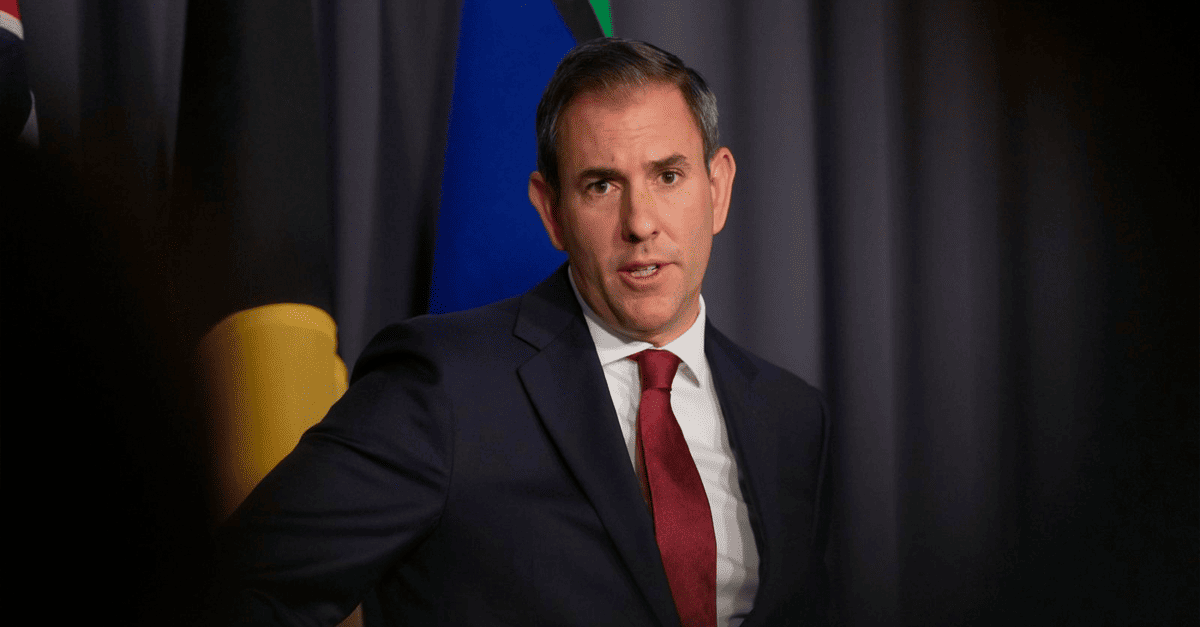
Image by Callum Flinn
Jim Chalmers has just returned from a lightning visit to Washington to meet other G20 finance ministers.
Not surprisingly, top of the agenda was the ongoing Middle East conflict.
“If there's one prevailing vibe that comes from the international colleagues, it's really, I think, a sense of frustration,” a grim-faced Treasurer told a press conference in Canberra on Monday, “about how long this war in the Middle East has been playing out.”
When it comes to the outlook for the Australian economy, the Treasurer was blunt:
“The Australian economy is in lots of ways hostage to those developments,” he stated, saying he and Treasury officials were still working through what the conflict might mean for the budget bottom line.
However, he was clear these consequences “are already serious and could become severe”.
The Treasurer said he expected “growth to be slower”, and added that lower economic growth “typically – not always, but typically – means higher unemployment”.
Changes to property taxes
Despite the pressures on the budget from war in the Middle East, the Treasurer signalled the government has not lost its appetite for reform.
That’s likely to see the budget include big cuts to the National Disability Insurance Scheme - the NDIS - and getting the states and territories to shoulder more of the ballooning costs of the scheme.
There’s also change coming in the way property is taxed.
“There is intergenerational unfairness in the tax system and in the housing market,” Jim Chalmers declared.

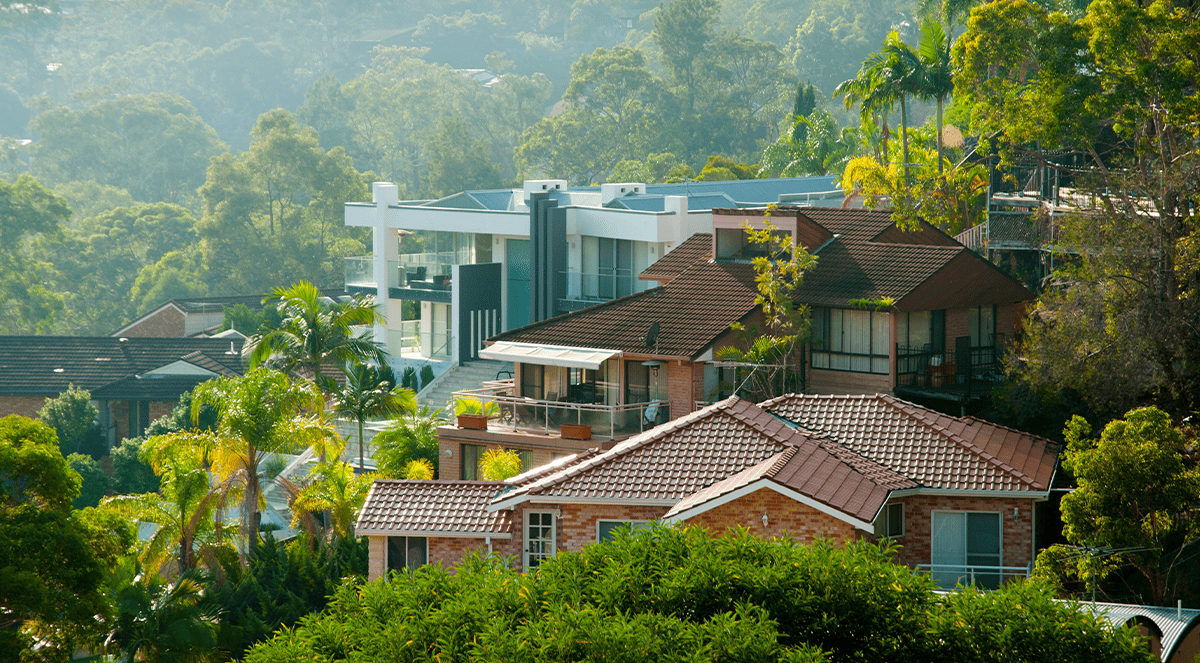
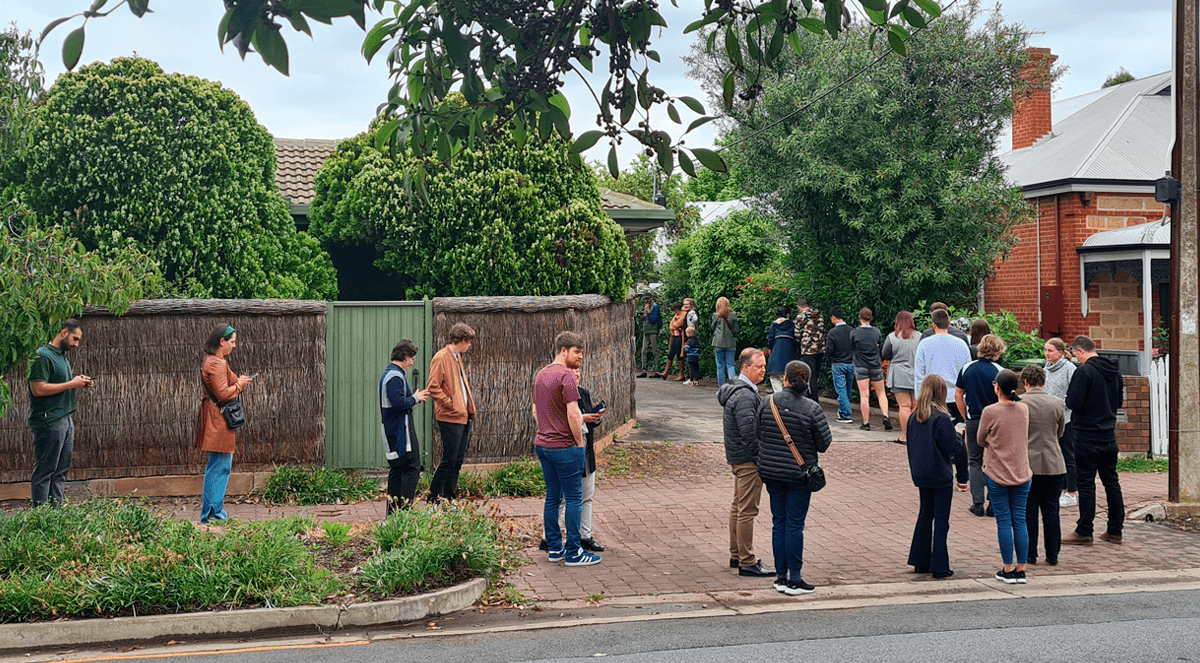
Left: Image by David Sciasci, Right: Image by Jed Cooper
Under pressure from backbenchers, unions, the welfare lobby, the Greens, younger voters shut out of the housing market and even parties on the right like One Nation, it’s now clear the government intends to be seen to be acting to slow investor activity in the housing market.
This is even though modelling on the impact of curbing the CGT discount and negative gearing shows small gains, if any, in housing affordability.
The property industry has vehemently opposed any changes, claiming it could also scare off investors and see rents soar for tenants.
Government insiders had previously told press gallery journalists Treasury was modelling reducing the Capital Gain Tax discount on sales of investment property from 50% to 30% or even 25%.


But this week, reporters have been briefed that Jim Chalmers favours a return to the tax regime introduced by Paul Keating when he was Treasurer in the Hawke Labor government in the 1980s.
It’s a bona-fide “Back to the Future” moment.
Going back to the old regime involves discounting for inflation over the lifetime that a property is held as an investment.
In 2000, Liberal Prime Minister John Howard and his Treasurer Peter Costello scrapped this for the much simpler (and more generous) 50% figure.
Several press gallery journalists have even been briefed on how a return to the 1980s regime might look in the 21st century, with this example:
- A property investor buys a 1 million dollar home in 2015.
- They sell it in 2025 for $1.75 million - a $750,000 capital gain.
- Under the existing rules, they only pay tax on $375,000 of that gain ($750,000 x 50%).
- Using the Hawke/Keating-era model, the same investor pays tax on about $420,000 of their capital gain ($750,000 - the rate of inflation between 2015 and 2025).
For those on the top income rate, that’s just over $20,000 extra in tax.
However, it’s unclear whether the switch back to the old regime would apply to all investment property sales or be “grandfathered” to allow existing investors to access the 50% discount.
Also not clear is whether the government still intends limiting negative gearing to a maximum of two investment properties, as was reported some months ago.










.jpg?width=1920&height=1080&name=WTF%20Is%20Happening%20To%20The%20Housing%20Market!%20$500%20Billion%20Wiped%20Out%20As%20Prices%20Fall%20Faster%20Every%20Month%20Scott%20Kuru%20YPU%20027%20(1).jpg)

%20Scott%20Kuru%20YPU%20025.jpg?width=1920&height=1080&name=This%20Is%20Worse%20Than%20A%20Recession%20RBA%20Admits%20Australias%20Wage%20Collapse%20Cant%20Be%20Stopped%20(Prepare%20Now)%20Scott%20Kuru%20YPU%20025.jpg)




























.jpg?width=1920&height=1080&name=EXPOSED%20How%20The%20Govt%20Let%20These%20Oil%20Giants%20Get%20Away%20With%20Paying%20Zero%20Tax%20For%20Aussie%20Gas%20Scott%20Kuru%20DPU%20256%20(1).jpg)







%20Scott%20Kuru%20DPU%20248.jpg?width=1920&height=1080&name=Major%20Banks%20CAUGHT%20Preparing%20For%20Australia%E2%80%99s%20Biggest%20Housing%20Crash%20(Defaults%20%26%20Bankruptcies%20Coming)%20Scott%20Kuru%20DPU%20248.jpg)
%20Scott%20Kuru%20DPU%20247.jpg?width=1920&height=1080&name=This%20Is%20How%20Australia%20Gets%20Pushed%20Into%20the%20Next%20Big%20Reset%20(Trust%20Collapse%20Has%20Officially%20Begun)%20Scott%20Kuru%20DPU%20247.jpg)







%20Scott%20Kuru%20DPU%20239.jpg?width=1920&height=1080&name=URGENT%20Life%20In%20Australia%20Has%20Become%20Impossible%20For%20Millions%20Of%20Aussies%20(It%E2%80%99s%20About%20To%20Get%20Worse)%20Scott%20Kuru%20DPU%20239.jpg)










%20Scott%20Kuru%20DPU%20227.jpg?width=1920&height=1080&name=URGENT%20ALERT%20Australia%E2%80%99s%20Property%20Market%20Is%20Sliding%20Into%20Something%20Much%20Bigger%20(Prepare%20Now)%20Scott%20Kuru%20DPU%20227.jpg)