









.png?width=292&height=292&name=Copy%20Link%20(1).png)

 SIGN UP FOR FREE NEWSLETTER
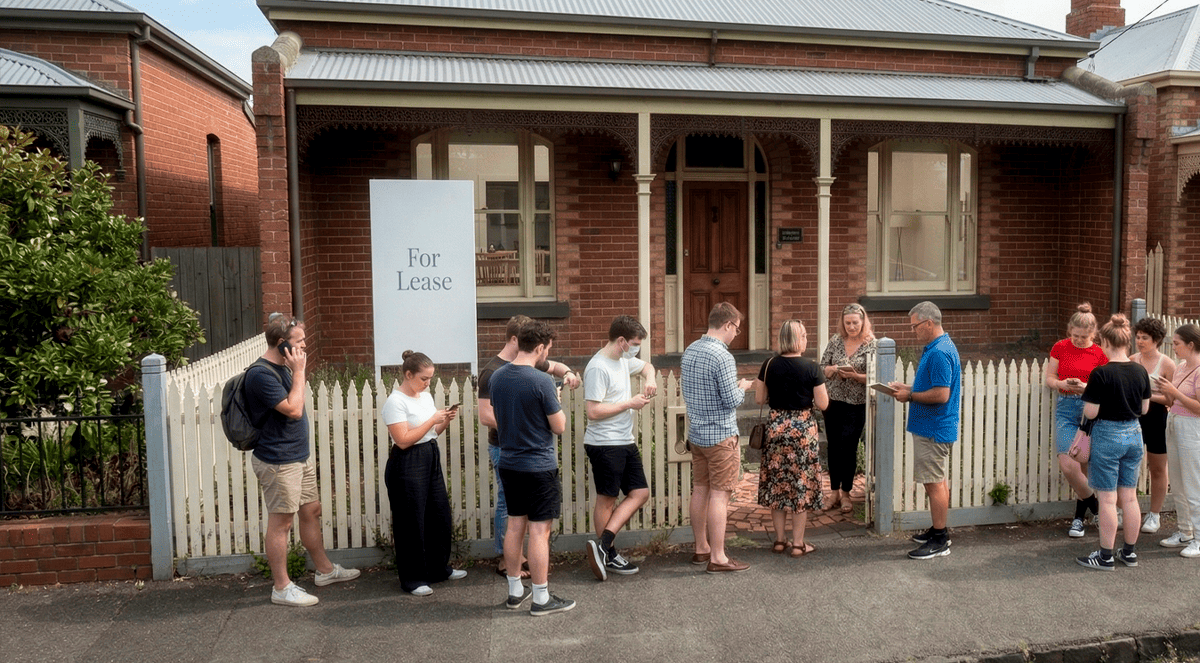
Fresh data shows Australia’s rental crisis has worsened, with affordability now the worst on record and unlikely to improve anytime soon.
REA Group, which runs Australia’s most popular property website, realestate.com.au, says tenants are facing the most challenging conditions since at least 2008, when it began compiling rental data, as years of surging rents continue to outpace income growth.
The details
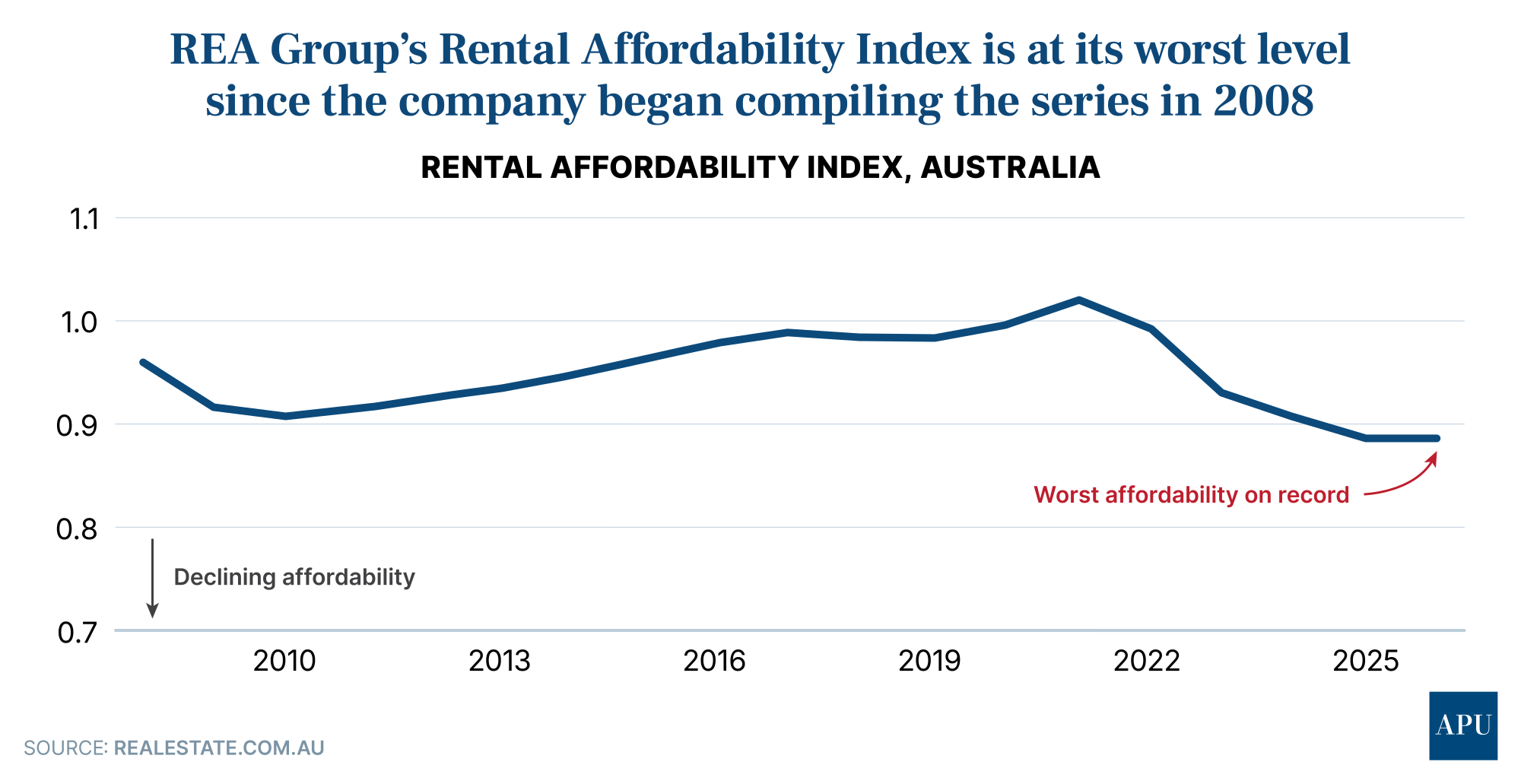
According to realestate.com.au’s latest Rental Affordability Report, a typical Australian household earning $124,000 a year could afford just over a third of advertised rental properties in the second half of 2025, matching the lowest level ever recorded.
“A median income household in Australia could afford to rent just 37% of the advertised rentals on realestate.com.au between July and December 2025, ” says REA Group Senior Economist Angus Moore, who compiled the report.
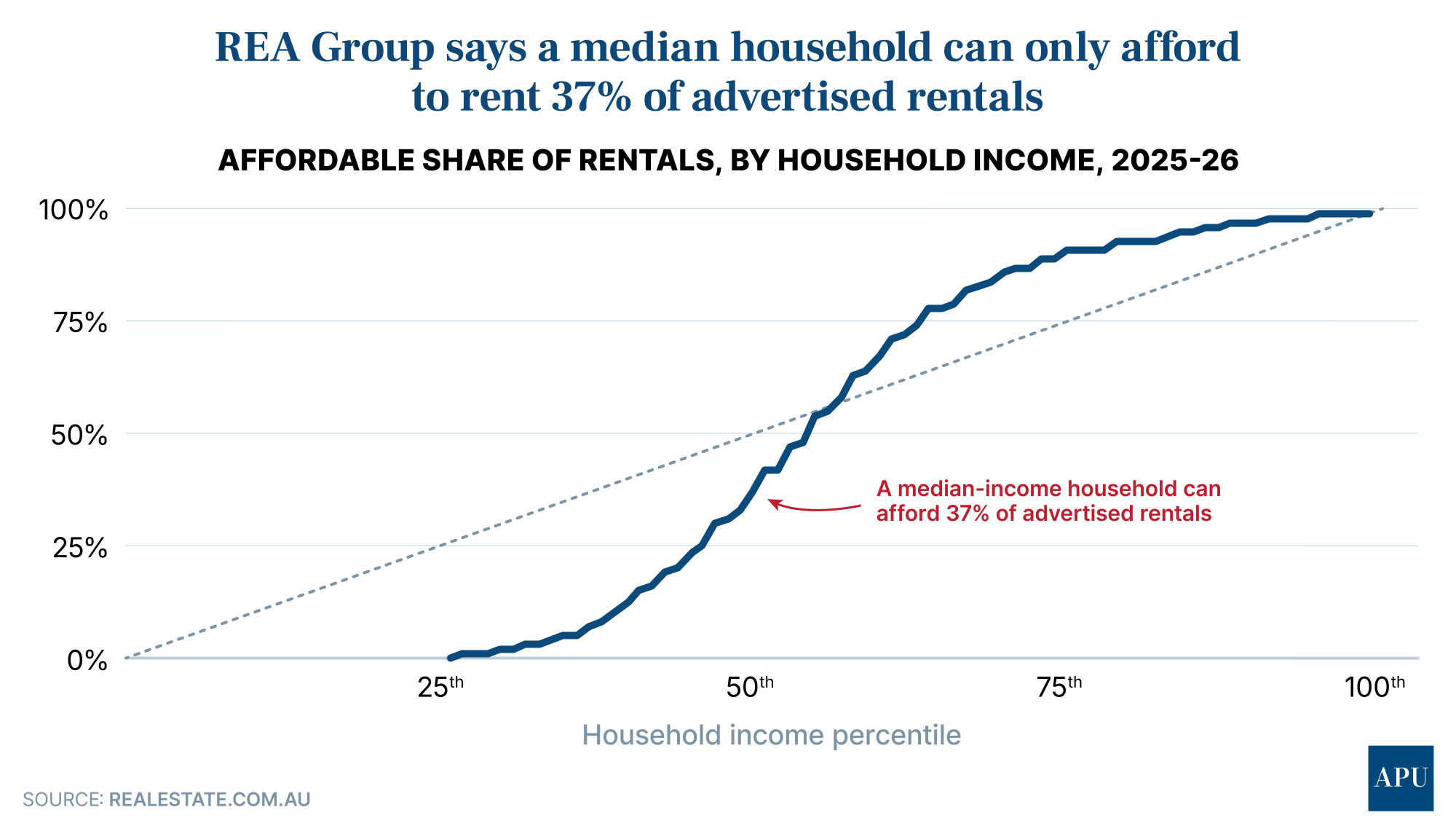
“Rental affordability has fallen to a record low, with Australian renters facing the toughest conditions since at least 2008.”
Mr Moore says the root cause is clear; rents have surged far faster than incomes since the pandemic.
“This is a significant decline from the conditions recorded at the end of the 2010s into the early 2020s,” he says.
“Since the onset of the pandemic, national rent prices have grown 55%, and income growth has failed to keep pace, lifting just 25% over the same period.
“This imbalance has worsened rental affordability,” he says.
The Rental Affordability Report also highlights a deepening divide, with lower-income households bearing the brunt of the crisis.
Rents at the cheaper end of the market have risen fastest, climbing 61% since 2018–19, further locking out those already struggling.
For many lower-income households, affording even a small portion of the market would require spending well above traditional affordability thresholds, underscoring the growing pressure on vulnerable renters.
The Rental Affordability Report says there are some early signs the pace of rent increases is easing.
National rents rose about 5% over 2025 - slower than the double-digit surges seen in previous years, while rental availability has improved slightly.
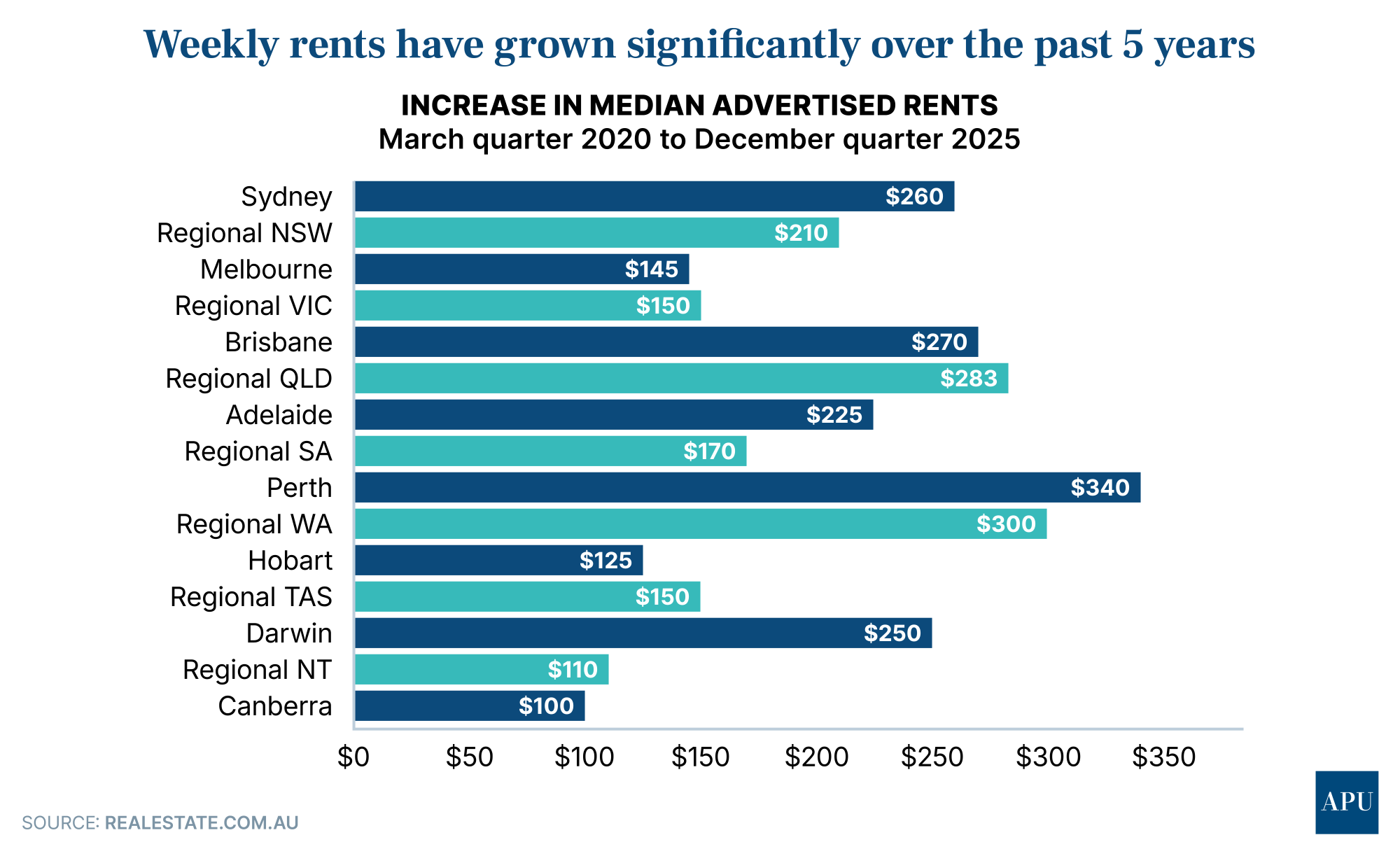
“Thankfully, there are signs conditions are improving for renters,” Mr Moore says.
“Rental availability improved over 2025 in most capitals, and rent growth, while still solid, has slowed from the peaks seen in 2022 and 2023.”

However, he warned renters shouldn’t expect meaningful relief anytime soon.
“Rental affordability will remain at incredibly low levels in the year ahead.”
The report also reveals stark differences across the country.
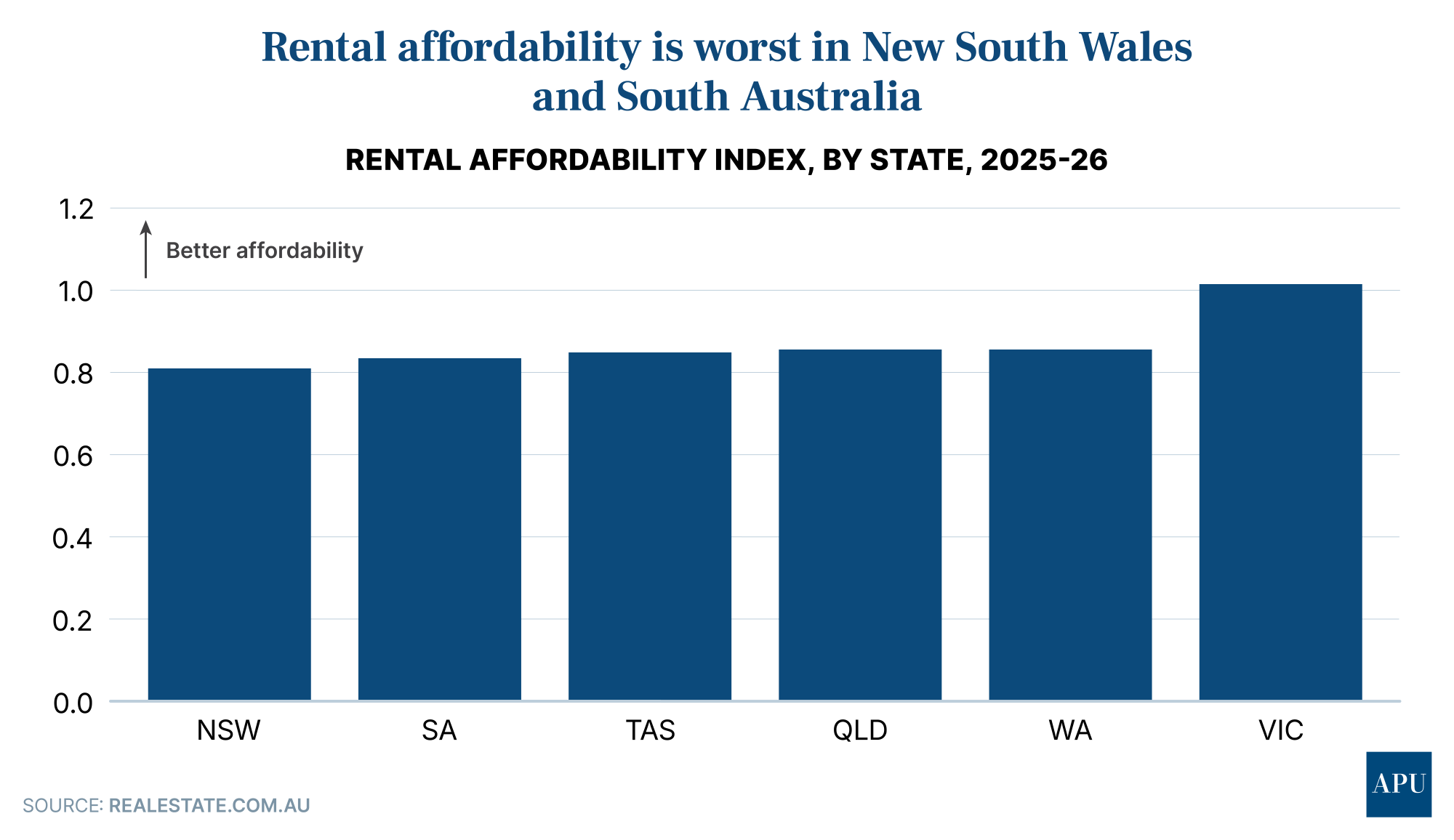
New South Wales and South Australia are the least affordable states, with typical households able to afford just 25% and 19% of rentals, respectively.
In contrast, Victoria stands out as the only state where affordability improved over the past year, helped by slower rent growth.
It’s now the most affordable state for renters by a wide margin.
Despite some easing in rent growth, the broader picture remains bleak: affordability is at historic lows, supply is still tight, and the gap between rents and incomes remains wide.
For millions of Australians, the rental crisis is no longer worsening at the same speed, but it’s still firmly entrenched and there appears to be no real chance of a major improvement on the horizon.







.jpg?width=1920&height=1080&name=WTF%20Is%20Happening%20To%20The%20Housing%20Market!%20$500%20Billion%20Wiped%20Out%20As%20Prices%20Fall%20Faster%20Every%20Month%20Scott%20Kuru%20YPU%20027%20(1).jpg)

%20Scott%20Kuru%20YPU%20025.jpg?width=1920&height=1080&name=This%20Is%20Worse%20Than%20A%20Recession%20RBA%20Admits%20Australias%20Wage%20Collapse%20Cant%20Be%20Stopped%20(Prepare%20Now)%20Scott%20Kuru%20YPU%20025.jpg)
























.jpg?width=1920&height=1080&name=EXPOSED%20How%20The%20Govt%20Let%20These%20Oil%20Giants%20Get%20Away%20With%20Paying%20Zero%20Tax%20For%20Aussie%20Gas%20Scott%20Kuru%20DPU%20256%20(1).jpg)






%20Scott%20Kuru%20DPU%20248.jpg?width=1920&height=1080&name=Major%20Banks%20CAUGHT%20Preparing%20For%20Australia%E2%80%99s%20Biggest%20Housing%20Crash%20(Defaults%20%26%20Bankruptcies%20Coming)%20Scott%20Kuru%20DPU%20248.jpg)
%20Scott%20Kuru%20DPU%20247.jpg?width=1920&height=1080&name=This%20Is%20How%20Australia%20Gets%20Pushed%20Into%20the%20Next%20Big%20Reset%20(Trust%20Collapse%20Has%20Officially%20Begun)%20Scott%20Kuru%20DPU%20247.jpg)







%20Scott%20Kuru%20DPU%20239.jpg?width=1920&height=1080&name=URGENT%20Life%20In%20Australia%20Has%20Become%20Impossible%20For%20Millions%20Of%20Aussies%20(It%E2%80%99s%20About%20To%20Get%20Worse)%20Scott%20Kuru%20DPU%20239.jpg)










%20Scott%20Kuru%20DPU%20227.jpg?width=1920&height=1080&name=URGENT%20ALERT%20Australia%E2%80%99s%20Property%20Market%20Is%20Sliding%20Into%20Something%20Much%20Bigger%20(Prepare%20Now)%20Scott%20Kuru%20DPU%20227.jpg)