









.png?width=292&height=292&name=Copy%20Link%20(1).png)

 SIGN UP FOR FREE NEWSLETTER
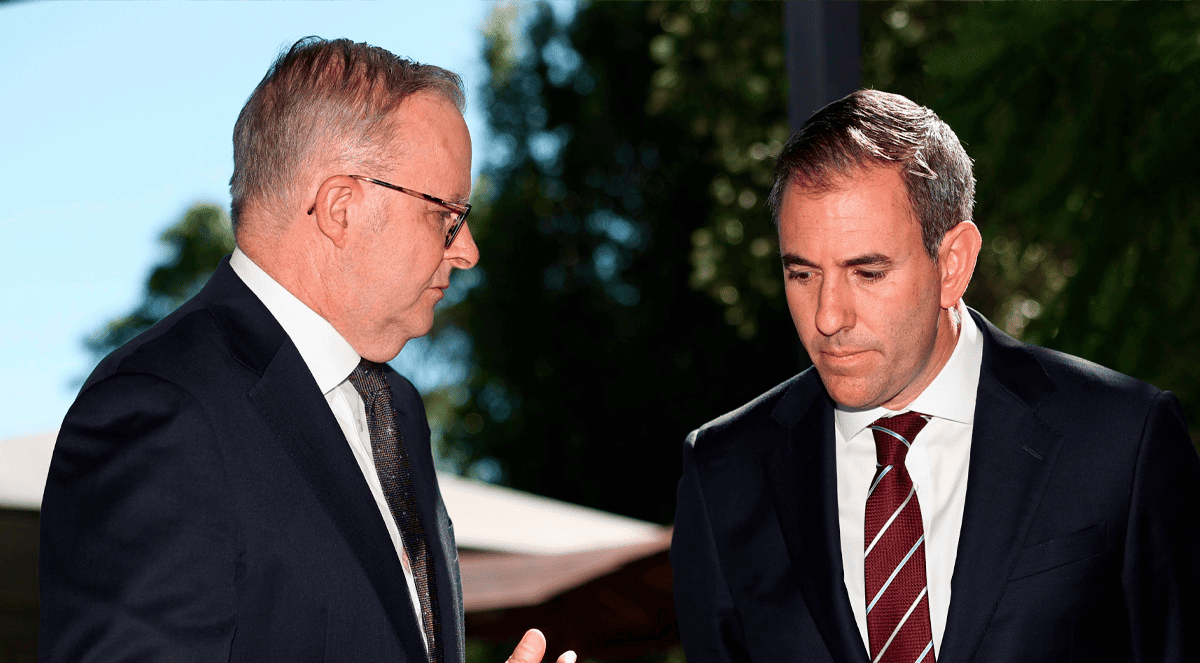
Image by Alex Ellinghausen/AFR
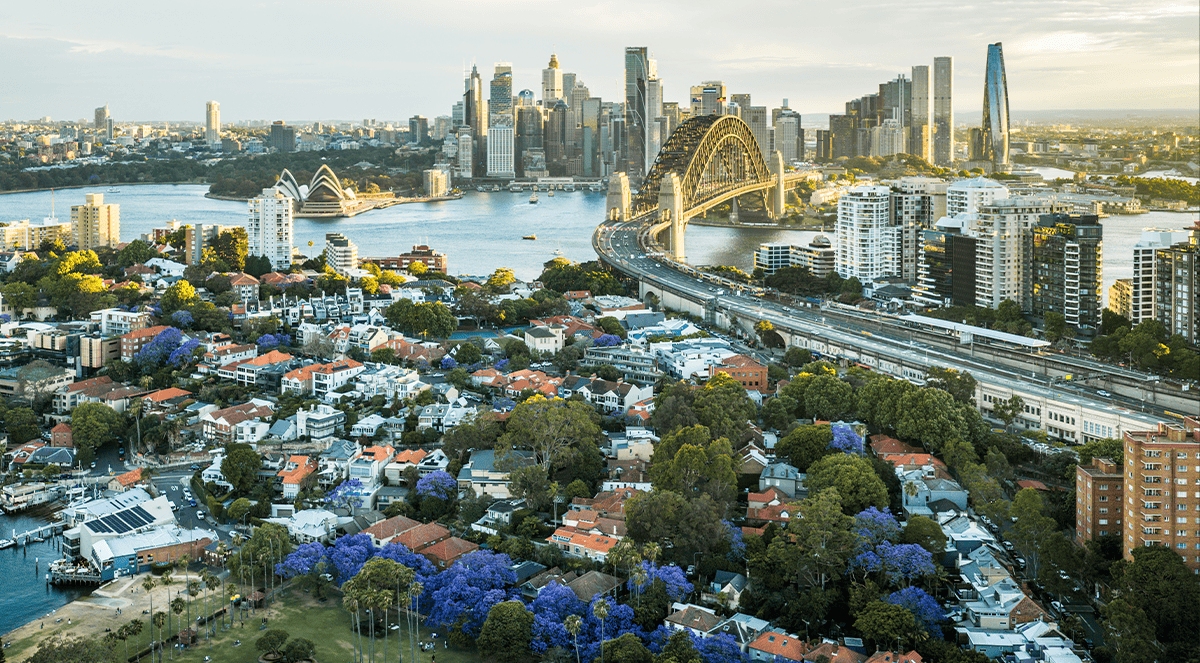
One of the nation’s leading property groups has warned that mooted changes to the Capital Gains Tax (CGT) discount and negative gearing risk worsening Australia’s existing housing shortage and raising rents.
In a blistering attack on the Albanese government, the Council’s Chief Executive, Mike Zorbas, says changes to the investment tax regime on housing would actually entrench intergenerational inequity, the very problem that Treasurer Jim Chalmers has stated he would like to solve.
The Council’s view has received support from a former senior Treasury official - who specialises in taxation policy.
The details
Rumours have been swirling in Canberra that the Albanese government is preparing to scale back the 50% Capital Gains Tax (CGT) discount as part of a broader push on “intergenerational equity” ahead of the May budget.
Treasury officials have publicly confirmed that there has been “a great deal of analysis” on CGT changes within the government’s key economic department.
Under current rules, investors receive a 50% discount on CGT when selling an asset held for more than a year - a concession introduced by the Howard government in 1999.
Some reports have also suggested the May budget will usher in changes which would see negative gearing limited to only two investment properties.
Negative gearing occurs when the holding costs of owning an income-producing asset (interest on loans, maintenance and rates in the case of a property), exceed the income it generates (rent).
Investors cover this shortfall, but can then deduct the net loss from their taxable income, reducing their overall tax bill.
The Property Council
“Housing policy should be about leadership, intergenerational equity and reform,” says Mike Zorbas, the Chief Executive of the Property Council of Australia.
“In housing, the answer is supply.”
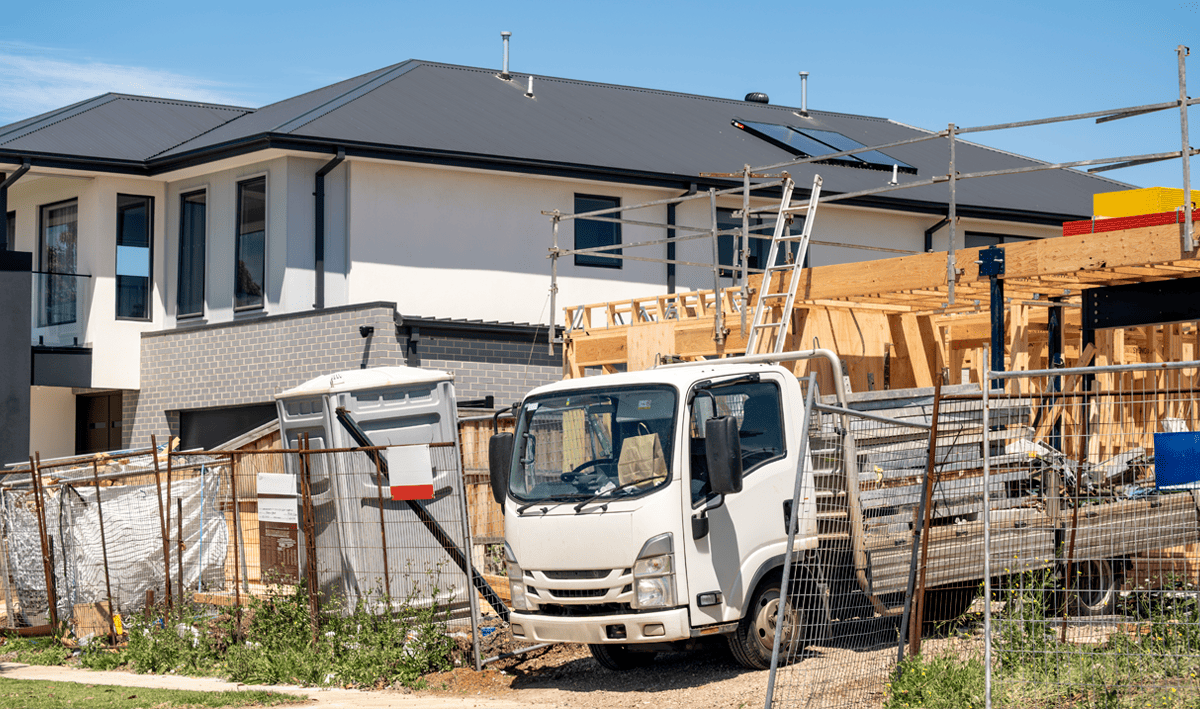
He says Australia is already facing a deep structural housing shortage, estimating the country has built 1.3 million fewer homes than needed since 2000.
But Mr Zorbas says the upcoming Federal budget risks making things even worse if it focuses on tightening property tax settings.
“The most likely approach, as flagged by ministers to date, is property tax hikes alone,” he says.
“33% Capital Gains Tax (CGT) discount vs equities at 50%, with a 2-home negative gearing cap.”
Mr Zorbas says those changes could discourage investment in housing compared with other assets.
“Hiking CGT on investment in new homes, relative to shares, will hammer supply,” he says.
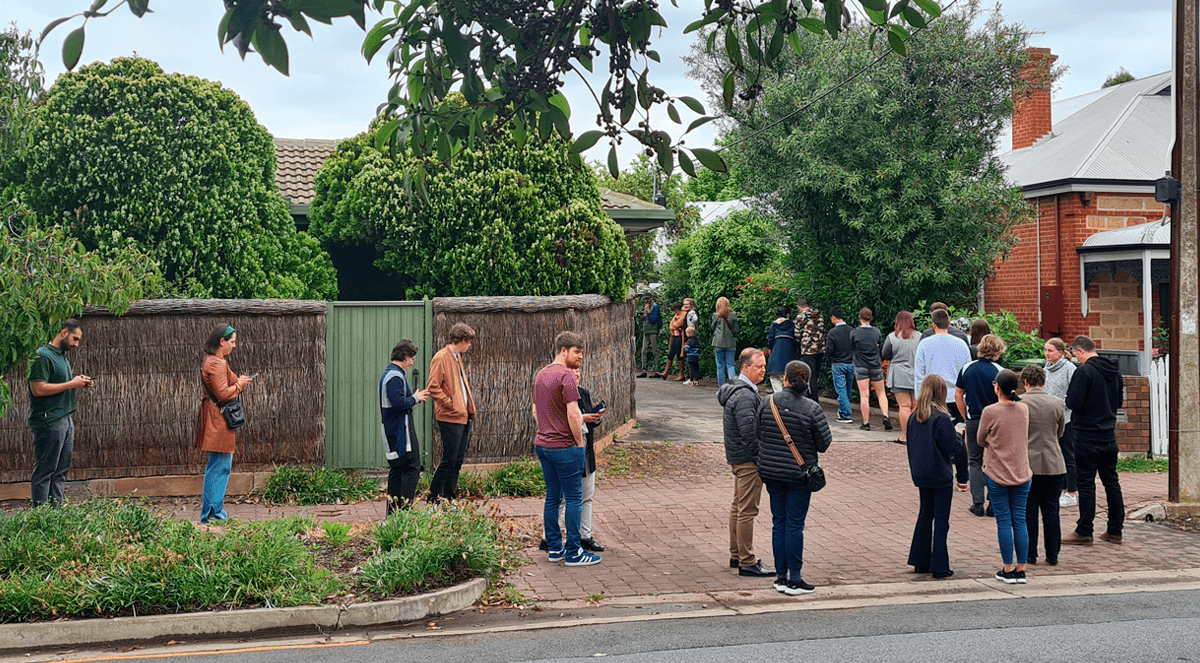
“And that means intergenerational equity is at risk, especially for people who can only currently afford to rent - almost 30% of the population.”
Mr Zorbas says many property investors rely on long-term capital gains rather than rental income, noting typical rental returns are below 3% annually once expenses such as stamp duty, land tax, insurance and strata fees are factored in.


He points to research from PEXA and LongView showing that around 60% of Australia’s two million small-scale “Mum and Dad” landlords would be financially better off investing in superannuation instead of rental property.
“If government policy stuffs new supply because the investor cohort shifts its marginal investment dollar to equities, then builders large and small will have less work,” he says.
“That could also reduce opportunities for apprentices and construction workers if fewer developments proceed.”
Mr Zorbas warns the experience of Victoria shows how policy settings can affect housing supply.
He says the state’s high tax burden and regulatory changes have deterred investment and have made it almost impossible to meet Victoria’s target of building 80,000 new homes per year.
Beyond tax settings, Mr Zorbas says several structural forces are pushing housing affordability in the wrong direction - including population growth, shrinking household sizes, rising borrowing costs and higher construction expenses.
He also criticises what he described as a growing “fatberg” of federal, state and local taxes on housing, saying government charges can comprise up to one third of the cost of a new home.
At the same time, planning constraints and slow development approvals are limiting supply in a “land-rich, low population country”.
“These factors are part of the reason why we are only building two-thirds of the homes we need each year,” he says.
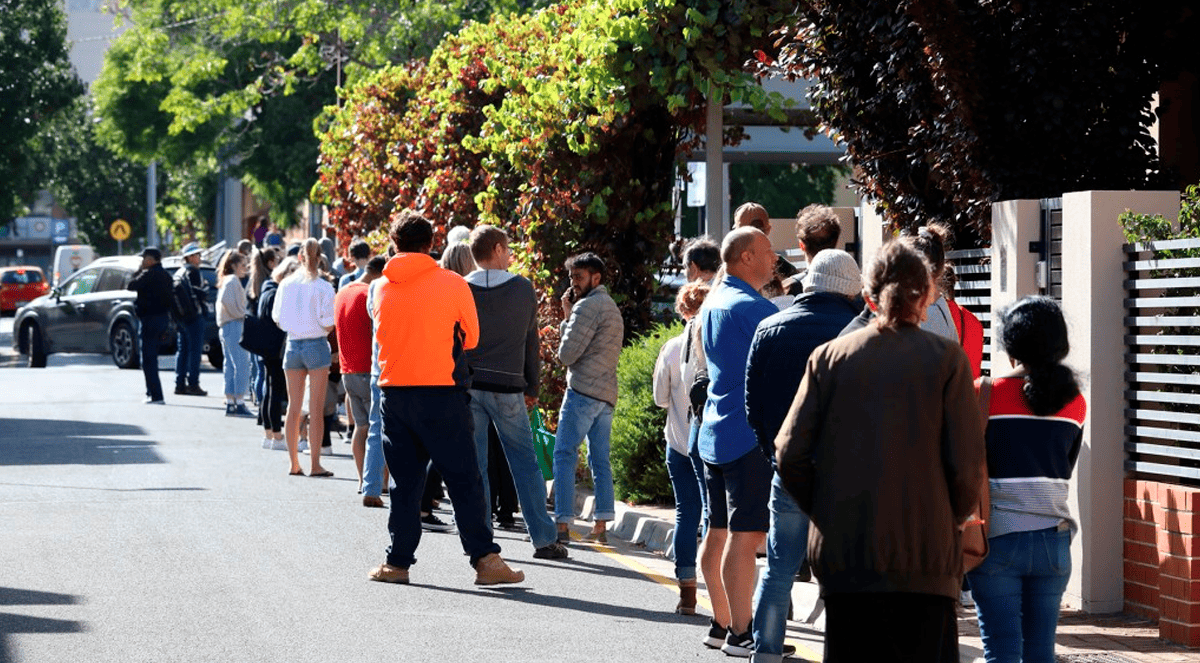
Mr Zorbas argues that even modest tax changes could also worsen rental affordability.
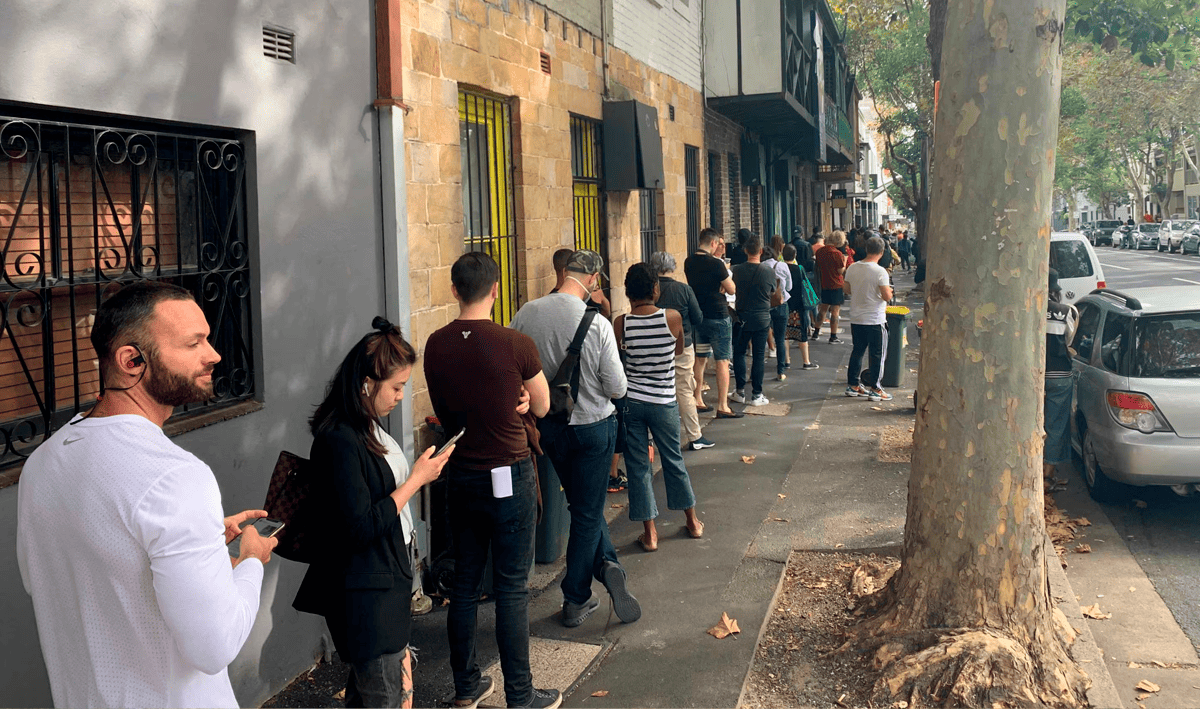
Image from ABC News/Mark Reddie
“So even if you put the CGT discount on existing property to 33%, while leaving new homes untouched and add grandfathering, upping tax rates on existing rental homes still means rents will rise and modelling shows housing supply will go down.
“After May under any change scenario, almost three in ten people will still need to rent next year and for the next decade,” he says, noting the median age of first-home buyers who are currently renting is already about 34 nationally.
Instead of focusing on tax changes, the Property Council is calling for broader reforms, including incentives for state infrastructure, improved settings for build-to-rent housing and policies to encourage greater institutional investment in housing supply.
“The idea of reducing the supply of homes across the board and increasing the cost of renting a home with a parliamentary policy to funnel peoples’ investment money into the share market instead of the rental market really undermines political talking points on intergenerational equity,” the Council’s CEO Mike Zorbas says.
“No political bravery is required to hike taxes.”
The former Treasury official
Mr. Zorbas’ arguments have found support from a former senior Treasury official, who’s warned that any move to wind back Capital Gains Tax concessions in the name of “intergenerational equity” would amount to a “smash and grab” that fails younger Australians.
Geoff Francis, a former Assistant Secretary in Treasury who was responsible for aspects of taxation policy, argues that any move to tighten CGT concessions misunderstands how investment supports long-term prosperity.
“Framing debates about tax concessions in terms of intergenerational equity reflects a redistributionist, zero-sum mindset that ignores growth,” Mr Francis says.
He rejects the argument that uneven access to tax concessions necessarily makes them unfair, noting that higher-income earners both pay more tax and receive more benefit from deductions and concessions because of Australia’s progressive income tax system.
ATO data shows the top 15% of taxpayers pay about 57% of the total amount of personal income tax collected in Australia, while the top 5% contribute 37%.
“Investment, whether it be in housing, small business or providing capital for big business through shares, is what will leave us with more housing, higher productivity and grow real incomes, thereby leaving future generations better off.”
He reserves particular criticism for the idea that taxing landlords more heavily would improve housing affordability.
“A real agenda to help young people would involve addressing housing via much greater land supply so that capital gains aren’t so high in the first place, rather than taxing landlords more,” the former Treasury official says.







.jpg?width=1920&height=1080&name=WTF%20Is%20Happening%20To%20The%20Housing%20Market!%20$500%20Billion%20Wiped%20Out%20As%20Prices%20Fall%20Faster%20Every%20Month%20Scott%20Kuru%20YPU%20027%20(1).jpg)
%20Scott%20Kuru%20YPU%20025.jpg?width=1920&height=1080&name=This%20Is%20Worse%20Than%20A%20Recession%20RBA%20Admits%20Australias%20Wage%20Collapse%20Cant%20Be%20Stopped%20(Prepare%20Now)%20Scott%20Kuru%20YPU%20025.jpg)


























.jpg?width=1920&height=1080&name=EXPOSED%20How%20The%20Govt%20Let%20These%20Oil%20Giants%20Get%20Away%20With%20Paying%20Zero%20Tax%20For%20Aussie%20Gas%20Scott%20Kuru%20DPU%20256%20(1).jpg)







%20Scott%20Kuru%20DPU%20248.jpg?width=1920&height=1080&name=Major%20Banks%20CAUGHT%20Preparing%20For%20Australia%E2%80%99s%20Biggest%20Housing%20Crash%20(Defaults%20%26%20Bankruptcies%20Coming)%20Scott%20Kuru%20DPU%20248.jpg)
%20Scott%20Kuru%20DPU%20247.jpg?width=1920&height=1080&name=This%20Is%20How%20Australia%20Gets%20Pushed%20Into%20the%20Next%20Big%20Reset%20(Trust%20Collapse%20Has%20Officially%20Begun)%20Scott%20Kuru%20DPU%20247.jpg)







%20Scott%20Kuru%20DPU%20239.jpg?width=1920&height=1080&name=URGENT%20Life%20In%20Australia%20Has%20Become%20Impossible%20For%20Millions%20Of%20Aussies%20(It%E2%80%99s%20About%20To%20Get%20Worse)%20Scott%20Kuru%20DPU%20239.jpg)










%20Scott%20Kuru%20DPU%20227.jpg?width=1920&height=1080&name=URGENT%20ALERT%20Australia%E2%80%99s%20Property%20Market%20Is%20Sliding%20Into%20Something%20Much%20Bigger%20(Prepare%20Now)%20Scott%20Kuru%20DPU%20227.jpg)