









.png?width=292&height=292&name=Copy%20Link%20(1).png)

 SIGN UP FOR FREE NEWSLETTER
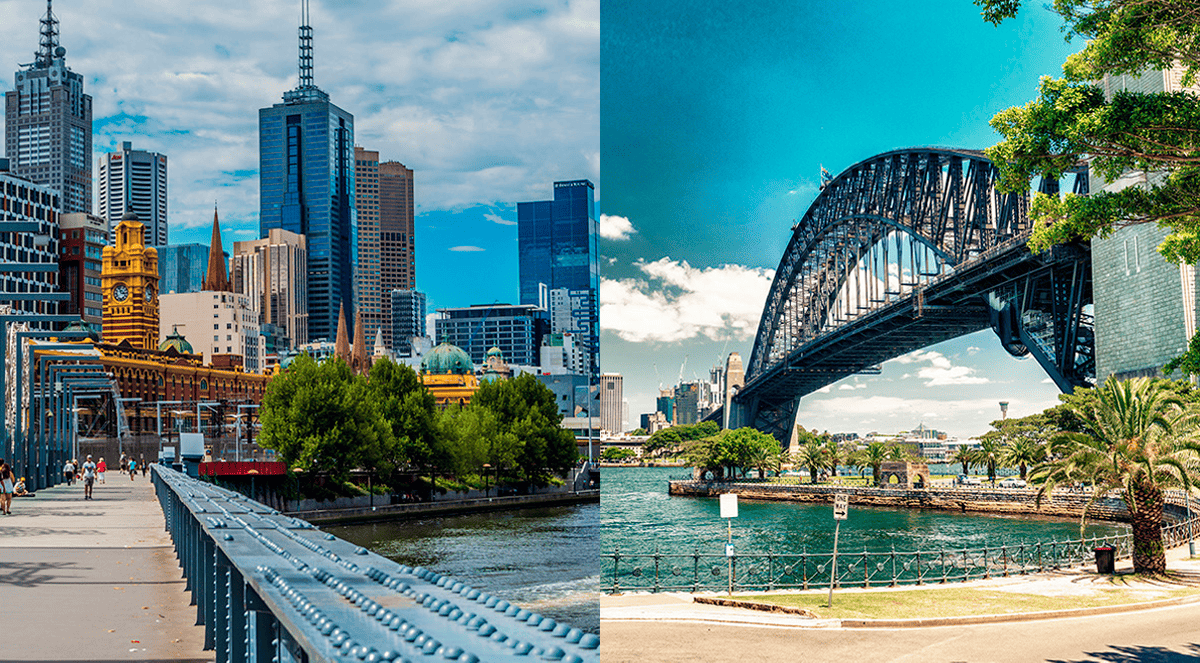
Australia’s housing market is entering a more uneven phase, with Sydney and Melbourne prices easing, as the smaller capital cities continue to surge ahead.
New data from Cotality shows national home values rose 0.7% in March, pushing prices 2.1% higher over the first quarter of 2026.
Beneath the headline growth numbers, the property market appears increasingly fractured, shaped by affordability pressures, rising interest rates and shifting buyer behaviour.
The details
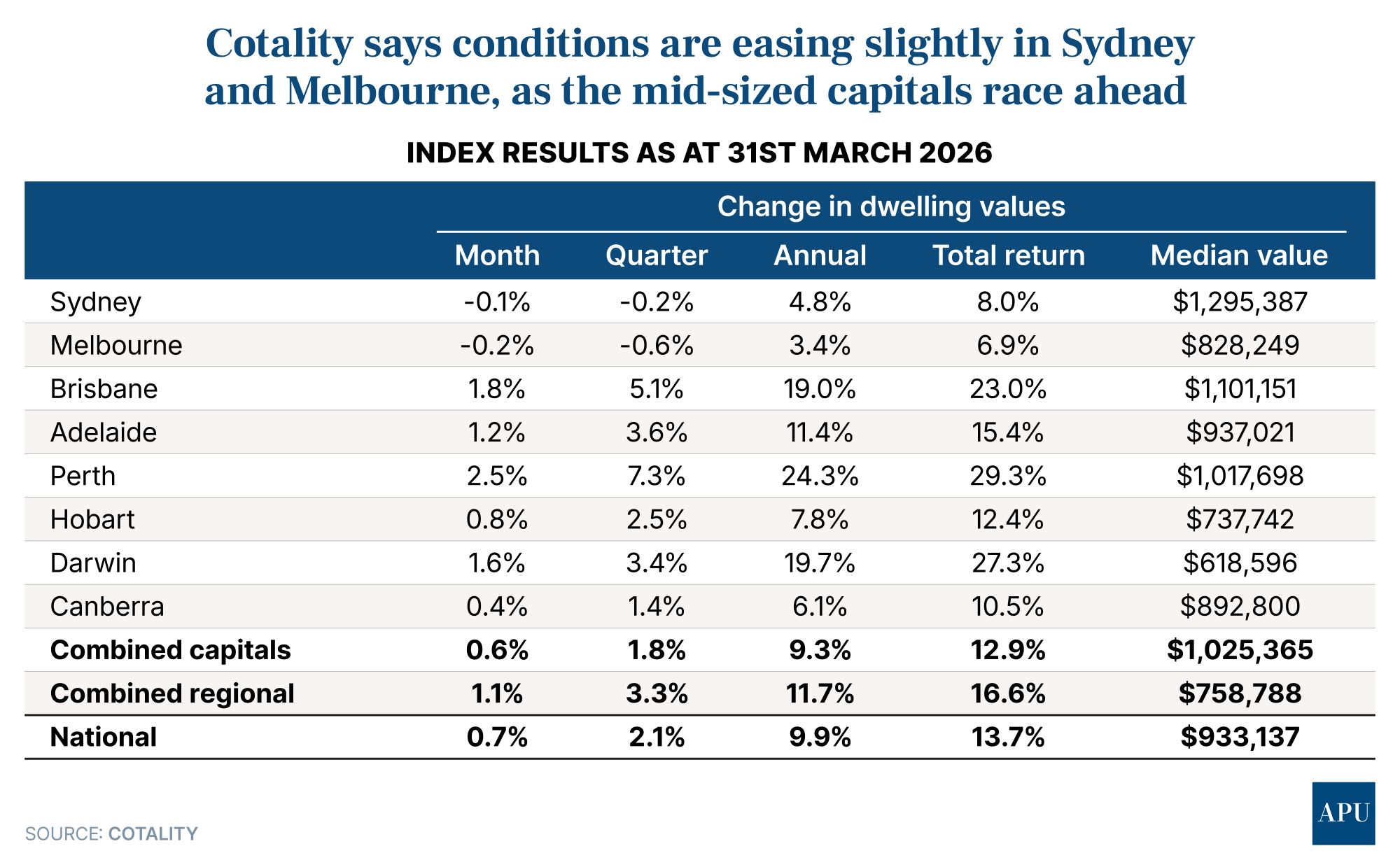
Cotality’s latest monthly Home Value Index shows that while cities like Perth, Adelaide and Darwin continued to post strong gains in March, Australia’s two largest housing markets, Sydney and Melbourne, started to slip backwards.
“Since the end of November 2025, Melbourne values have retreated by -0.9% and the Sydney market is down -0.4%,” Cotality’s Research Director, Tim Lawless, says.
“The softer trend in values coincides with falling auction clearance rates and a pickup in advertised supply, providing buyers with more choice and less urgency at the negotiation table.”
The divergence across capital cities has become one of the defining features of the current property cycle.
Perth leads the charge, with home values surging 2.5% in March alone and climbing 7.3% over the last three months.
That boom has translated into a sharp lift in household wealth.
“In dollar terms, the 7.3% rise in Perth home values over the quarter has added approximately $69,000 to the median dwelling value,” Mr Lawless says.
“Clearly, this pace of growth is unsustainable, but continues to be supported by low supply, with advertised stock levels tracking about 40% below the five-year average for this time of the year.”
Regional markets are also holding firm, with values rising 1.1% over the month and 3.3% over the quarter, outpacing the combined capitals.
But in Sydney and Melbourne, the story is markedly different.
Rising listings and less buyer urgency are shifting the balance of power away from sellers, and there’s a growing divide between cheaper and more expensive housing.
Lower-priced properties are outperforming across almost every capital city, as buyers are pushed down the price ladder by borrowing constraints and cost-of-living pressures.
“Strength across the lower quartile value tier is tied to increased competition for lower-priced housing,” Mr Lawless says.
“Serviceability constraints are deflecting buyer demand towards the lower end of the market, competing with a pickup in first-home buyers taking advantage of stimulus and elevated levels of investor activity.”
In Sydney, upper-tier home values fell 1.8% over the March quarter, while lower-tier properties rose by the same amount - 1.8% - in a stark illustration of how affordability is reshaping the market.
This shift is being driven in part by tighter lending conditions and by government programs such as the 5% Deposit Guarantee Scheme, which has allowed many first-home buyers - who traditionally target lower-priced properties - to bring forward home purchases, often by several years, as they no longer require a standard 20% deposit.
With banks applying a three-percentage-point buffer to loan applications, many borrowers also must now prove they can service loans at retail mortgage rates of around 9%.
Cotality notes that wages are failing to keep pace with inflation, leaving households with less capacity to stretch into higher-priced homes.
Rental market
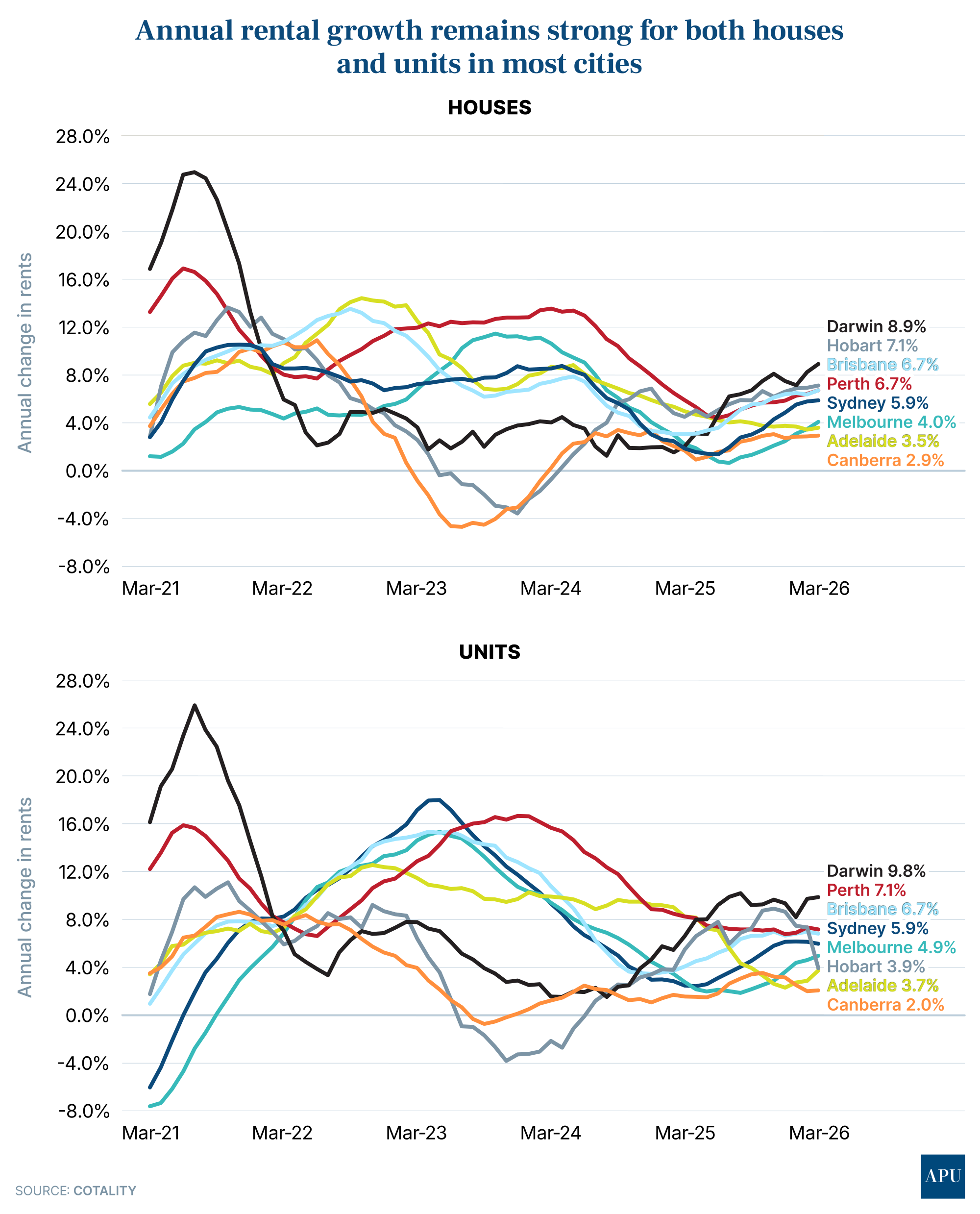
While the sales market is showing signs of cooling in some cities, Cotality’s figures indicate the rental sector is heating up again.
Rents rose 2.1% over the three months to March, the fastest quarterly increase since mid-2024, pushing annual growth to 5.7%.
That equates to roughly an extra $37 per week for the median tenancy.
Vacancy rates remain critically tight, sitting at just 1.6% nationally, well below the long-term average of 2.5%, with Adelaide the tightest at 0.9%.
Even in Melbourne, where rental availability has improved slightly, vacancy rates remain below 2%, underscoring ongoing supply constraints.
Cotality says the result is mounting pressure on tenants, with the typical household now spending around a third of its pre-tax income on rent, a record-high burden.
The resurgence in rental growth is also likely to complicate the fight against inflation.
With rents making up a significant portion of the ABS’ Consumer Price Index (CPI) calculations, increases in market rents tend to flow through to official inflation figures.
The outlook
Despite market strength in the smaller capitals and strong demand for cheaper property, Cotality’s assessment is that the broad outlook for the housing market is becoming more challenging.
A combination of rising interest rates, higher living costs and the fallout from conflict in the Middle East is weighing on buyer confidence.
Sales activity is already softening, with Cotality estimating transaction volumes are down 1.9% compared to a year ago and 5.6% below the five-year average.
Consumer sentiment has also deteriorated, with the long-running ANZ-Roy Morgan index recording its worst result since 1973.
Tim Lawless points out that historically, consumer confidence is a key leading indicator for housing activity.
But Cotality points out there are plenty of factors that would mitigate against any sharp downturn in Australia’s residential property market.
Housing supply remains constrained overall, helping to underpin prices even as demand weakens.
Although listings have begun to rise, particularly in Sydney and Melbourne, stock levels are still relatively low in many markets.
Construction activity has picked up modestly, but builders continue to face high costs for materials, labour and fuel, limiting the pace of new supply.
Meanwhile, employment remains strong, reducing any risk of widespread forced sales.
Overall, Cotality says it expects housing market conditions to remain subdued and uneven throughout 2026, with more affordable properties likely to perform better, supported by continued demand from first-home buyers and investors.










.jpg?width=1920&height=1080&name=WTF%20Is%20Happening%20To%20The%20Housing%20Market!%20$500%20Billion%20Wiped%20Out%20As%20Prices%20Fall%20Faster%20Every%20Month%20Scott%20Kuru%20YPU%20027%20(1).jpg)
%20Scott%20Kuru%20YPU%20025.jpg?width=1920&height=1080&name=This%20Is%20Worse%20Than%20A%20Recession%20RBA%20Admits%20Australias%20Wage%20Collapse%20Cant%20Be%20Stopped%20(Prepare%20Now)%20Scott%20Kuru%20YPU%20025.jpg)


























.jpg?width=1920&height=1080&name=EXPOSED%20How%20The%20Govt%20Let%20These%20Oil%20Giants%20Get%20Away%20With%20Paying%20Zero%20Tax%20For%20Aussie%20Gas%20Scott%20Kuru%20DPU%20256%20(1).jpg)







%20Scott%20Kuru%20DPU%20248.jpg?width=1920&height=1080&name=Major%20Banks%20CAUGHT%20Preparing%20For%20Australia%E2%80%99s%20Biggest%20Housing%20Crash%20(Defaults%20%26%20Bankruptcies%20Coming)%20Scott%20Kuru%20DPU%20248.jpg)
%20Scott%20Kuru%20DPU%20247.jpg?width=1920&height=1080&name=This%20Is%20How%20Australia%20Gets%20Pushed%20Into%20the%20Next%20Big%20Reset%20(Trust%20Collapse%20Has%20Officially%20Begun)%20Scott%20Kuru%20DPU%20247.jpg)







%20Scott%20Kuru%20DPU%20239.jpg?width=1920&height=1080&name=URGENT%20Life%20In%20Australia%20Has%20Become%20Impossible%20For%20Millions%20Of%20Aussies%20(It%E2%80%99s%20About%20To%20Get%20Worse)%20Scott%20Kuru%20DPU%20239.jpg)










%20Scott%20Kuru%20DPU%20227.jpg?width=1920&height=1080&name=URGENT%20ALERT%20Australia%E2%80%99s%20Property%20Market%20Is%20Sliding%20Into%20Something%20Much%20Bigger%20(Prepare%20Now)%20Scott%20Kuru%20DPU%20227.jpg)