









.png?width=292&height=292&name=Copy%20Link%20(1).png)

 SIGN UP FOR FREE NEWSLETTER
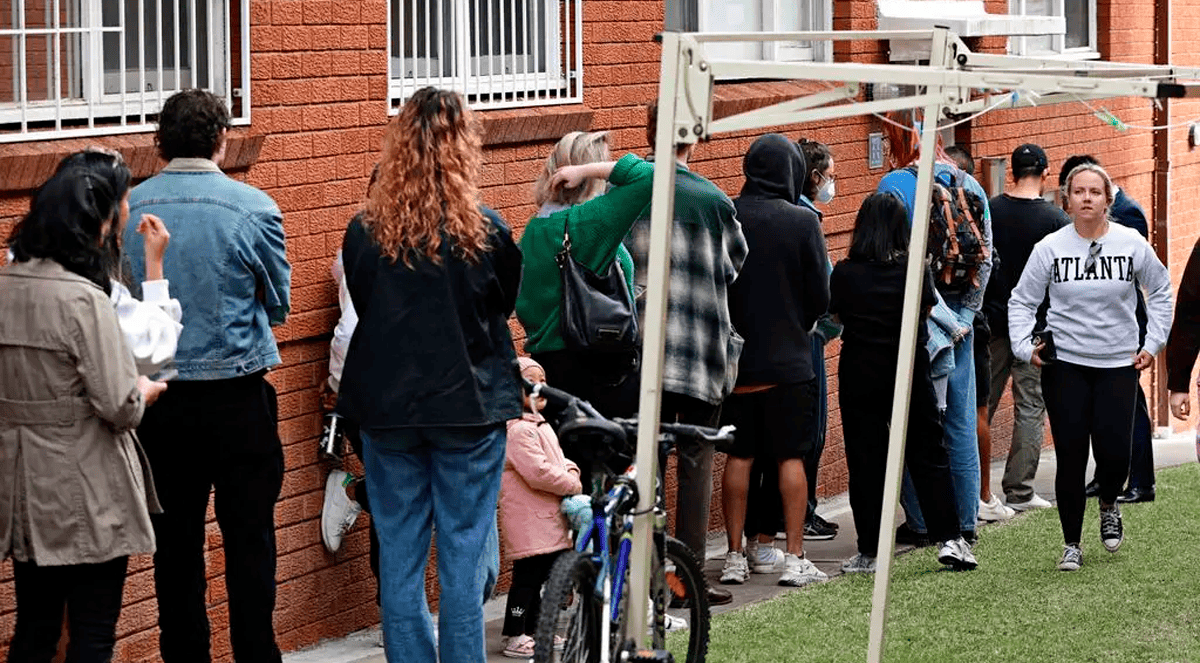
Image by Adam Yip/REA
Australia’s rental market was losing hundreds of properties a week in the weeks after the May Federal Budget because too few new investors were buying homes to replace those being sold by existing landlords.
The claim comes from property research group FoundIt, which analysed more than 760,000 property listings.
FoundIt estimates only 61 new rental properties entered the market for every 100 rental homes sold during the period.
The details
FoundIt says around 10,100 rented properties were sold during the seven weeks following the May Federal Budget, which introduced major changes to property investment rules.
During the same period, just 6,140 homes were bought by investors and subsequently advertised for lease.
That left an estimated net loss of about 570 rental properties a week nationally, at a time when vacancy rates remain low and Australia’s population continues to grow strongly.
FoundIt says the problem was not a sudden rush of landlords selling up, because fewer rental properties were sold than during the corresponding period a year earlier.
Instead, the bigger change was a sharp slowdown in new investors entering the market, meaning rental homes leaving the system were not being replaced quickly enough.
“Replenishment is stuck at 61 homes for every 100 that leave,” FoundIt Head of Research Kent Lardner says.
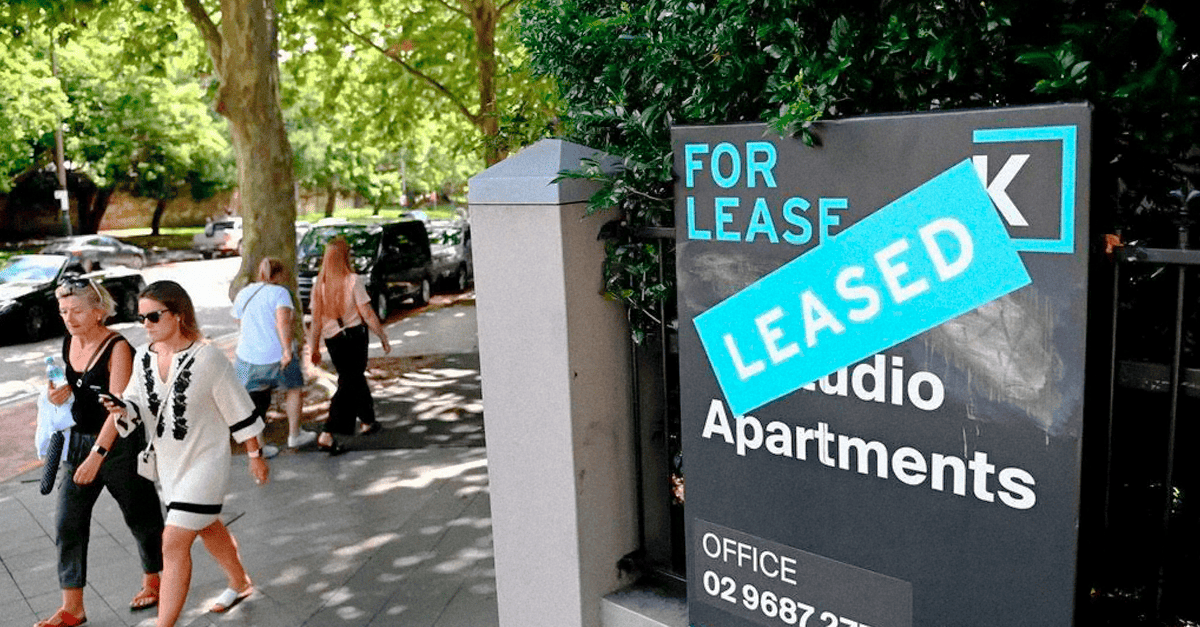
Image by Jeremy Piper
“A rental pool can shrink just as fast through the taps as through the drain.”
The analysis, published exclusively by realestate.com.au, examined more than 760,000 listings and used the Commonwealth’s Geocoded National Address File, or G-NAF, to track properties moving into and out of the rental market.
Much of the public debate since the May Budget has focused on whether changes to negative gearing and capital gains tax would trigger a landlord “exodus”.
FoundIt’s figures instead point to a slower-burning problem: existing rentals continue to be sold, but fewer replacement properties are being bought by investors.
ABS lending data cited in the analysis points in the same direction.
Investor loan commitments fell 8.6% in the June quarter, the largest quarterly decline in four years.
The Federal Budget changes mean investors who purchase established properties after the transition period will no longer have access to negative gearing, while the longstanding 50% capital gains tax discount will be replaced by a new system.
Existing investments are grandfathered, and investors purchasing new dwellings retain preferential treatment under the Government’s attempt to redirect capital towards additional housing supply.
But FoundIt argues any substantial reduction in investors purchasing established homes could tighten rental availability well before enough new housing is built to compensate.
The rental supply decline is also occurring against a backdrop of continuing population growth.
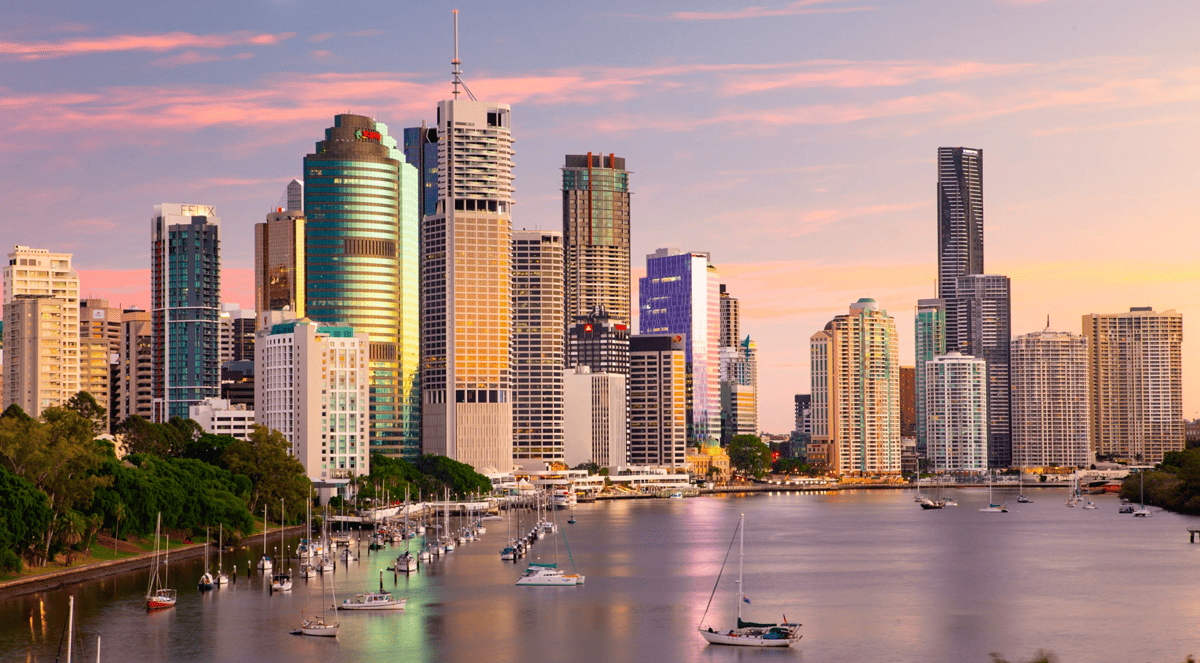


Mr Lardner points to ABS figures showing Australia’s population was increasing by around 34,000 people a month in the year to December 2025, with roughly three-quarters of that growth coming through overseas migration.
FoundIt estimates population growth at that pace requires an additional 5,500 to 7,000 rental homes each month, before accounting for any properties already leaving the rental market.
Yet FoundIt’s post-Budget analysis indicates the existing private rental pool is shrinking rather than expanding.
Australia’s rental stock was also shrinking during the equivalent period in 2025, but FoundIt says the forces behind that decline were different.
At the time, increased selling by Victorian landlords following state policy changes was one factor, while some investors elsewhere took advantage of large capital gains accumulated during the post-pandemic property boom and sold.
The latest figures show fewer landlords selling than a year ago, but also a much weaker flow of investors buying replacement rental properties.
If demand remains strong, a shrinking rental pool means greater competition among tenants.
National vacancy rates are already historically low, while rents have risen sharply over the past five years.
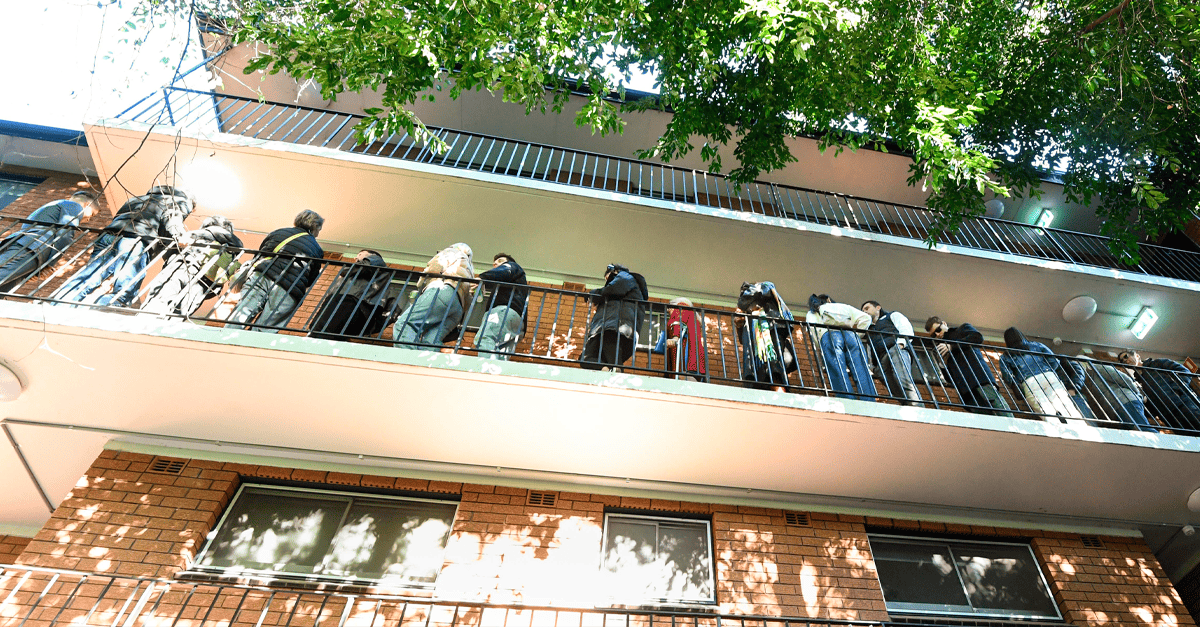
Image by Peter Rae
If tenant numbers continue growing while the stock of available rentals contracts, basic supply-and-demand pressures point towards further rent increases.
FoundIt’s analysis does not mean every home sold by a landlord disappears from the available housing stock, as some will be purchased by former renters moving into home ownership, reducing rental demand at the same time.
The Albanese Government has argued its property reforms will encourage precisely that shift by reducing competition between investors and first-home buyers.
But FoundIt’s analysis suggests there is another side to that equation.
Unless enough renters become homeowners, or enough new rental properties are built and purchased by investors, the housing pool available to everyone who remains a tenant will continue to shrink.
And with only 61 replacement rentals appearing for every 100 sold in the weeks immediately after the Budget, that’s the trend FoundIt says the market is already beginning to show.













.jpg?width=1920&height=1080&name=WTF%20Is%20Happening%20To%20The%20Housing%20Market!%20$500%20Billion%20Wiped%20Out%20As%20Prices%20Fall%20Faster%20Every%20Month%20Scott%20Kuru%20YPU%20027%20(1).jpg)
%20Scott%20Kuru%20YPU%20025.jpg?width=1920&height=1080&name=This%20Is%20Worse%20Than%20A%20Recession%20RBA%20Admits%20Australias%20Wage%20Collapse%20Cant%20Be%20Stopped%20(Prepare%20Now)%20Scott%20Kuru%20YPU%20025.jpg)


























.jpg?width=1920&height=1080&name=EXPOSED%20How%20The%20Govt%20Let%20These%20Oil%20Giants%20Get%20Away%20With%20Paying%20Zero%20Tax%20For%20Aussie%20Gas%20Scott%20Kuru%20DPU%20256%20(1).jpg)







%20Scott%20Kuru%20DPU%20248.jpg?width=1920&height=1080&name=Major%20Banks%20CAUGHT%20Preparing%20For%20Australia%E2%80%99s%20Biggest%20Housing%20Crash%20(Defaults%20%26%20Bankruptcies%20Coming)%20Scott%20Kuru%20DPU%20248.jpg)
%20Scott%20Kuru%20DPU%20247.jpg?width=1920&height=1080&name=This%20Is%20How%20Australia%20Gets%20Pushed%20Into%20the%20Next%20Big%20Reset%20(Trust%20Collapse%20Has%20Officially%20Begun)%20Scott%20Kuru%20DPU%20247.jpg)







%20Scott%20Kuru%20DPU%20239.jpg?width=1920&height=1080&name=URGENT%20Life%20In%20Australia%20Has%20Become%20Impossible%20For%20Millions%20Of%20Aussies%20(It%E2%80%99s%20About%20To%20Get%20Worse)%20Scott%20Kuru%20DPU%20239.jpg)









%20Scott%20Kuru%20DPU%20227.jpg?width=1920&height=1080&name=URGENT%20ALERT%20Australia%E2%80%99s%20Property%20Market%20Is%20Sliding%20Into%20Something%20Much%20Bigger%20(Prepare%20Now)%20Scott%20Kuru%20DPU%20227.jpg)