









.png?width=292&height=292&name=Copy%20Link%20(1).png)

 SIGN UP FOR FREE NEWSLETTER
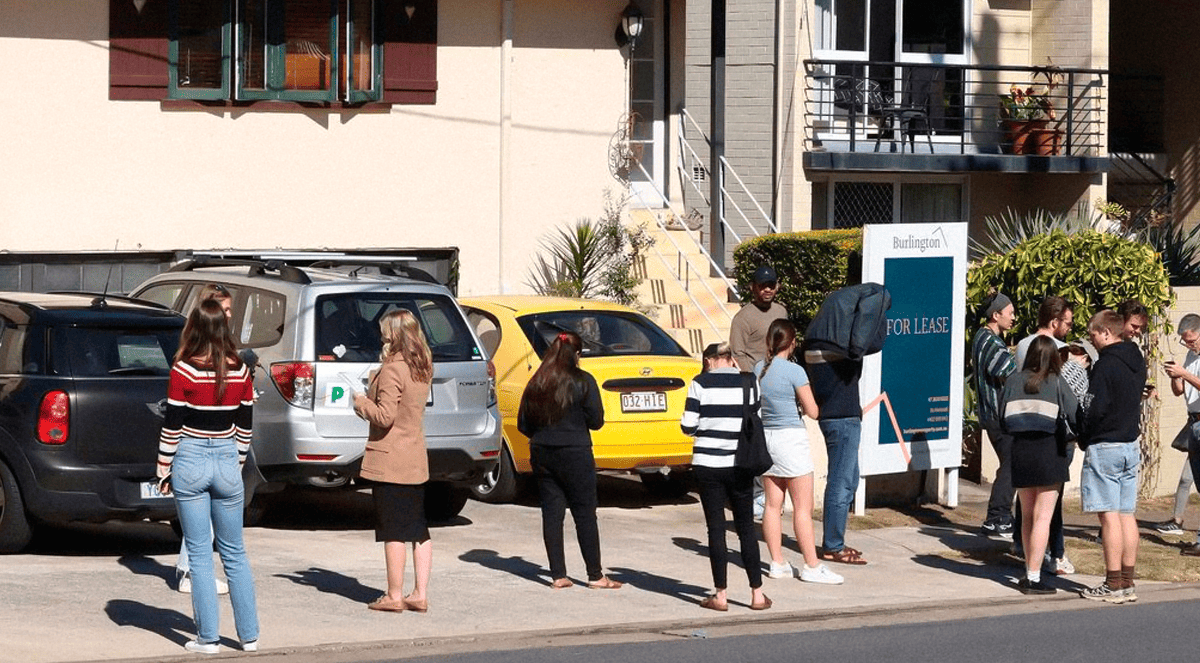
Image by Liam Kidston
New research from two property analytics firms shows the Federal Government’s proposed changes to negative gearing and capital gains tax are already having a significant impact on capital city rental markets, even before they formally come into effect.
Data from Ray White’s Neoval and FoundIt show the number of properties available for rental shrank during May, as some investors moved to sell properties ahead of the budget tax changes.
The result is more homes being listed for sale but fewer available for rent — a shift analysts warn is likely to place further upward pressure on rents.
The details
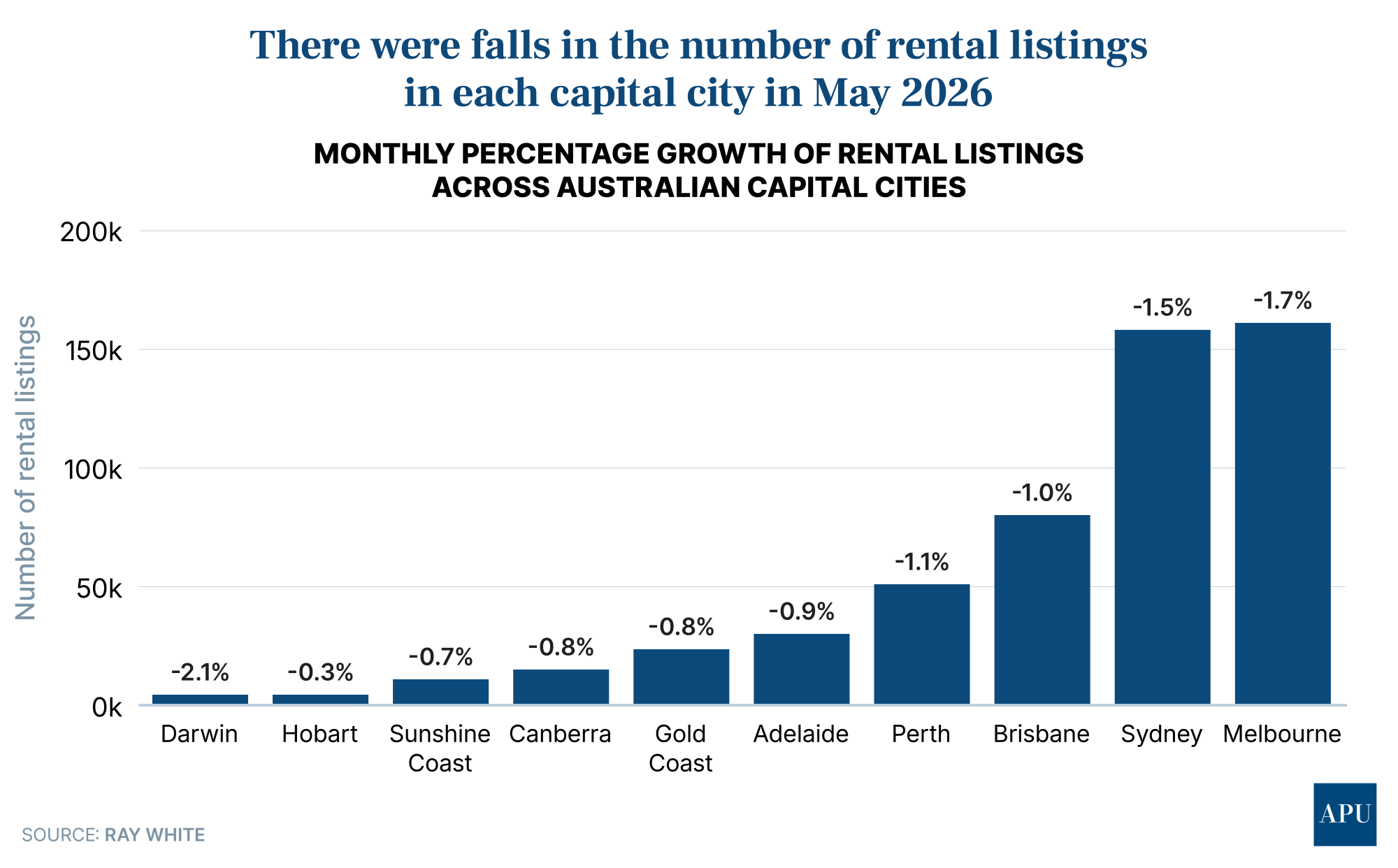
Neoval data shows there were significant falls in the number of homes available to rent in all capital cities and Queensland’s Gold and Sunshine Coasts in May 2026.
The most dramatic fall in percentage terms was in Darwin, with listings down 2.1%, but in terms of sheer volume, the 1.5% and 1.7% falls in listings in Sydney and Melbourne are likely to have the biggest impact.
This comes at a time of already low rental vacancy rates, with SQM figures showing rental vacancy rates of 1.3% in Sydney and 1.5% in Melbourne in April.
A vacancy rate of around 3% is generally considered indicative of a ‘balanced’ market, where tenants have a good choice of rental properties and landlords can still command fair rents.
Over the past year, Neoval says Sydney has seen the most drastic fall in rental listings, down 9.8% over the year.
Ray White’s Chief Economist, Nerida Conisbee, attributes the fall in rental availability to investors selling up.
“A home listed for sale does not help someone looking for a lease,” she says.
“Rental availability is what determines how much choice renters have.
“If more homes go to owner-occupiers, fewer remain available to rent.
“That is particularly problematic given rental availability was already falling before the budget changes had time to flow through,” Ms Conisbee says.
The Ray White Chief Economist says this will inevitably lead to higher rents.
“If policies reduce the number of rental properties in high-demand suburbs, rents will rise.
“Not because landlords suddenly become greedier, but because there are fewer homes available for people who need to rent.
“This is not ideological. It is the basic mechanics of how constrained markets work,” she says.
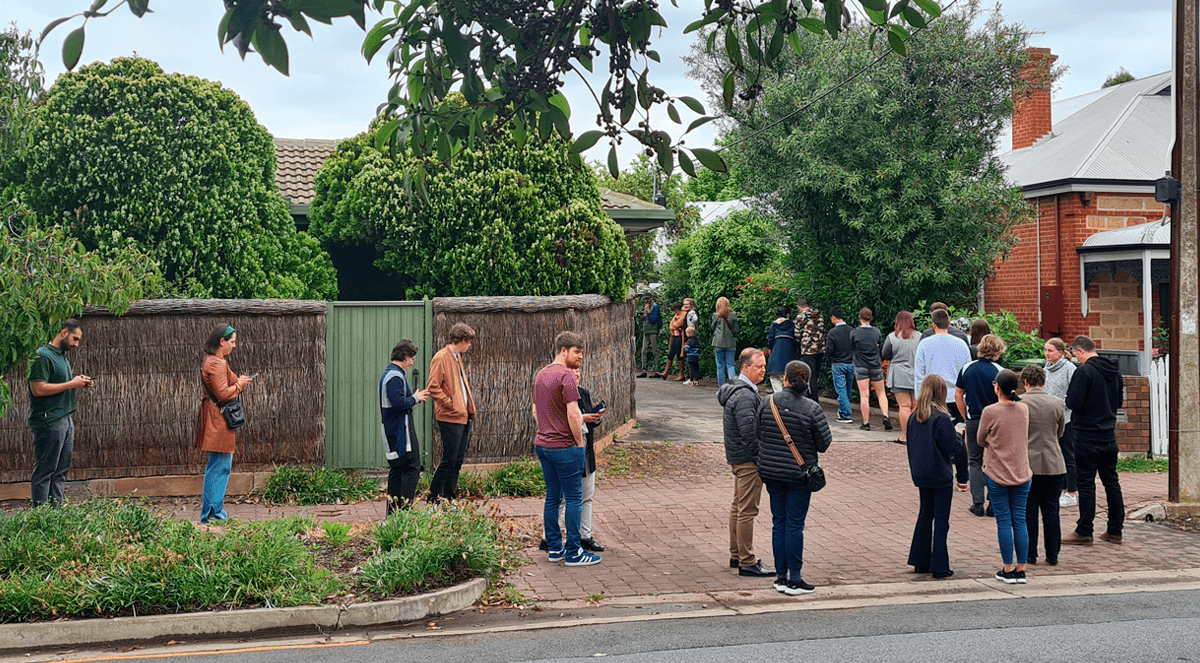
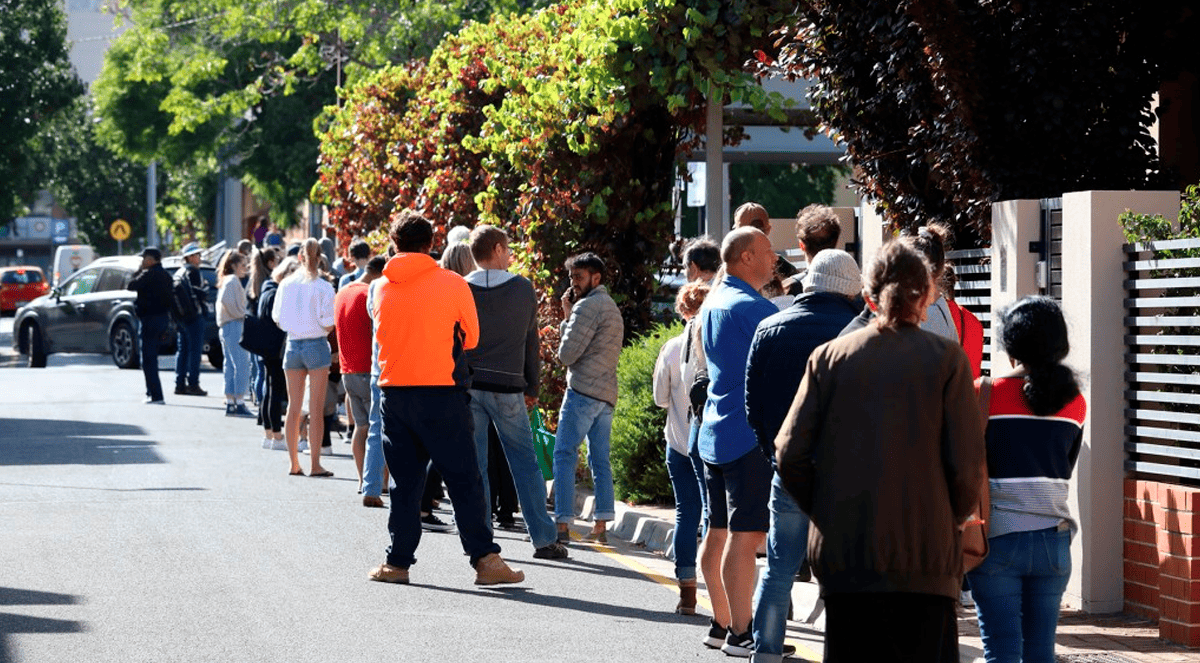
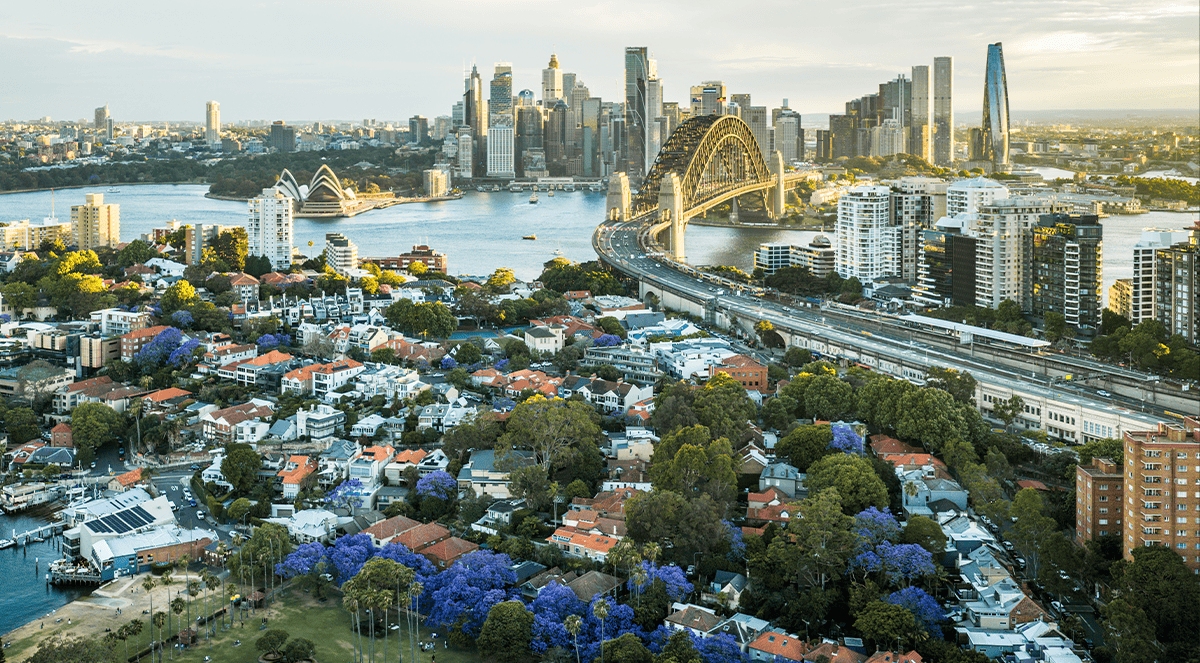
Separate research from FoundIt shows there were 5,447 sales of rental homes across the country in May 2026.
But at the same time, only 3,915 properties were purchased to be used as rentals - a loss of 1,532 homes.
FoundIt head of research Kent Lardner says this change is likely “just the tip of the iceberg” as many investors are still digesting the full impact of the proposed budget tax changes.
The Budget tax changes, which will limit negative gearing to newly built homes from July 2027 and scrap the 50% CGT discount in favour of taxing real gains above inflation at a minimum 30% rate, have passed the House of Representatives.
But the reforms have sparked a backlash from business, investors, property groups and the coalition, and Labor will need to negotiate with the Greens to get the legislation through the Senate.
FoundIt’s research shows the biggest loss of rental properties was in Victoria, which lost a total of more than 640 rental homes in May.
Breaking the numbers down further, Mr Lardner’s analysis finds the exodus of investors from the market saw 1,091 bedrooms disappear from Melbourne’s rental pool alone.
In Sydney, Mr Lardner estimates a larger loss of 1,585 rental bedrooms.
In Queensland, FoundIt estimates 993 landlords exited the market in May, while only 661 new investors entered to replace them.
Prominent Australian economists such as Saul Eslake have previously suggested that ex-rental properties do not simply “disappear” from the housing market - they are eventually bought by first-home buyers who were previously renters and who face less price competition from investor buyers.
But FoundIt’s Kent Lardner says he can’t see that happening in the current economic climate.
“If the intent is to make more renters first-home buyers, they have to be able to afford the deposit,” he says.
“How many can do that?
“The reality is that the trend line for wages has been very poor for years, but rents have continued to go up.
“This has made it harder for renters to become first-home buyers,” Mr Lardner told realestate.com.au.







.jpg?width=1920&height=1080&name=WTF%20Is%20Happening%20To%20The%20Housing%20Market!%20$500%20Billion%20Wiped%20Out%20As%20Prices%20Fall%20Faster%20Every%20Month%20Scott%20Kuru%20YPU%20027%20(1).jpg)
%20Scott%20Kuru%20YPU%20025.jpg?width=1920&height=1080&name=This%20Is%20Worse%20Than%20A%20Recession%20RBA%20Admits%20Australias%20Wage%20Collapse%20Cant%20Be%20Stopped%20(Prepare%20Now)%20Scott%20Kuru%20YPU%20025.jpg)


























.jpg?width=1920&height=1080&name=EXPOSED%20How%20The%20Govt%20Let%20These%20Oil%20Giants%20Get%20Away%20With%20Paying%20Zero%20Tax%20For%20Aussie%20Gas%20Scott%20Kuru%20DPU%20256%20(1).jpg)







%20Scott%20Kuru%20DPU%20248.jpg?width=1920&height=1080&name=Major%20Banks%20CAUGHT%20Preparing%20For%20Australia%E2%80%99s%20Biggest%20Housing%20Crash%20(Defaults%20%26%20Bankruptcies%20Coming)%20Scott%20Kuru%20DPU%20248.jpg)
%20Scott%20Kuru%20DPU%20247.jpg?width=1920&height=1080&name=This%20Is%20How%20Australia%20Gets%20Pushed%20Into%20the%20Next%20Big%20Reset%20(Trust%20Collapse%20Has%20Officially%20Begun)%20Scott%20Kuru%20DPU%20247.jpg)







%20Scott%20Kuru%20DPU%20239.jpg?width=1920&height=1080&name=URGENT%20Life%20In%20Australia%20Has%20Become%20Impossible%20For%20Millions%20Of%20Aussies%20(It%E2%80%99s%20About%20To%20Get%20Worse)%20Scott%20Kuru%20DPU%20239.jpg)









%20Scott%20Kuru%20DPU%20227.jpg?width=1920&height=1080&name=URGENT%20ALERT%20Australia%E2%80%99s%20Property%20Market%20Is%20Sliding%20Into%20Something%20Much%20Bigger%20(Prepare%20Now)%20Scott%20Kuru%20DPU%20227.jpg)





%20Scott%20Kuru%20DPU%20221.jpg?width=1920&height=1080&name=The%20AI%20Situation%20in%20Australia%20Just%20Hit%20a%20Point%20of%20No%20Return...%20(Major%20Bank%20Proves%20It)%20Scott%20Kuru%20DPU%20221.jpg)