









.png?width=292&height=292&name=Copy%20Link%20(1).png)

 SIGN UP FOR FREE NEWSLETTER
Image from ABC News/Maani Truu
Tenants hoping the Reserve Bank of Australia’s recent decision to lift interest rates might mean fewer or smaller rent rises seem set to be disappointed.
Similarly those building or renovating a home might be surprised to learn there’s no real sign on the horizon of construction or labour costs slowing down.
In fact the central bank’s move from rate cuts to rate hikes may initially do little to rein in a key component of Australia’s inflation problem, according to one leading housing analyst.
The details
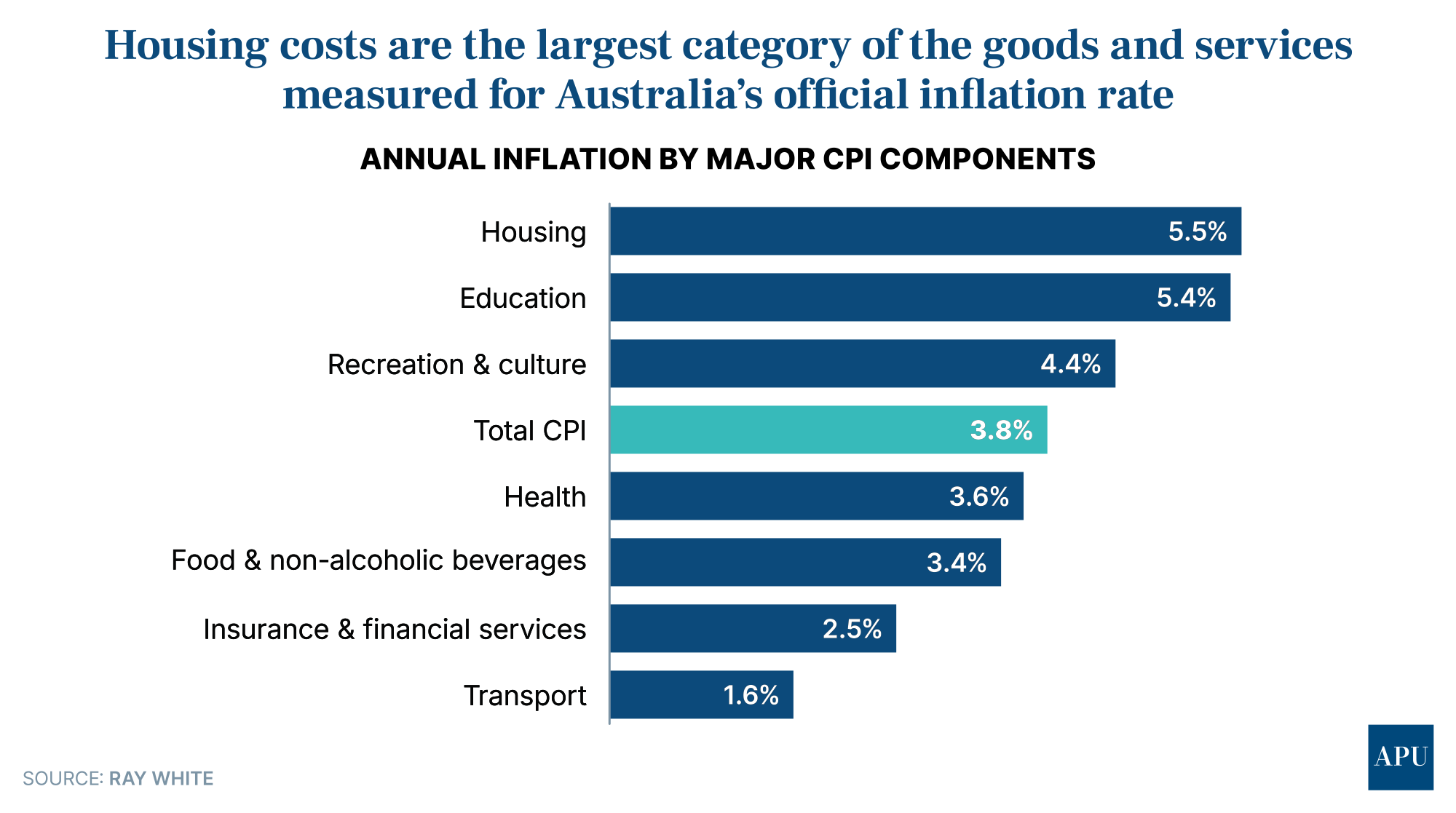
Headline (CPI) inflation in Australia rose to 3.8% in the year to December 2025, while “trimmed mean” or core inflation also edged higher, prompting the RBA to start tightening monetary policy again, as price growth drifted further from its mandated 2–3% inflation target band.
On the 3rd of February 2026, the central bank announced Australia’s cash rate would rise from 3.6% to 3.85%.
However, Nerida Conisbee, the Chief Economist at real estate giant Ray White argues the source of Australia’s inflation problem matters just as much as its pace.
She points out that housing costs are now the single biggest driver of price pressures and largely sit beyond the reach of monetary policy.
“Housing costs are now the largest contributor to CPI inflation,” she says, rising by around 5.5% over the year — well above headline inflation.”
That category is dominated by rents, new dwelling purchase costs and household energy, with pressures being driven by a chronic housing shortage.
“These pressures reflect a shortage of housing and a weak pipeline of new supply, and they are not problems that higher interest rates are well suited to solve,” Ms Conisbee says.
Instead, she warns, higher interest rates risk making the housing problem worse.
“Higher rates do little to address the underlying drivers of housing inflation,” she says.
“They do not reduce planning delays, ease regulatory costs or expand the construction workforce.”
Nor do they tackle the tax burden embedded in the cost of building new homes, including GST and state-based levies, which add significantly to final prices.
“Instead, higher rates lift financing costs, reduce development feasibility and further discourage new supply,” the Ray White Chief Economist notes.
“In a market already characterised by chronic undersupply, this risks entrenching housing inflation rather than bringing it under control.”
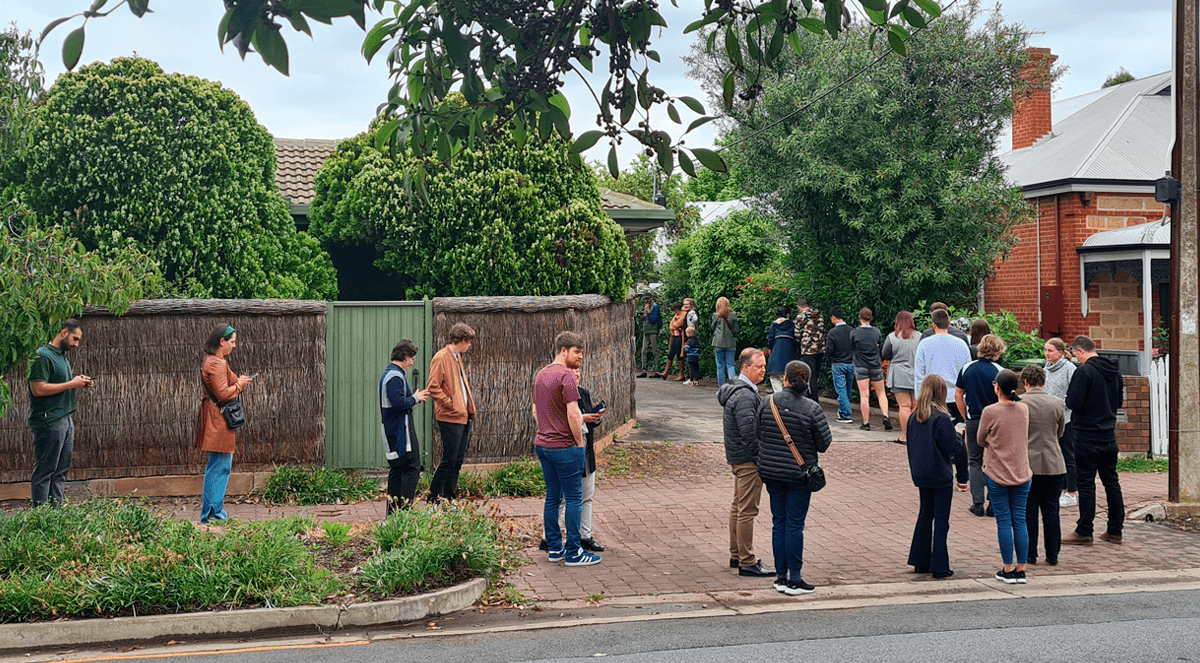
Nerida Conisbee says the rental market provides the clearest example of the unintended consequences of rate hikes.
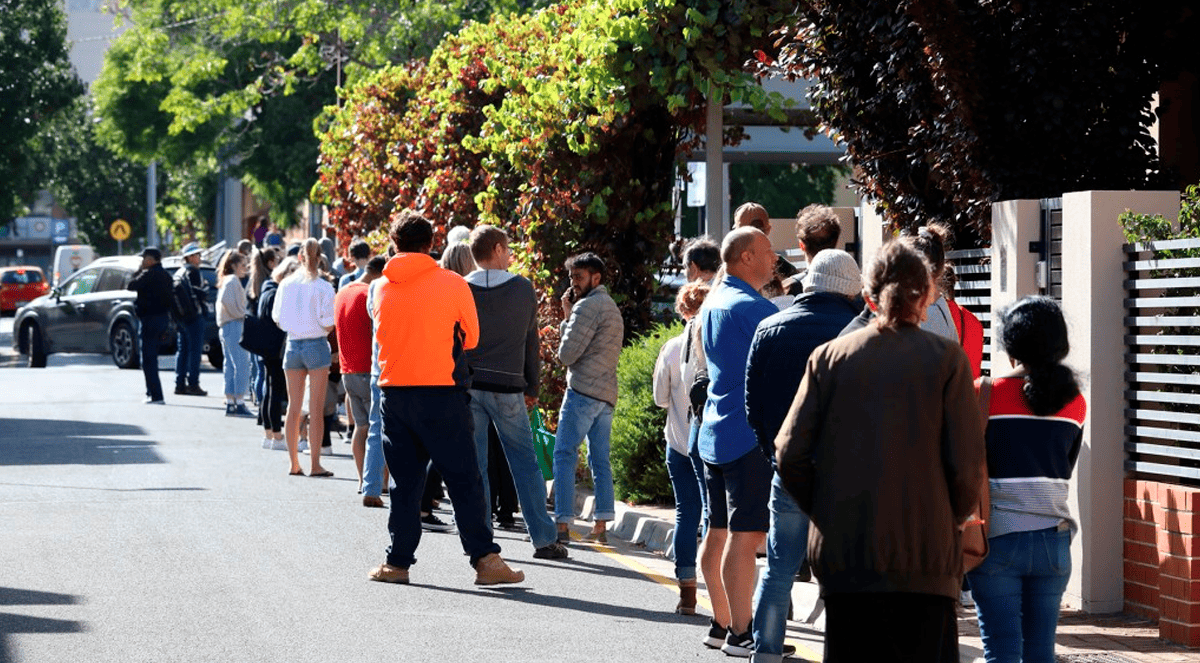
She points to the RBA’s last tightening cycle, when lending to property investors plummeted.
“After interest rates began rising in May 2022, the number of new loans to investors fell sharply, down 28% within 12 months,” she says.
Rather than easing rental pressures, rents actually surged.
By May 2024, national rents were 18.3% higher, with cities such as Perth seeing increases close to 30%.
“Higher interest rates reduced investor participation and new rental supply, but they did not reduce the demand created by employment growth,” Ms Conisbee says.
“The result was fewer rental properties and significantly higher rents.”
She also points to the role of government spending, particularly large infrastructure programs, in pushing housing costs higher.
“Large public infrastructure programs compete directly with residential construction for labour, materials and equipment,” she says.
This draws building resources away from housing at a time when supply is already constrained.
The flow-on effect is higher wages and input costs across the building sector, fewer homes being built and higher prices for those that are completed - all of which add to housing-related inflation.
The result, Nerida Conisbee argues, is an increasingly difficult dilemma for the RBA.
“Tightening policy may help ensure inflation expectations remain anchored, but it does not meaningfully ease the constraints pushing housing costs higher,” she says.
While higher interest rates do tend to slow house price growth after periods of strong gains, Ms Conisbee stresses this is not the central bank’s goal.
“The Bank’s mandate is inflation, not asset prices,” she says, describing weaker price growth as a side effect of tighter policy, rather than a solution to housing-driven inflation.
At the same time, government policies are continuing to boost housing demand, particularly through first home buyer schemes that allow purchases with deposits as low as 5%.
“While these measures improve access to ownership for some households, they also intensify competition and place additional upward pressure on prices in the most supply-constrained segments of the market,” Ms Conisbee says.
The Ray White Chief Economist is blunt.
Housing costs, especially at the affordable end of the market, will likely keep rising, even as interest rates move higher, unless Australia’s supply problem is addressed head-on.






.jpg?width=1920&height=1080&name=WTF%20Is%20Happening%20To%20The%20Housing%20Market!%20$500%20Billion%20Wiped%20Out%20As%20Prices%20Fall%20Faster%20Every%20Month%20Scott%20Kuru%20YPU%20027%20(1).jpg)
%20Scott%20Kuru%20YPU%20025.jpg?width=1920&height=1080&name=This%20Is%20Worse%20Than%20A%20Recession%20RBA%20Admits%20Australias%20Wage%20Collapse%20Cant%20Be%20Stopped%20(Prepare%20Now)%20Scott%20Kuru%20YPU%20025.jpg)




















.jpg?width=1920&height=1080&name=EXPOSED%20How%20The%20Govt%20Let%20These%20Oil%20Giants%20Get%20Away%20With%20Paying%20Zero%20Tax%20For%20Aussie%20Gas%20Scott%20Kuru%20DPU%20256%20(1).jpg)





%20Scott%20Kuru%20DPU%20248.jpg?width=1920&height=1080&name=Major%20Banks%20CAUGHT%20Preparing%20For%20Australia%E2%80%99s%20Biggest%20Housing%20Crash%20(Defaults%20%26%20Bankruptcies%20Coming)%20Scott%20Kuru%20DPU%20248.jpg)
%20Scott%20Kuru%20DPU%20247.jpg?width=1920&height=1080&name=This%20Is%20How%20Australia%20Gets%20Pushed%20Into%20the%20Next%20Big%20Reset%20(Trust%20Collapse%20Has%20Officially%20Begun)%20Scott%20Kuru%20DPU%20247.jpg)





%20Scott%20Kuru%20DPU%20239.jpg?width=1920&height=1080&name=URGENT%20Life%20In%20Australia%20Has%20Become%20Impossible%20For%20Millions%20Of%20Aussies%20(It%E2%80%99s%20About%20To%20Get%20Worse)%20Scott%20Kuru%20DPU%20239.jpg)









%20Scott%20Kuru%20DPU%20227.jpg?width=1920&height=1080&name=URGENT%20ALERT%20Australia%E2%80%99s%20Property%20Market%20Is%20Sliding%20Into%20Something%20Much%20Bigger%20(Prepare%20Now)%20Scott%20Kuru%20DPU%20227.jpg)