









.png?width=292&height=292&name=Copy%20Link%20(1).png)

 SIGN UP FOR FREE NEWSLETTER
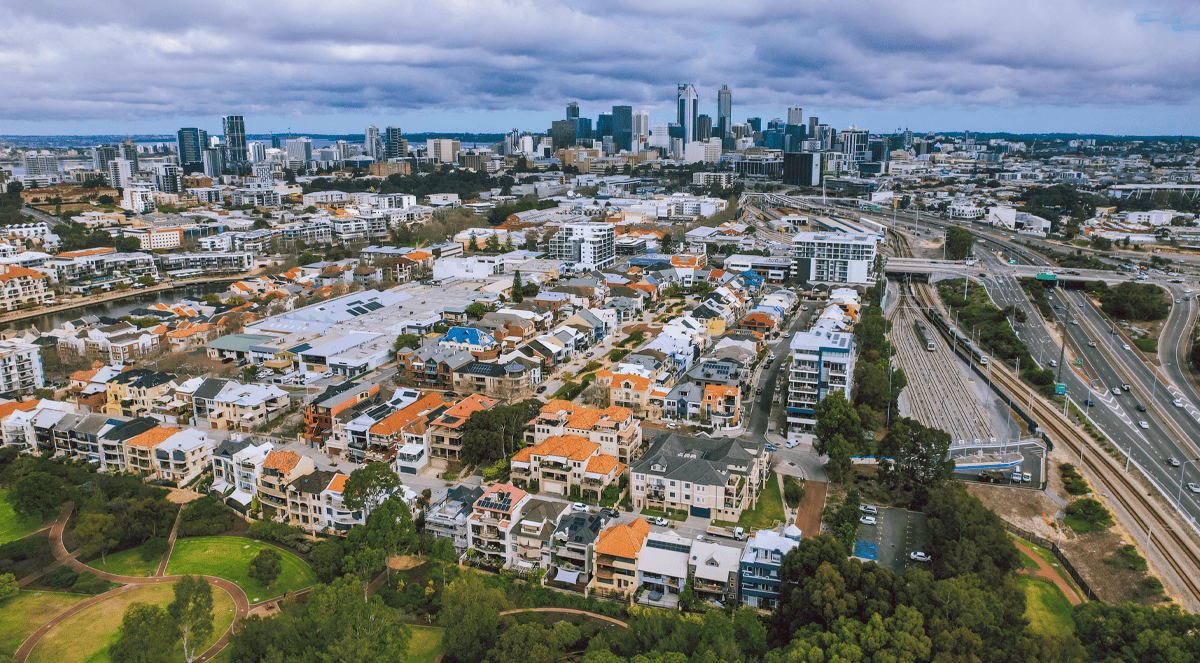
Australia’s national housing market has effectively split in two, with the mid-sized capitals led by Perth powering ahead, while home prices in Sydney and Melbourne stall under the weight of higher interest rates and softer sentiment.
Cotality also says affordability challenges are causing clear splits within cities, with value growth much stronger for lower priced properties, usually targeted by first-home buyers and many investors.
The details
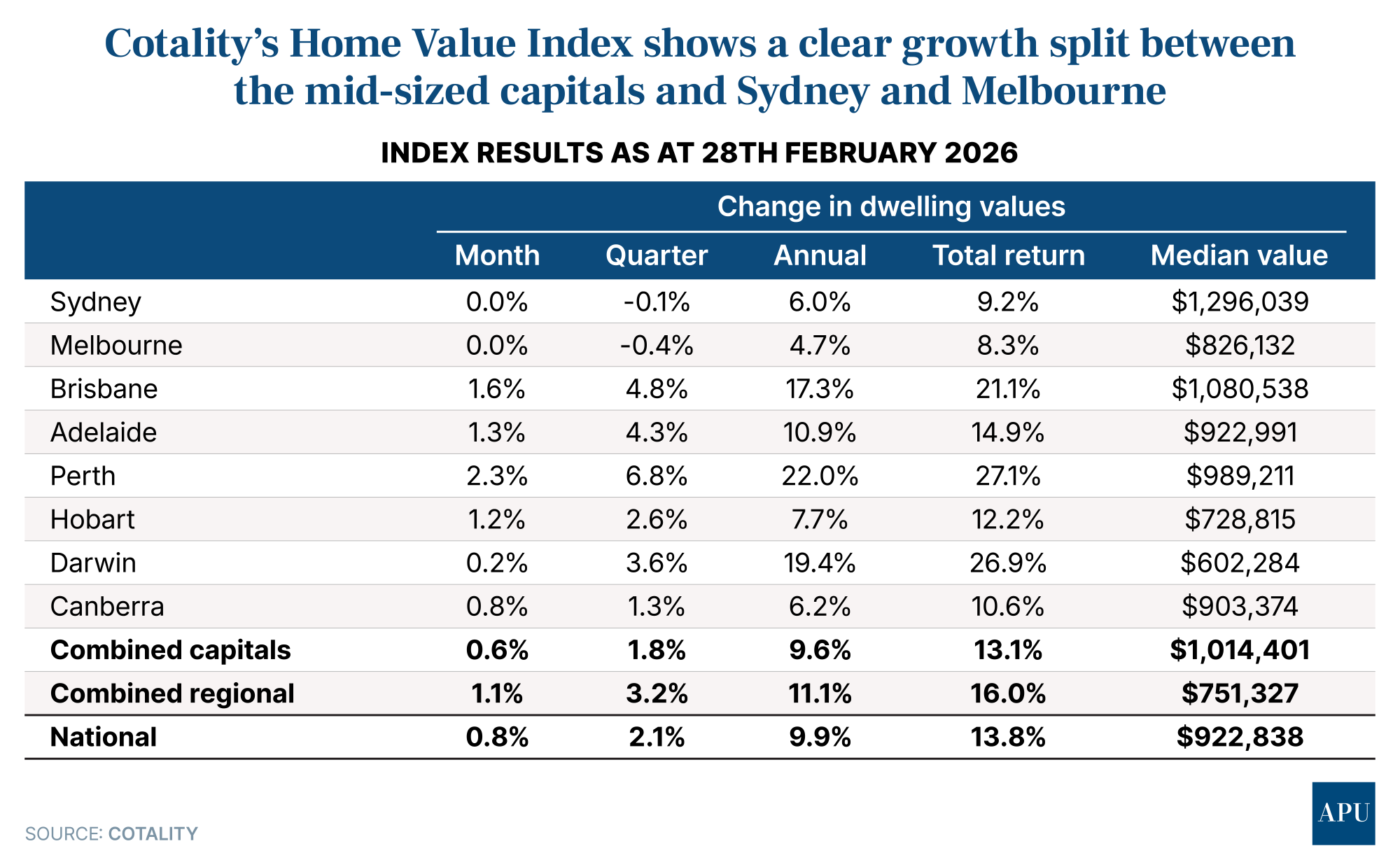
New home value data from Cotality shows a clear divergence in Australia’s national property market just two months into 2026.
Perth jumped an astonishing 2.3% in February alone, adding more than $22,500 to the city’s median dwelling value (now just shy of $1 million at $989,211) in just 28 days.
Brisbane (median dwelling value $1,080,538), Adelaide ($922,991) and Hobart ($728,815) also posted strong gains of more than 1% per cent over the month.
By contrast, Sydney (median dwelling value $1,296,039) and Melbourne ($826,132) values flatlined in February - recording no growth - and are now down -0.1% and -0.4% respectively over the last three months.
Cotality says Australia’s two biggest property markets are proving “less resilient” to the Reserve Bank of Australia’s decision to hike the cash rate by 0.25% in February and weaker consumer confidence.
Tim Lawless, Cotality’s Research director, says the shift is notable given Sydney and Melbourne typically lead the housing cycle.
“The clear slowdown in housing conditions across Sydney and Melbourne could signal an easing in growth conditions elsewhere down the track, but for now, the mid-sized capitals continue to see support from extremely low inventory levels, which is boosting the growth in values.”
Cotality says for-sale listings data underlines the imbalance.
In the four weeks to February 22nd, Perth listings were 48% below their five-year average, Brisbane was 31% lower and Adelaide 23% down.
In contrast, advertised stock in Sydney and Melbourne was down just 1.0% and 4.3% respectively below their five-year averages.
Fresh listings have also risen sharply in the two largest cities - up 9.7% above the five-year average in Sydney and almost 12% higher in Melbourne.
“Vendors are looking more motivated in Sydney and Melbourne, possibly looking to beat a further softening in selling conditions as clearance rates ease and demand slows,” Mr Lawless says.
“If the typical seasonal pattern holds, the flow of new listings is likely to strengthen leading into Easter.”
A split is also emerging within cities, where the lower end of the market is outperforming.
While home values across Sydney were flat during February, lower quartile house values rose 0.8% over the month, while upper quartile values fell 0.9%.
Cotality says this pattern is evident, to varying degrees, across all the capital cities.
“There is a lot of competition for lower-priced properties,” Mr Lawless says.
“First-home buyers, investors and subsequent buyers are all competing across this sector of the market, while credit is less available across the higher price points due to serviceability constraints.”
Rental market
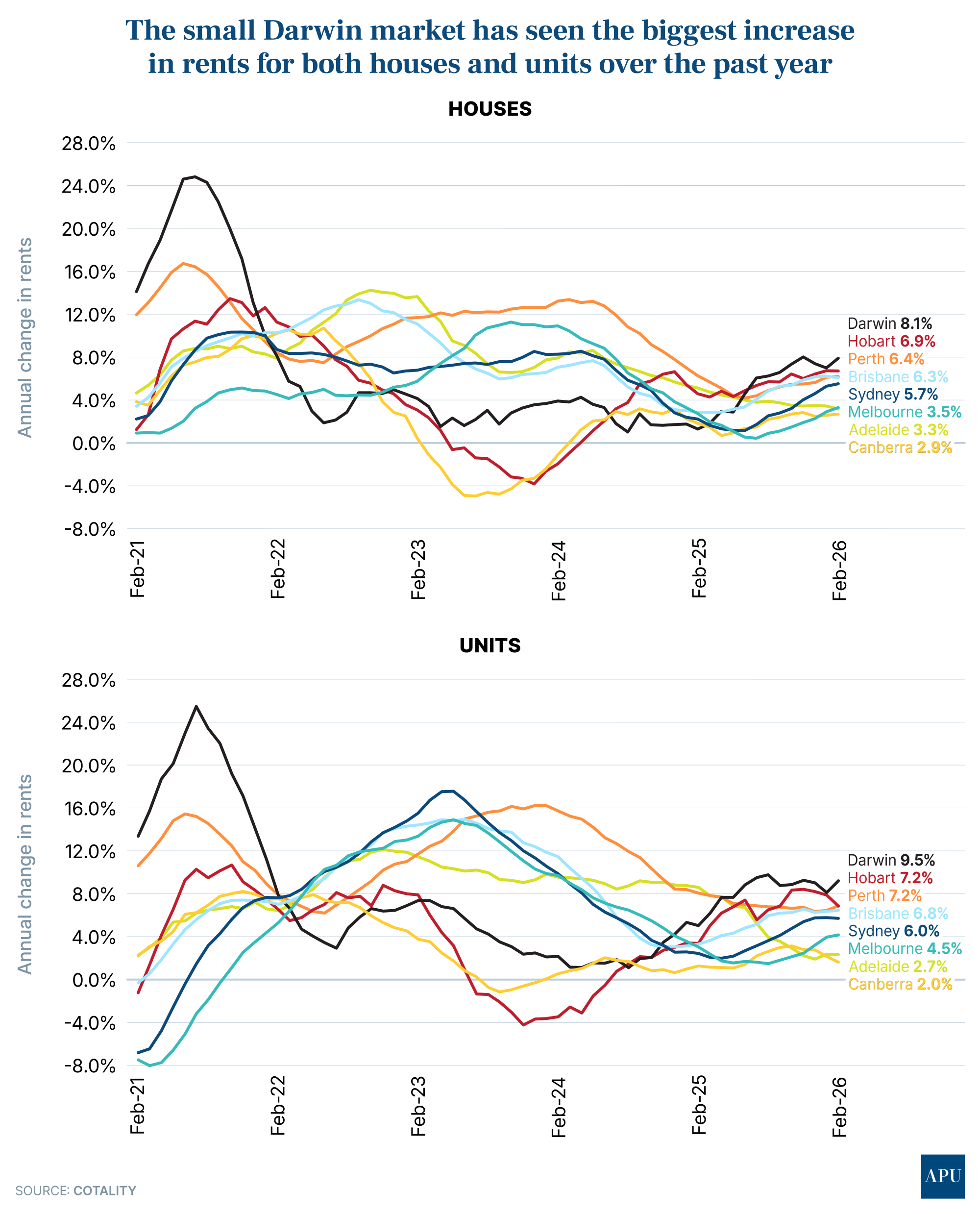
Rental markets are also running at different speeds.
Cotality’s national Rental Value Index rose 0.7% in February, with rents up 1.7% over the three months to February - the strongest quarterly lift since April last year.
National rents are 5.5% higher over the past year.
Darwin leads the pack, with dwelling rents up 8.6% over the year, while Canberra is the softest market, with house rents rising 2.9% and unit rents 2.0% over the past 12 months.
Despite rents rising slightly faster than dwelling values in recent months, gross rental yields remain slim at 3.4% nationally.
“Factoring in holding costs like mortgage repayments, maintenance, insurance and taxes, it’s likely most investors new to the market will be facing a cash flow shortfall,” Mr Lawless says.
“That is, unless they have a large deposit or are purchasing in high-yielding markets like Darwin or some regional locations.”
The outlook
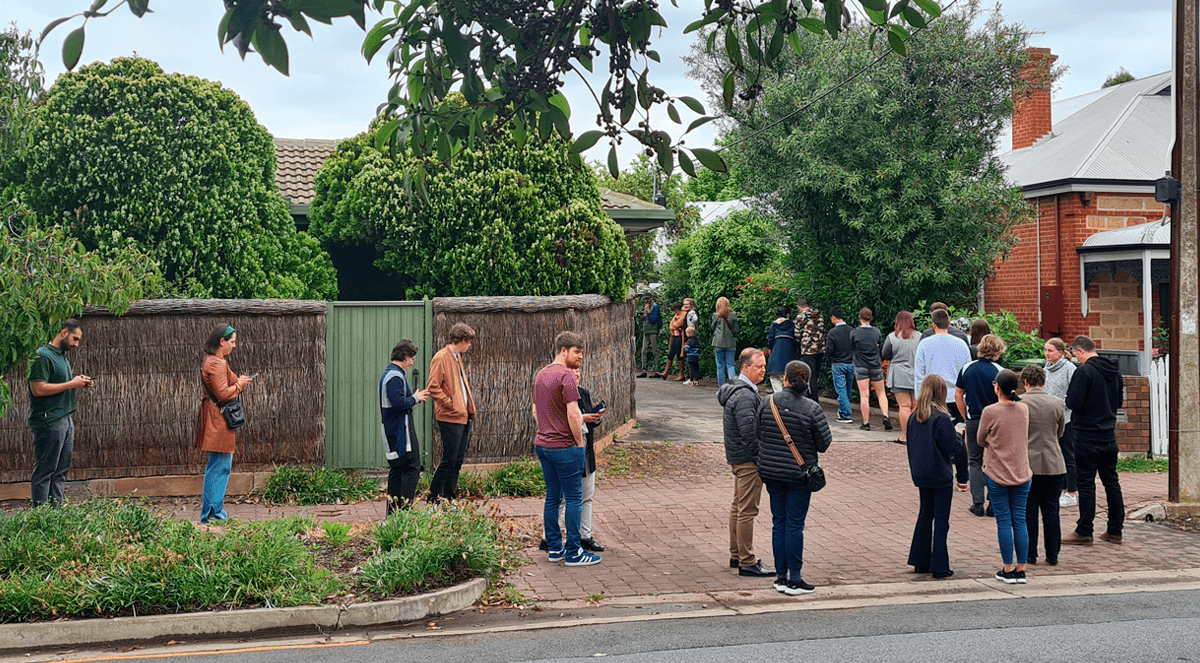
Cotality says the national property market remains finely balanced between persistent housing supply shortages and brakes on demand.
Housing affordability remains stretched, with the average new mortgage approaching $700,000 and borrowing capacity eroded by February’s rate hike.
The mandatory three-percentage-point serviceability buffer and new limits on high debt-to-income lending have further tightened credit at the margins, particularly for higher-priced properties.
With inflation still relatively strong, real wage growth has slipped into negative territory, while population growth is starting to normalise.
Consumer confidence has also weakened, which Cotality points out is typically a precursor to more cautious buying behaviour.
Yet housing values continue to find support from constrained supply, a tight labour market and targeted policy measures such as the Federal government’s 5% Deposit Guarantee scheme for first-home buyers.
While building approvals and housing commencements are lifting in Western Australia, South Australia and Queensland, overall supply in those states remains well below underlying demand.
Cotality says the result is an increasingly segmented market.
It forecasts home price growth to remain modest overall in 2026 but uneven.
Demand will remain strongest at the lower end of property markets, where affordability and policy support are concentrated, and softer in premium segments constrained by credit and borrowing limits.







.jpg?width=1920&height=1080&name=WTF%20Is%20Happening%20To%20The%20Housing%20Market!%20$500%20Billion%20Wiped%20Out%20As%20Prices%20Fall%20Faster%20Every%20Month%20Scott%20Kuru%20YPU%20027%20(1).jpg)
%20Scott%20Kuru%20YPU%20025.jpg?width=1920&height=1080&name=This%20Is%20Worse%20Than%20A%20Recession%20RBA%20Admits%20Australias%20Wage%20Collapse%20Cant%20Be%20Stopped%20(Prepare%20Now)%20Scott%20Kuru%20YPU%20025.jpg)




























.jpg?width=1920&height=1080&name=EXPOSED%20How%20The%20Govt%20Let%20These%20Oil%20Giants%20Get%20Away%20With%20Paying%20Zero%20Tax%20For%20Aussie%20Gas%20Scott%20Kuru%20DPU%20256%20(1).jpg)







%20Scott%20Kuru%20DPU%20248.jpg?width=1920&height=1080&name=Major%20Banks%20CAUGHT%20Preparing%20For%20Australia%E2%80%99s%20Biggest%20Housing%20Crash%20(Defaults%20%26%20Bankruptcies%20Coming)%20Scott%20Kuru%20DPU%20248.jpg)
%20Scott%20Kuru%20DPU%20247.jpg?width=1920&height=1080&name=This%20Is%20How%20Australia%20Gets%20Pushed%20Into%20the%20Next%20Big%20Reset%20(Trust%20Collapse%20Has%20Officially%20Begun)%20Scott%20Kuru%20DPU%20247.jpg)







%20Scott%20Kuru%20DPU%20239.jpg?width=1920&height=1080&name=URGENT%20Life%20In%20Australia%20Has%20Become%20Impossible%20For%20Millions%20Of%20Aussies%20(It%E2%80%99s%20About%20To%20Get%20Worse)%20Scott%20Kuru%20DPU%20239.jpg)










%20Scott%20Kuru%20DPU%20227.jpg?width=1920&height=1080&name=URGENT%20ALERT%20Australia%E2%80%99s%20Property%20Market%20Is%20Sliding%20Into%20Something%20Much%20Bigger%20(Prepare%20Now)%20Scott%20Kuru%20DPU%20227.jpg)





%20Scott%20Kuru%20DPU%20221.jpg?width=1920&height=1080&name=The%20AI%20Situation%20in%20Australia%20Just%20Hit%20a%20Point%20of%20No%20Return...%20(Major%20Bank%20Proves%20It)%20Scott%20Kuru%20DPU%20221.jpg)