









.png?width=292&height=292&name=Copy%20Link%20(1).png)

 SIGN UP FOR FREE NEWSLETTER
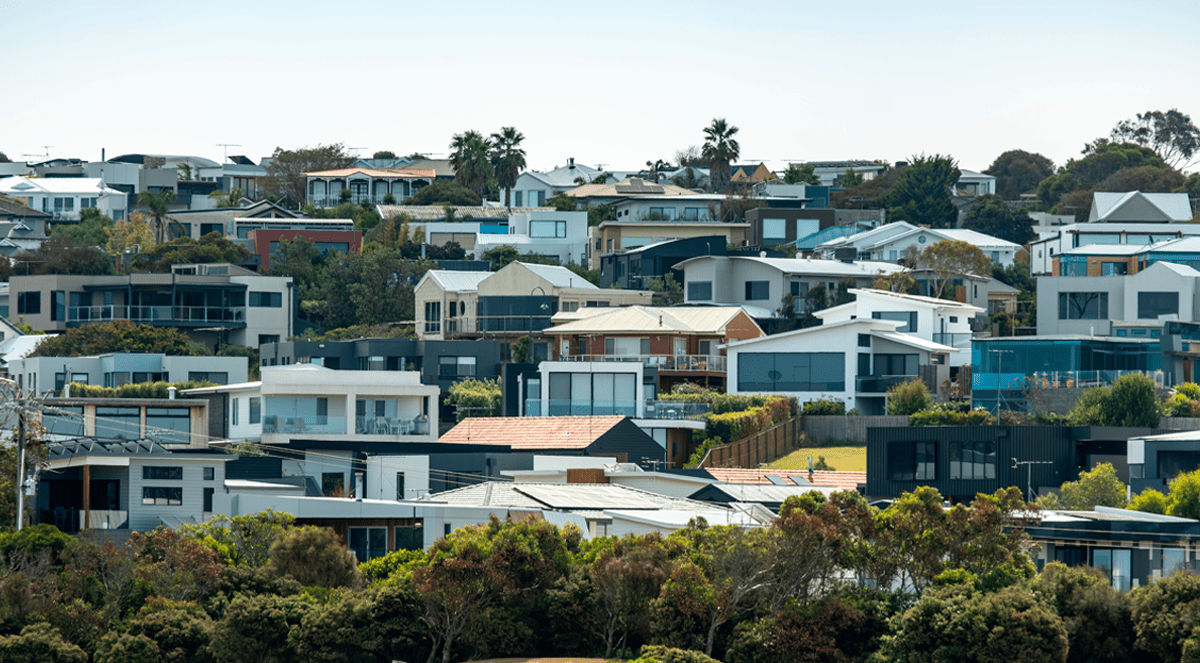
Two new sets of data show the Australian property market continued to hit new highs in February 2026, despite the recent interest rate increase by the Reserve Bank of Australia.
REA Group’s PropTrack has recorded the median home price in Australia’s capital cities passing the $1 million mark for the first time, while PropTrack and Ray White’s data company - Neoval - both say Australian property prices have just experienced their fastest annual price growth since the Covid property boom in mid 2022.
PropTrack
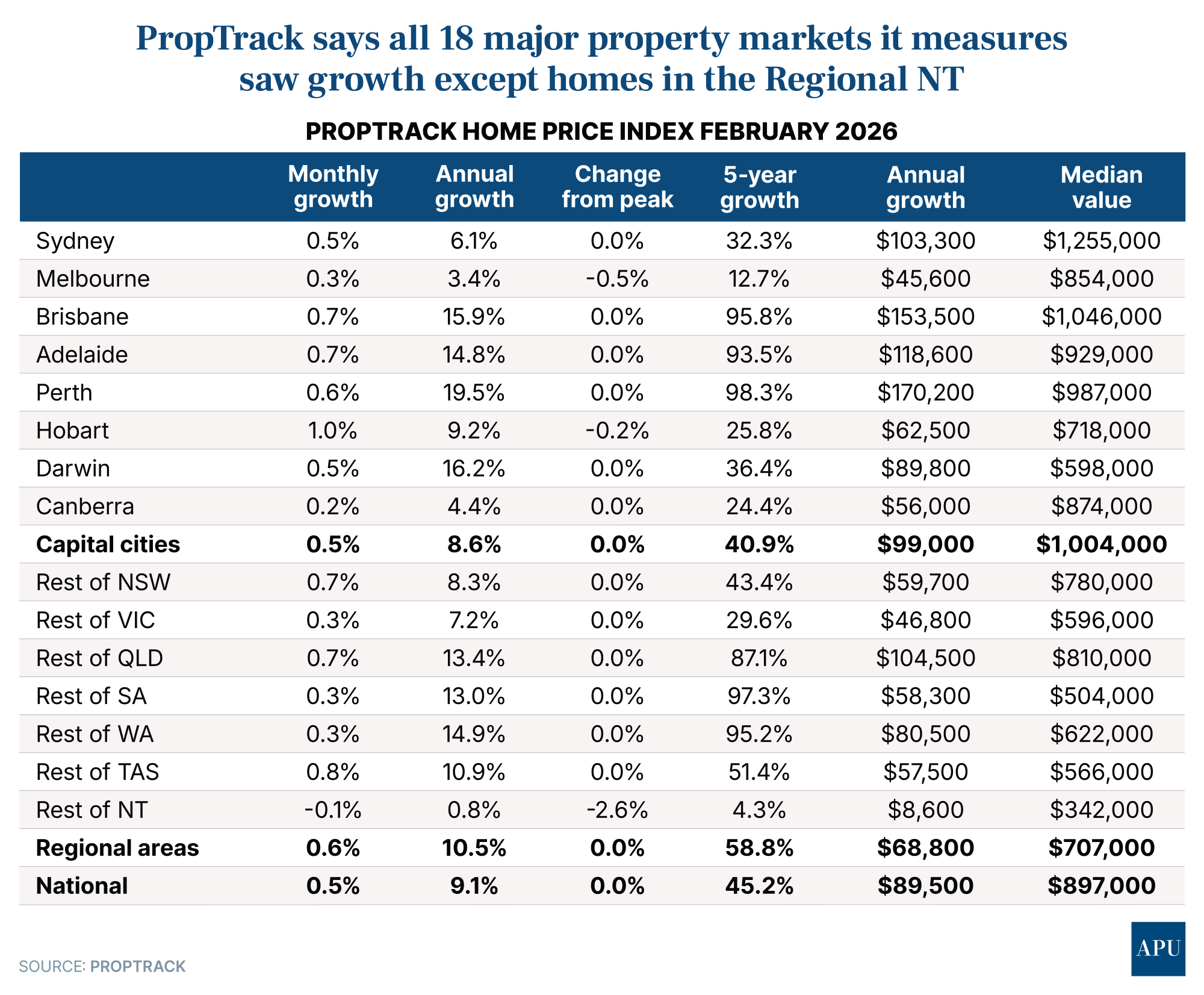
PropTrack says national home prices increased 0.5% in February 2026, taking the national median home value to $897,000.
The REA Group company says prices are now 9.1% higher than a year ago, adding around $90,000 to the value of the median Australian home.
“National home price growth picked up in February, consistent with the seasonal lift in housing market activity after the holidays,” says REA Group Senior Economist Eleanor Creagh.
“The national increase marks the fastest annual pace of growth since June 2022.”
Prices in PropTrack’s combined capitals dwellings (combining houses and units) measure also rose 0.5% over the month, lifting the median home value over $1,000,000 for the first time in Australia’s big cities.
Hobart was the strongest performing capital over the month, with prices up 1.0% to a median of $718,000, followed by Brisbane (up 0.7% to a median of $1,046,000) and Adelaide (also up 0.7% to $929,000).
On an annual basis, Perth was the fastest growing capital over the year, with the median price up an astonishing 19.5% to $987,000, followed by Darwin (up 16.2% to $598,000).
Not far behind were Brisbane, with prices up 15.9% over the year and Adelaide, which saw a 14.8% annual lift.
“The strongest conditions remain concentrated in markets where buyer demand is facing into tight supply, particularly Perth, Darwin, Brisbane and Adelaide,” says REA’s Eleanor Creagh.
“Notably, Hobart has reaccelerated, recording the strongest monthly gain in February with total stock on market down around 30% over the past year.”
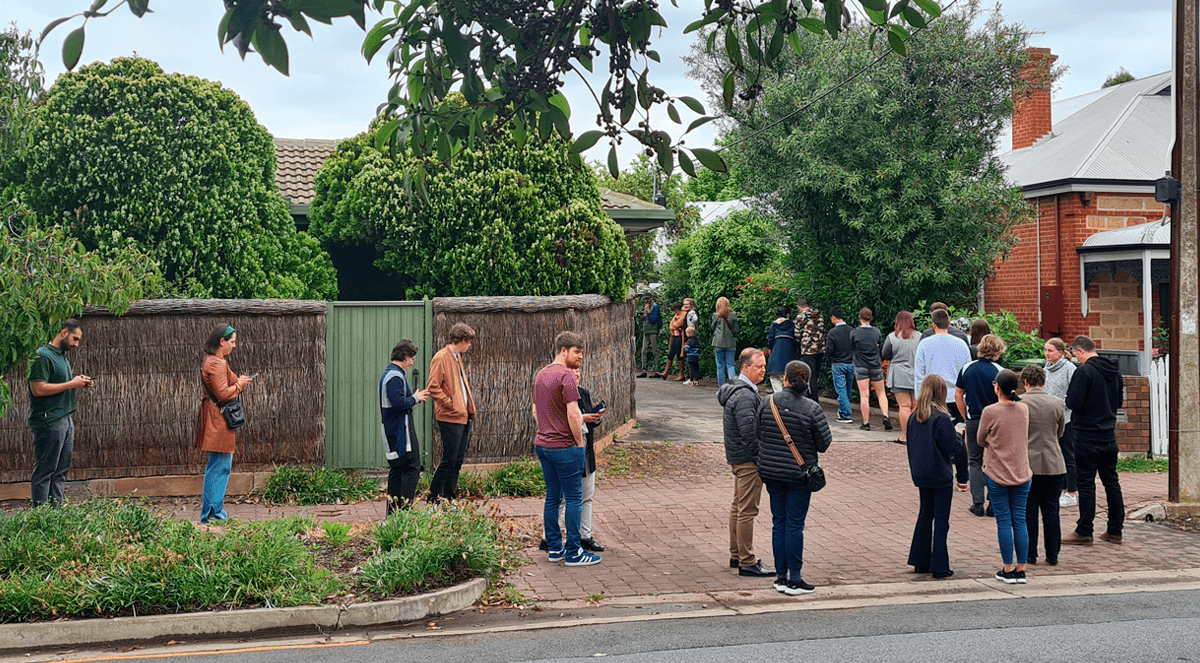
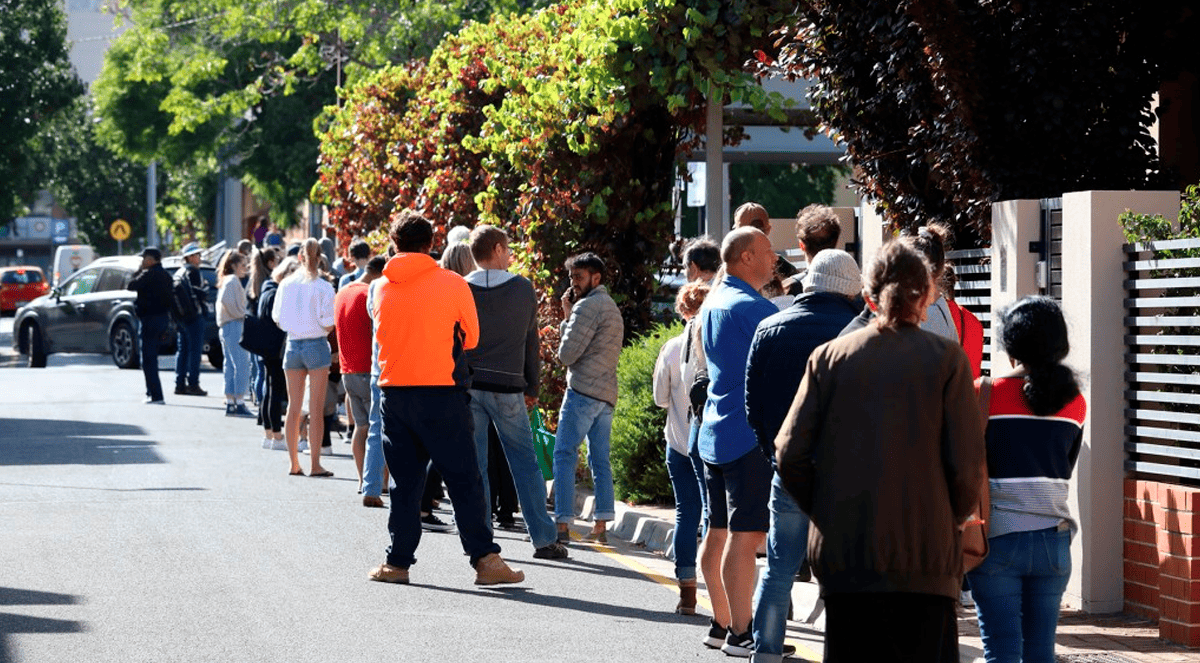
PropTrack says that while annual growth for houses and units remains similar, momentum is
shifting, with units outpacing houses over the past quarter.
Their analysts say this suggests demand may be shifting toward more affordable stock as borrowing capacity remains constrained.
“In each of these capitals, except Hobart, unit growth is outperforming houses both quarterly and annually as buyers pivot toward more attainable options,” Ms Creagh says.
PropTrack’s combined regional price index climbed 0.6% in February and is up 10.5% year-on-year.
It says regional price growth has outpaced the capital cities over the past year (10.5% vs 8.6%) and five years (59% vs 41%), supported by relative affordability and lifestyle appeal.
Looking forward, REA Group Senior Economist Eleanor Creagh says the Reserve Bank’s decision to raise the cash rate by 0.25% in February “will weigh on borrowing capacity at the margin.”
But she says that “tight labour market conditions, population inflows, investor activity
and the expanded Home Guarantee Scheme have reinforced demand, with limited new housing supply providing a floor under prices.”
“These factors point to further price gains,” she predicts, “though, the period ahead is likely
to see slower and more uneven growth as affordability constraints and future rate rises slow growth throughout 2026.”
Ray White/Neoval
Ray White’s Chief Economist, Nerida Conisbee agrees.
“What February shows is not a downturn, but a moderation in speed,” she says.
“The market is adjusting to slightly higher borrowing costs, particularly in premium markets, yet the underlying imbalance between supply and demand remains intact.”
Ms Conisbee says the latest data from Neoval, Ray White’s data arm, shows the housing market continued to rise in February, even following the recent RBA interest rate rise.
“Although monthly growth has moderated in some markets, annual growth remains exceptionally strong,” she says.
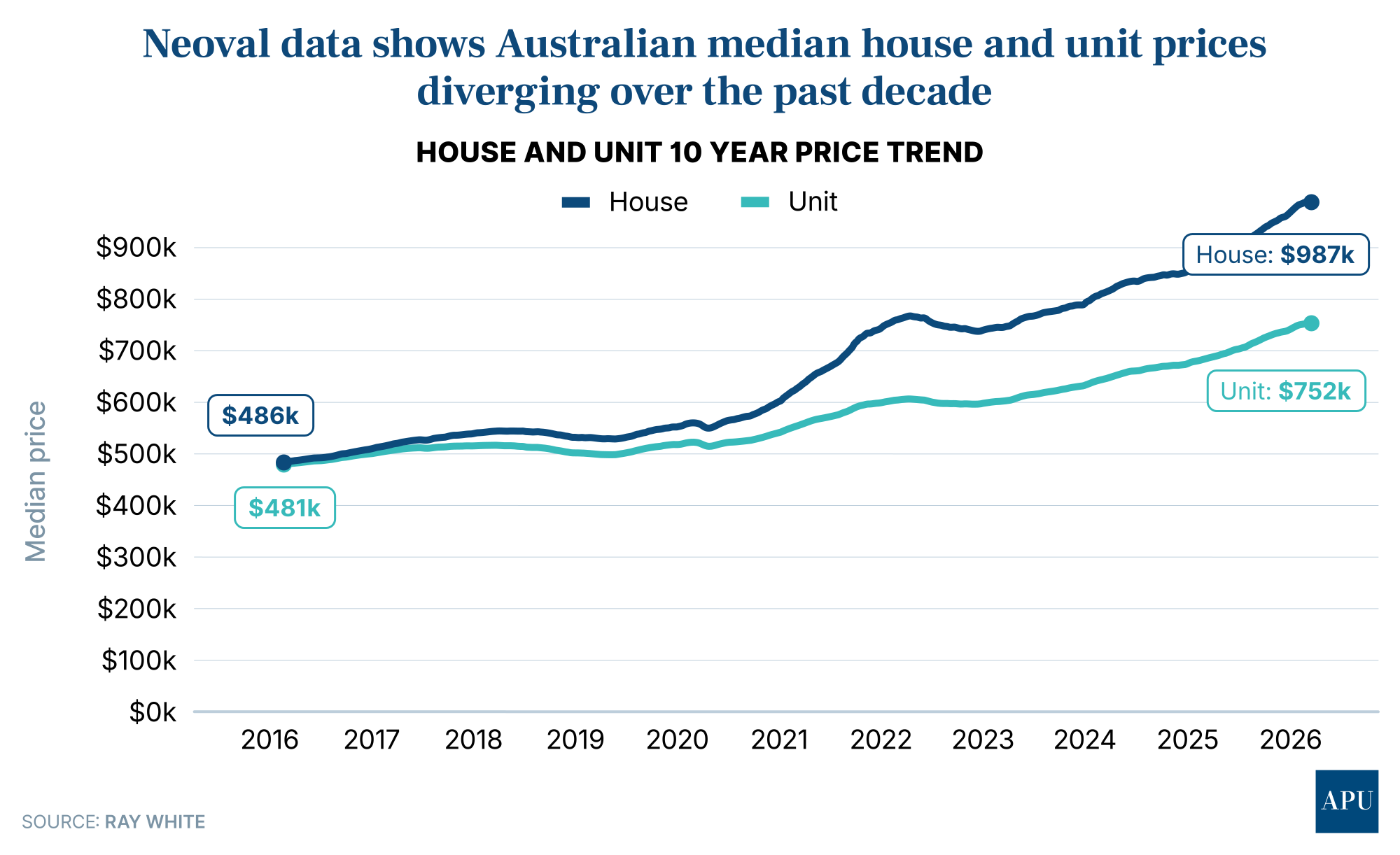
Neoval’s latest monthly figures show national house prices are now 14.0% higher than a year ago, the strongest annual growth rate recorded since June 2022 at the end of the pandemic housing boom.
“The fact that growth has now returned to that level highlights the depth of the current upswing,” Nerida Conisbee says.
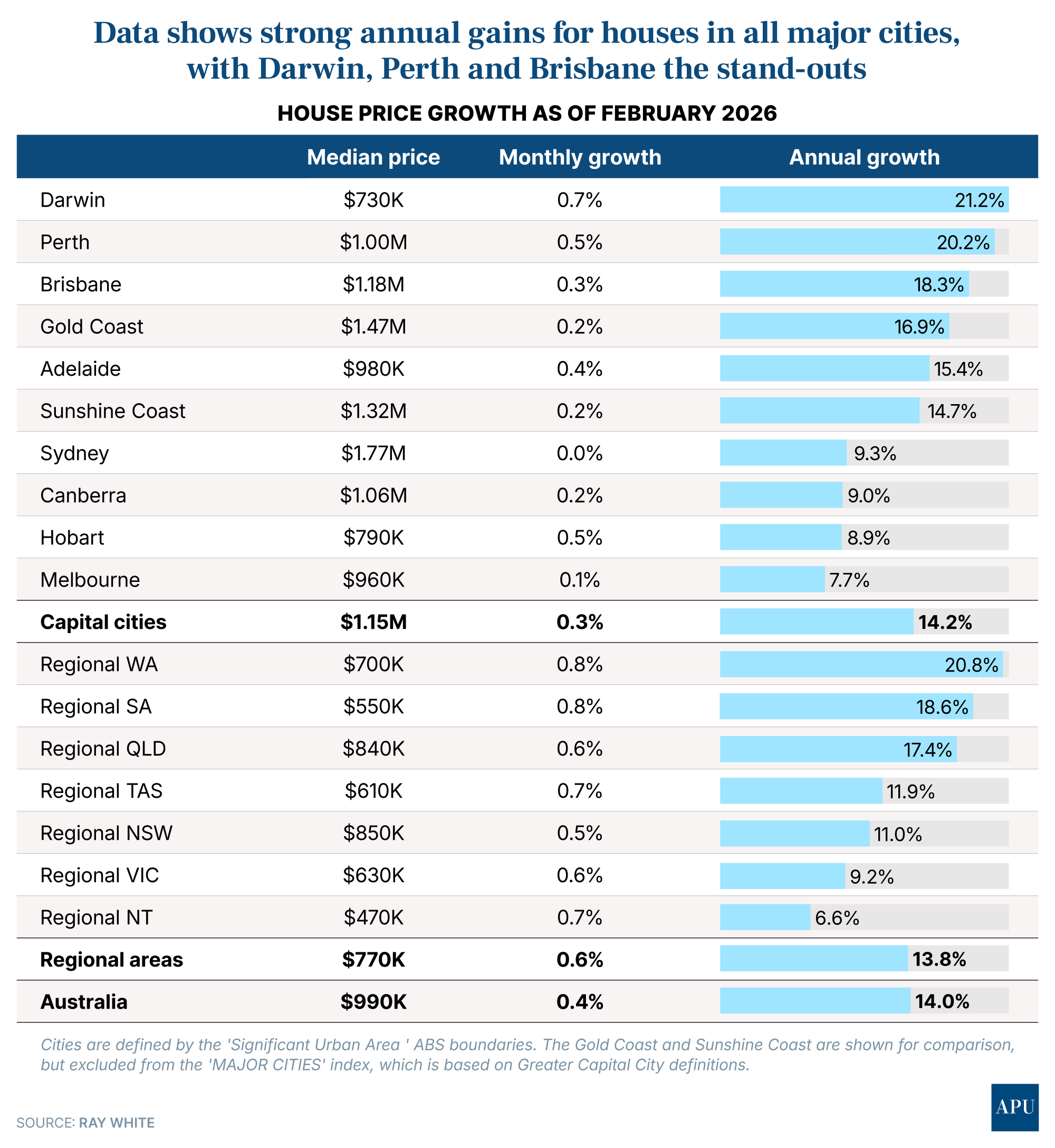
The Neoval data does show what Ms Conisbee says are “the first signs of momentum easing in more interest-rate-sensitive markets.”
She says Sydney and Melbourne have flattened on a monthly basis, which suggests the RBA decision to hike the cash rate “is beginning to influence behaviour.”
However, the Ray White Chief Economist says there’s no evidence of broad-based price declines and annual gains in both cities remain solid.
Indeed, Neoval says median house prices in Sydney are now 9.3% above where they were this time last year, while Melbourne houses are 7.7% higher.
Like PropTrack, Neoval’s figures show Darwin and Perth leading the nation on an annual basis, while houses in Brisbane, Adelaide and key lifestyle markets such as the Gold Coast and Sunshine Coast remain firmly in double-digit territory.
Regional markets are also continuing to record strong year-on-year increases, supported by extremely tight supply conditions.
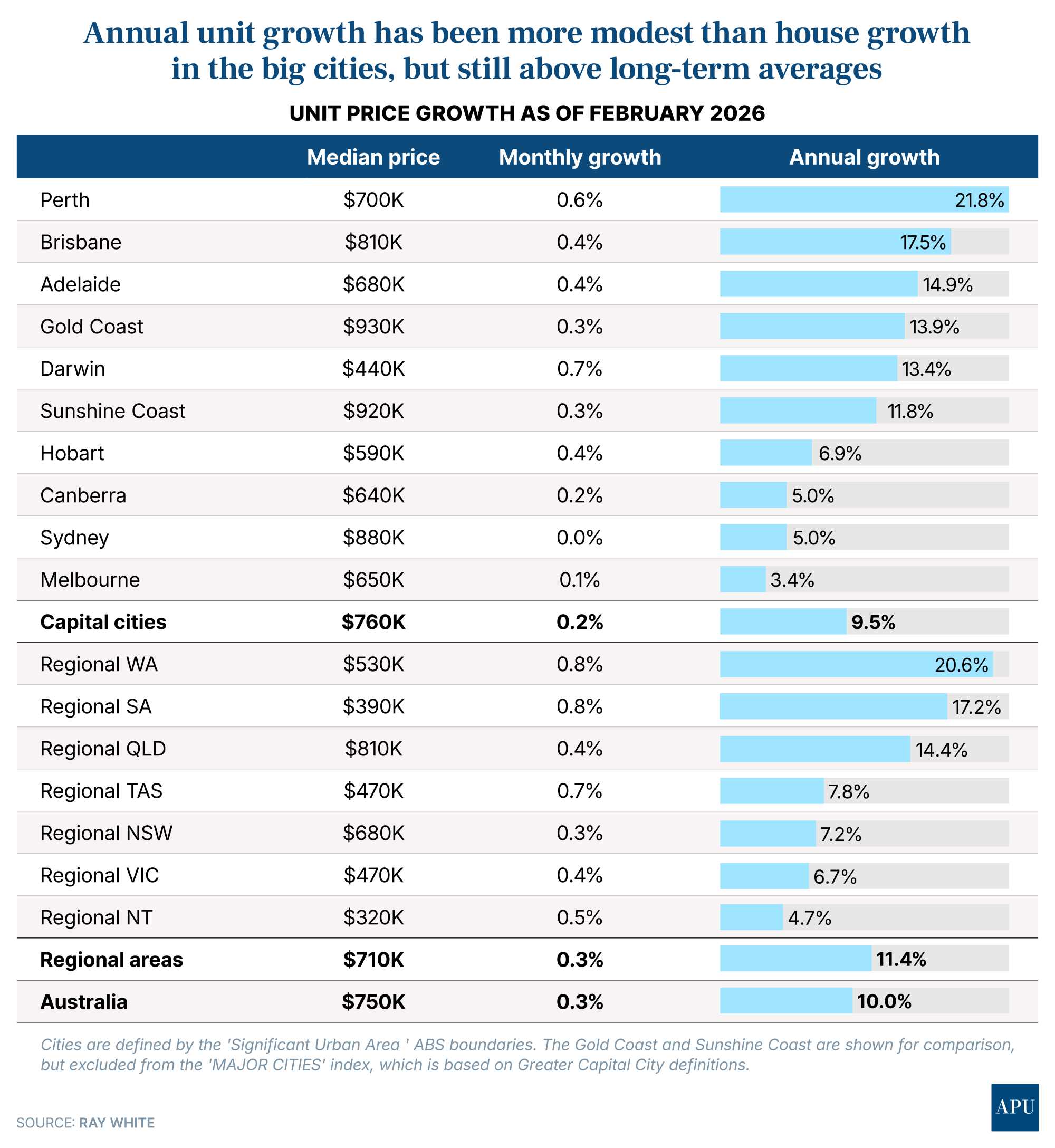
When it comes to units, the pattern is similar.
Perth and Brisbane are the stand-outs with 21.8% and 17.5% price growth respectively.
“While some larger capitals have slowed, annual gains remain well above long-term averages, underscoring ongoing demand in a segment constrained by limited new construction,” Ms Conisbee says.
The Ray White Chief Economist says with listings of homes for sale still low and construction activity insufficient to meet population growth, price growth is slowing but not reversing.
“The key takeaway is that despite the February rate rise, the housing market remains incredibly strong on an annual basis,” Nerida Conisbee concludes.
“Growth has returned to levels last seen in mid-2022, reinforcing that this cycle still has considerable momentum behind it.”







.jpg?width=1920&height=1080&name=WTF%20Is%20Happening%20To%20The%20Housing%20Market!%20$500%20Billion%20Wiped%20Out%20As%20Prices%20Fall%20Faster%20Every%20Month%20Scott%20Kuru%20YPU%20027%20(1).jpg)
%20Scott%20Kuru%20YPU%20025.jpg?width=1920&height=1080&name=This%20Is%20Worse%20Than%20A%20Recession%20RBA%20Admits%20Australias%20Wage%20Collapse%20Cant%20Be%20Stopped%20(Prepare%20Now)%20Scott%20Kuru%20YPU%20025.jpg)





























.jpg?width=1920&height=1080&name=EXPOSED%20How%20The%20Govt%20Let%20These%20Oil%20Giants%20Get%20Away%20With%20Paying%20Zero%20Tax%20For%20Aussie%20Gas%20Scott%20Kuru%20DPU%20256%20(1).jpg)







%20Scott%20Kuru%20DPU%20248.jpg?width=1920&height=1080&name=Major%20Banks%20CAUGHT%20Preparing%20For%20Australia%E2%80%99s%20Biggest%20Housing%20Crash%20(Defaults%20%26%20Bankruptcies%20Coming)%20Scott%20Kuru%20DPU%20248.jpg)
%20Scott%20Kuru%20DPU%20247.jpg?width=1920&height=1080&name=This%20Is%20How%20Australia%20Gets%20Pushed%20Into%20the%20Next%20Big%20Reset%20(Trust%20Collapse%20Has%20Officially%20Begun)%20Scott%20Kuru%20DPU%20247.jpg)







%20Scott%20Kuru%20DPU%20239.jpg?width=1920&height=1080&name=URGENT%20Life%20In%20Australia%20Has%20Become%20Impossible%20For%20Millions%20Of%20Aussies%20(It%E2%80%99s%20About%20To%20Get%20Worse)%20Scott%20Kuru%20DPU%20239.jpg)











%20Scott%20Kuru%20DPU%20227.jpg?width=1920&height=1080&name=URGENT%20ALERT%20Australia%E2%80%99s%20Property%20Market%20Is%20Sliding%20Into%20Something%20Much%20Bigger%20(Prepare%20Now)%20Scott%20Kuru%20DPU%20227.jpg)





%20Scott%20Kuru%20DPU%20221.jpg?width=1920&height=1080&name=The%20AI%20Situation%20in%20Australia%20Just%20Hit%20a%20Point%20of%20No%20Return...%20(Major%20Bank%20Proves%20It)%20Scott%20Kuru%20DPU%20221.jpg)