









.png?width=292&height=292&name=Copy%20Link%20(1).png)

 SIGN UP FOR FREE NEWSLETTER
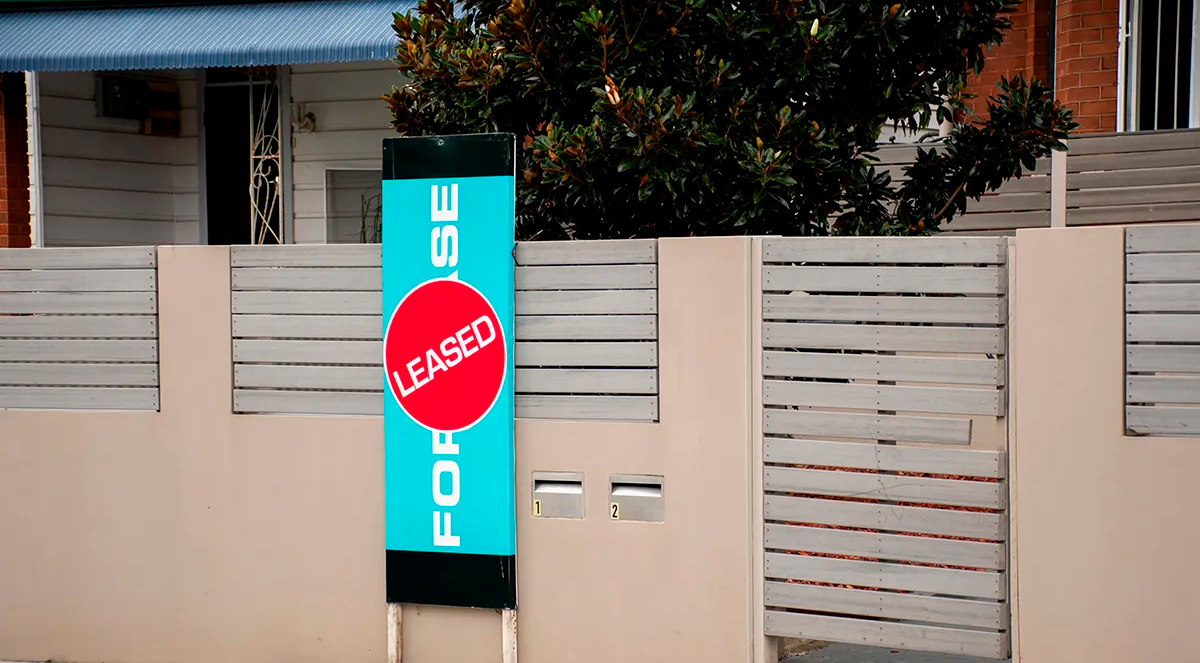
New data from REA Group’s PropTrack appears to hold some rare good news for Australian tenants, with the number of vacant rentals increasing to its highest level since February 2022.
However, with a national vacancy rate of 1.48%, the rental market still remains tilted heavily in favour of landlords.
Separate data from SQM Research also shows rents in the overwhelming majority of markets still appear to be increasing at a pace well above the rate of inflation.
The details
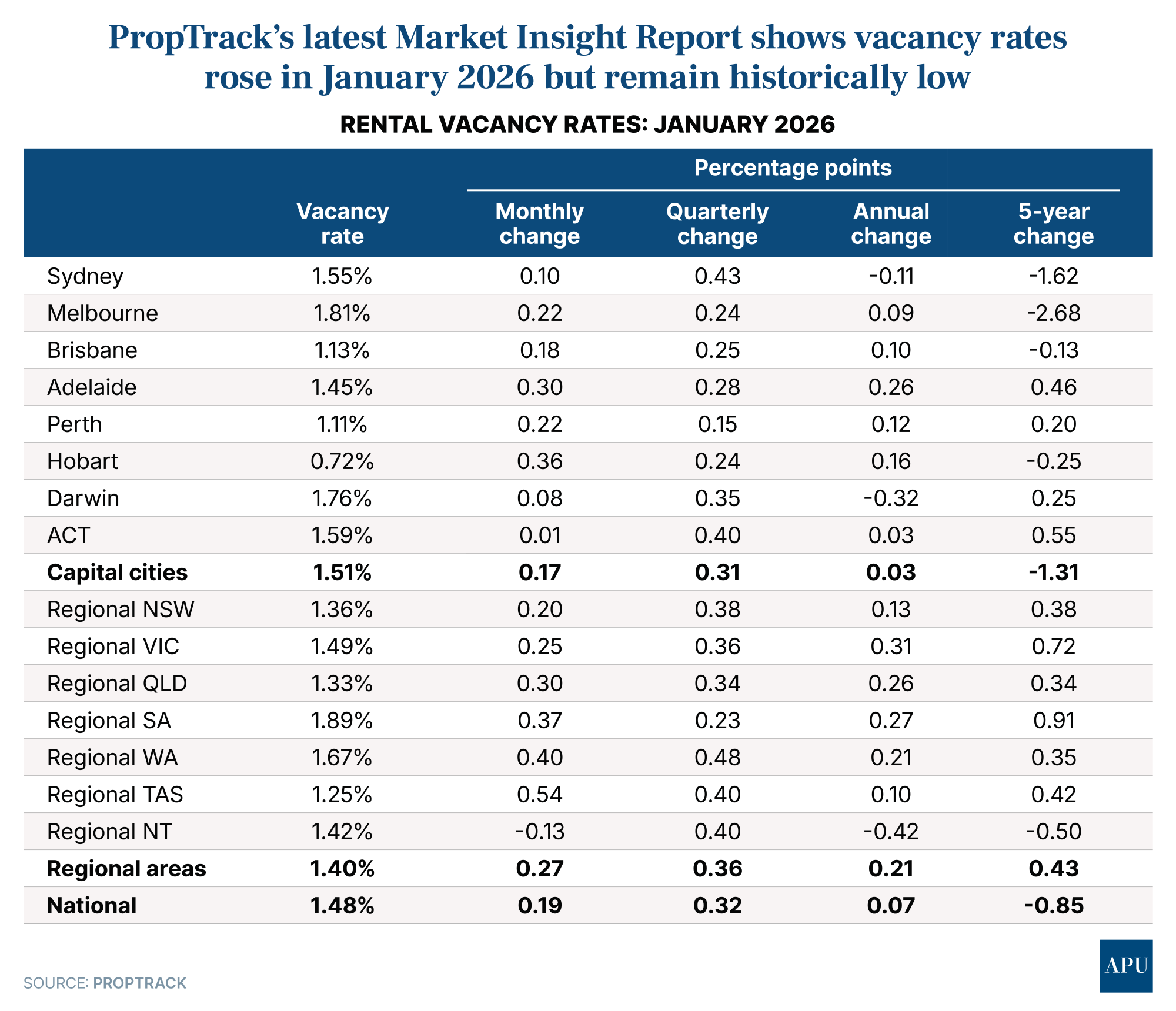
Realestate.com.au’s latest Market Insight Report records the national rental vacancy rate increasing by 0.19% in January 2026 to reach 1.48%.
This is the highest level recorded by PropTrack since February 2022.
Yet despite all markets seeing a vacancy rise in January, the national rate is still sitting 0.85% lower than it was five years ago.
“Conditions for renters have improved over the past three months, though they remain largely unchanged from a year ago,” says REA Group Senior Economist Anne Flaherty.
“They are significantly below the conditions renters faced during the pandemic five years ago, when the national vacancy rate was sitting at 2.3%.”
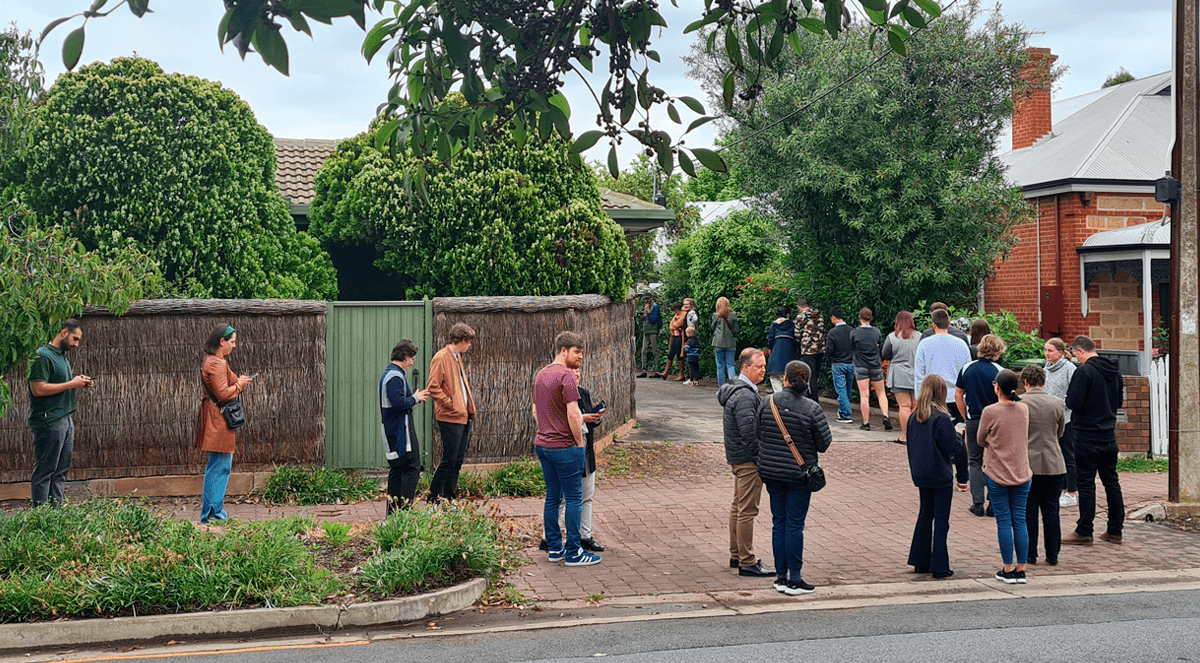
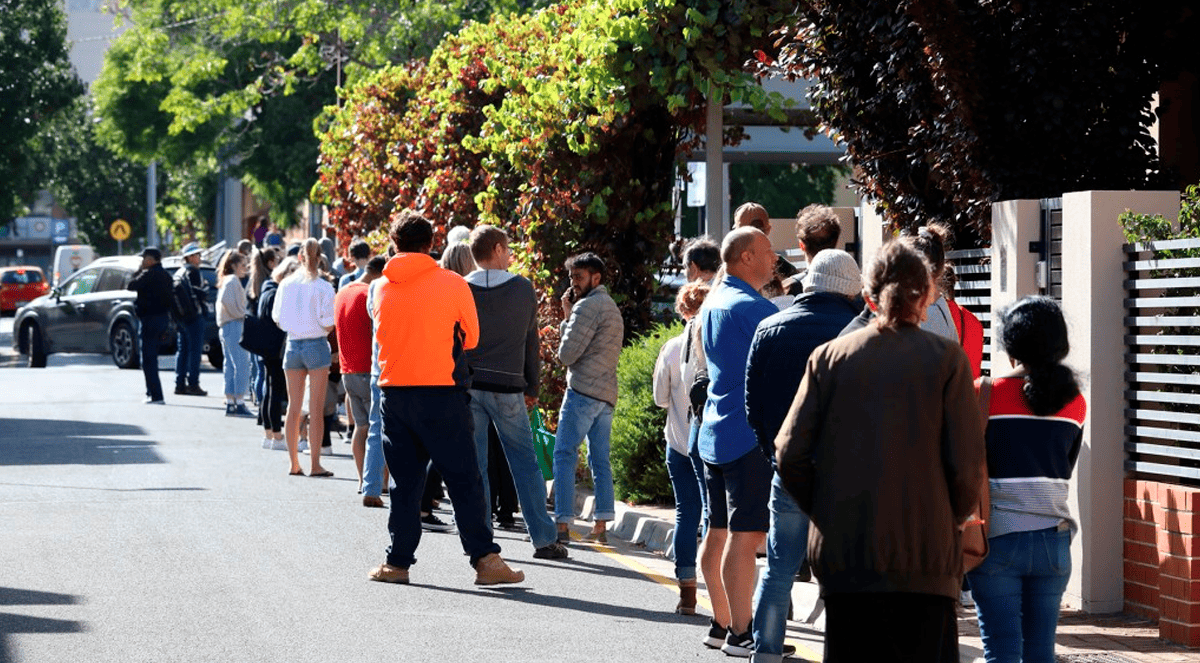
At 1.48%, the national vacancy rate as measured by Proptrack remains at less than half the 3-4% level that’s widely accepted as a “balanced” market - where prospective tenants have a good choice of rental properties to choose from and landlords can still command fair rents.
PropTrack says rental vacancies in capital city areas of Australia rose 0.17% to 1.51% over January 2026, which is slightly above the regional rate of just 1.40%.
“Rental supply improved across both capital city and regional markets in January,” Ms Flaherty says.
“However, there has been greater relief for renters regionally.
“Vacancy rates in regional areas increased by 0.21% annually, compared to 0.03% in the combined capital city areas.”
Hobart saw the largest jump in vacancy among the capitals over the month, up 0.36%.
Nevertheless, PropTrack says the Tasmanian capital is still home to the tightest rental market in the country, with a vacancy rate of just 0.72%.
Perth and Brisbane are the next two tightest markets, with the share of vacant rentals sitting at just 1.11% and 1.13%, respectively.
Melbourne was the easiest capital city in which to find a rental property in January 2026, with vacancies rising 0.22% to 1.81%, while Sydney saw a small easing of 0.10% over the month to edge up to 1.55%.
Looking forward, PropTrack economist Anne Flaherty paints a gloomy picture for tenants.
“While the pace of rent growth has slowed across most markets over the past year, continued low vacancy rates are expected to drive rents to new highs in 2026, particularly in markets where supply is constrained, such as Hobart, Perth, and Brisbane,” she says.
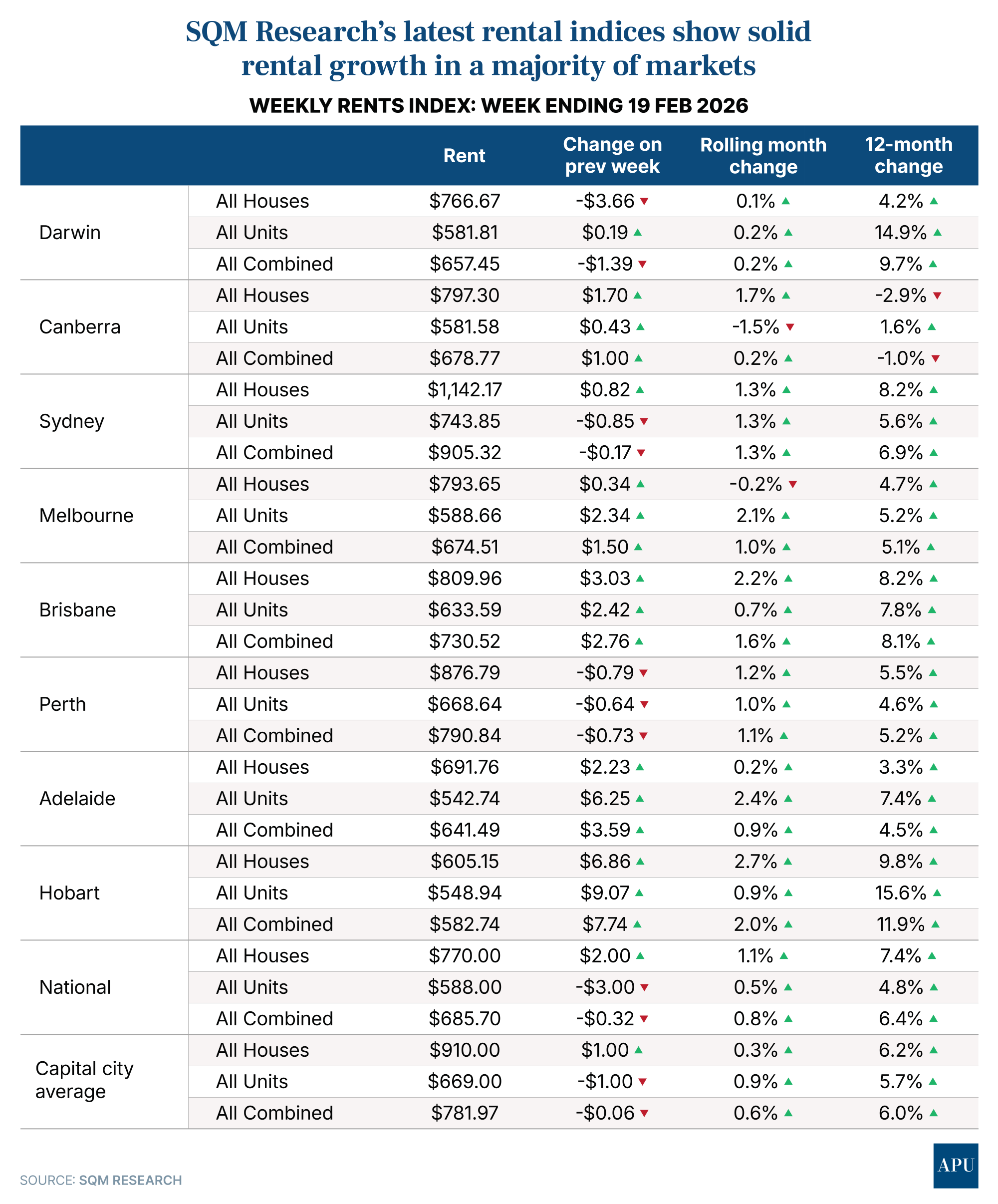
The latest weekly rental data from rival data house SQM Research appears to show little sign of an imminent slowdown in rental growth.
In just two of the 30 property markets SQM surveys has there been any negative rental growth in the past month, with asking prices for units in Canberra easing by 1.5% to $581.58 a week and asking rents for houses in Melbourne edging slightly lower (-0.2%) to $793.65 a week.
In contrast, units in Melbourne (+2.1% to $588.66/week) and Adelaide (+2.4% to $542.74/week), houses in Brisbane (+2.2% to $809.96/week) and Hobart (+2.7% to $605.15/week) have all seen asking rent price lifts of more than 2% in just a month, putting those markets well on track for double-digit growth in 2026.
Looking over the longer term, SQM’s figures show the star performers for rental property growth over the past year have been units in Darwin (up 14.9% to $581.81/week) and Hobart (up 15.6% to $548.94/week).
The only rental market to see backward growth over the past year has been Canberra, with asking house rents down 2.9% to $797.30 a week, dragging down the combined market by 1%.
SQM’s figures also show all cities and all categories of rental properties saw annual rental growth greater than annual headline CPI inflation (3.8%), with the exception of Canberra and houses in Adelaide.






.jpg?width=1920&height=1080&name=WTF%20Is%20Happening%20To%20The%20Housing%20Market!%20$500%20Billion%20Wiped%20Out%20As%20Prices%20Fall%20Faster%20Every%20Month%20Scott%20Kuru%20YPU%20027%20(1).jpg)
%20Scott%20Kuru%20YPU%20025.jpg?width=1920&height=1080&name=This%20Is%20Worse%20Than%20A%20Recession%20RBA%20Admits%20Australias%20Wage%20Collapse%20Cant%20Be%20Stopped%20(Prepare%20Now)%20Scott%20Kuru%20YPU%20025.jpg)
























.jpg?width=1920&height=1080&name=EXPOSED%20How%20The%20Govt%20Let%20These%20Oil%20Giants%20Get%20Away%20With%20Paying%20Zero%20Tax%20For%20Aussie%20Gas%20Scott%20Kuru%20DPU%20256%20(1).jpg)







%20Scott%20Kuru%20DPU%20248.jpg?width=1920&height=1080&name=Major%20Banks%20CAUGHT%20Preparing%20For%20Australia%E2%80%99s%20Biggest%20Housing%20Crash%20(Defaults%20%26%20Bankruptcies%20Coming)%20Scott%20Kuru%20DPU%20248.jpg)
%20Scott%20Kuru%20DPU%20247.jpg?width=1920&height=1080&name=This%20Is%20How%20Australia%20Gets%20Pushed%20Into%20the%20Next%20Big%20Reset%20(Trust%20Collapse%20Has%20Officially%20Begun)%20Scott%20Kuru%20DPU%20247.jpg)







%20Scott%20Kuru%20DPU%20239.jpg?width=1920&height=1080&name=URGENT%20Life%20In%20Australia%20Has%20Become%20Impossible%20For%20Millions%20Of%20Aussies%20(It%E2%80%99s%20About%20To%20Get%20Worse)%20Scott%20Kuru%20DPU%20239.jpg)








%20Scott%20Kuru%20DPU%20227.jpg?width=1920&height=1080&name=URGENT%20ALERT%20Australia%E2%80%99s%20Property%20Market%20Is%20Sliding%20Into%20Something%20Much%20Bigger%20(Prepare%20Now)%20Scott%20Kuru%20DPU%20227.jpg)





%20Scott%20Kuru%20DPU%20221.jpg?width=1920&height=1080&name=The%20AI%20Situation%20in%20Australia%20Just%20Hit%20a%20Point%20of%20No%20Return...%20(Major%20Bank%20Proves%20It)%20Scott%20Kuru%20DPU%20221.jpg)