









.png?width=292&height=292&name=Copy%20Link%20(1).png)

 SIGN UP FOR FREE NEWSLETTER
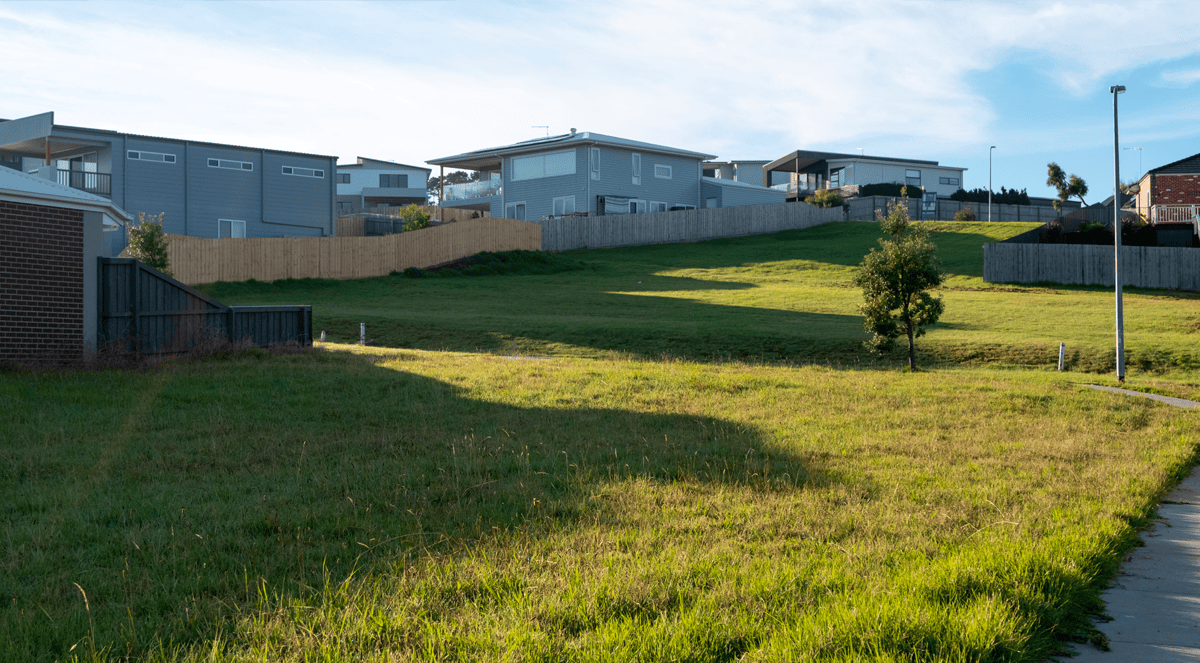
A new report argues Australia’s housing affordability crisis is being driven by a single, dominant constraint: the cost and availability of land.
The latest Residential Land Report commissioned by leading building lobby group, the Housing Industry Association, says the nation’s median residential lot price hit a record $391,420 in the September quarter of 2025.
That’s up more than 10% on the previous year and an astonishing six times higher than at the turn of the millennium.
While there’s no doubt that residential building labour costs have increased sharply over the past six years, the report argues those costs have been dwarfed by the huge appreciation in the price of land.
And the HIA argues the slow way governments re-zone, release, and install new infrastructure on greenfields land and the way they price it, is largely to blame for the current housing crisis.
The details
The HIA-Cotality Residential Land Report, which tracks 52 housing markets across the country, including Canberra and the six state capitals, lays bare the widening gap between land and build costs.
“Over the last 25 years, the price of the typical new residential lot of land has risen more than three times faster than construction costs,” says HIA Chief Economist Tim Reardon.
“Since 2000, residential land prices have increased by more than 500%.
“Over the same period, construction costs and the price of skilled labour increased by around 150%.
“The long-run escalation in housing costs has been driven overwhelmingly by land,” Mr Reardon says.
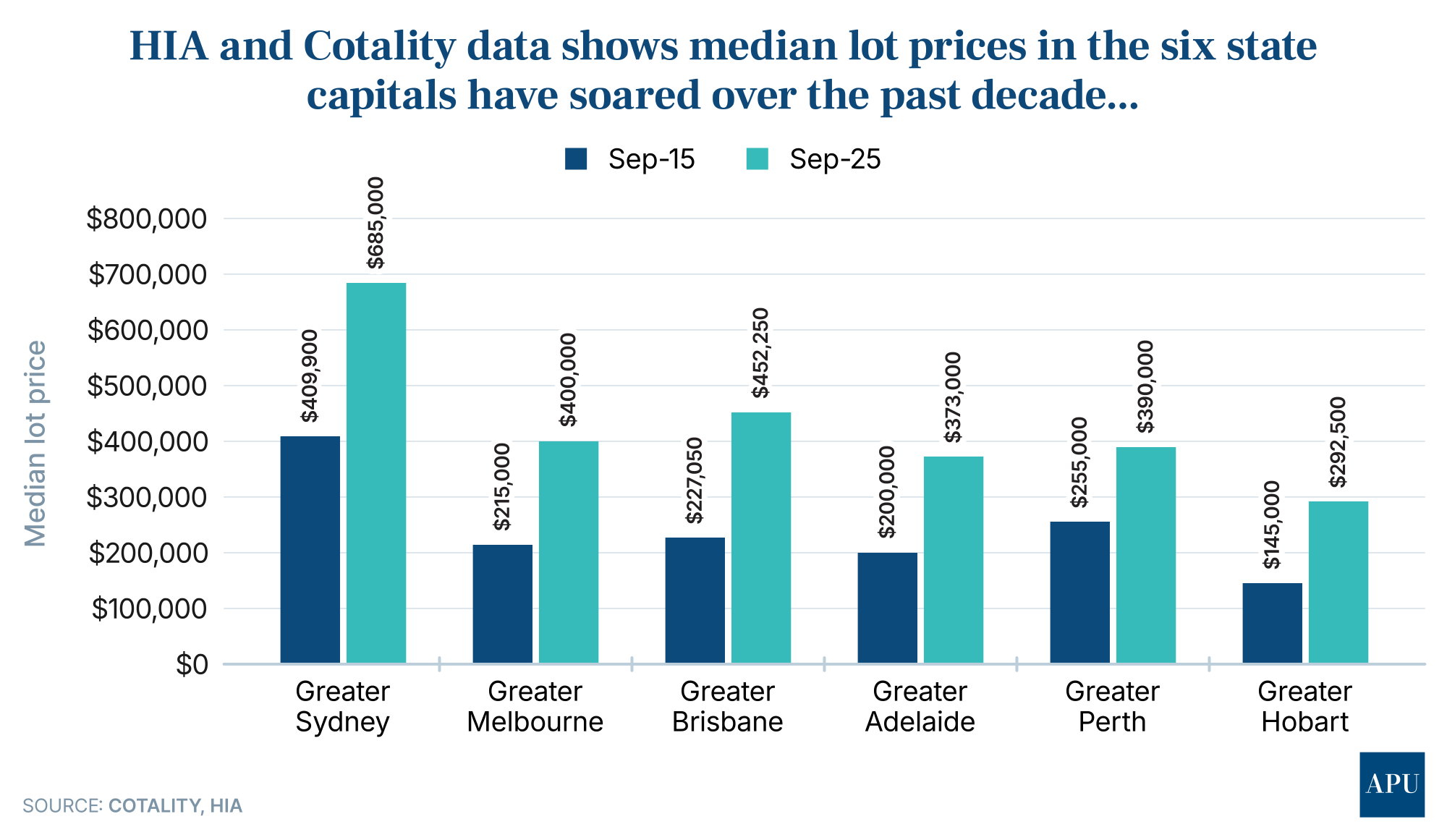
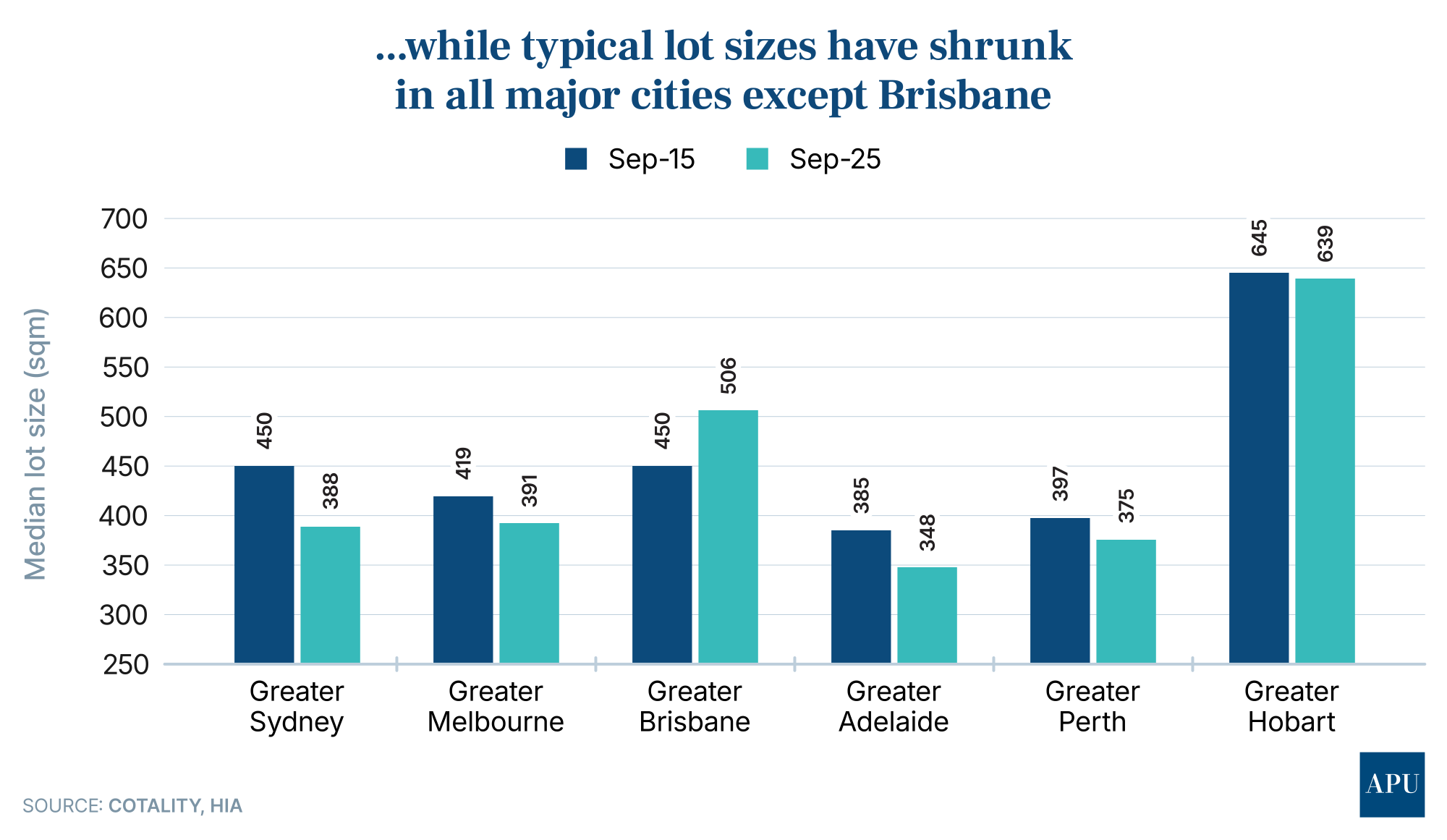
In raw terms, the typical block of land has soared in price even as lot sizes have shrunk across most capitals over the past decade.
Sydney blocks have tightened dramatically, while Melbourne’s have also edged smaller.
Despite average lot sizes actually growing in Brisbane, prices per square meter there have surged.
“In just the last year, residential lot prices in Brisbane and Perth increased by 18% and 21% respectively, while Adelaide prices jumped a whopping 40%,” Mr Reardon says.
Behind those figures, the industry body argues, are policy settings that restrict supply and load costs onto new housing.
“The way governments release, service and tax land has embedded the cost of infrastructure, delays and planning decisions into land prices,” the HIA’s Tim Reardon says.
“Those costs are paid upfront, capitalised into land values and ultimately borne by new home buyers.”
The Residential Land Report contends that big developer infrastructure contributions, planning delays and regulatory processes have effectively rationed shovel-ready land in most parts of Australia.
Developers are typically required to fund roads, sewerage, utilities and community infrastructure upfront - costs that are then baked into the price paid by the eventual homebuyer.
“It was easy over the last few years to lose sight of what has been the most pressing constraint on Australian home building – everything has appeared to be under pressure since the pandemic”, adds Mr Reardon.
“The shortage of shovel-ready land is central to solving the affordability challenge.
“Without a healthy pipeline of shovel-ready land across Australia’s capitals and regions, along with all the associated infrastructure, fairly funded, the return of demand for new housing will be diverted into the established housing market, further driving up prices and worsening the affordability crisis,” the HIA Chief Economist says.
While the report argues that land costs are the dominant driver, there’s no question construction costs are still escalating.
Property analytics company Cotality provided much of the data for the report.
Its Research Director, Tim Lawless, says building costs remain elevated and are feeding into broader inflation pressures.
“Persistent growth in construction costs is another factor in Australia’s housing shortfall and affordability challenges.
“The cost to build a house rose another 1.0% in the December quarter, pushing building costs more than 30% higher over the past five years.
“With land costs and building costs continuing to trend higher, along with high contribution charges and taxes, project feasibility remains a core challenge for builders and developers in delivering desperately needed housing supply.”
Developers argue the consequences of not enough shovel-ready land for housing are now entrenched.
Rory Costelloe, the head of development company Villawood Properties, told NewsCorp papers that successive government housing stimulus schemes, land shortages and major infrastructure programs over the past 25 years had all contributed to price spikes.
However, he freely admits that developers have taken advantage of the scarcity of shovel-ready land.
“The greed of the industry is a factor as well, they do push prices up,” he says.
“But they couldn’t do that if there was more (land) supply.”
The take-out
The central theme of the Residential Land Report is clear.
While there’s no doubt construction costs have increased, particularly in recent years, this pales into comparison with the extraordinary lift in the price of new residential building blocks in the cities and major centres where Australians actually want to live.
Unless governments rethink how land is released, serviced and funded, Australia’s housing crisis will remain constrained at its source - the dirt beneath every new home.









.jpg?width=1920&height=1080&name=WTF%20Is%20Happening%20To%20The%20Housing%20Market!%20$500%20Billion%20Wiped%20Out%20As%20Prices%20Fall%20Faster%20Every%20Month%20Scott%20Kuru%20YPU%20027%20(1).jpg)
%20Scott%20Kuru%20YPU%20025.jpg?width=1920&height=1080&name=This%20Is%20Worse%20Than%20A%20Recession%20RBA%20Admits%20Australias%20Wage%20Collapse%20Cant%20Be%20Stopped%20(Prepare%20Now)%20Scott%20Kuru%20YPU%20025.jpg)



















.jpg?width=1920&height=1080&name=EXPOSED%20How%20The%20Govt%20Let%20These%20Oil%20Giants%20Get%20Away%20With%20Paying%20Zero%20Tax%20For%20Aussie%20Gas%20Scott%20Kuru%20DPU%20256%20(1).jpg)





%20Scott%20Kuru%20DPU%20248.jpg?width=1920&height=1080&name=Major%20Banks%20CAUGHT%20Preparing%20For%20Australia%E2%80%99s%20Biggest%20Housing%20Crash%20(Defaults%20%26%20Bankruptcies%20Coming)%20Scott%20Kuru%20DPU%20248.jpg)
%20Scott%20Kuru%20DPU%20247.jpg?width=1920&height=1080&name=This%20Is%20How%20Australia%20Gets%20Pushed%20Into%20the%20Next%20Big%20Reset%20(Trust%20Collapse%20Has%20Officially%20Begun)%20Scott%20Kuru%20DPU%20247.jpg)






%20Scott%20Kuru%20DPU%20239.jpg?width=1920&height=1080&name=URGENT%20Life%20In%20Australia%20Has%20Become%20Impossible%20For%20Millions%20Of%20Aussies%20(It%E2%80%99s%20About%20To%20Get%20Worse)%20Scott%20Kuru%20DPU%20239.jpg)







%20Scott%20Kuru%20DPU%20227.jpg?width=1920&height=1080&name=URGENT%20ALERT%20Australia%E2%80%99s%20Property%20Market%20Is%20Sliding%20Into%20Something%20Much%20Bigger%20(Prepare%20Now)%20Scott%20Kuru%20DPU%20227.jpg)