








.png?width=292&height=292&name=Copy%20Link%20(1).png)

 SIGN UP FOR FREE NEWSLETTER
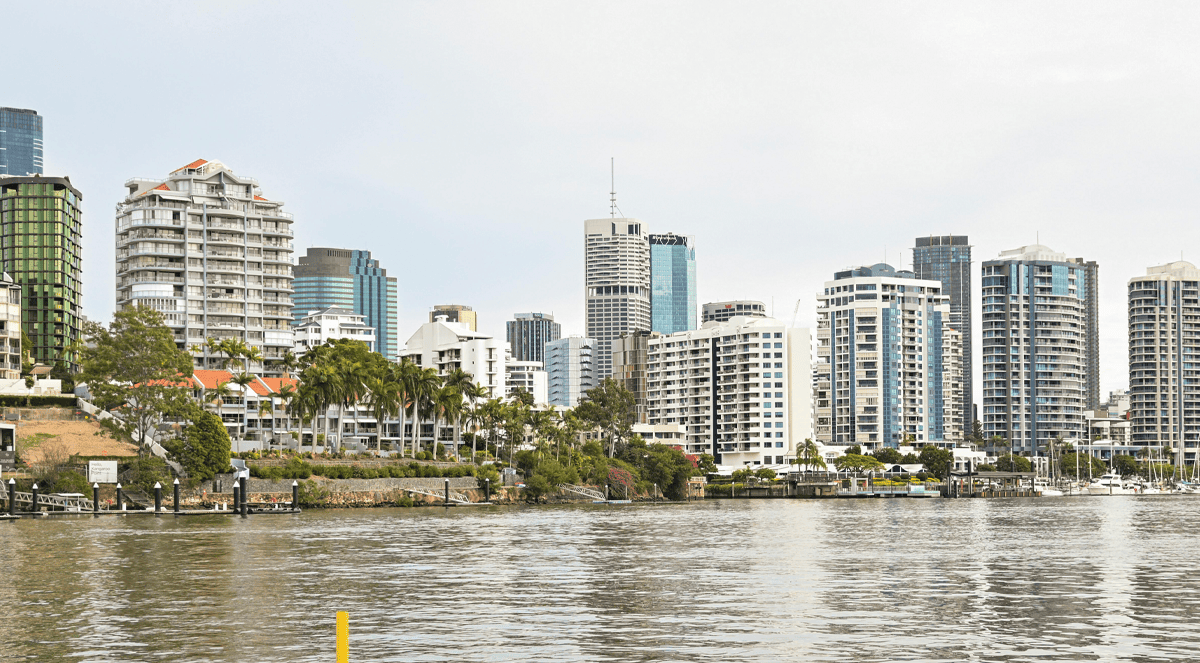
Queensland’s state government has just poured more fuel on property prices in the Sunshine State, particularly affordable properties favoured by first-home buyers and investors.
The Crisafulli LNP Government has opened up an extra 500 places in “Boost to Buy” - a generous state shared-equity scheme, which allows eligible Queenslanders to purchase a property worth up to $1 million with just a 2% deposit.
The scheme expansion comes as data analytics firm Cotality has revealed the median home value in Brisbane grew at 1.8% in March 2026, with lower quartile “affordable” properties sprinting ahead by 2.1% in just 31 days.
The details
Queensland’s state government has just opened up another 500 places in Boost to Buy, saying the scheme has already helped 150 households achieve home-ownership since it was launched last year.
In total, the state government has allocated $330 million to the program, which is expected to support up to 2,000 first-home buyers over 3 years.
The state Treasurer, David Janetzki, who is also the Minister for Home Ownership, said there had been an “astonishing” response to round one of the scheme, with allocations for properties in the state’s populous south-east - which includes Brisbane and the Gold and Sunshine Coasts - exhausted in just a day.
“We are delivering more Queenslanders a place to call home through Boost to Buy, after the former (state) Labor Government shut the door on the dream of home ownership," Mr Janetzki said, opening applications for Round 2 of the scheme.
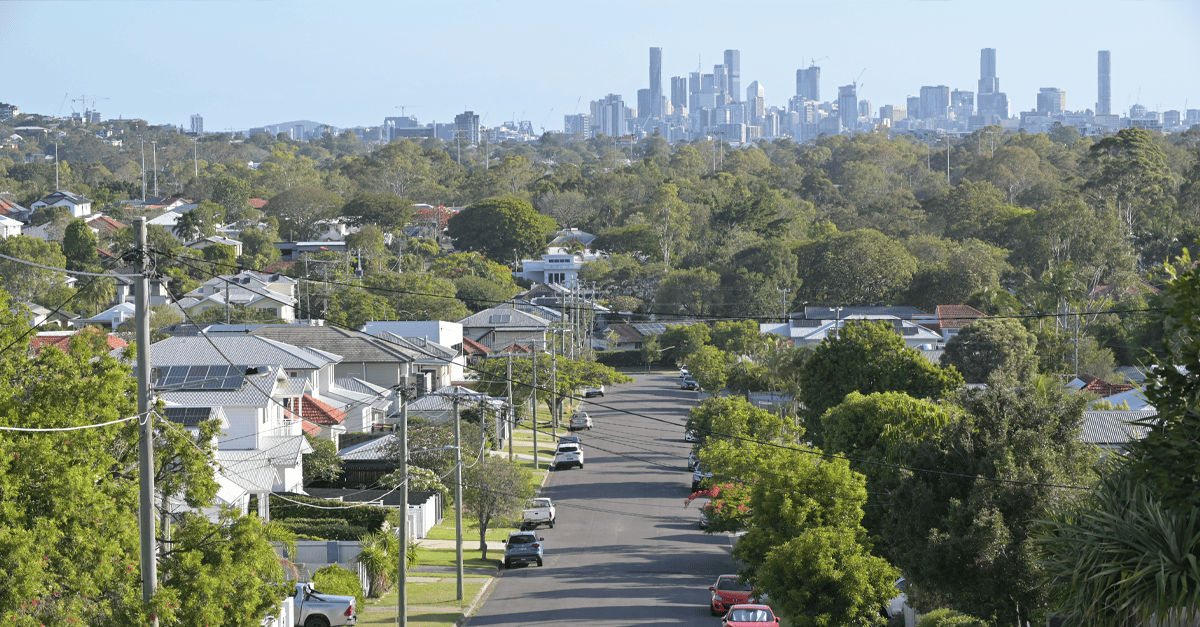
Queensland has one of the lowest home ownership rates in Australia at 64%, tied with New South Wales, according to the Australian Bureau of Statistics.
Only the Northern Territory has a lower rate of home ownership at 59%.
First-time home buyers Mitchell and Samantha Stanger said the state government equity scheme has “turned something that felt like years away into a reality” for their young family.
“Even though we were working hard and saving, the deposit gap kept owning a home out of reach,” Mr Stanger said.
“We have been living with our in-laws on the Gold Coast, along with our two-year-old and four-year-old, to try to save as much as we can.
“With the Government’s equity contribution, we were able to buy and have payments we can manage and ultimately have the security of knowing we have a place to call home.”
“We're delivering what we promised – the right plan to unlock homeownership opportunities across Queensland,” said Treasurer David Janetzki.
How it works
Boost to Buy provides a government equity contribution of up to 30% for new homes and up to 25% for existing homes.
The state maintains its percentage equity share in the home - a share that will fluctuate in value based on the current total value of the property.
When scheme participants sell their home or pay off their home loan, they’ll need to repay the government’s equity share, based on the current value of the property.
They can also make extra repayments at any time to reduce the government’s stake and build up their own equity in the property.
To be eligible, home buyers need to have saved a minimum 2% deposit for the purchase price of a property worth up to $1 million.
To qualify, they can’t have an annual income of more than $150,000 for single purchasers or $225,000 for a household with two adults.
Boost to Buy has considerably higher income limits than the Federal government’s similar “Help to Buy” shared equity scheme, which has an income cap of $100,000 for single buyers and $160,000 for two-income households.
Brisbane steams ahead
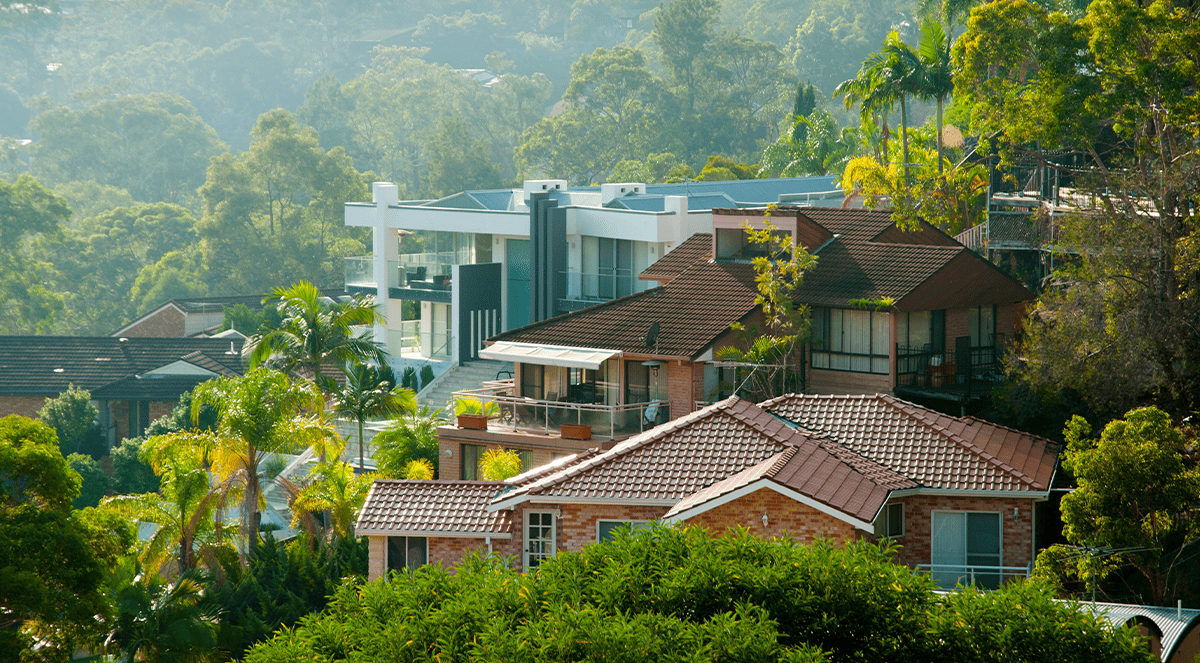
Although larger property markets like Sydney and Melbourne have cooled in recent months, thanks to higher interest rates, affordability constraints and the high cost of living, Brisbane has continued to steam ahead, driven by an acute shortage of new housing and strong demand.
The latest Cotality Home Value Index shows the Sunshine State capital grew at 1.8% in March 2026 alone.
That added about $19,500 in value to the median Brisbane home, taking it to an eye-watering $1,101,151 and closing in on Australia’s most expensive city, Sydney, which eased 0.1% during the month to $1,295,387.
But Cotality’s Research Director, Tim Lawless, says cheaper “entry-level” properties in Brisbane are growing at a considerably faster rate.
“Brisbane’s lower quartile dwelling value was up 2.1% over the month of March,” he says, “6.4% higher over the quarter and 23.9% higher over the 12 months ending March.”
As a comparison, the “top end” of Brisbane’s market - the upper quartile - saw much more muted growth of 1.4% growth in March, 3.9% over the quarter and 15.5% over the past year.
So even before the expansion of Boost to Buy, the prices of cheaper homes in Brisbane were going gangbusters.
Tim Lawless says the value of Brisbane dwellings at the 25th percentile - usually regarded as the market point where “affordable” property cuts out - is currently $899,834 ($977,716 for houses and $744,969 for units).
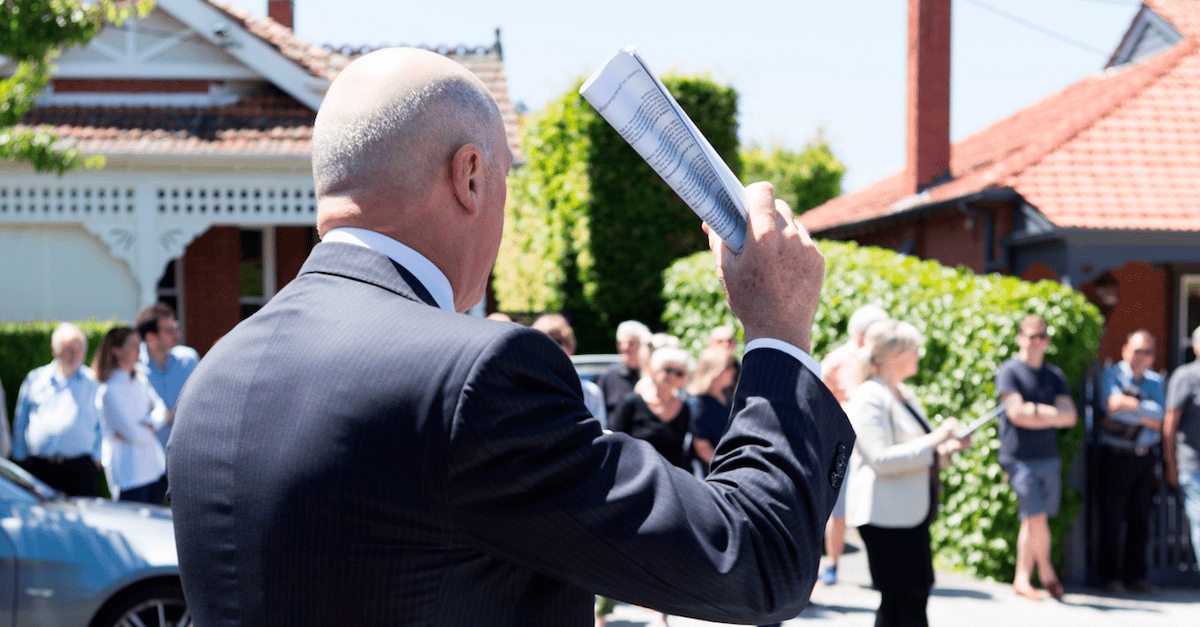
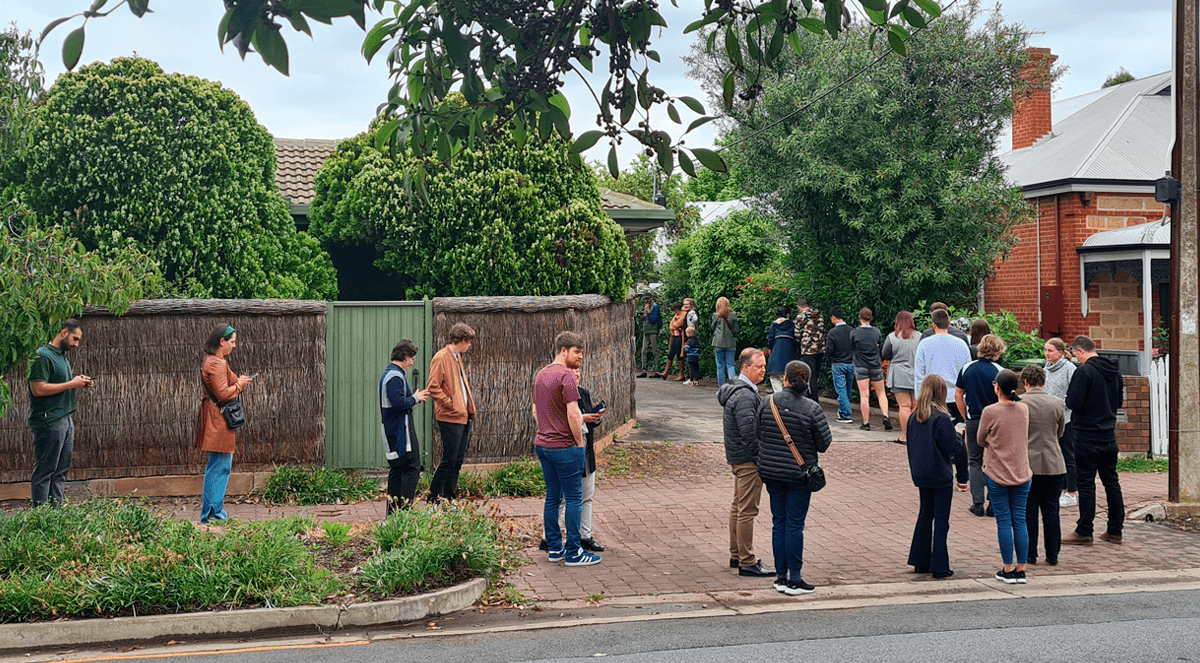
Image from Domain
Boost to Buy means an eligible first-home buyer could feasibly roll up at an auction in Brisbane - with the financial backing of the state government - and purchase a house for just under $1 million with less than a $20,000 deposit.
That’s serious financial firepower which could blow rival first-home buyers and investors bidding for the same property out of the water.
When combined with other incentives, like the abolition of stamp duty for first-home buyers on new properties, a first homeowner’s grant and the lifting of restrictions to allow new home owners to rent out a room without losing state government benefits, it's arguably the best time in years for prospective homebuyers to get their foot on the property ladder in Queensland.
The downside is that the state will own a portion of your home until you either sell the property or buy them out.
The other negative factor is that many other young Queenslanders trying to get into the property market will also be trying to take advantage of Boost to Buy at a time when the goal posts on what “entry-level” property means in the Sunshine State are shifting rapidly.
The Crisafulli government might find its “solutions” to make housing more affordable and boost home ownership in Queensland actually have the opposite effect, pushing the prices of “affordable” property even further out of reach of aspiring home owners who aren’t lucky enough to qualify for Boost to Buy.





.jpg?width=1920&height=1080&name=WTF%20Is%20Happening%20To%20The%20Housing%20Market!%20$500%20Billion%20Wiped%20Out%20As%20Prices%20Fall%20Faster%20Every%20Month%20Scott%20Kuru%20YPU%20027%20(1).jpg)
%20Scott%20Kuru%20YPU%20025.jpg?width=1920&height=1080&name=This%20Is%20Worse%20Than%20A%20Recession%20RBA%20Admits%20Australias%20Wage%20Collapse%20Cant%20Be%20Stopped%20(Prepare%20Now)%20Scott%20Kuru%20YPU%20025.jpg)











.jpg?width=1920&height=1080&name=EXPOSED%20How%20The%20Govt%20Let%20These%20Oil%20Giants%20Get%20Away%20With%20Paying%20Zero%20Tax%20For%20Aussie%20Gas%20Scott%20Kuru%20DPU%20256%20(1).jpg)





%20Scott%20Kuru%20DPU%20248.jpg?width=1920&height=1080&name=Major%20Banks%20CAUGHT%20Preparing%20For%20Australia%E2%80%99s%20Biggest%20Housing%20Crash%20(Defaults%20%26%20Bankruptcies%20Coming)%20Scott%20Kuru%20DPU%20248.jpg)
%20Scott%20Kuru%20DPU%20247.jpg?width=1920&height=1080&name=This%20Is%20How%20Australia%20Gets%20Pushed%20Into%20the%20Next%20Big%20Reset%20(Trust%20Collapse%20Has%20Officially%20Begun)%20Scott%20Kuru%20DPU%20247.jpg)


%20Scott%20Kuru%20DPU%20239.jpg?width=1920&height=1080&name=URGENT%20Life%20In%20Australia%20Has%20Become%20Impossible%20For%20Millions%20Of%20Aussies%20(It%E2%80%99s%20About%20To%20Get%20Worse)%20Scott%20Kuru%20DPU%20239.jpg)




%20Scott%20Kuru%20DPU%20227.jpg?width=1920&height=1080&name=URGENT%20ALERT%20Australia%E2%80%99s%20Property%20Market%20Is%20Sliding%20Into%20Something%20Much%20Bigger%20(Prepare%20Now)%20Scott%20Kuru%20DPU%20227.jpg)