









.png?width=292&height=292&name=Copy%20Link%20(1).png)

 SIGN UP FOR FREE NEWSLETTER
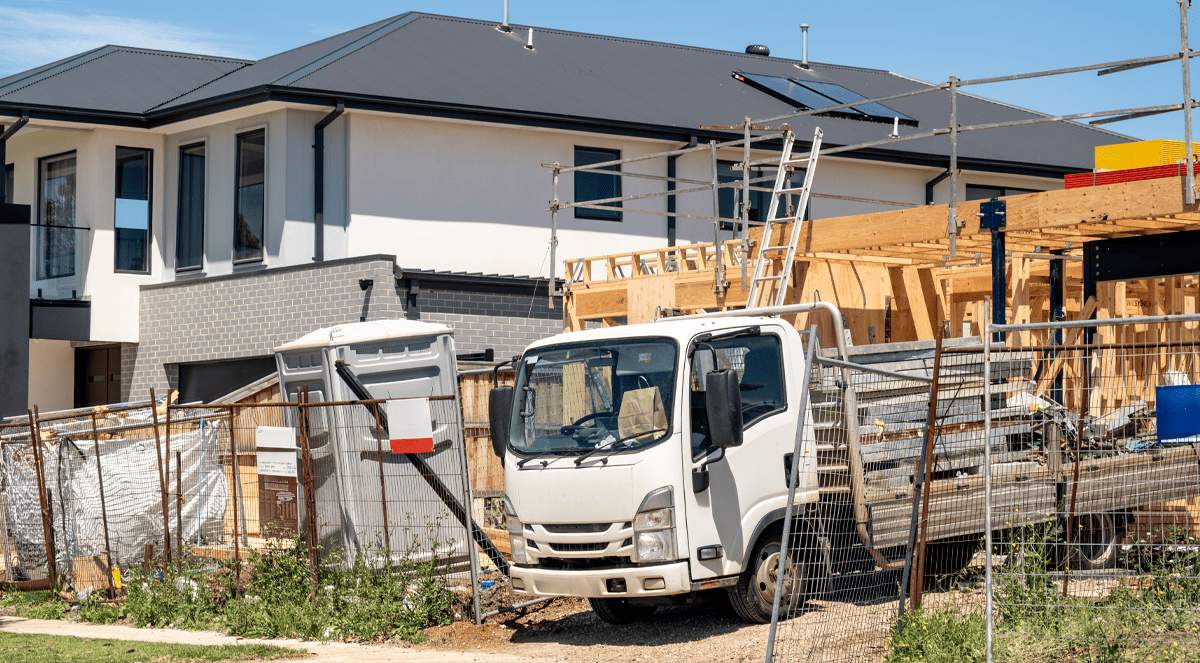
The housing boom Australia has experienced over the past six years hasn’t been evenly spread, and new data helps explain why.
An analysis from property research firm Cotality reveals a stark divide, with home values surging fastest in states where population growth has far outstripped new housing supply.
The result is a widening gap between buyers and available homes, leading to explosive price growth in some markets.
The details
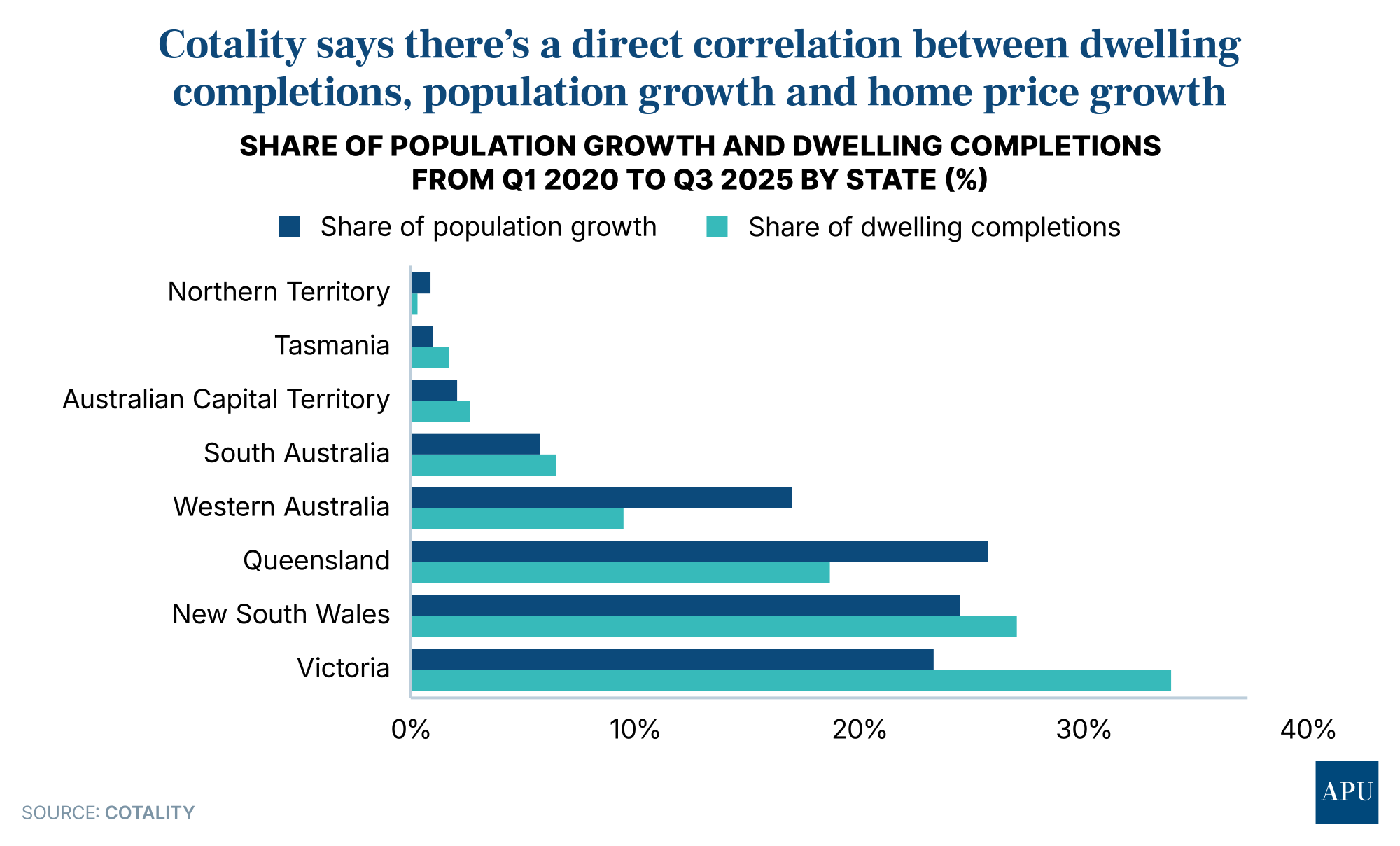
Cotality says the strongest gains in home values since early 2020 have been concentrated in states where construction has failed to keep pace with population growth.
Leading the charge are Western Australia and Queensland, where prices have more than doubled in just five years.
Cotality’s Head of Research, Gerard Burg, says the imbalance is stark.
“In WA and QLD, the share of dwelling completions fell well behind the share of population growth, with these states seeing home values more than double since 2020.”
Queensland, in particular, has been at the centre of the population surge.
The state attracted more than a quarter of Australia’s population growth over the period, driven by interstate migration as buyers chased lifestyle and relative affordability.
“Queensland accounted for over 25% of the total increase in Australia's population over this period, but less than 20% of the dwellings completed were located in Queensland,” Gerard Burg says.
“Queensland has long attracted retirees from other states, and, until recently, offered buyers some more affordable markets compared with other major cities.”
But with new housing delivery failing to keep up, that influx has translated directly into higher prices.
And that, in turn, has started to slow interest in Queensland as an attractive place - particularly for younger Australians - to move to.
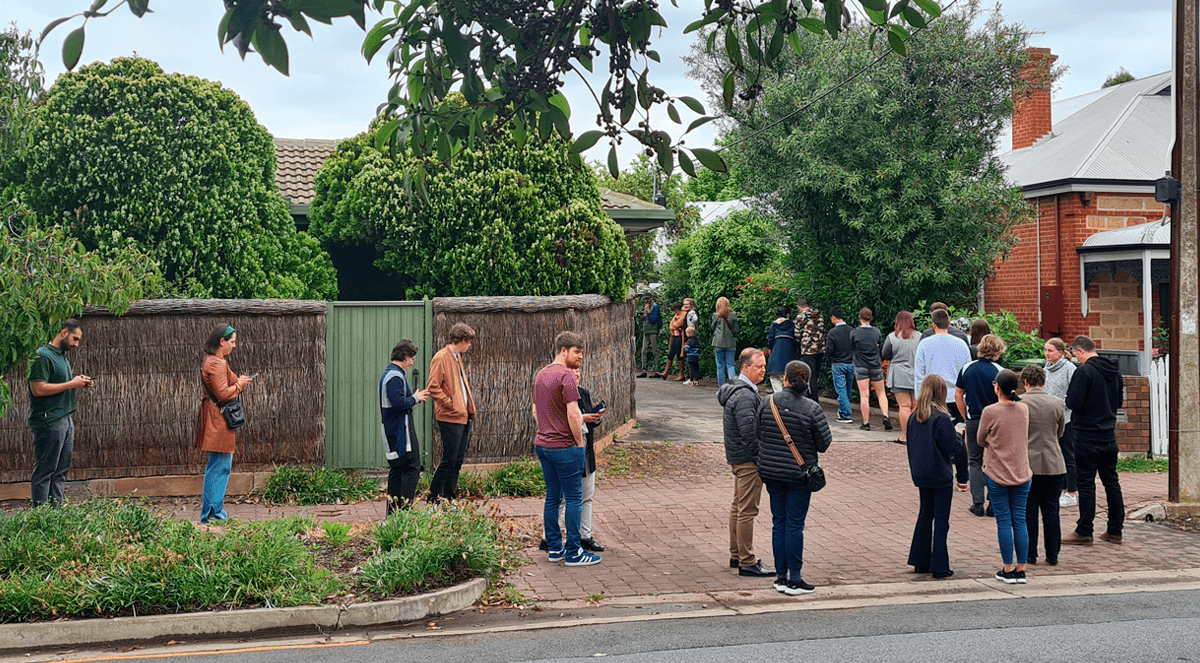
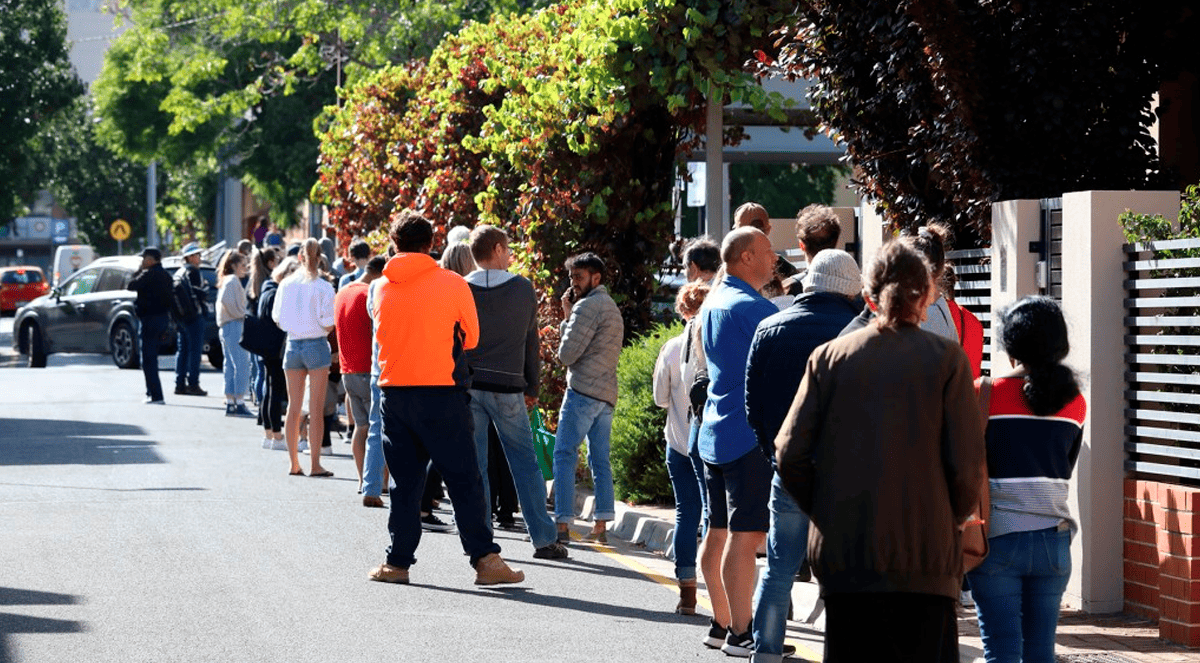
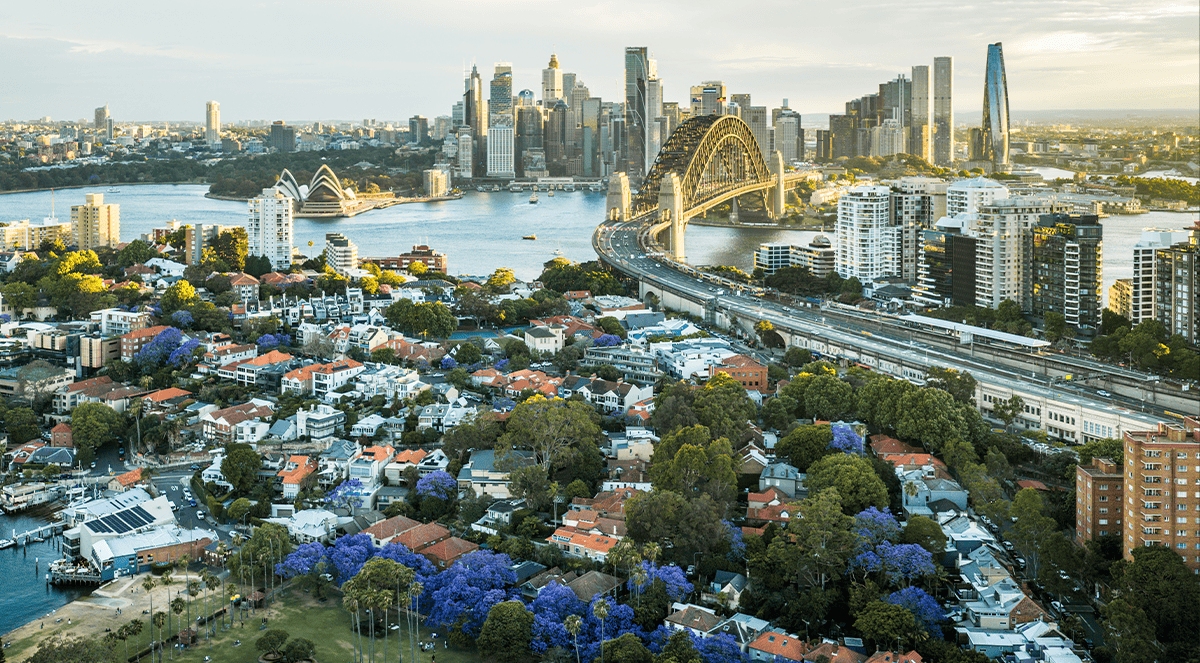
“Net migration to Queensland has started to slow in the last few quarters, and First Home Buyers may increasingly look to opportunities elsewhere,” Mr. Burg says.
“In WA, across the same period, the share of the country’s population growth was nearly 17%, in contrast just 10% of completed dwellings.”
Perth currently has the highest price growth rate of any capital city, largely because of its dire lack of supply of properties to buy and homes to rent.
According to Cotality, homes in the WA capital grew 13.9% in value last year.
ANZ Bank is predicting slightly lower growth in 2026 of 12.3%, with for sale listings remaining very low.
But ANZ believes that as the year progresses, higher interest rates, slowing activity and severe affordability constraints are likely to dramatically slow growth, with the bank tipping just a 1.5% price lift in 2027.
At the other end of the spectrum, Victoria tells a very different story.
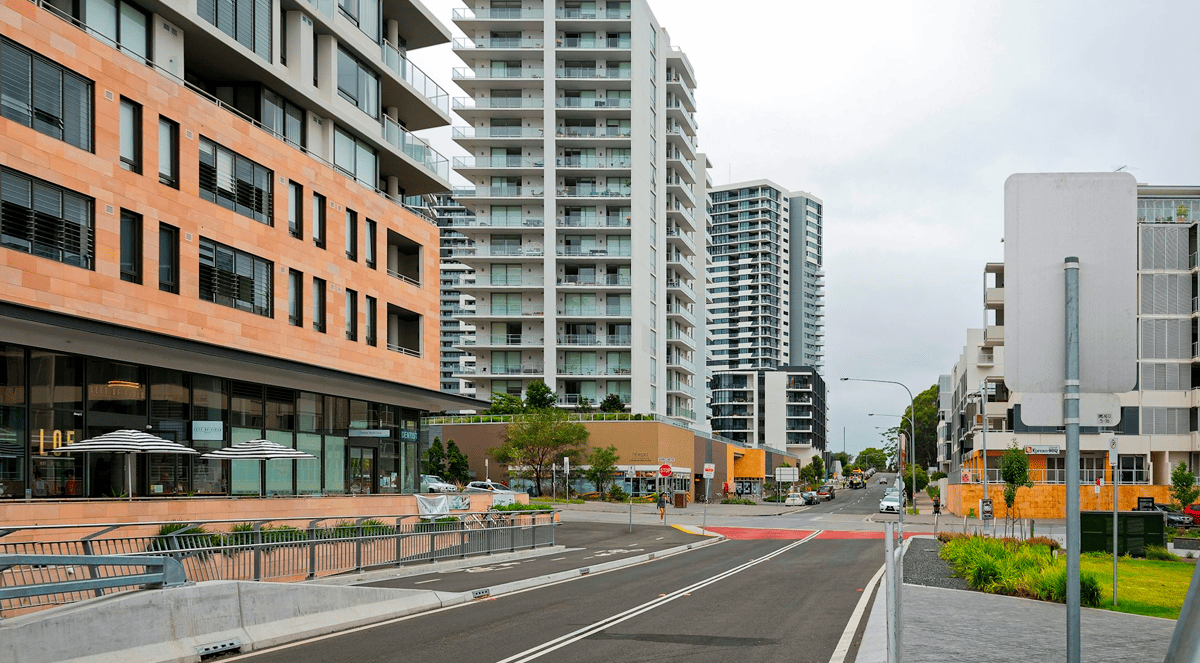
Over the last 6 years, the southern state has delivered around one-third of the nation’s new housing supply, more than its share of population growth, helped by strong policy support and a continued preference for detached homes.
“Policy support at both the State and Federal level assisted the growth in Victorian dwellings over this period,” Cotality’s Gerard Burg says.
“Almost 63% of this new supply in Victoria were stand-alone houses, which we see Australians still have a revealed preference for.”
In contrast, in New South Wales, for example, the split between houses and units was closer to 50-50.
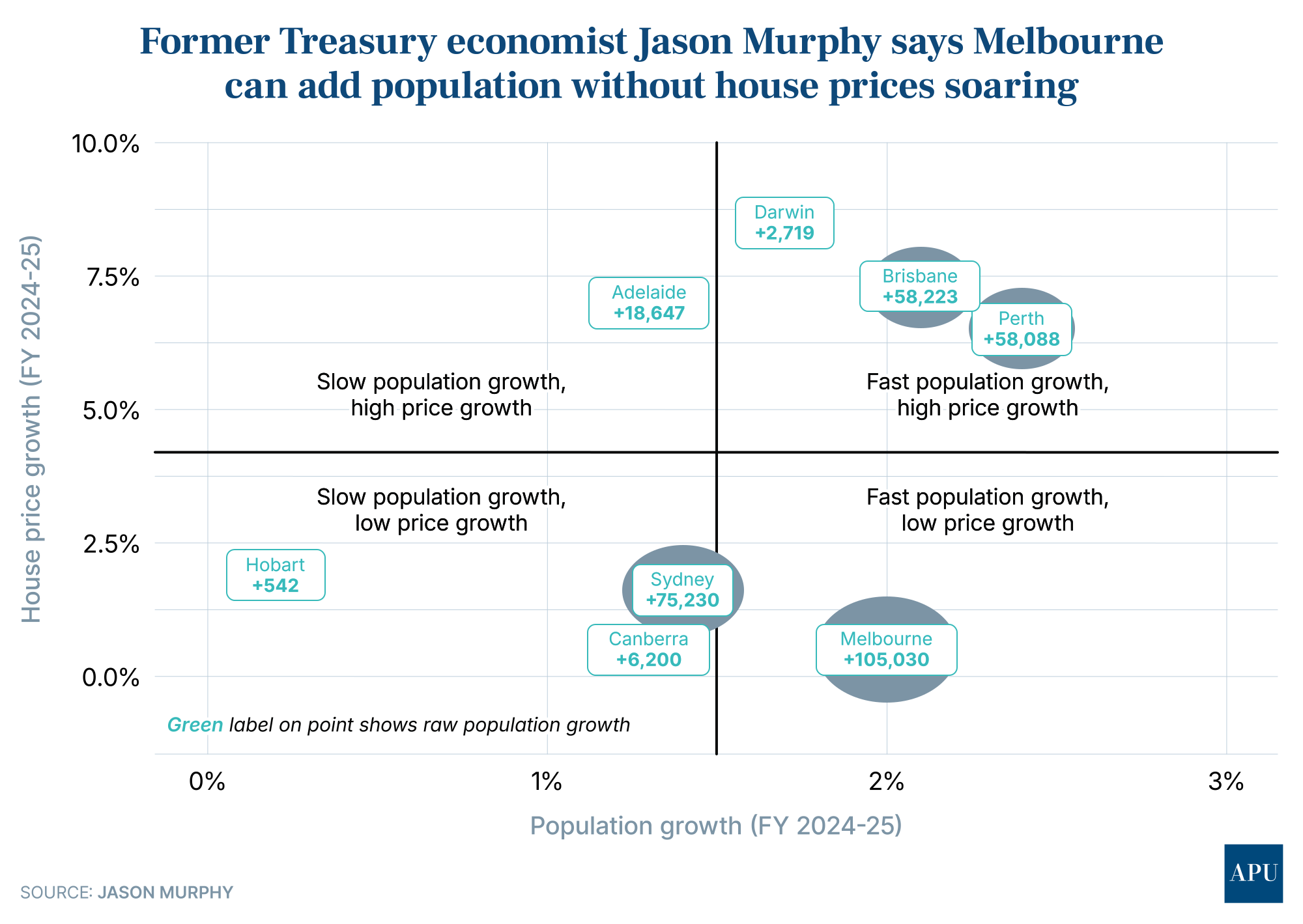
“Melbourne has a simple trick,” says former Commonwealth Treasury economist Jason Murphy.
“It is surrounded by flat land.
“That means there is not a ton of clever tricks required to build new homes.
“Sure, there is infill….there is upzoning.
“There are new apartments in the city centre.
“But the fastest growing areas in all of Australia are on the fringe of Melbourne,” Jason Murphy explains.
“Areas like Rockbank - Mount Cottrell in Melbourne’s west…and areas like Clyde in Melbourne’s south east.”
Mr. Murphy says this type of growth is not possible in Sydney because the city’s limits are constrained by the Blue Mountains, the Royal National Park and Pittwater - factors “that limit its areas of expansion to a small number of corridors.”
While this ease of supply benefits affordability in the short term (Cotality says Melbourne now is the third-cheapest capital city in Australia by median home value measurement), there could be a longer-term downside.
“In a dispersed city, the government will need to spend an additional $41 billion on infrastructure by 2056,” development agency Infrastructure Victoria points out.
“This equals a government cost of $59,000 extra for each new home built, compared to a compact city.”
“The cost of not building so much is higher house prices, but the long-term cost of Melbourne’s miracle growth might be borne by taxpayers,” Jason Murphy says.
Meanwhile, South Australia stands out as an anomaly.
Despite dwelling construction keeping pace with population growth, home values still surged more than 90% since early 2020.
The take-out
As Australia grapples with a worsening housing shortage, Cotality’s data highlights a critical lesson for politicians and bureaucrats.
Where population growth runs ahead of construction, affordability quickly deteriorates.
“Overall, when we see a supply-demand imbalance such as those in Perth or Brisbane, we wind up with a large pool of buyers competing for a small pool of dwellings,” Gerard Burg says.
“This creates a seller’s market and can rapidly drive up home values, as we saw in these two capitals.”






.jpg?width=1920&height=1080&name=WTF%20Is%20Happening%20To%20The%20Housing%20Market!%20$500%20Billion%20Wiped%20Out%20As%20Prices%20Fall%20Faster%20Every%20Month%20Scott%20Kuru%20YPU%20027%20(1).jpg)
%20Scott%20Kuru%20YPU%20025.jpg?width=1920&height=1080&name=This%20Is%20Worse%20Than%20A%20Recession%20RBA%20Admits%20Australias%20Wage%20Collapse%20Cant%20Be%20Stopped%20(Prepare%20Now)%20Scott%20Kuru%20YPU%20025.jpg)



















.jpg?width=1920&height=1080&name=EXPOSED%20How%20The%20Govt%20Let%20These%20Oil%20Giants%20Get%20Away%20With%20Paying%20Zero%20Tax%20For%20Aussie%20Gas%20Scott%20Kuru%20DPU%20256%20(1).jpg)






%20Scott%20Kuru%20DPU%20248.jpg?width=1920&height=1080&name=Major%20Banks%20CAUGHT%20Preparing%20For%20Australia%E2%80%99s%20Biggest%20Housing%20Crash%20(Defaults%20%26%20Bankruptcies%20Coming)%20Scott%20Kuru%20DPU%20248.jpg)
%20Scott%20Kuru%20DPU%20247.jpg?width=1920&height=1080&name=This%20Is%20How%20Australia%20Gets%20Pushed%20Into%20the%20Next%20Big%20Reset%20(Trust%20Collapse%20Has%20Officially%20Begun)%20Scott%20Kuru%20DPU%20247.jpg)






%20Scott%20Kuru%20DPU%20239.jpg?width=1920&height=1080&name=URGENT%20Life%20In%20Australia%20Has%20Become%20Impossible%20For%20Millions%20Of%20Aussies%20(It%E2%80%99s%20About%20To%20Get%20Worse)%20Scott%20Kuru%20DPU%20239.jpg)








%20Scott%20Kuru%20DPU%20227.jpg?width=1920&height=1080&name=URGENT%20ALERT%20Australia%E2%80%99s%20Property%20Market%20Is%20Sliding%20Into%20Something%20Much%20Bigger%20(Prepare%20Now)%20Scott%20Kuru%20DPU%20227.jpg)





%20Scott%20Kuru%20DPU%20221.jpg?width=1920&height=1080&name=The%20AI%20Situation%20in%20Australia%20Just%20Hit%20a%20Point%20of%20No%20Return...%20(Major%20Bank%20Proves%20It)%20Scott%20Kuru%20DPU%20221.jpg)