









.png?width=292&height=292&name=Copy%20Link%20(1).png)

 SIGN UP FOR FREE NEWSLETTER
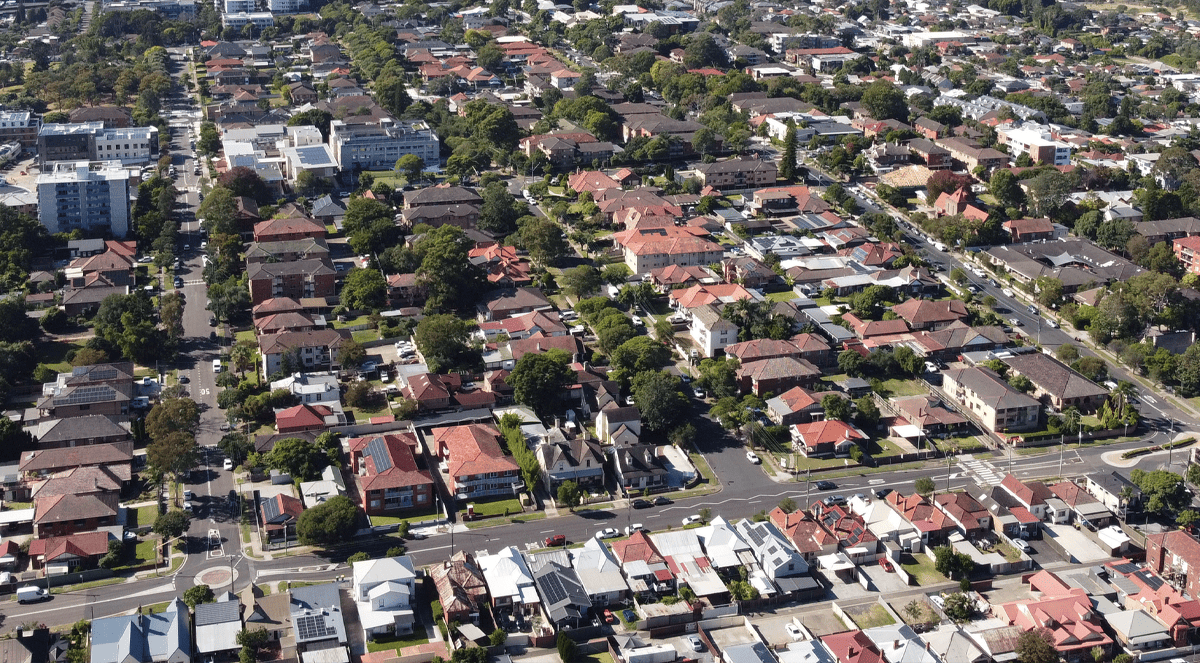
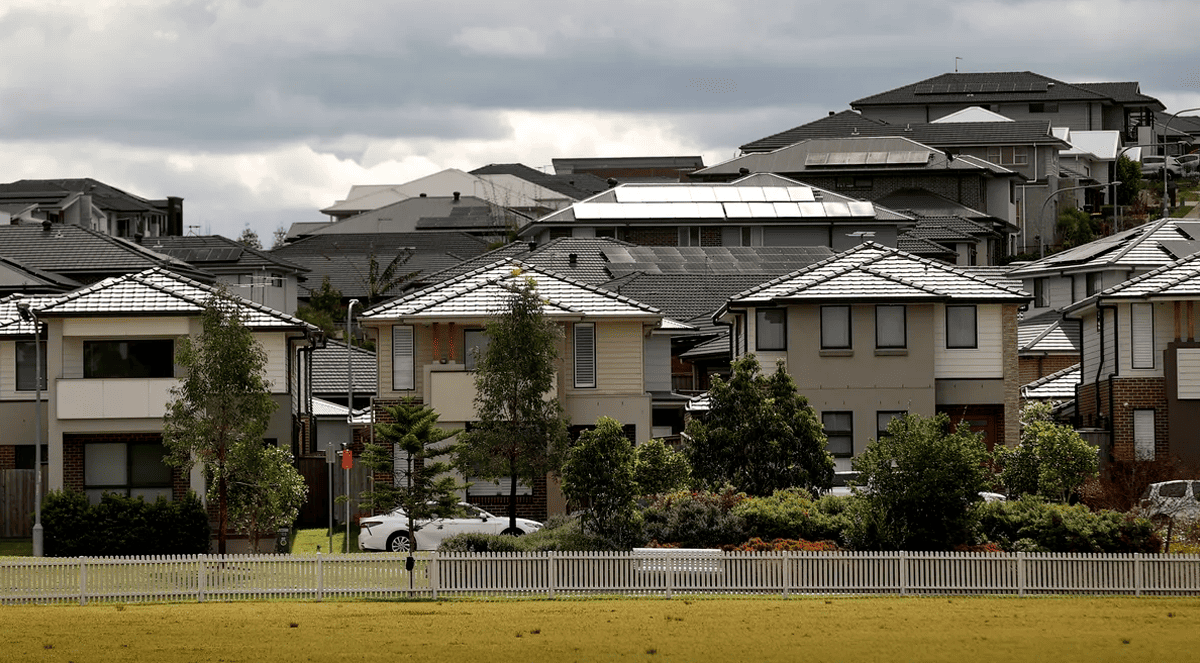
Australia’s housing market is entering a more measured period, with new data showing price growth slowing and key markets like Sydney and Melbourne easing further.
The latest figures from Cotality show national home values rose 0.3% in April, the slowest pace of growth since early 2025, signalling a shift from the stronger conditions seen over the past year.
While still positive overall, the national result was held back by softer outcomes in Sydney and Melbourne, where values dipped 0.6% in each city over the month
Separate figures from Domain Group paint a broadly similar story of the state of Australia’s housing market.
Cotality’s Home Value Index for April
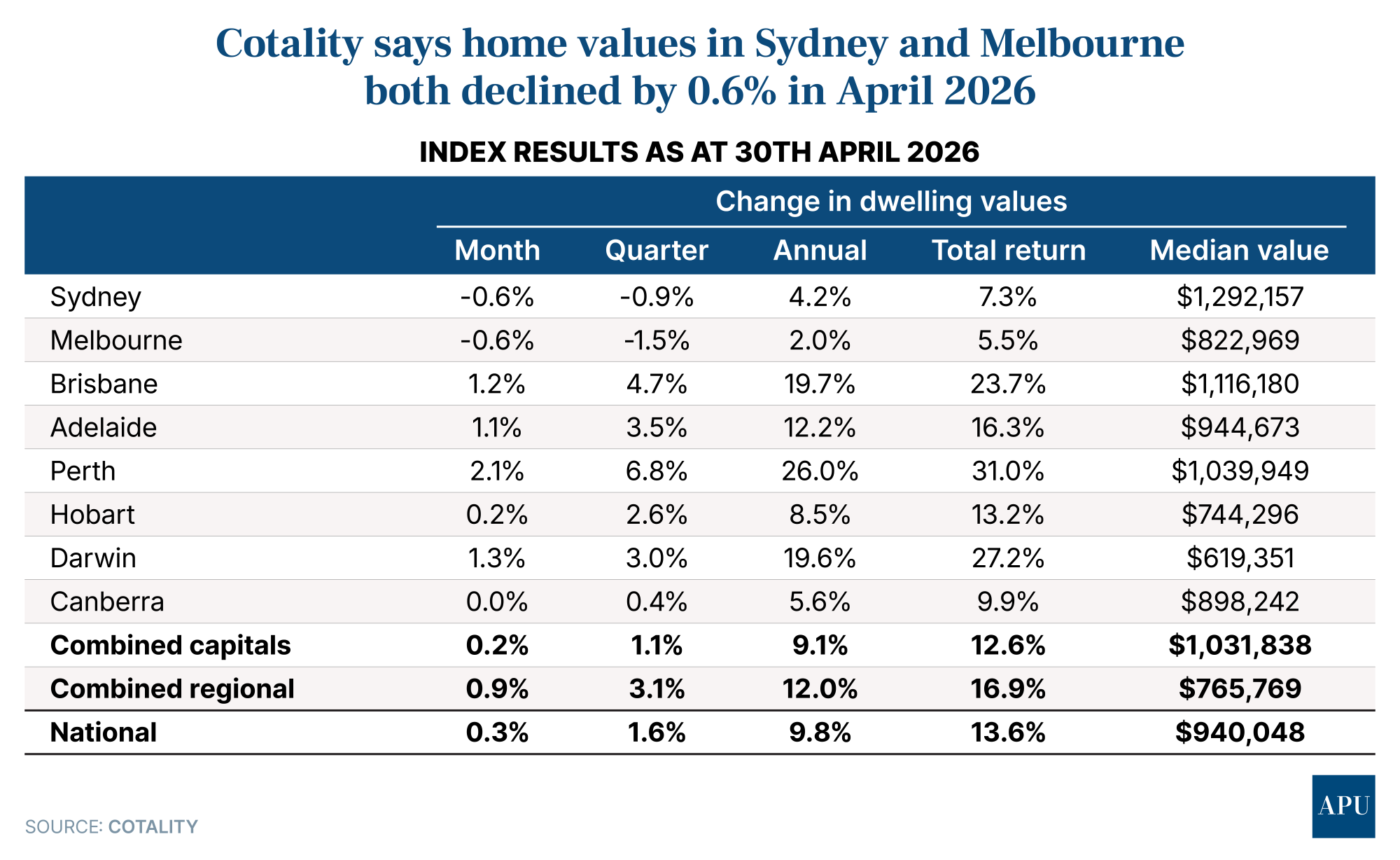
Cotality’s latest monthly publication shows Australian dwelling values rose 0.3% over the month of April 2026, 1.6% over the quarter and a solid 9.8% over the year.
Dwelling values eased 0.6% in both Sydney and Melbourne to respective medians of $1,292,157 and $822,969, while Canberra remained flat at $898,242.
All other cities saw rises, ranging between 0.2% in Hobart up to a very strong 2.1% month gain in Perth, which saw more than $21,000 added to the median dwelling value in just 30 days.
Cotality’s data indicates the pullback in Sydney and Melbourne is reflective of a market adjusting to higher borrowing costs, rather than markets entering a sharp downturn.
Prices in Sydney remain just 1.0% below their recent peak, while Melbourne values are 1.9% lower than late 2025 levels.
Cotality’s Research Director, Tim Lawless, says the shift in conditions began gradually.
“The housing market was losing momentum from late last year as affordability and serviceability constraints weighed on demand,” he says.
“Now, we have the additional downside pressure of higher interest rates, (consumer) sentiment has fallen off a cliff, and rising inflation is set to drive the cost of debt even higher.”
That moderation is also evident in buyer activity.
Sales volumes across the capital cities over the past three months are estimated to be 5.4% lower than a year ago and 7.4% below the previous five-year average; a sign that buyers are becoming more selective as lending conditions tighten.
At the same time, advertised stock levels are beginning to lift in some markets, giving buyers more choice.
Listings in Sydney are now 9.4% above the five-year average, while Melbourne is sitting 2.2% higher - a shift that is helping to rebalance conditions after a prolonged period of limited supply.
“Buyers have more choice, there is less urgency and more ability to negotiate on price,” Mr Lawless says.
Auction markets are reflecting a similar trend, with clearance rates holding below 55% since late March, pointing to a more balanced sales environment.
One of the clearest shifts in the market is where growth is occurring.
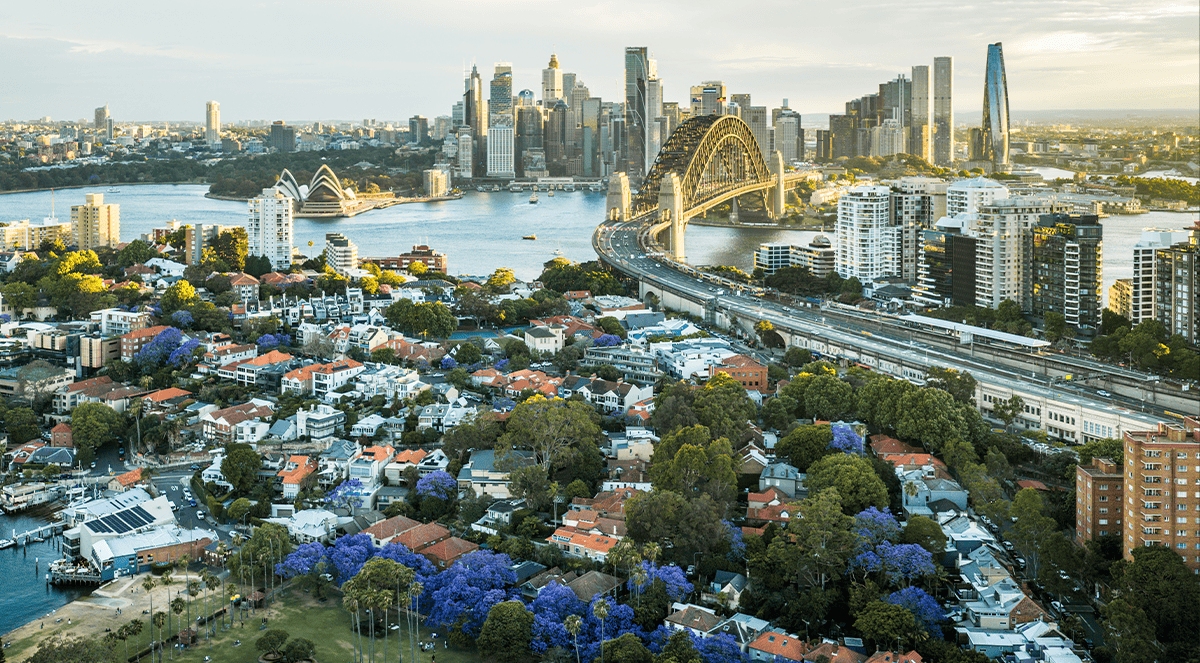
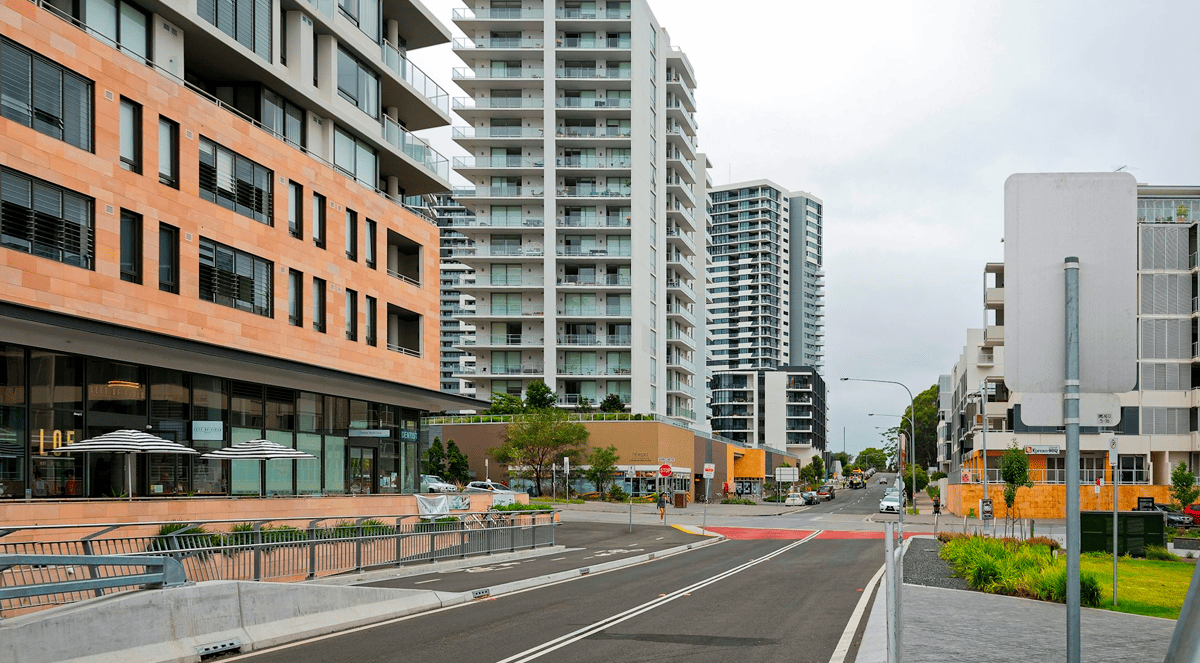
Across all capital cities, lower-priced properties are now leading the way, as buyers focus on more affordable segments where borrowing capacity can stretch further.
“The largest difference between upper and lower quartile value growth is in Sydney, where lower-tier house values are up 2.9% year-to-date compared with a 3.3% fall across the most expensive quarter of the market,” Mr Lawless says.
In Melbourne, the April Cotality figures show that house values dipped 0.8% over the month to a median value of $972,734, while apartments eased just 0.1% to a median value of $641,690 - suggesting demand may be shifting to cheaper forms of housing, even in a broadly cooling market.
Regional markets are also continuing to outperform, supported by relative affordability and ongoing population shifts.
Over the first four months of the year, regional values have risen 4.2%, compared with a 1.8% increase across the combined capital cities.
At the same time, the rental market continues to provide a strong underpinning for the broader housing sector.
Vacancy rates are holding at just 1.6% nationally, well below long-term averages, highlighting the ongoing shortage of available rental properties.
Every capital city is recording vacancy rates of 1.8% or lower, reinforcing how tight supply remains across the country.
As a result, rents are continuing to rise, with Cotality’s national rent index increasing a further 0.6% in April.
It’s now 5.7% higher over the past year - the fastest annual pace of growth since late 2024.
In Sydney, house rents have reached a median of $869 per week, while unit rents sit at $775, reflecting sustained demand in Australia’s largest rental market.
Other cities are also seeing solid rental growth, with Darwin leading annual increases, while markets such as Canberra, Adelaide and Melbourne are recording more moderate gains.
Importantly, in some cities - including Sydney and Melbourne - rental growth is now outpacing changes in home values.
That dynamic is beginning to support rental yields, which have edged higher in recent months. Sydney house yields, for example, have risen to 2.71%, while Melbourne yields have reached 3.25%.
Domain’s Quarterly House Price report
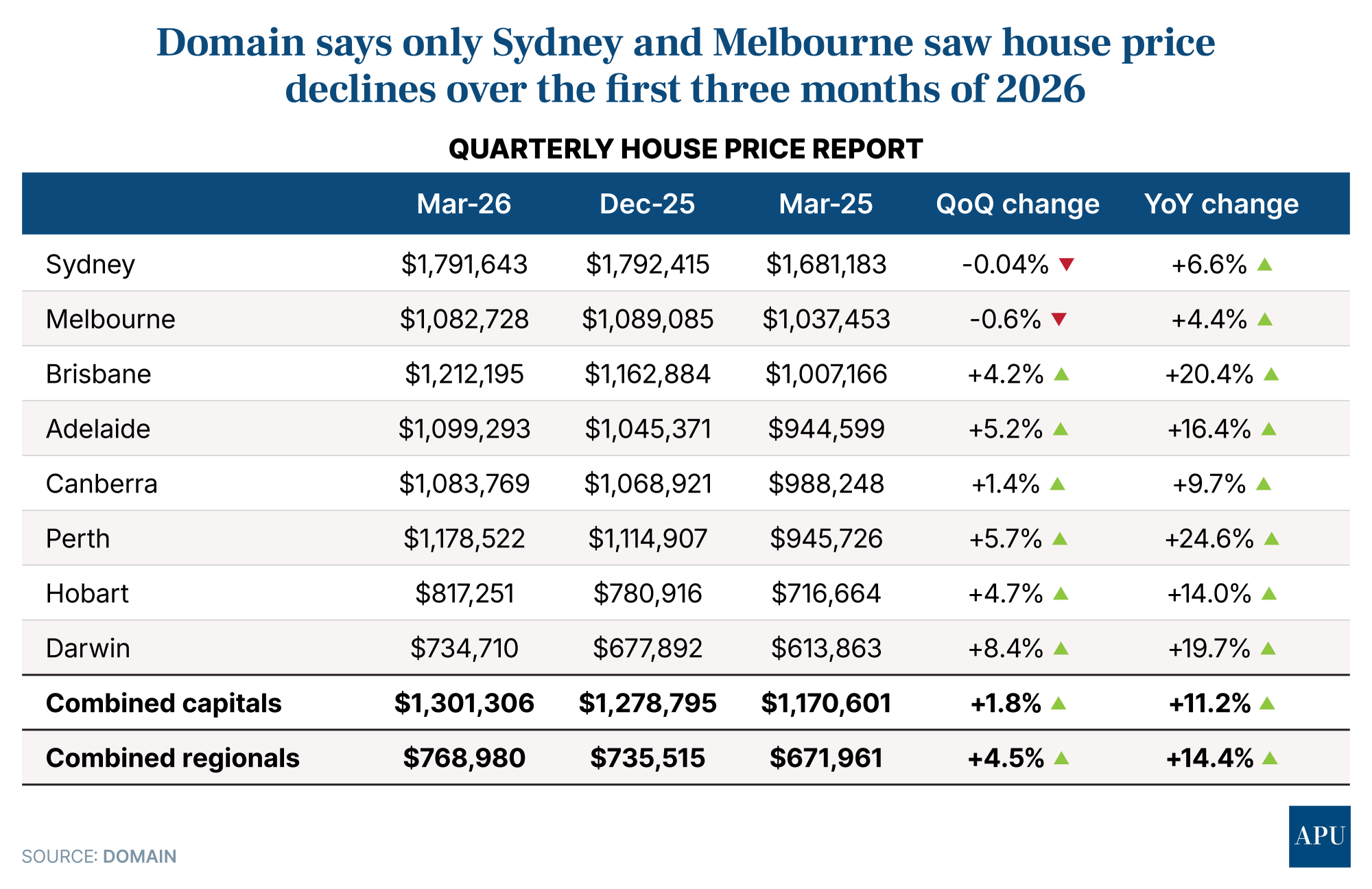
Domain’s latest quarterly house price report says Australia’s housing market continued to rise in the first three months of 2026, with most capital cities reaching new highs over the March quarter.
However, it notes the pace of gains has slowed sharply since late last year, “with growth easing across most markets and quarterly gains roughly halving from the previous quarter as borrowing constraints take hold.”
Domain’s report says the slowing of momentum “reflects a shift in borrowing capacity rather than a weakening in demand”, with “declining sentiment and renewed cost-of-living pressures … also weighing on buyer behaviour.”
It says higher interest rates are limiting how far many buyers can stretch.
“Buyers are more cautious, more price-sensitive, and increasingly selective about where and what they purchase,” the report says.
Like Cotality, Domain’s numbers show a modest easing in Sydney and Melbourne, with house prices down 0.04% and 0.6% over the quarter, respectively.
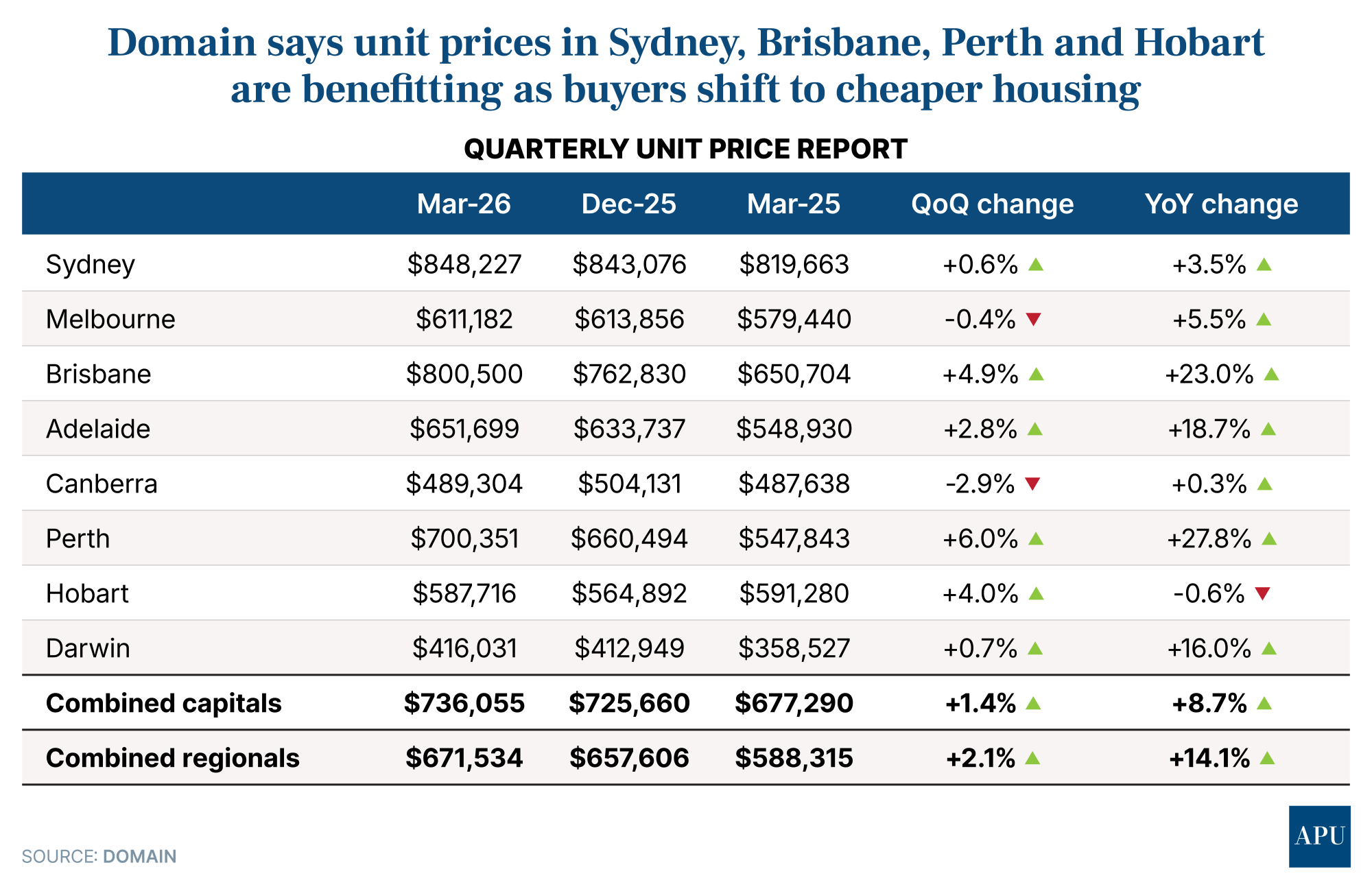
However, units in Sydney have risen (0.4%) over the first three months of the year, “as buyers adjust to more accessible price points”.
Brisbane, Adelaide and Perth continue to record strong gains and new highs in both their house and unit markets, although Domain says momentum has eased, apart from an acceleration in price gains for houses in Adelaide.
“Smaller markets such as Hobart and Darwin are also strengthening, reflecting a continued shift in market leadership toward more affordable regions,” the report says.
“This shift is also evident in market activity, with auction clearance rates easing to their lowest levels since late 2024 and supply lifting across most cities, signalling more cautious buyer behaviour as economic conditions weigh on decision-making.”




.jpg?width=1920&height=1080&name=WTF%20Is%20Happening%20To%20The%20Housing%20Market!%20$500%20Billion%20Wiped%20Out%20As%20Prices%20Fall%20Faster%20Every%20Month%20Scott%20Kuru%20YPU%20027%20(1).jpg)
%20Scott%20Kuru%20YPU%20025.jpg?width=1920&height=1080&name=This%20Is%20Worse%20Than%20A%20Recession%20RBA%20Admits%20Australias%20Wage%20Collapse%20Cant%20Be%20Stopped%20(Prepare%20Now)%20Scott%20Kuru%20YPU%20025.jpg)


























.jpg?width=1920&height=1080&name=EXPOSED%20How%20The%20Govt%20Let%20These%20Oil%20Giants%20Get%20Away%20With%20Paying%20Zero%20Tax%20For%20Aussie%20Gas%20Scott%20Kuru%20DPU%20256%20(1).jpg)







%20Scott%20Kuru%20DPU%20248.jpg?width=1920&height=1080&name=Major%20Banks%20CAUGHT%20Preparing%20For%20Australia%E2%80%99s%20Biggest%20Housing%20Crash%20(Defaults%20%26%20Bankruptcies%20Coming)%20Scott%20Kuru%20DPU%20248.jpg)
%20Scott%20Kuru%20DPU%20247.jpg?width=1920&height=1080&name=This%20Is%20How%20Australia%20Gets%20Pushed%20Into%20the%20Next%20Big%20Reset%20(Trust%20Collapse%20Has%20Officially%20Begun)%20Scott%20Kuru%20DPU%20247.jpg)







%20Scott%20Kuru%20DPU%20239.jpg?width=1920&height=1080&name=URGENT%20Life%20In%20Australia%20Has%20Become%20Impossible%20For%20Millions%20Of%20Aussies%20(It%E2%80%99s%20About%20To%20Get%20Worse)%20Scott%20Kuru%20DPU%20239.jpg)











%20Scott%20Kuru%20DPU%20227.jpg?width=1920&height=1080&name=URGENT%20ALERT%20Australia%E2%80%99s%20Property%20Market%20Is%20Sliding%20Into%20Something%20Much%20Bigger%20(Prepare%20Now)%20Scott%20Kuru%20DPU%20227.jpg)





%20Scott%20Kuru%20DPU%20221.jpg?width=1920&height=1080&name=The%20AI%20Situation%20in%20Australia%20Just%20Hit%20a%20Point%20of%20No%20Return...%20(Major%20Bank%20Proves%20It)%20Scott%20Kuru%20DPU%20221.jpg)