









.png?width=292&height=292&name=Copy%20Link%20(1).png)

 SIGN UP FOR FREE NEWSLETTER

Image from Shutterstock.com and API Magazine
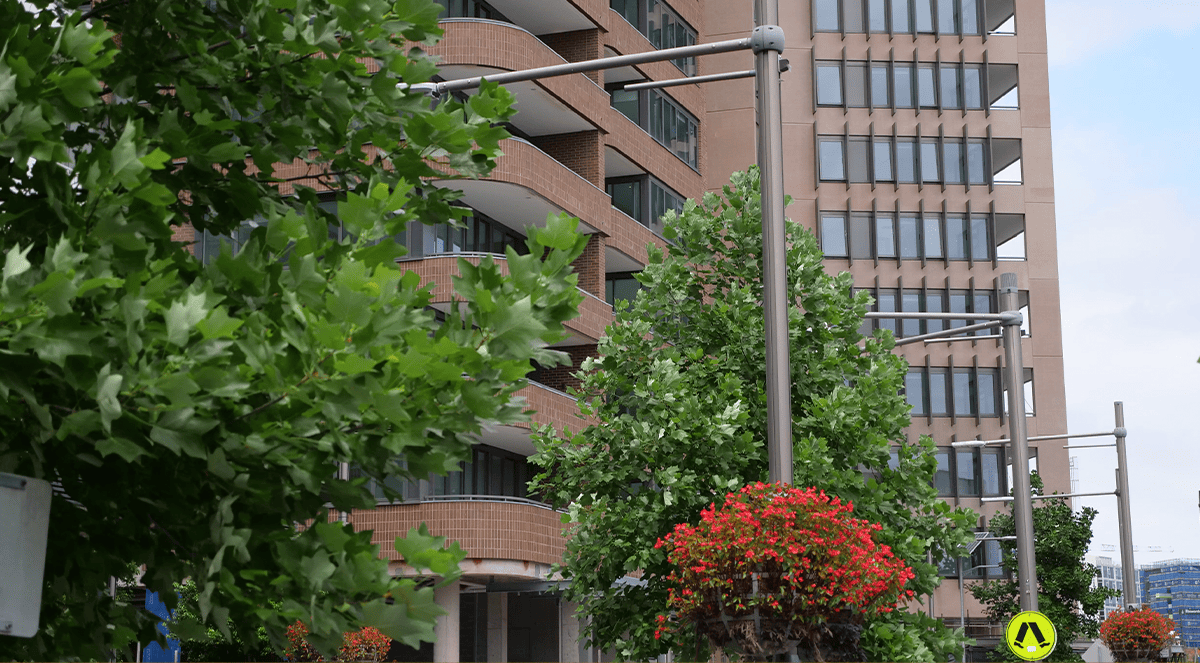
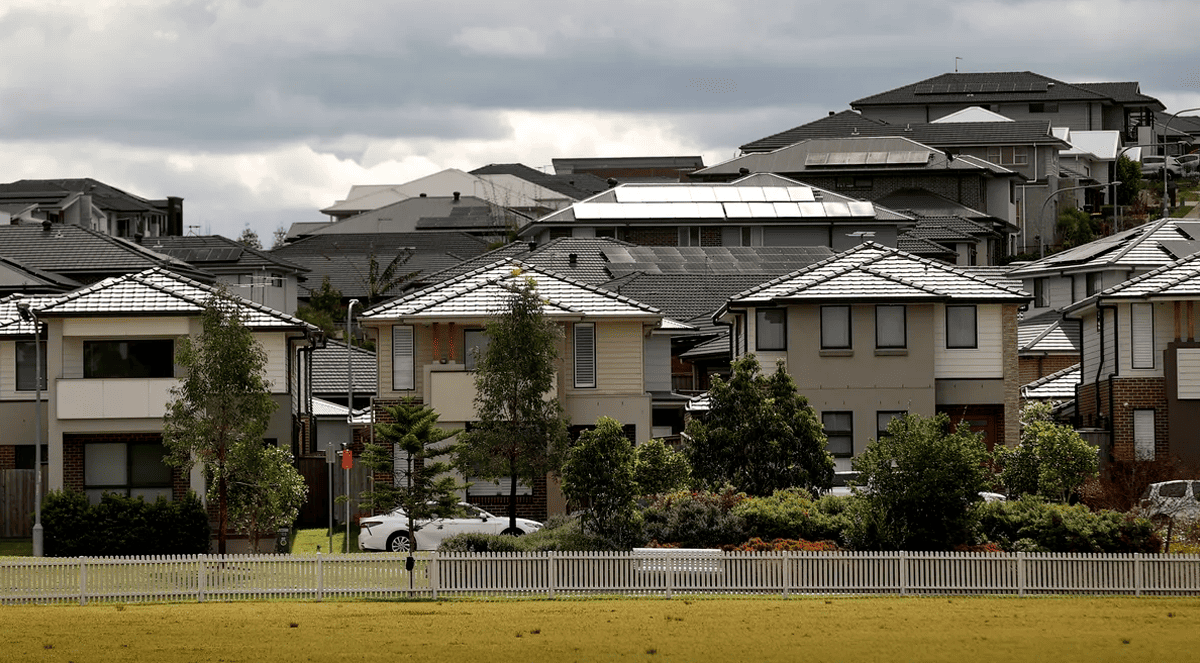
A new petition to Parliament calls on the Federal Government to abolish the Goods and Services Tax on new housing construction, arguing the move would do more to improve affordability and boost supply than the controversial negative gearing and capital gains tax reforms.
The campaign, led by tax and investment advisory firm SMATS Group, comes as debate intensifies over the Albanese Government's proposed housing tax changes.
Those changes, currently before parliament, would abolish negative gearing for future purchases of existing residential property and replace the 50% capital gains tax discount with a new inflation-indexed system from July 2027.
The details
The Albanese Government argues its proposed changes to negative gearing and CGT will make it easier for first-home buyers to enter the market by making property investment in existing homes less attractive.
However, critics say the real problem is not investor demand but the cost of building new homes.
"The reality is Australia does not have a demand problem, it has a supply problem," says SMATS Group Executive Chairman Steve Douglas.
"If governments genuinely want to improve affordability, they need to make it cheaper and easier to build housing at scale."

Image by SMATS Group
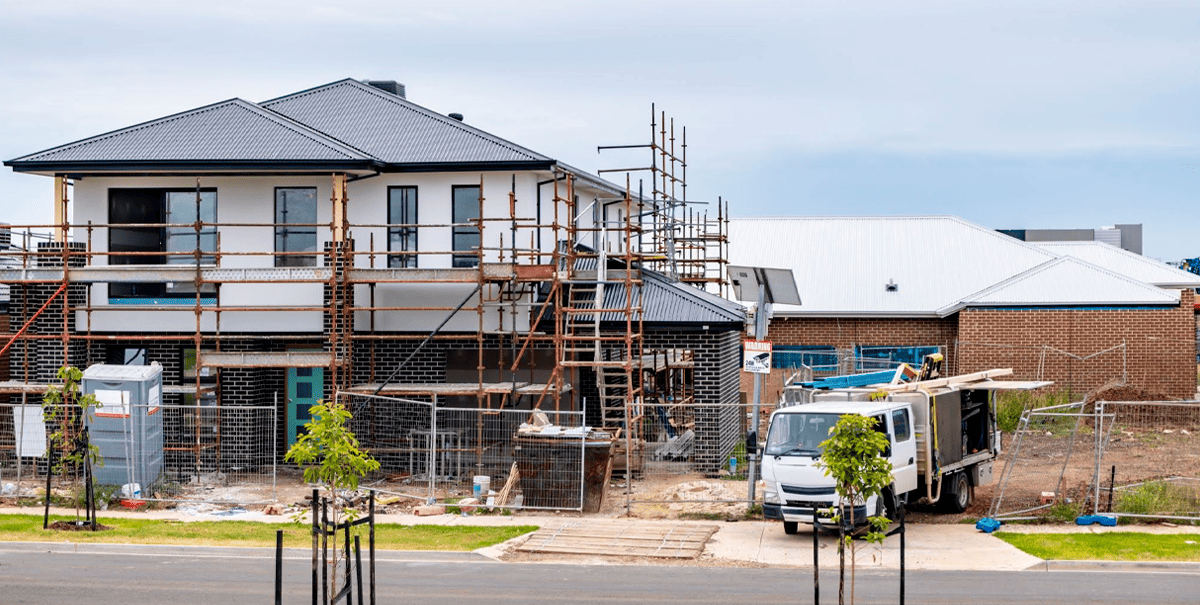
At the centre of the campaign led by SMATS Group is a simple proposition: remove the 10% GST currently applied to new residential construction.
Under Australia's tax system, GST applies to newly built homes and apartments, but not to established residential property.
Mr Douglas argues that this creates a fundamental distortion.
"GST simply does not need to be on new residential construction as the GST revenue passes to the states and they are increasingly benefiting from the dramatic increase in stamp duty charges on the higher transaction prices currently being achieved," he says.
According to figures cited in the petition, GST can now add between $35,000 and $59,000 to the average cost of building a new house, depending on the state or territory it’s constructed in.
The estimated GST component on an average new home is:
- NSW: $50,757
- Victoria: $53,553
- Queensland: $45,469
- South Australia: $35,450
- Western Australia: $36,364
- Tasmania: $43,636
- ACT: $58,641
Using Australian Bureau of Statistics and industry data, the campaign estimates Australians paid around $7.4 billion in GST on residential construction during the 2024-25 financial year.
The petition claims removing GST would "immediately reduce the cost of building a home by 10%" and cut the price of new apartments by approximately 6 to 7% under current GST margin scheme arrangements.
Supply versus demand
The GST proposal arrives at a time when much of the national housing debate is focused on demand-side measures, with the Government's proposed negative gearing and CGT reforms designed to reduce investor demand for existing housing while preserving tax incentives for newly constructed homes.
However, SMATS Group’s Steve Douglas argues that politicians are focusing on the wrong side of the equation.
"No government, current or previous, of either major party, can claim it has solved housing affordability," he says.
"We've had decades of rising prices, worsening supply shortages and increasing barriers to entry for younger Australians."
The campaign argues that taxes, infrastructure charges, planning costs, labour shortages and escalating construction expenses have combined to make many residential projects financially marginal.
Removing GST, proponents say, could improve development feasibility, increase housing supply and reduce the need for governments to subsidise buyers through various affordability schemes.
One of the more controversial aspects of the proposal is the claim that removing GST from residential construction would have little or no net impact on government budgets.
GST revenue is collected federally but distributed to the states and territories.
The petition argues that any reduction in GST revenue would be offset by broader growth in the national GST pool, rising stamp duty collections and increased construction activity.
According to Budget forecasts cited by the campaign, GST collections are expected to increase from $99.3 billion in 2025-26 to $109.2 billion in 2026-27 - an increase of almost $10 billion in a single year.
The petition also argues that state governments are already benefiting from rapidly rising stamp duty revenues as property values increase.
At present, many new homes attract both GST and stamp duty, creating what Mr Douglas describes as a "double dip" tax burden on newly created housing supply.
Perhaps the most politically significant aspect of the campaign is its suggestion that GST reform could make many of the Government's proposed investor tax changes unnecessary.
The petition argues that removing GST from new housing construction would provide an immediate reduction in housing costs, while allowing policymakers more time to assess the likely consequences of the negative gearing and CGT reforms.
"Changes to CGT and Negative Gearing would be best considered in a market where there was an oversupply of new builds and high vacancy rates in the rental market," the petition states.
"That is not where we are currently finding ourselves."
The campaign also warns that reducing investor participation before supply shortages have been resolved could worsen rental market pressures if fewer landlords enter the market.
The proposal reflects a broader frustration across parts of the property and construction industry that Australia's housing debate has become increasingly focused on who buys homes rather than how more homes can be built.
Recent industry modelling commissioned by groups including Master Builders Australia, the Property Council and the Real Estate Institute of Australia has argued that the Government's investor tax reforms could reduce housing supply and place upward pressure on rents.
Supporters of GST reform believe removing the tax would directly target the economics of new housing delivery.
The petition concludes that abolishing GST on residential construction would deliver "an immediate and permanent reduction in the cost of new build property", improve affordability for first-home buyers, encourage additional housing supply and reduce pressure on both home prices and rents at a time when housing affordability remains one of Australia's most pressing economic challenges.




.jpg?width=1920&height=1080&name=WTF%20Is%20Happening%20To%20The%20Housing%20Market!%20$500%20Billion%20Wiped%20Out%20As%20Prices%20Fall%20Faster%20Every%20Month%20Scott%20Kuru%20YPU%20027%20(1).jpg)

%20Scott%20Kuru%20YPU%20025.jpg?width=1920&height=1080&name=This%20Is%20Worse%20Than%20A%20Recession%20RBA%20Admits%20Australias%20Wage%20Collapse%20Cant%20Be%20Stopped%20(Prepare%20Now)%20Scott%20Kuru%20YPU%20025.jpg)




























.jpg?width=1920&height=1080&name=EXPOSED%20How%20The%20Govt%20Let%20These%20Oil%20Giants%20Get%20Away%20With%20Paying%20Zero%20Tax%20For%20Aussie%20Gas%20Scott%20Kuru%20DPU%20256%20(1).jpg)







%20Scott%20Kuru%20DPU%20248.jpg?width=1920&height=1080&name=Major%20Banks%20CAUGHT%20Preparing%20For%20Australia%E2%80%99s%20Biggest%20Housing%20Crash%20(Defaults%20%26%20Bankruptcies%20Coming)%20Scott%20Kuru%20DPU%20248.jpg)
%20Scott%20Kuru%20DPU%20247.jpg?width=1920&height=1080&name=This%20Is%20How%20Australia%20Gets%20Pushed%20Into%20the%20Next%20Big%20Reset%20(Trust%20Collapse%20Has%20Officially%20Begun)%20Scott%20Kuru%20DPU%20247.jpg)







%20Scott%20Kuru%20DPU%20239.jpg?width=1920&height=1080&name=URGENT%20Life%20In%20Australia%20Has%20Become%20Impossible%20For%20Millions%20Of%20Aussies%20(It%E2%80%99s%20About%20To%20Get%20Worse)%20Scott%20Kuru%20DPU%20239.jpg)









%20Scott%20Kuru%20DPU%20227.jpg?width=1920&height=1080&name=URGENT%20ALERT%20Australia%E2%80%99s%20Property%20Market%20Is%20Sliding%20Into%20Something%20Much%20Bigger%20(Prepare%20Now)%20Scott%20Kuru%20DPU%20227.jpg)





%20Scott%20Kuru%20DPU%20221.jpg?width=1920&height=1080&name=The%20AI%20Situation%20in%20Australia%20Just%20Hit%20a%20Point%20of%20No%20Return...%20(Major%20Bank%20Proves%20It)%20Scott%20Kuru%20DPU%20221.jpg)