








.png?width=292&height=292&name=Copy%20Link%20(1).png)

 SIGN UP FOR FREE NEWSLETTER
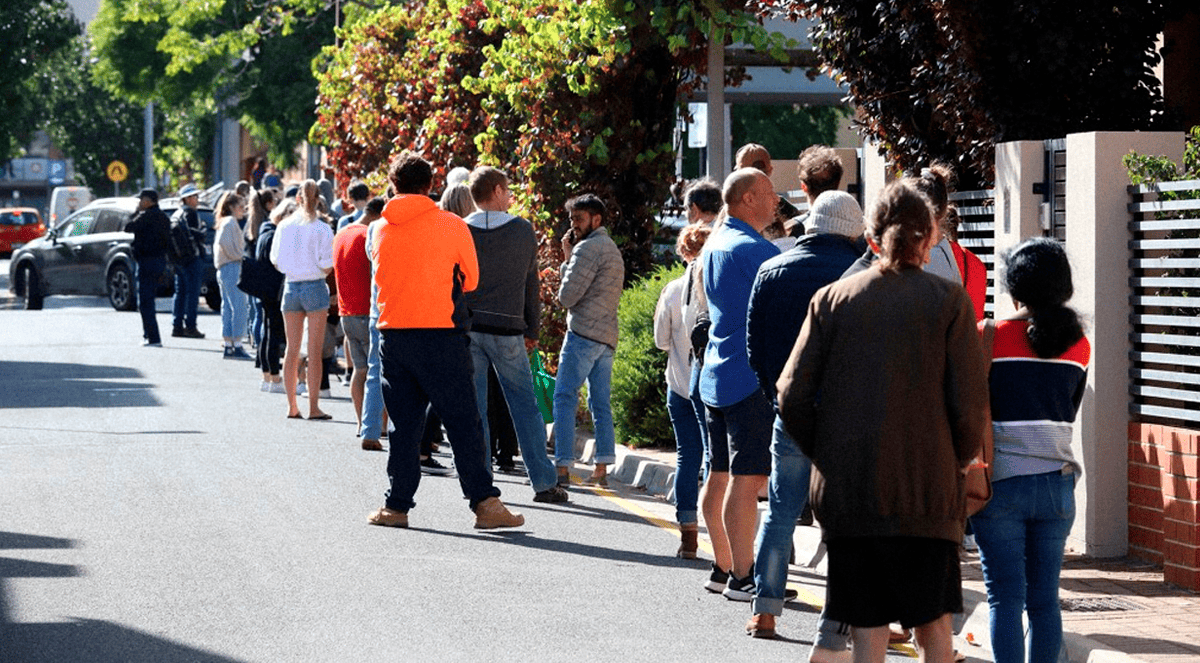
Image by Tony Lewis/InDaily
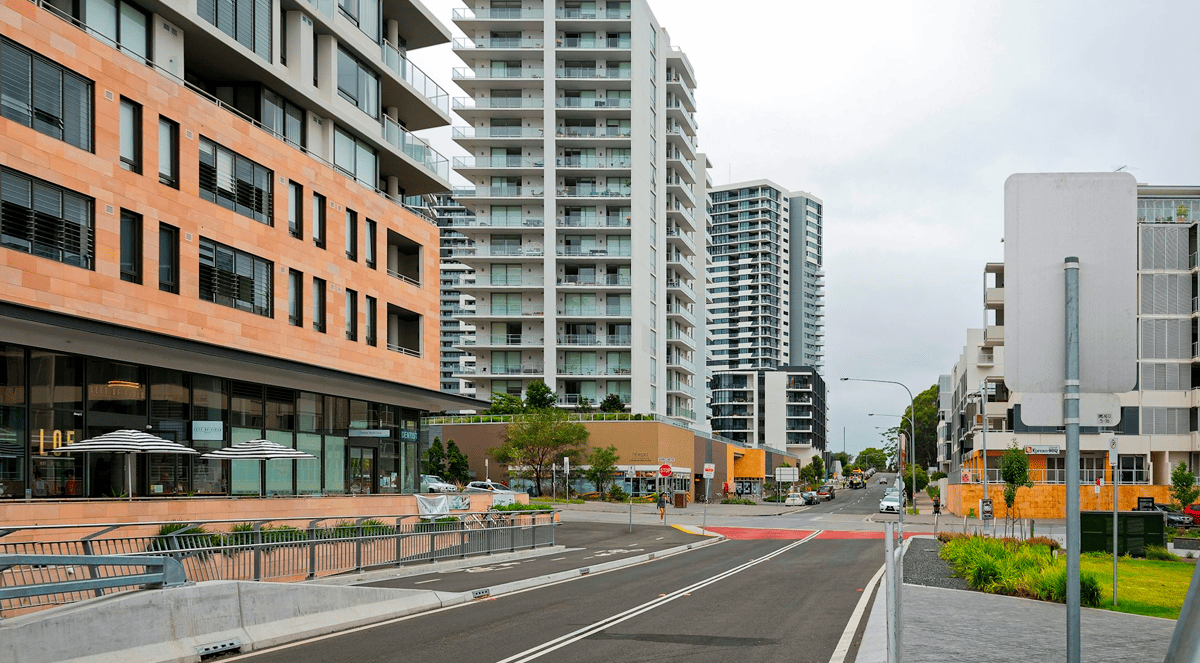
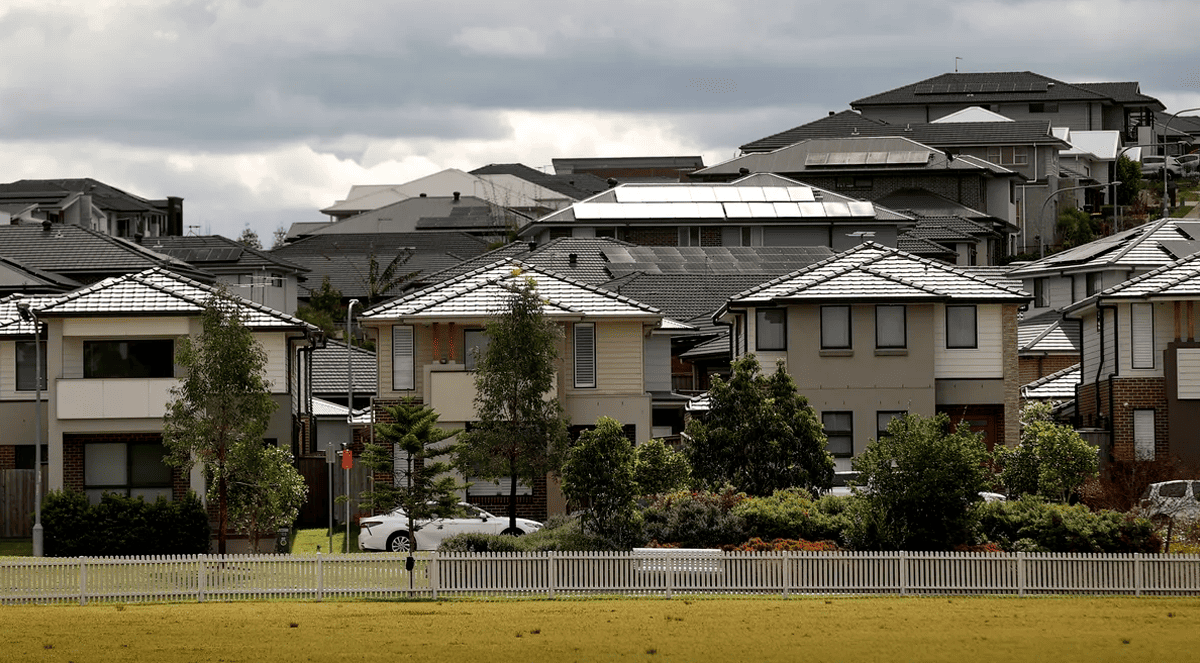
Housing affordability has deteriorated sharply, with the average Australian family now spending more than half its income servicing a home loan, according to the Real Estate Institute of Australia.
The data comes from the REIA’s latest Housing Affordability Report, covering the March quarter of 2026.
While the situation has deteriorated for home buyers, the REIA says its data shows rental affordability has remained largely stable.
However, the Institute warns that policy changes in the May Federal Budget aimed at property investors could see conditions worsen for tenants in the years ahead.
The details
Jacob Caine, the President of the Real Estate Institute of Australia, says the decline in affordability during the first three months of 2026 was driven primarily by the Reserve Bank of Australia’s two cash rate increases during the quarter - in February and March.
The RBA subsequently increased the cash rate again by another 0.25% in May 2026.
“The proportion of median family income required to service the average home loan has risen to 50.8%, highlighting the significant pressure higher interest rates are placing on household budgets,” Mr Caine says.
“The RBA increased the cash rate twice during the quarter, and this has flowed directly through to borrowing costs, lifting mortgage repayments and reducing affordability.”
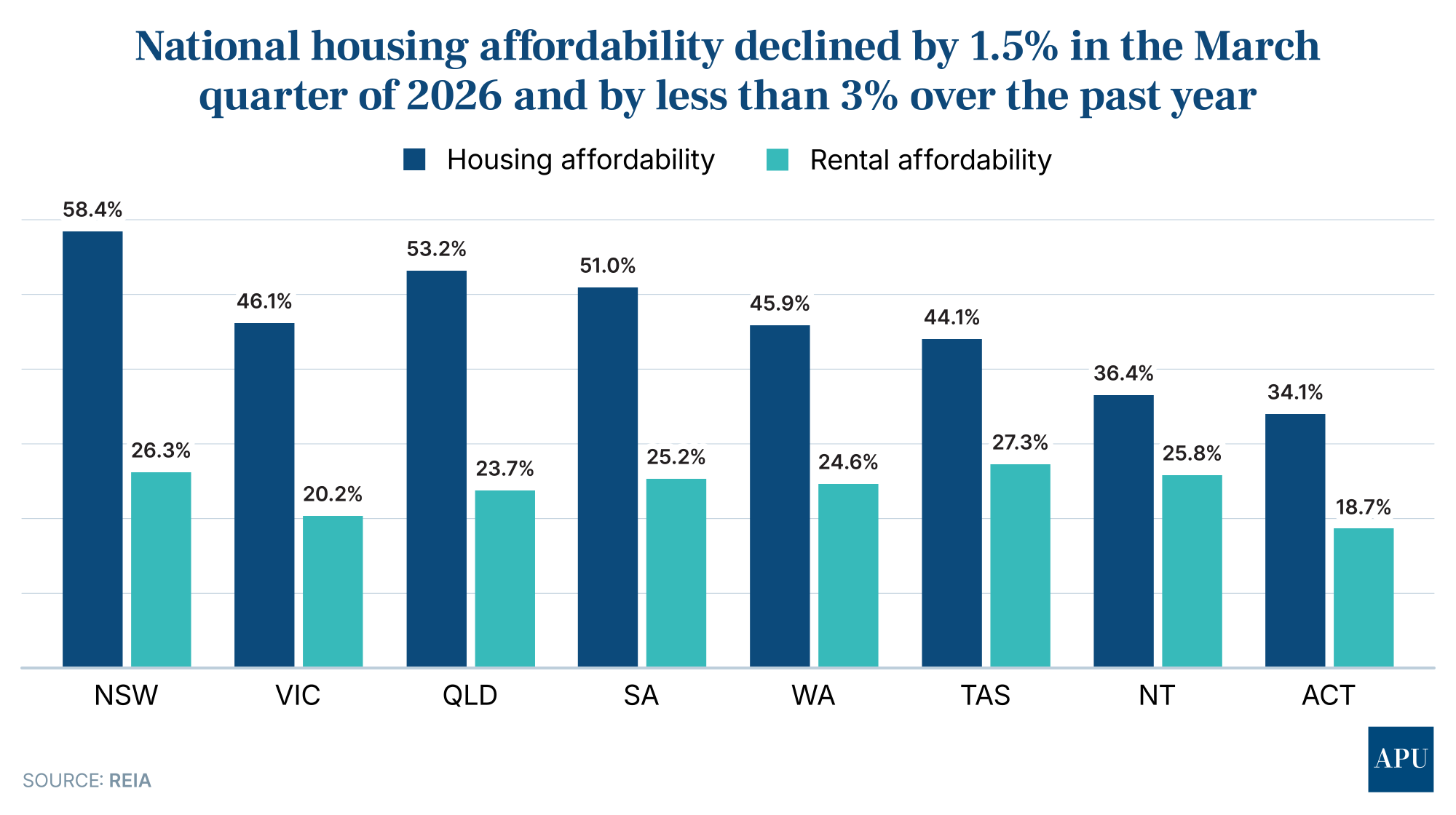
The REIA report shows affordability declined by 1.5% over the quarter and 2.9% over the past year, reversing improvements seen throughout much of 2025.
The Institute says, with the standard variable mortgage interest rate rising to 8.5%, the average monthly loan repayment has reached $5,927 - up 11.3% over the past 12 months.
“Housing affordability is highly sensitive to interest rate movements, and the March quarter demonstrates just how quickly conditions can deteriorate when rates rise,” Mr Caine says.
The Housing Affordability report shows declines across every state and territory, with the largest falls recorded in Tasmania and the Northern Territory.
However, New South Wales remains the least affordable state for home buyers by a big margin, with the median family having to set aside an astonishing 58.4% of household income to service a mortgage.
Queensland is second worst on 53.2%, followed by South Australia on 51%.
The most affordable jurisdiction for housing is the ACT, at 34.1%.
However, that is likely to have more to do with higher average household incomes in Canberra than genuinely affordable house and unit prices.
The report also showed a moderation in first-home buyer activity over the quarter.
That followed a large influx of first-home buyers in the December quarter of 2025, following the expansion of the Albanese Government's 5% Deposit Scheme.
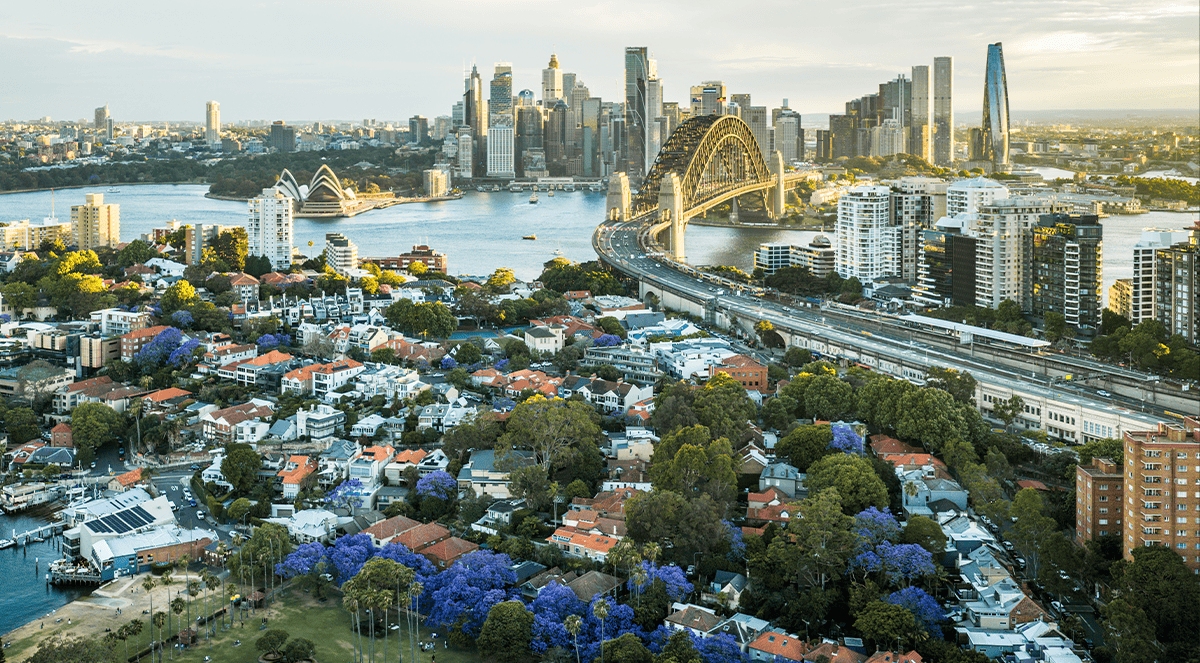
Rental affordability
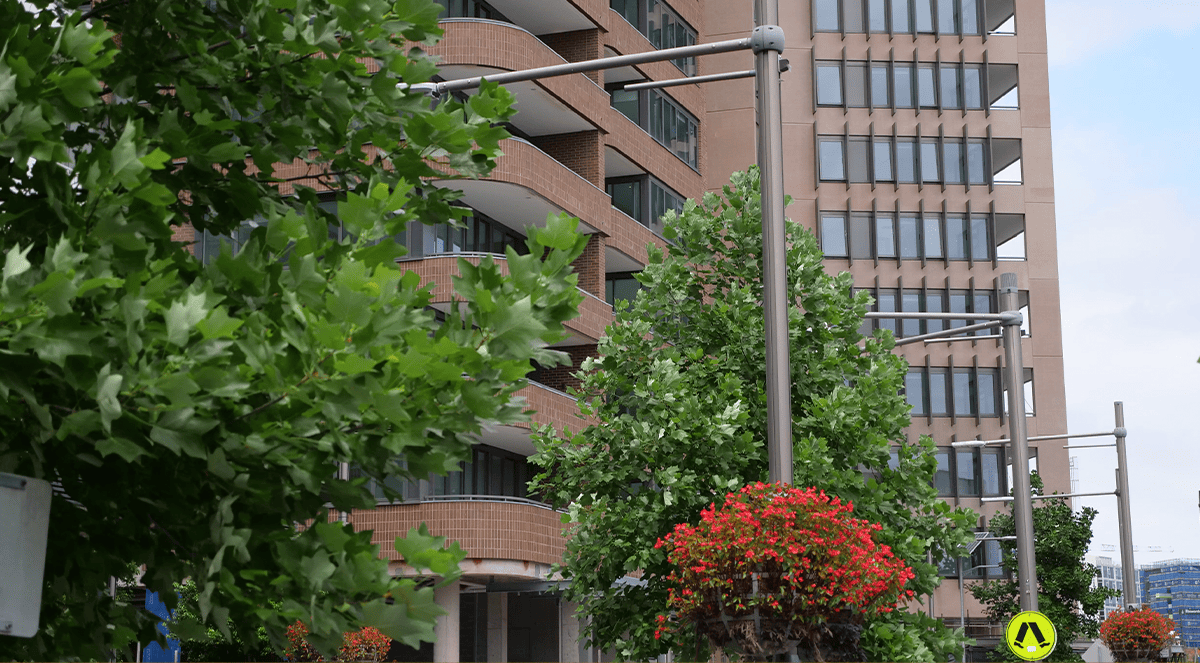
Despite pressures on buyers, the REIA says rental affordability has remained relatively stable.
The proportion of median family income required to meet median rent increased only marginally over the March quarter of 2026 to 23.9%, remaining largely unchanged over the past year.
However, the Institute has cautioned that policy changes at the Federal level are expected to place upward pressure on rents in the coming years.
Economic modelling commissioned by the REIA, the Property Council of Australia, the Housing Industry Association and Master Builders Australia suggests rents could increase by up to $9 per week over the next four years.
The increases are the expected response to tax changes in the 2026 Federal Budget to negative gearing and the CGT discount for investors who buy existing property.
“While rental conditions appear stable for now, there are clear concerns about the medium-term outlook,” Mr Caine says.
“Independent modelling indicates that the proposed tax reforms will reduce housing supply and push rents higher, adding further pressure to renters already facing cost-of-living challenges.”
Mr Caine said the findings reinforce the need for a coordinated policy approach to improve housing affordability over the long term.
“Rising interest rates are now compounding existing affordability challenges,” he said.
“Addressing affordability requires a sustained focus on increasing housing supply, alongside stable and predictable policy settings that support investment into housing.”




.jpg?width=1920&height=1080&name=WTF%20Is%20Happening%20To%20The%20Housing%20Market!%20$500%20Billion%20Wiped%20Out%20As%20Prices%20Fall%20Faster%20Every%20Month%20Scott%20Kuru%20YPU%20027%20(1).jpg)
%20Scott%20Kuru%20YPU%20025.jpg?width=1920&height=1080&name=This%20Is%20Worse%20Than%20A%20Recession%20RBA%20Admits%20Australias%20Wage%20Collapse%20Cant%20Be%20Stopped%20(Prepare%20Now)%20Scott%20Kuru%20YPU%20025.jpg)
























.jpg?width=1920&height=1080&name=EXPOSED%20How%20The%20Govt%20Let%20These%20Oil%20Giants%20Get%20Away%20With%20Paying%20Zero%20Tax%20For%20Aussie%20Gas%20Scott%20Kuru%20DPU%20256%20(1).jpg)





%20Scott%20Kuru%20DPU%20248.jpg?width=1920&height=1080&name=Major%20Banks%20CAUGHT%20Preparing%20For%20Australia%E2%80%99s%20Biggest%20Housing%20Crash%20(Defaults%20%26%20Bankruptcies%20Coming)%20Scott%20Kuru%20DPU%20248.jpg)
%20Scott%20Kuru%20DPU%20247.jpg?width=1920&height=1080&name=This%20Is%20How%20Australia%20Gets%20Pushed%20Into%20the%20Next%20Big%20Reset%20(Trust%20Collapse%20Has%20Officially%20Begun)%20Scott%20Kuru%20DPU%20247.jpg)







%20Scott%20Kuru%20DPU%20239.jpg?width=1920&height=1080&name=URGENT%20Life%20In%20Australia%20Has%20Become%20Impossible%20For%20Millions%20Of%20Aussies%20(It%E2%80%99s%20About%20To%20Get%20Worse)%20Scott%20Kuru%20DPU%20239.jpg)









%20Scott%20Kuru%20DPU%20227.jpg?width=1920&height=1080&name=URGENT%20ALERT%20Australia%E2%80%99s%20Property%20Market%20Is%20Sliding%20Into%20Something%20Much%20Bigger%20(Prepare%20Now)%20Scott%20Kuru%20DPU%20227.jpg)





%20Scott%20Kuru%20DPU%20221.jpg?width=1920&height=1080&name=The%20AI%20Situation%20in%20Australia%20Just%20Hit%20a%20Point%20of%20No%20Return...%20(Major%20Bank%20Proves%20It)%20Scott%20Kuru%20DPU%20221.jpg)