









.png?width=292&height=292&name=Copy%20Link%20(1).png)

 SIGN UP FOR FREE NEWSLETTER
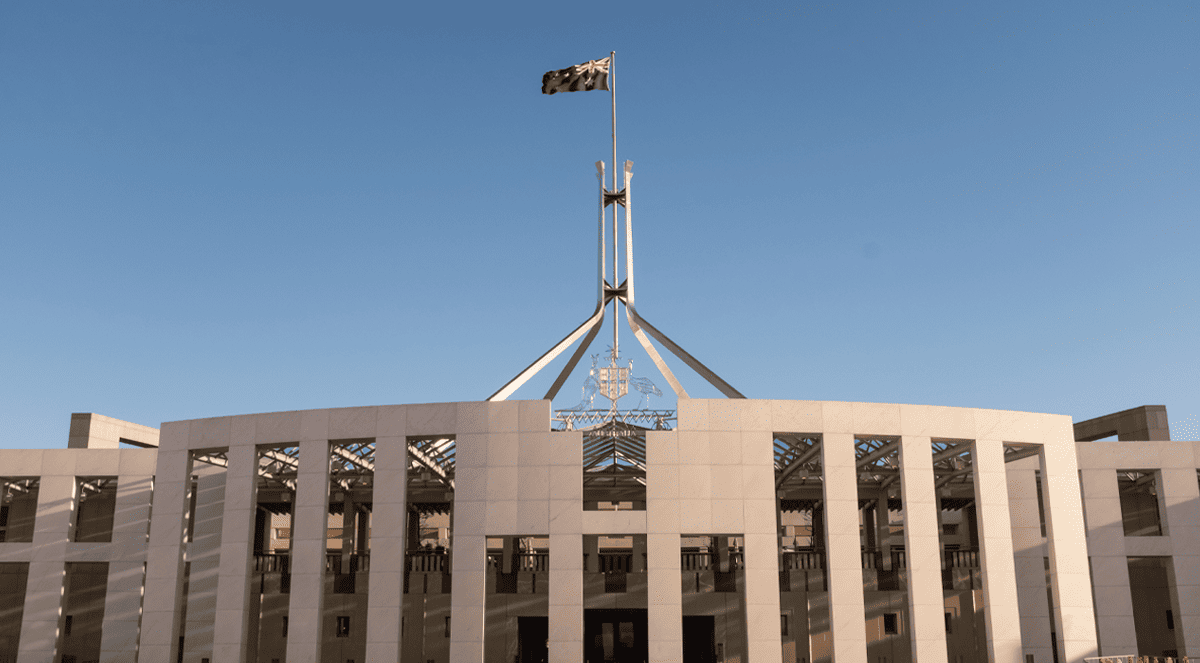
A group representing property investors has launched a fresh attack on the Albanese Government’s proposed negative gearing and capital gains tax reforms, warning they could create a “two-tier” housing market, distort investment decisions and ultimately worsen housing shortages in some parts of the country.
The concerns have been outlined in a formal submission to the Senate Economics Legislation Committee by the Property Investors Council of Australia (PICA).
The non-profit body, which includes board members with strong ties to the property investment industry, says it represents the interests of more than 2.3 million property investors nationwide.
The details
PICA says the Albanese Government’s proposed reforms are based on a flawed understanding of Australia’s housing challenges and risk producing “significant unintended consequences across the housing system and broader economy”.
The legislation currently before Parliament would abolish negative gearing for future purchases of existing residential investment properties from July 2027 and replace the long-standing 50% capital gains tax discount with a new inflation-indexed system.
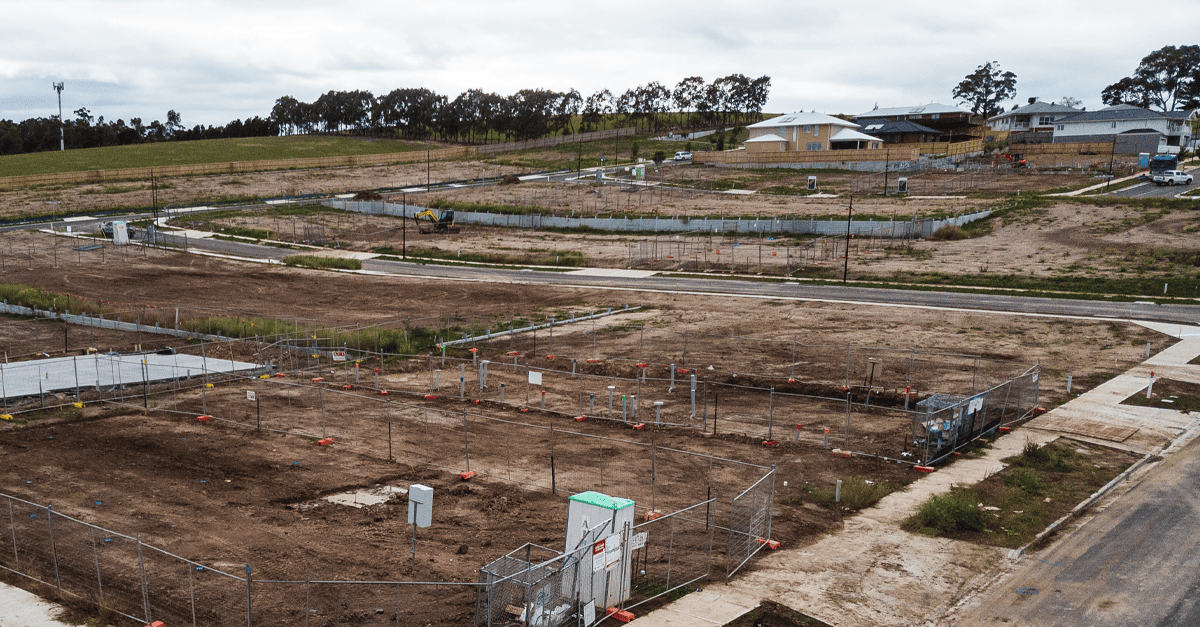
Investors purchasing newly-built housing would continue to receive preferential tax treatment, with negative gearing retained for qualifying new construction.
The Government says the changes are designed to improve housing affordability and encourage more investment into new housing supply.
But PICA argues this could create a “two-tier” market.
“The reforms create a policy-induced two-tier investment market by reserving the strongest investor tax treatment for newly built dwellings while materially reducing the attractiveness of established stock for future investors,” the submission states.
According to PICA, the changes do not simply redirect investment towards new housing, but fundamentally alter the after-tax economics of different property types.
The organisation argues this risks encouraging investment decisions based on tax outcomes rather than underlying property fundamentals such as location, land value and long-term scarcity.
“The central weakness in the policy design is that it privileges ‘newness’ rather than investment quality,” the submission says.
Rental market concerns
One of the strongest themes running through PICA’s submission is the potential impact on rental supply.
The group argues the reforms could reduce investor-owned rental housing in established suburbs close to employment centres, transport infrastructure and major services.

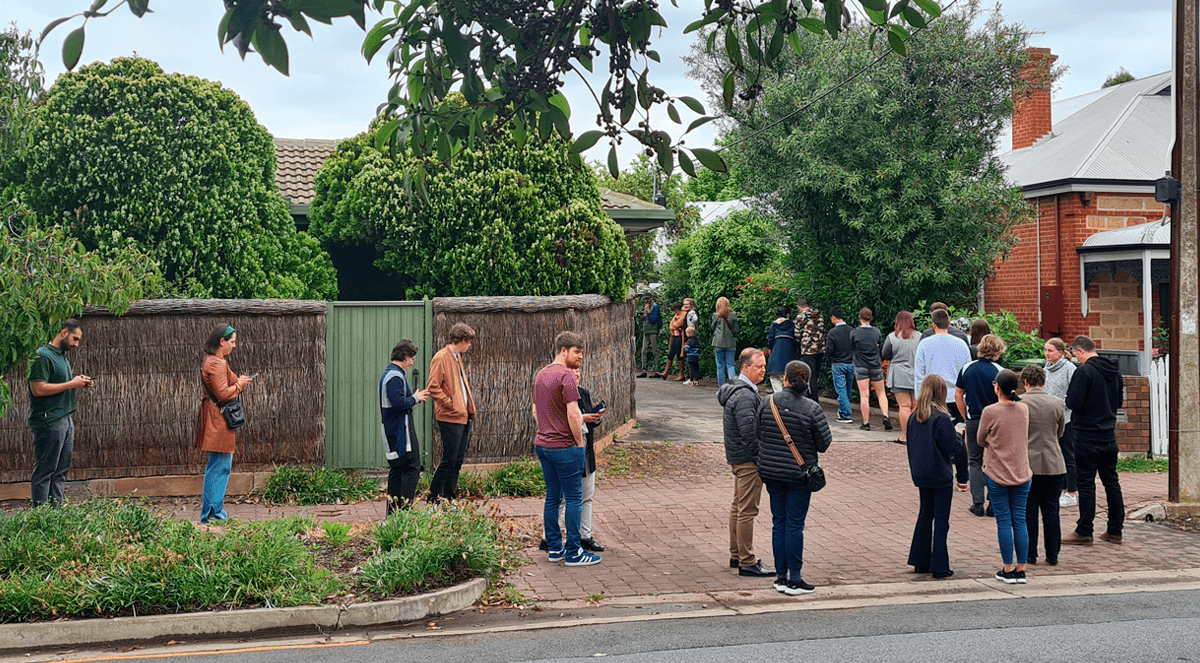
Image by Michael Perini/realestate.com.au
The submission warns this could create what it describes as a “two-speed rental market”, with tighter rental supply and much higher rents in established high-demand locations, while new property investment becomes increasingly concentrated in newly-built apartments and growth-corridor developments.
“The critical issue is not simply whether supply rises or falls in aggregate, but whether it is delivered in the right locations and dwelling types relative to tenant demand,” the submission states.
Treasury modelling in focus
PICA’s submission also challenges one of the Government’s central justifications for the reforms; that they will help increase housing supply.
It points to Treasury modelling suggesting the tax changes could result in approximately 35,000 fewer homes being built over the next decade.
“If the tax reforms themselves reduce the number of dwellings built, then the Government cannot credibly present the package as a straightforward supply solution,” the submission says.
PICA argues that transferring ownership of existing dwellings from investors to owner-occupiers is not the same as increasing the overall housing stock.
Instead, it says policymakers should focus on planning reform, infrastructure delivery, workforce shortages, construction productivity and development feasibility.


Broader housing debate
The submission adds to growing opposition from sections of the property and construction industry, with organisations including Master Builders Australia, the Property Council and the Real Estate Institute of Australia also raising concerns about the potential impact of the tax reforms on housing supply and rental affordability.
However, PICA’s submission goes further by arguing that the reforms risk fundamentally reshaping investor behaviour and creating long-term distortions across different segments of the housing market.
The group is urging the Senate not to support the legislation in its current form and has called for the release of all underlying Treasury modelling and assumptions used to justify the reforms.









.jpg?width=1920&height=1080&name=WTF%20Is%20Happening%20To%20The%20Housing%20Market!%20$500%20Billion%20Wiped%20Out%20As%20Prices%20Fall%20Faster%20Every%20Month%20Scott%20Kuru%20YPU%20027%20(1).jpg)

%20Scott%20Kuru%20YPU%20025.jpg?width=1920&height=1080&name=This%20Is%20Worse%20Than%20A%20Recession%20RBA%20Admits%20Australias%20Wage%20Collapse%20Cant%20Be%20Stopped%20(Prepare%20Now)%20Scott%20Kuru%20YPU%20025.jpg)





























.jpg?width=1920&height=1080&name=EXPOSED%20How%20The%20Govt%20Let%20These%20Oil%20Giants%20Get%20Away%20With%20Paying%20Zero%20Tax%20For%20Aussie%20Gas%20Scott%20Kuru%20DPU%20256%20(1).jpg)







%20Scott%20Kuru%20DPU%20248.jpg?width=1920&height=1080&name=Major%20Banks%20CAUGHT%20Preparing%20For%20Australia%E2%80%99s%20Biggest%20Housing%20Crash%20(Defaults%20%26%20Bankruptcies%20Coming)%20Scott%20Kuru%20DPU%20248.jpg)
%20Scott%20Kuru%20DPU%20247.jpg?width=1920&height=1080&name=This%20Is%20How%20Australia%20Gets%20Pushed%20Into%20the%20Next%20Big%20Reset%20(Trust%20Collapse%20Has%20Officially%20Begun)%20Scott%20Kuru%20DPU%20247.jpg)







%20Scott%20Kuru%20DPU%20239.jpg?width=1920&height=1080&name=URGENT%20Life%20In%20Australia%20Has%20Become%20Impossible%20For%20Millions%20Of%20Aussies%20(It%E2%80%99s%20About%20To%20Get%20Worse)%20Scott%20Kuru%20DPU%20239.jpg)











%20Scott%20Kuru%20DPU%20227.jpg?width=1920&height=1080&name=URGENT%20ALERT%20Australia%E2%80%99s%20Property%20Market%20Is%20Sliding%20Into%20Something%20Much%20Bigger%20(Prepare%20Now)%20Scott%20Kuru%20DPU%20227.jpg)