









.png?width=292&height=292&name=Copy%20Link%20(1).png)

 SIGN UP FOR FREE NEWSLETTER
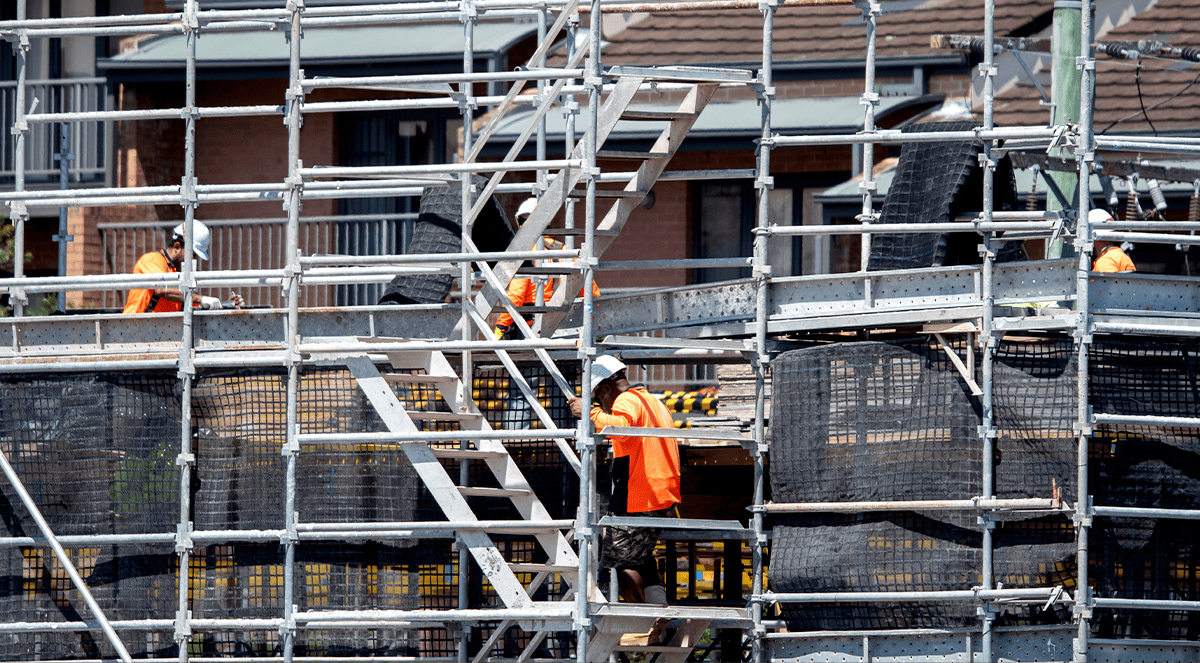
Building industry groups have welcomed moves by the Albanese Government to give construction workers greater priority in Australia’s skilled migration system.
However, they’ve also warned the changes will barely dent a labour shortage that continues to hold back housing supply.
The details
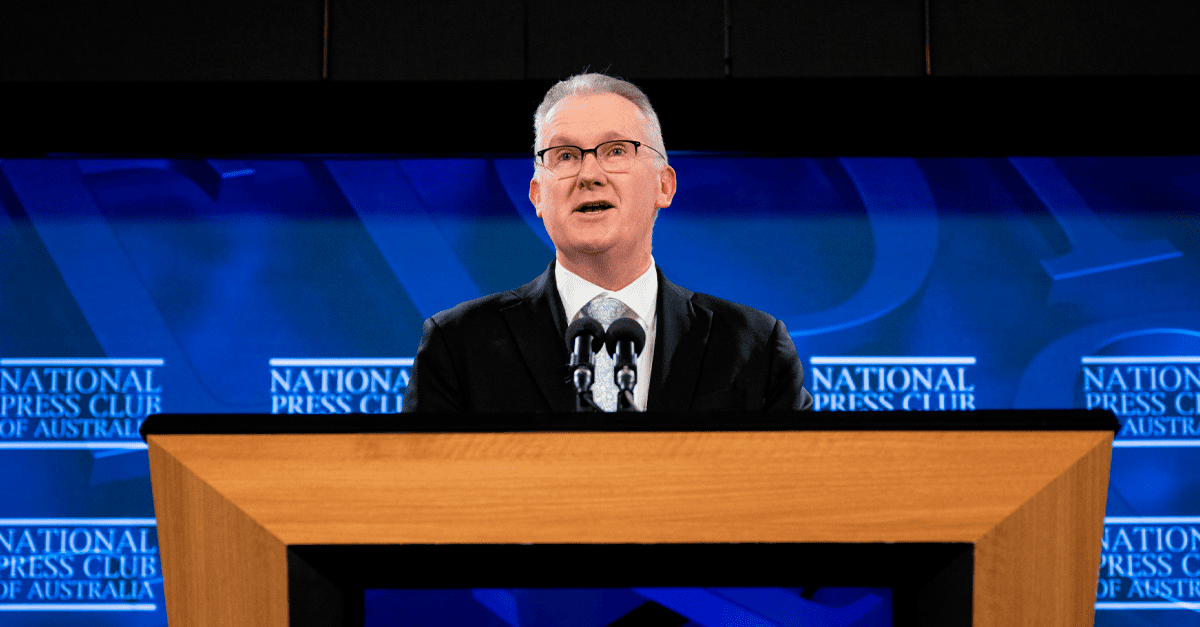
Image from NPC Australia on X
Home Affairs Minister Tony Burke announced last Thursday that housing trades would receive greater recognition under a revamped skilled migration points test.
“Whereas you normally get more points for a university course than you get for a TAFE or trade, it will be the case under the new points test that we will, on implementation, be making sure that anyone who is skilled in the housing trades will get the same number of points as though it were a university qualification,” he told the National Press Club in Canberra.
The Government is also changing visa-processing priorities to give greater weight to construction workers.
Mr Burke said Australia had already significantly increased the number of construction workers entering the country.
“We used to bring 4,500. Last financial year, the number of construction workers we brought in was just shy of 15,000,” he said.
Master Builders Australia and the Housing Industry Association have both welcomed the changes, arguing Australia needs far more skilled tradespeople if it is to have any hope of lifting home building to the levels required under the National Housing Accord.
That program aims to see 1.2 million well-located homes built over five years from mid-2024, but is already running well behind schedule.
As of March 2026, the cumulative shortfall was about 112,400 homes.
However, the scale of the construction workforce shortage suggests migration reform alone will make only a relatively small difference.
Master Builders Australia CEO Denita Wawn said the changes were a step in the right direction, but warned the existing skilled migration system was not delivering enough workers for the building industry.
“As of September 2025, around 7,040 skilled visa holders were working in core construction trade occupations nationally,” she said.
“That is a number wholly inconsistent with the scale of this challenge.”
Master Builders says the construction industry is currently short around 141,000 workers and wants the Government to go further.
Its suggestions include establishing a dedicated Construction Skills Pathway to fast-track qualified tradespeople and expanding the Pacific Australia Labour Mobility program to include non-licensed construction roles.
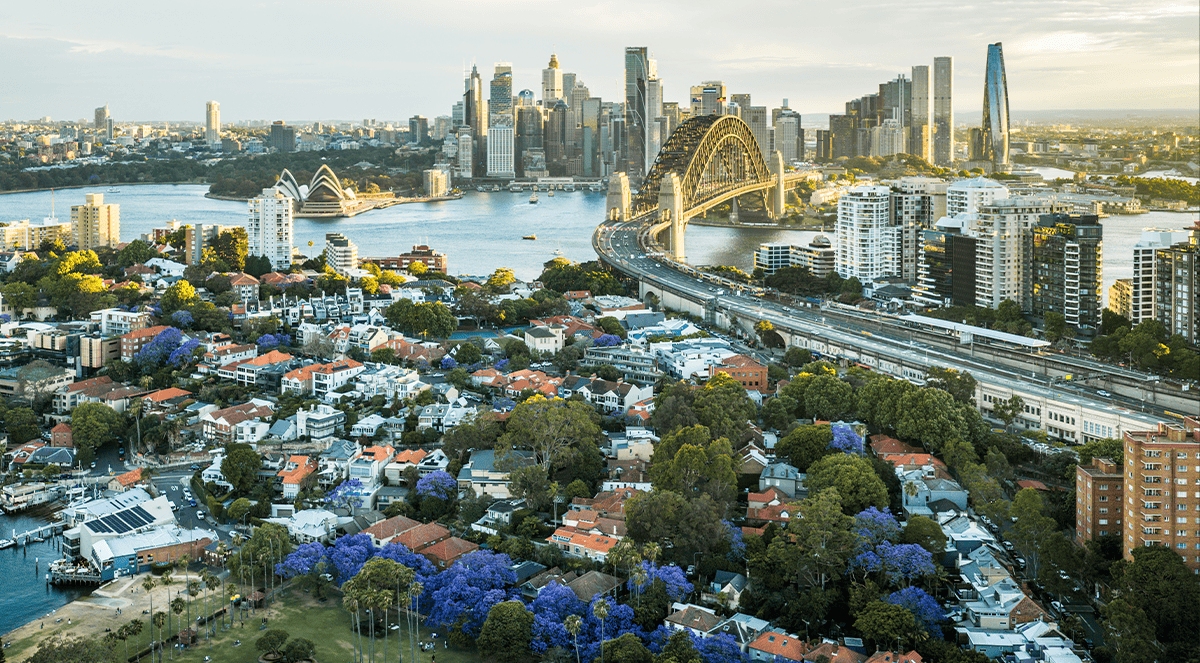
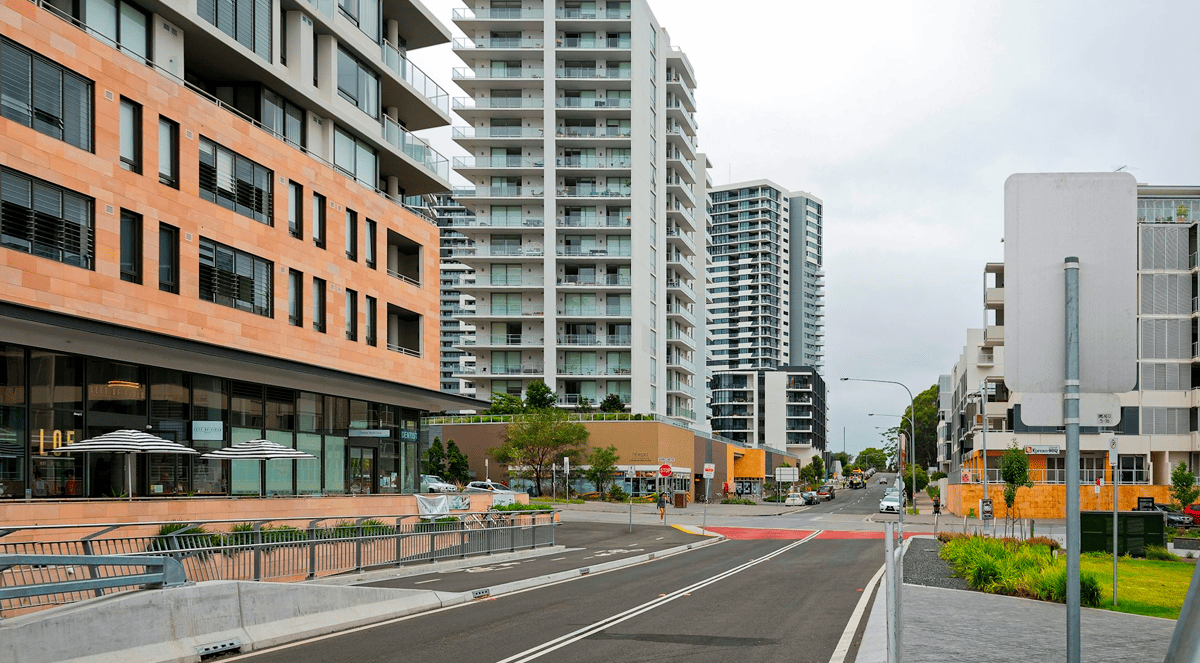

Master Builders estimates around 18,400 permanent migrants already living in Australia have building and construction qualifications, but are working below their skill level because of slow and fragmented skills recognition and licensing arrangements.
“Today’s announcement represents progress, but it will not be enough on its own to meet Australia’s housing ambitions,” Ms Wawn said.
The Housing Industry Association has separately estimated the residential construction sector needs more than 83,000 additional workers across key trades to have a realistic chance of delivering the Government’s target of 1.2 million homes.
Nevertheless, HIA Chief Economist Tim Reardon said recognising the importance of construction trades in the migration system was particularly significant for housing supply.
“Of particular importance to the residential building industry is the recognition that skilled tradespeople are essential to increasing Australia’s housing supply,” he said.
“A demand-driven migration system that continues to attract skilled construction workers to Australia, recognises their qualifications appropriately and processes their applications efficiently, will help expand the industry’s capacity to build the homes Australia needs.”
But the workforce numbers underline how large the challenge remains.
Even if construction migration continues at around the almost 15,000 workers Mr Burke says arrived last financial year, that would still represent only a relatively small contribution towards the much larger workforce shortages identified by industry groups.
Not every migrant construction worker will necessarily work in residential buildings.
The housing sector must also compete for tradespeople with infrastructure, energy, resources, defence and major projects associated with the Brisbane 2032 Olympics.
The changes come as migration remains a politically contentious issue because of its impact on housing demand.
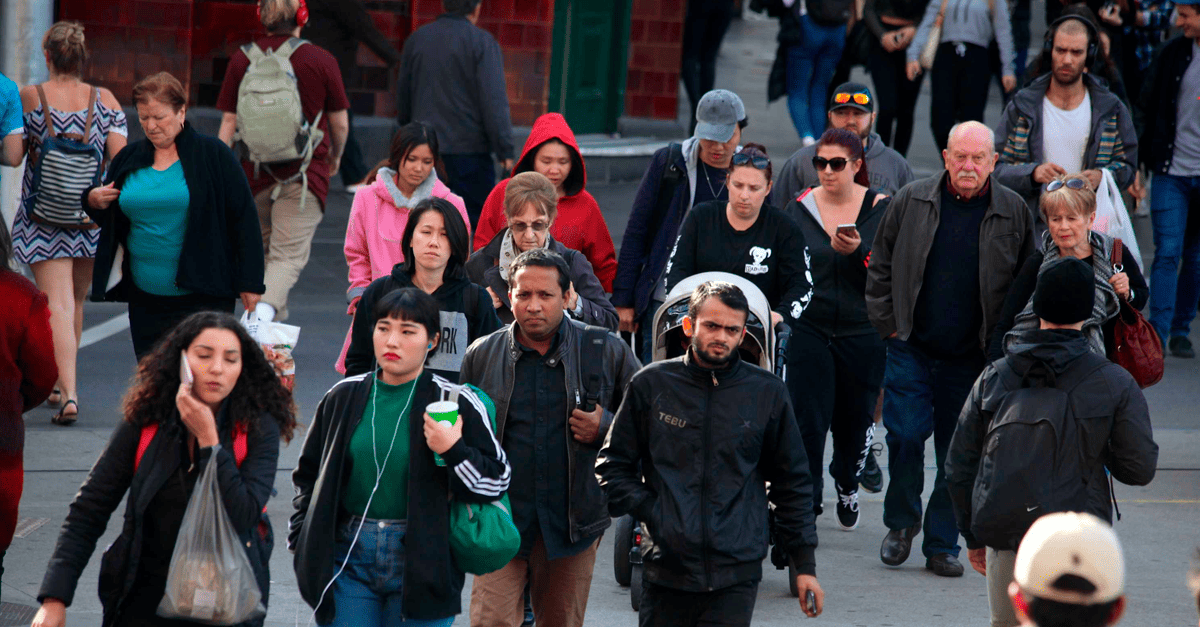
Image from ABC News/Michael Barnett
New ABS data shows Australia’s population grew by 392,700 people in the year to March 2026, with net overseas migration accounting for 292,100 of that increase.
That means migration adds to the number of people requiring housing.
But the Government and building groups argue it can also help increase supply if the migration program is better targeted towards the workers needed to construct homes.
Mr Burke said the housing shortage was not caused by immigration, but migration needed to form part of the solution.
“We need immigration. We just need to make sure that it is targeted for the needs of Australia in numbers and across the different categories that work for our economy,” he said.
South Australian Premier Peter Malinauskas has made a similar argument recently, warning that sharply cutting migration could worsen the housing shortage if Australia simultaneously reduced the supply of electricians, plumbers and other construction workers needed to build new homes.




.jpg?width=1920&height=1080&name=WTF%20Is%20Happening%20To%20The%20Housing%20Market!%20$500%20Billion%20Wiped%20Out%20As%20Prices%20Fall%20Faster%20Every%20Month%20Scott%20Kuru%20YPU%20027%20(1).jpg)

%20Scott%20Kuru%20YPU%20025.jpg?width=1920&height=1080&name=This%20Is%20Worse%20Than%20A%20Recession%20RBA%20Admits%20Australias%20Wage%20Collapse%20Cant%20Be%20Stopped%20(Prepare%20Now)%20Scott%20Kuru%20YPU%20025.jpg)





























.jpg?width=1920&height=1080&name=EXPOSED%20How%20The%20Govt%20Let%20These%20Oil%20Giants%20Get%20Away%20With%20Paying%20Zero%20Tax%20For%20Aussie%20Gas%20Scott%20Kuru%20DPU%20256%20(1).jpg)







%20Scott%20Kuru%20DPU%20248.jpg?width=1920&height=1080&name=Major%20Banks%20CAUGHT%20Preparing%20For%20Australia%E2%80%99s%20Biggest%20Housing%20Crash%20(Defaults%20%26%20Bankruptcies%20Coming)%20Scott%20Kuru%20DPU%20248.jpg)
%20Scott%20Kuru%20DPU%20247.jpg?width=1920&height=1080&name=This%20Is%20How%20Australia%20Gets%20Pushed%20Into%20the%20Next%20Big%20Reset%20(Trust%20Collapse%20Has%20Officially%20Begun)%20Scott%20Kuru%20DPU%20247.jpg)







%20Scott%20Kuru%20DPU%20239.jpg?width=1920&height=1080&name=URGENT%20Life%20In%20Australia%20Has%20Become%20Impossible%20For%20Millions%20Of%20Aussies%20(It%E2%80%99s%20About%20To%20Get%20Worse)%20Scott%20Kuru%20DPU%20239.jpg)











%20Scott%20Kuru%20DPU%20227.jpg?width=1920&height=1080&name=URGENT%20ALERT%20Australia%E2%80%99s%20Property%20Market%20Is%20Sliding%20Into%20Something%20Much%20Bigger%20(Prepare%20Now)%20Scott%20Kuru%20DPU%20227.jpg)





%20Scott%20Kuru%20DPU%20221.jpg?width=1920&height=1080&name=The%20AI%20Situation%20in%20Australia%20Just%20Hit%20a%20Point%20of%20No%20Return...%20(Major%20Bank%20Proves%20It)%20Scott%20Kuru%20DPU%20221.jpg)