









.png?width=292&height=292&name=Copy%20Link%20(1).png)

 SIGN UP FOR FREE NEWSLETTER
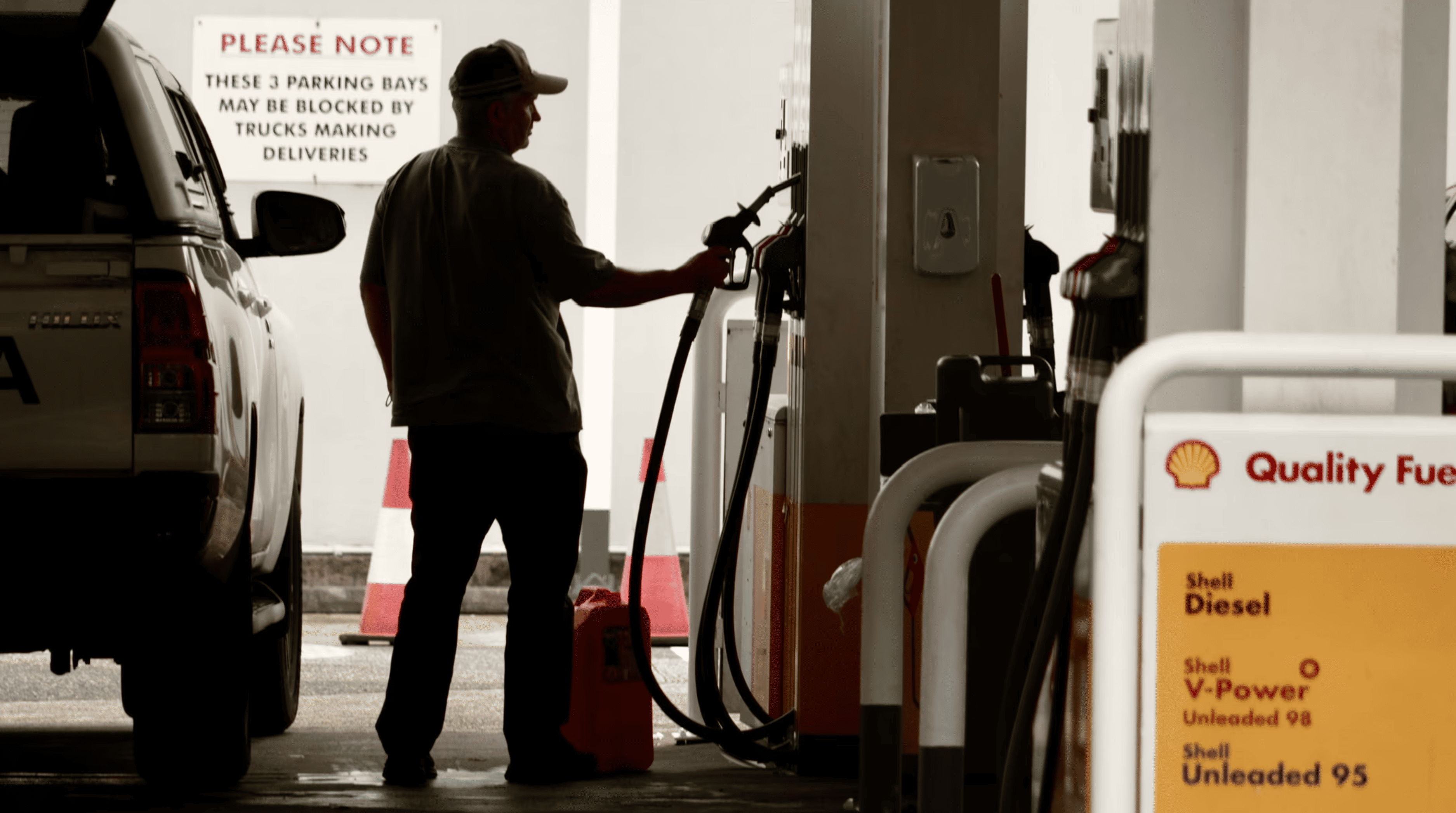
Image from ABC News/John Gunn
The Albanese government has bowed to pressure to act on the fuel supply crisis, halving the Federal fuel excise for an initial period of three months.
If the reduction is passed on fully by service stations, the cost of petrol and diesel would fall by 26.3 cents a litre.
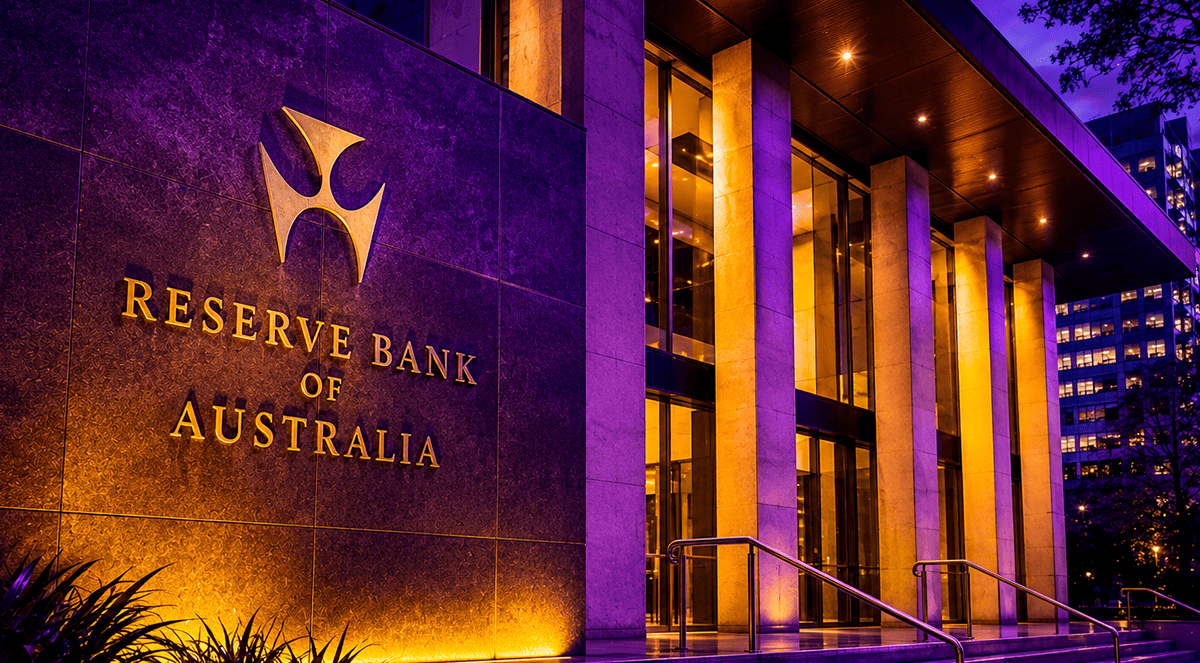
The move came as Australia’s second largest bank revised its interest rate forecasts, predicting the Reserve Bank will hike the cash rate no less than three more times this year, in a bid to tame inflation, exacerbated by war in the Middle East.
Excise cut
The Albanese government has moved to halve the federal fuel excise on petrol and diesel from April the 1st.
The fixed Federal tax - currently set at 52.6 cents a litre - will be halved to 26.3 cents for a period of three months.
"We're making fuel cheaper today because we understand that Australians are under serious pressure," Prime Minister Anthony Albanese told journalists at a press conference at Parliament House in Canberra.
The Federally-imposed heavy vehicle road user charge will also be waived for three months to help the haulage industry, as it struggles with diesel prices almost double what they were before the oil shock triggered by the US and Israeli attack on Iran.
The cost of living measures are expected to see $2.55 billion in forgone revenue and blow another hole in the Federal budget, due to be handed down in May.
If retailers pass on the fuel excise cut in full, the government says it expects the price of a full tank of fuel in an average family-sized car to fall by $19.
The fuel excise was last cut temporarily in 2022, when Russia's invasion of Ukraine sent global energy prices soaring.
The announcement was made after a meeting of the National Cabinet with state and territory leaders, which endorsed an action plan for a coordinated approach to fuel supply.
Some of the states have already introduced cost of living measures to deal with the fuel crisis, with Victoria and Tasmania both promising free public transport for one and three months respectively, in a bid to encourage commuters off the roads.
Leading independent economist Chris Richardson told the ABC motorists would love the move, but warned it could be counter-productive.
"And that sting in the tail will be the same as last time: that it keeps inflation higher for longer than it otherwise would have been."
Westpac’s grim view
Luci Ellis, the Chief Economist at Westpac - the nation’s second largest retail bank - says the fuel excise cut will make a price difference at the bowser, but sounds pessimistic about the impact of the Middle East crisis on inflation.
“The halving of fuel excise…reduces the near-term outlook for headline CPI inflation, but a peak of 5.4%yr in June quarter remains likely,” she says.
“The announcement also does not affect prices of other oil-related products, including aviation fuel and various plastics, or any price increases from damage to gas and other production facilities in non-combatant Gulf states.
“Much of the second-round pass-through of prices is therefore likely to remain in place,” she says.
Westpac now says it expects the Reserve Bank of Australia’s preferred inflation measure - the trimmed mean - which strips out volatile items - will peak at around 4% later this year, well above the RBA’s 2-3% target range.
As a result, Ms Ellis and her economic team have changed their interest rate forecast, tipping the central bank will raise rates at its meetings in June and August by 0.25% each time, in addition to the hike they were already predicting at the RBA’s next monetary policy board meeting in May.
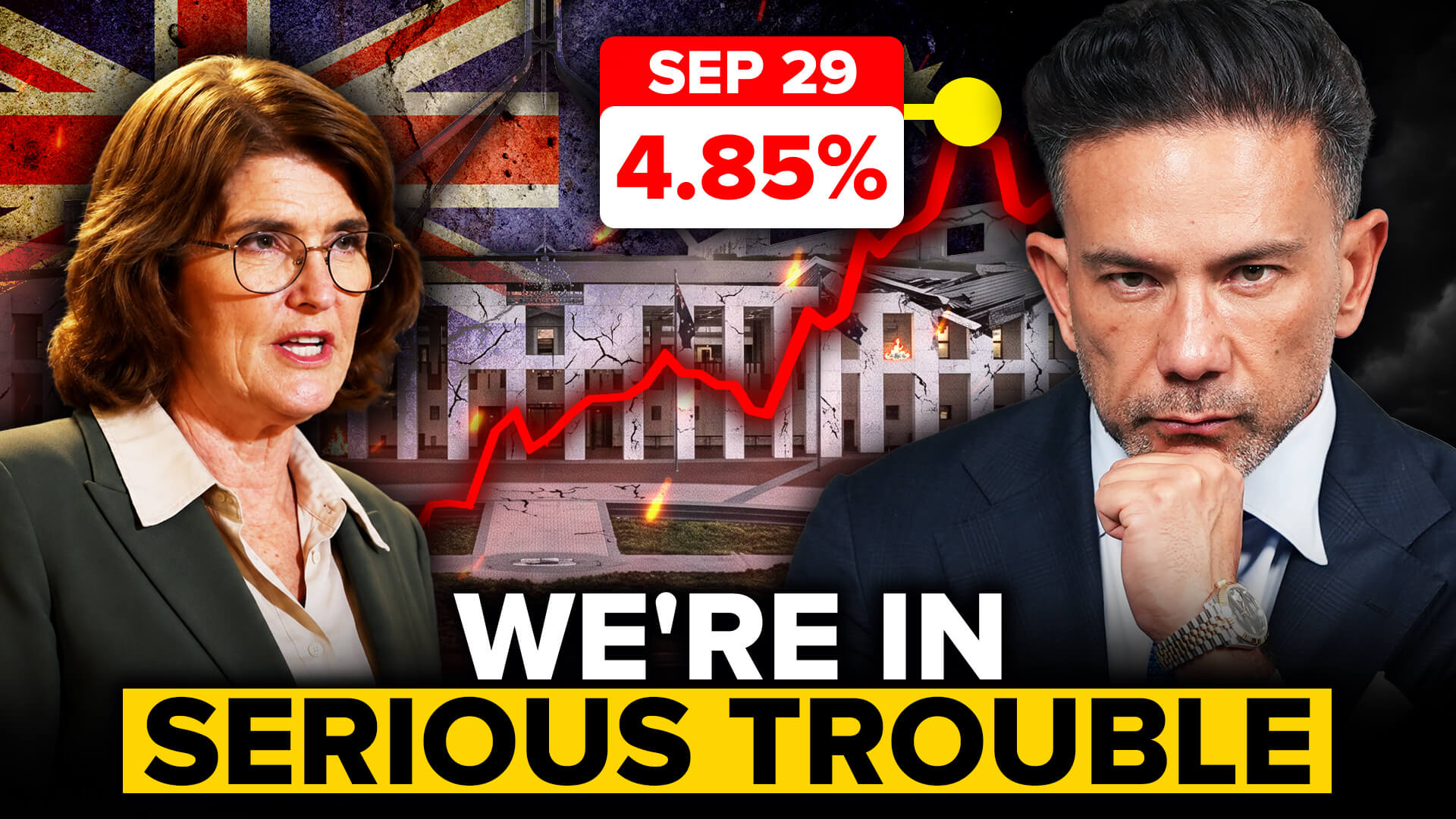
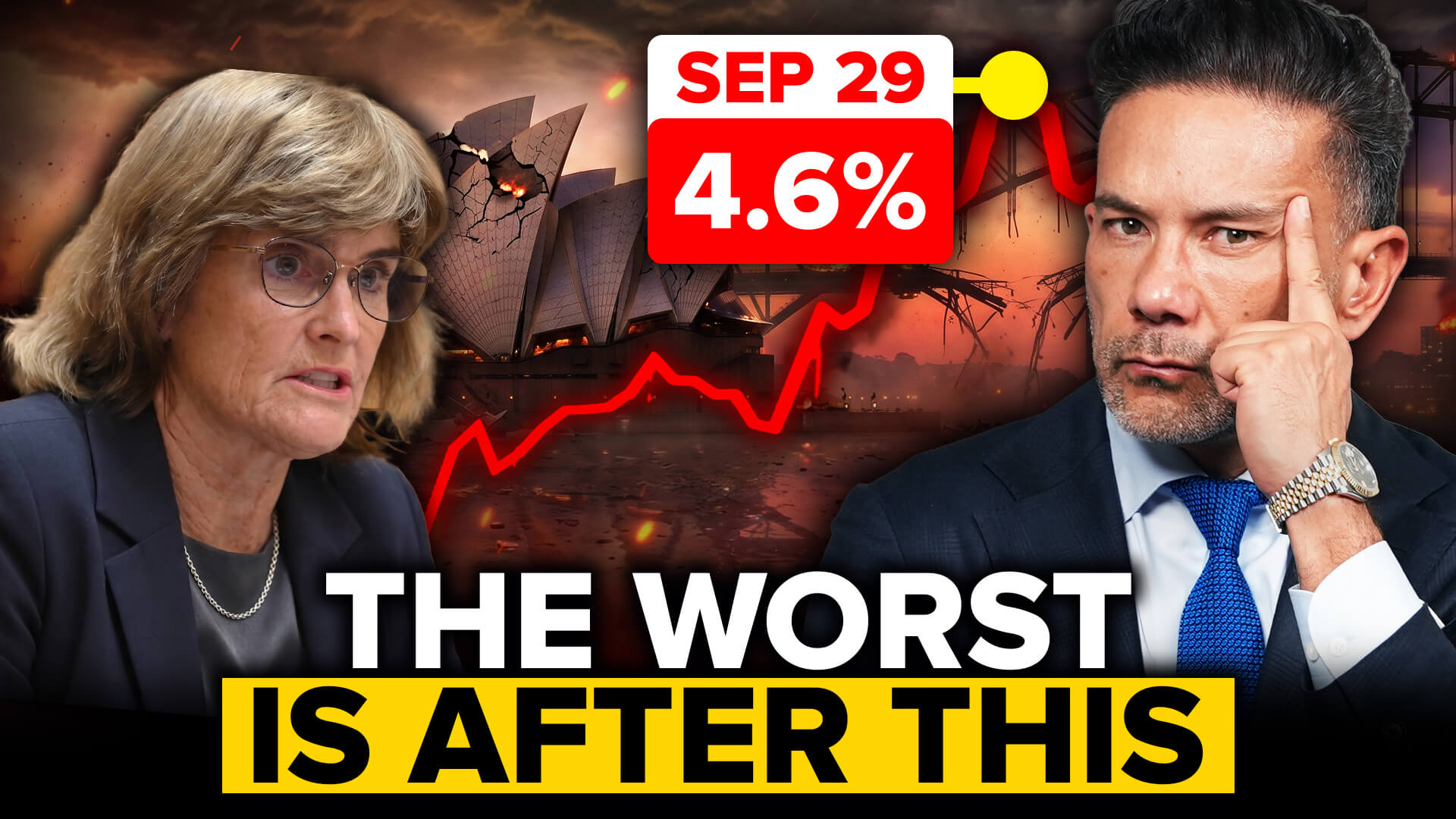
That means Westpac now expects a peak cash rate in this interest cycle of 4.85% - a level not seen in Australia since November 2008.
“Westpac is now forecasting a far more aggressive path which would take the cash rate to levels we haven’t seen since the fallout from the GFC,” says Canstar’s Data Insights Director, Sally Tindall.
“The flow-on effect of higher fuel costs has already started pushing up prices elsewhere.
“The RBA may feel like it has to act because once prices go up, they rarely come back down.
“The government might have tried to soften the blow by halving the fuel excise, however, if the RBA then goes and hikes the cash rate, it could turn into a merry-go-round of money passed from the bowser to the banks,” Ms Tindall says.
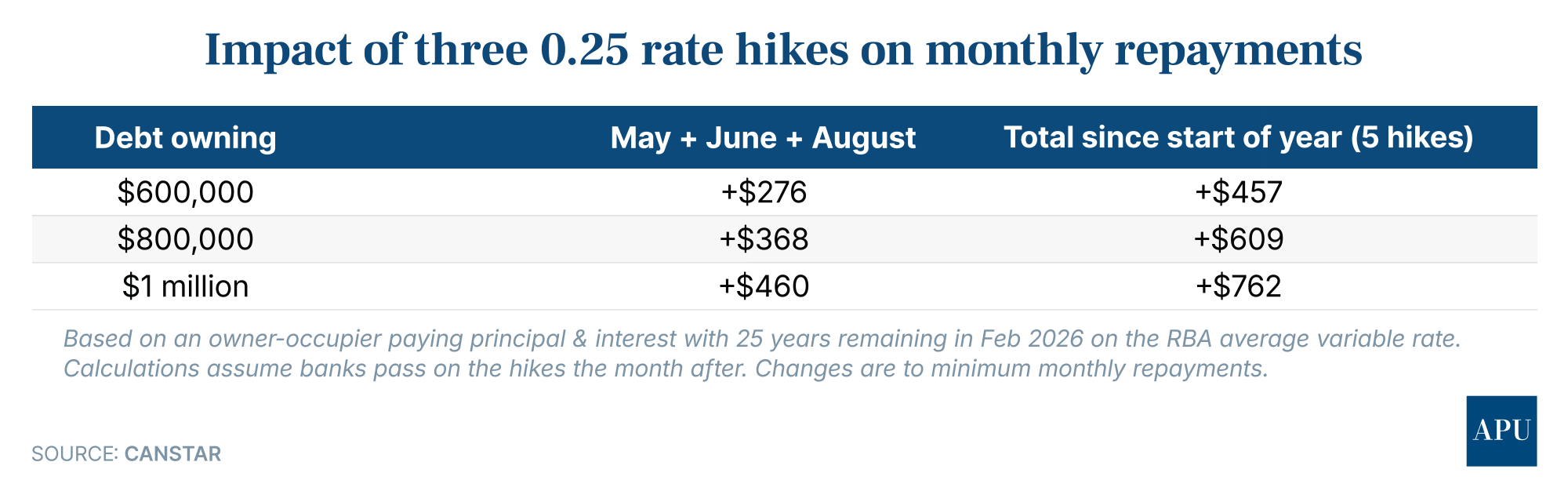
Canstar has released an analysis showing that if the cash rate rises by 0.25% following RBA meetings in May, June and August, monthly repayments on a typical $600,000 loan would rise by approximately $276.
When you add the two hikes the bank has already imposed this year, total monthly repayments could increase by a whopping $457 by August, with borrowers on a $1 million mortgage looking at an eyewatering $762 extra in repayments.
Westpac believes this grim scenario will take a toll on Australia’s economy.
“The higher cash rate profile will weigh on Australia’s economic outlook,” Westpac’s Luci Ellis says.
“Growth will be slower, especially consumption, and the labour market will be softer.
“We expect unemployment to peak around 5%.”
Ms Ellis says she also thinks “the RBA will be slow to reverse this policy tightening and risks getting behind the curve in coming years.”
“We push out the date for rate cuts and pencil in four rate cuts, one per quarter in February, May, August and November 2028.”






.jpg?width=1920&height=1080&name=WTF%20Is%20Happening%20To%20The%20Housing%20Market!%20$500%20Billion%20Wiped%20Out%20As%20Prices%20Fall%20Faster%20Every%20Month%20Scott%20Kuru%20YPU%20027%20(1).jpg)
%20Scott%20Kuru%20YPU%20025.jpg?width=1920&height=1080&name=This%20Is%20Worse%20Than%20A%20Recession%20RBA%20Admits%20Australias%20Wage%20Collapse%20Cant%20Be%20Stopped%20(Prepare%20Now)%20Scott%20Kuru%20YPU%20025.jpg)




















.jpg?width=1920&height=1080&name=EXPOSED%20How%20The%20Govt%20Let%20These%20Oil%20Giants%20Get%20Away%20With%20Paying%20Zero%20Tax%20For%20Aussie%20Gas%20Scott%20Kuru%20DPU%20256%20(1).jpg)





%20Scott%20Kuru%20DPU%20248.jpg?width=1920&height=1080&name=Major%20Banks%20CAUGHT%20Preparing%20For%20Australia%E2%80%99s%20Biggest%20Housing%20Crash%20(Defaults%20%26%20Bankruptcies%20Coming)%20Scott%20Kuru%20DPU%20248.jpg)
%20Scott%20Kuru%20DPU%20247.jpg?width=1920&height=1080&name=This%20Is%20How%20Australia%20Gets%20Pushed%20Into%20the%20Next%20Big%20Reset%20(Trust%20Collapse%20Has%20Officially%20Begun)%20Scott%20Kuru%20DPU%20247.jpg)





%20Scott%20Kuru%20DPU%20239.jpg?width=1920&height=1080&name=URGENT%20Life%20In%20Australia%20Has%20Become%20Impossible%20For%20Millions%20Of%20Aussies%20(It%E2%80%99s%20About%20To%20Get%20Worse)%20Scott%20Kuru%20DPU%20239.jpg)





%20Scott%20Kuru%20DPU%20227.jpg?width=1920&height=1080&name=URGENT%20ALERT%20Australia%E2%80%99s%20Property%20Market%20Is%20Sliding%20Into%20Something%20Much%20Bigger%20(Prepare%20Now)%20Scott%20Kuru%20DPU%20227.jpg)