









.png?width=292&height=292&name=Copy%20Link%20(1).png)

 SIGN UP FOR FREE NEWSLETTER
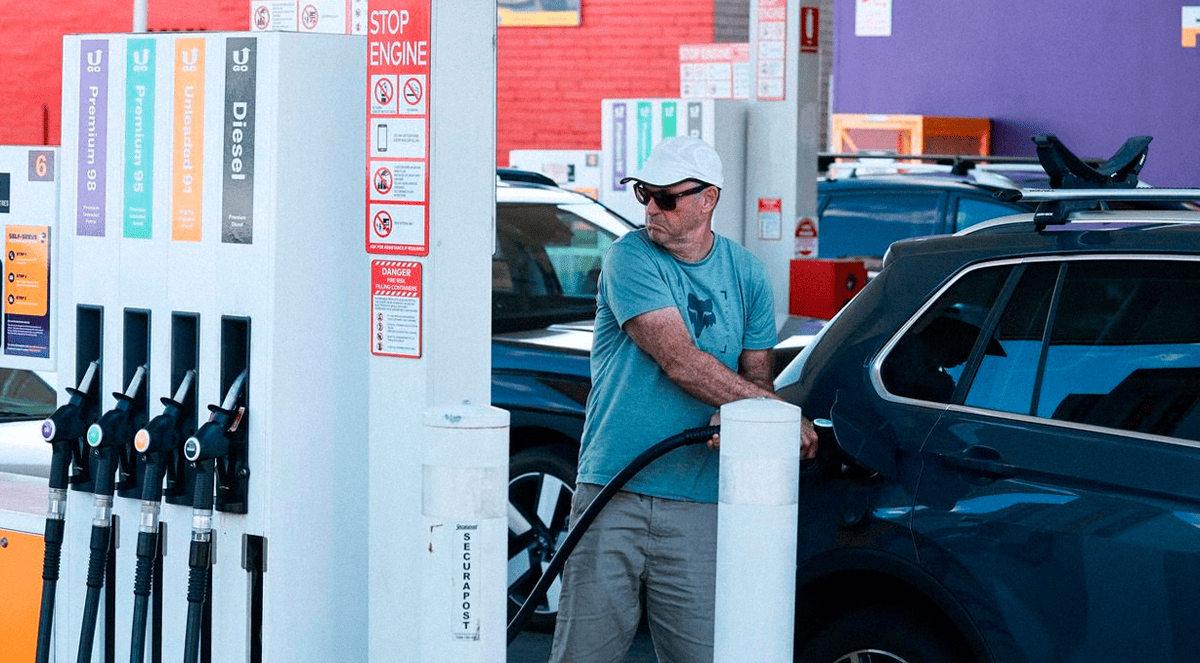
Image from NewsWire/Gaye Gerard
New data from the nation’s two largest retail banks clearly shows the effect the Middle East crisis is having on Australian households.
Commonwealth Bank figures show the sharp spike in petrol prices over the past six weeks has fuelled a surge in household spending.
However, CBA economists warn the spending boost is unlikely to last, as households start cutting back on non-essentials.
The bank believes this could have significant implications for interest rates, with the Reserve Bank of Australia less likely to keep raising interest rates if consumer spending slows, bringing inflation down with it.
CBA’s spending data comes as an influential survey from rival bank Westpac shows the current fuel crisis has seen Australian consumer confidence “tank”.
CBA’s HSI data
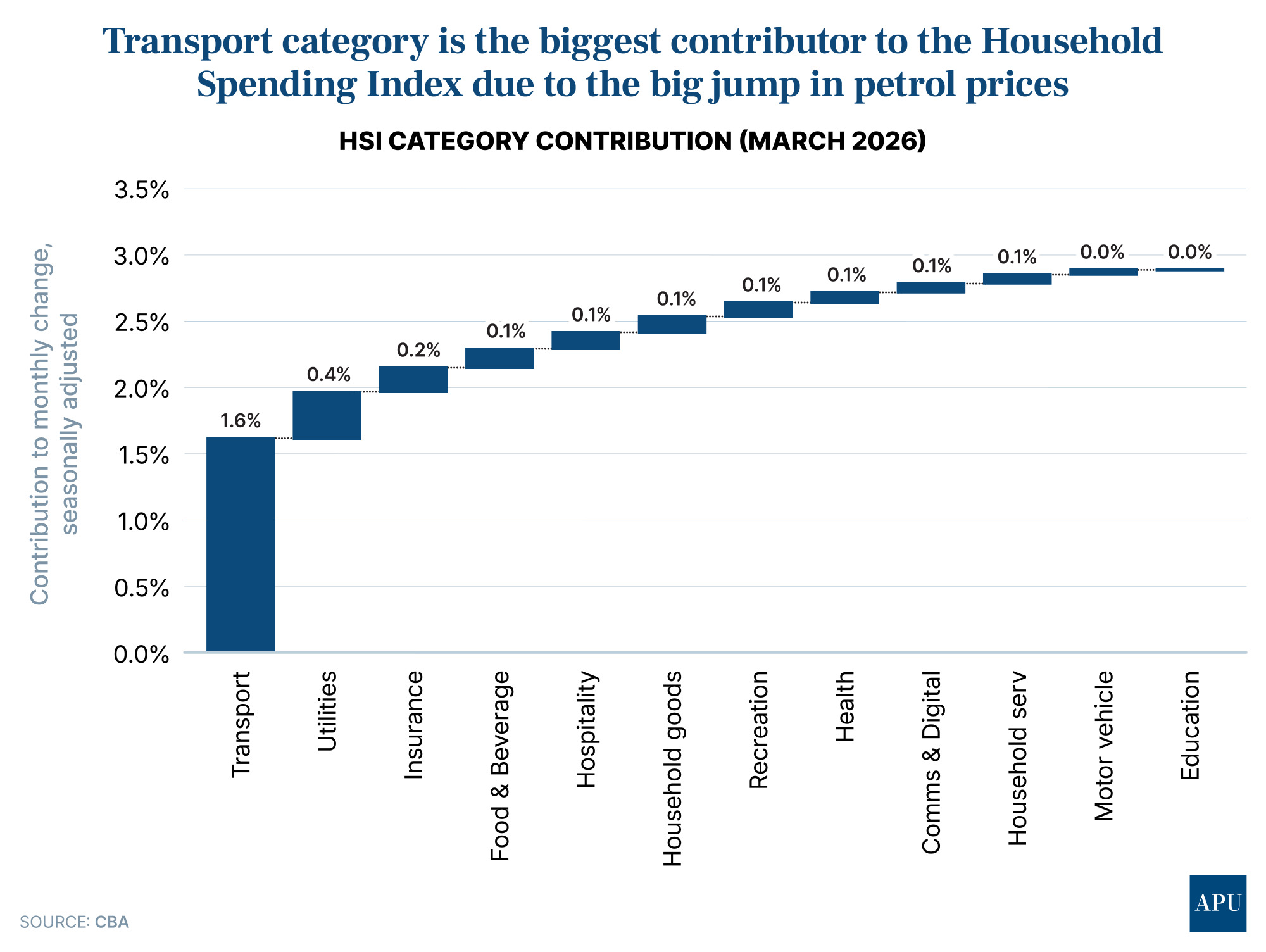
New data from the Commonwealth Bank’s Household Spending Insights (HSI) index shows spending jumped 2.9% in March 2026, reversing a 0.4% fall in February, with higher fuel costs doing much of the heavy lifting.
CBA compiles the index using de-identified payments and home lending data from its approximately 7 million customers.
This comprises roughly 30% of Australian consumer transactions, so the data provides a compelling picture of the spending habits of households across the country.
The March figures show spending on the Transport category (which includes fuel) surged 22.9% over the month, as motorists were hit with rising prices at the bowser.
“As expected, the sharp March lift in household spending reflects higher petrol prices as a result of the conflict in the Middle East,” CBA’s Head of Australian Economics, Belinda Allen, says.
“Of the 2.9% lift in the month, over half was contributed from Transport alone.
“Spending at petrol stations accounts for well over half of the (Transport) category, with spending up around 45% in the month.”
Separate research by ANZ Bank estimates that since early March, the average Australian household is spending $74.70 a week on fuel.
That’s around $18 more than would have been spent before the US and Israel attacked Iran.
When you strip out the impact of fuel from the CBA data, the figures show a modest recovery in consumer activity, with spending up 1.0% across all 12 categories the bank measures - although some of the biggest rises are clearly in categories most people would regard as essential.
Utilities, for example, jumped by 6.9%.
“We did also see some pretty big lifts in things like utilities,” CBA’s Belinda Allen says, “just because we're seeing the wind back of those (government) electricity rebates.
“We also did see spending lift in things like insurance.”
Ms Allen says the bank suspects this 2.5% lift came about because a lot of Aussie households prepaid their health insurance policies a year in advance, to get around big premium increases that came into effect on the 1st of April.
There was also a lift in March in spending in the Hospitality and Recreation categories, up 1.2% and 0.9% respectively.
However, Belinda Allen believes this lift in spending on hospitality, travel and events could be short-lived, pointing to big one-off sporting events in March like the Formula 1 Grand Prix, the Women’s Soccer Asian Cup and the launch of the new AFL and NRL seasons.
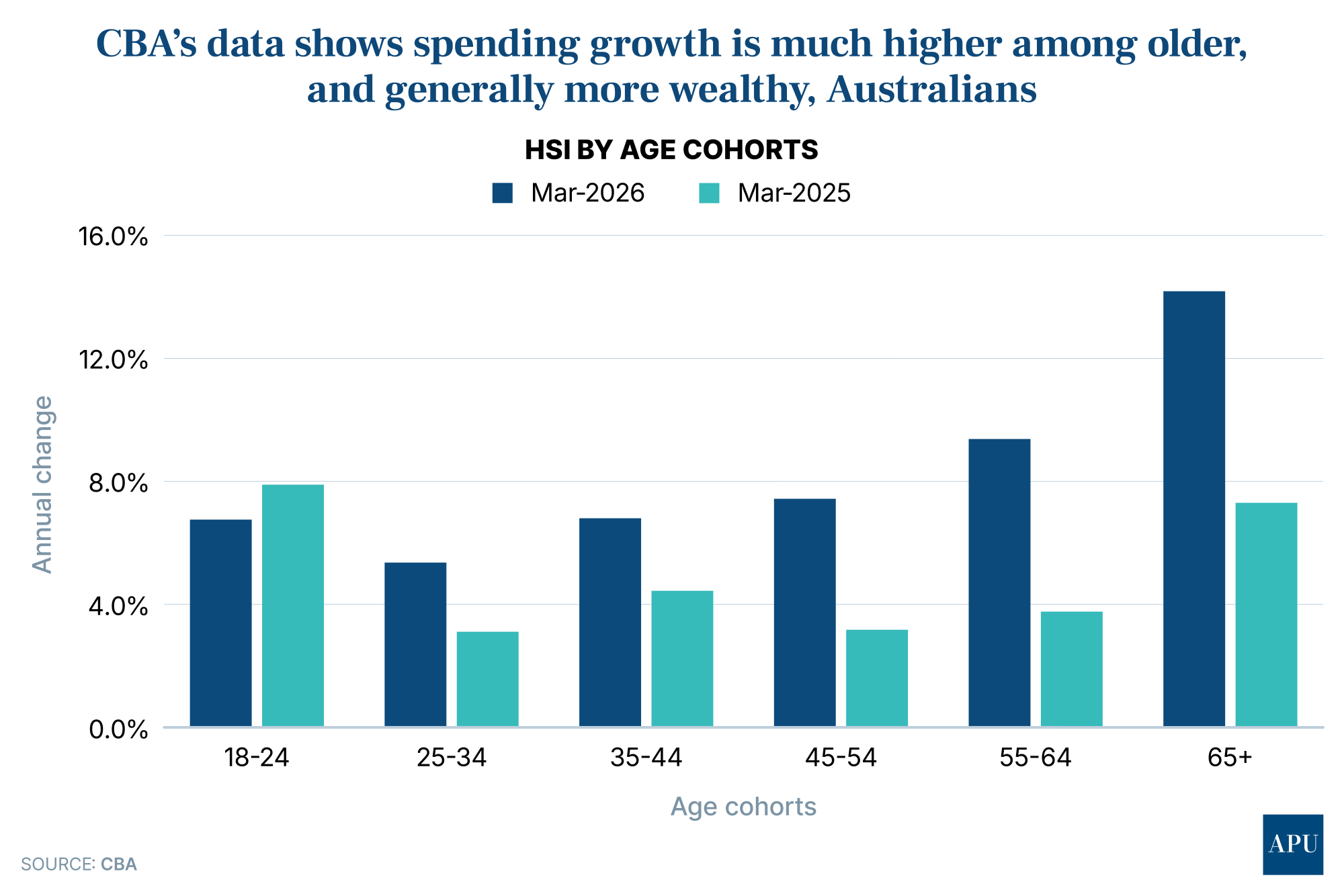
CBA’s data also reveals a growing divide in how Australians are spending, with older households leading the charge.
Consumers aged 65 and over recorded the strongest annual spending growth at 14.2%, followed by those aged 55 to 64 and 45 to 54.
In contrast, younger Australians - particularly those aged 25 to 34 - lagged behind.
“Typically, households aged 65 and over have higher disposable incomes and are more likely to benefit from higher interest rates compared with other age groups,” CBA Economist Belinda Allen says.
Nevertheless, “we did see spending on essential categories continued to drive growth across all age cohorts”.
“So across the board, spending was large in March, but we are expecting it to soften from here,” she says.
CBA’s outlook
“Looking ahead, CommBank expects household spending to slow as real household disposable income growth weakens, helping ease inflation pressures over time.
“The outlook for consumers will be critical to the path of interest rates beyond May,” CBA’s Belinda Allen says.
CBA still expects the Reserve Bank of Australia to raise the cash rate by 0.25% in May to 4.35%, but it is currently not predicting any further rate hikes, believing a fall off in consumer spending will help bring down inflation concerns.
Rival bank Westpac is much more gloomy about inflation, forecasting the RBA will hike rates three times this year, which would see the cash rate peak at 4.85%.
Overall, CBA says annual spending growth accelerated to 8.5% in March.
But once inflation is taken into account, the picture looks far less robust.
Over the quarter, spending rose 1.8% in nominal terms, but with inflation estimated at 1.4%, real spending volumes (minus inflation) increased by just 0.4% - highlighting the ongoing squeeze on household budgets.

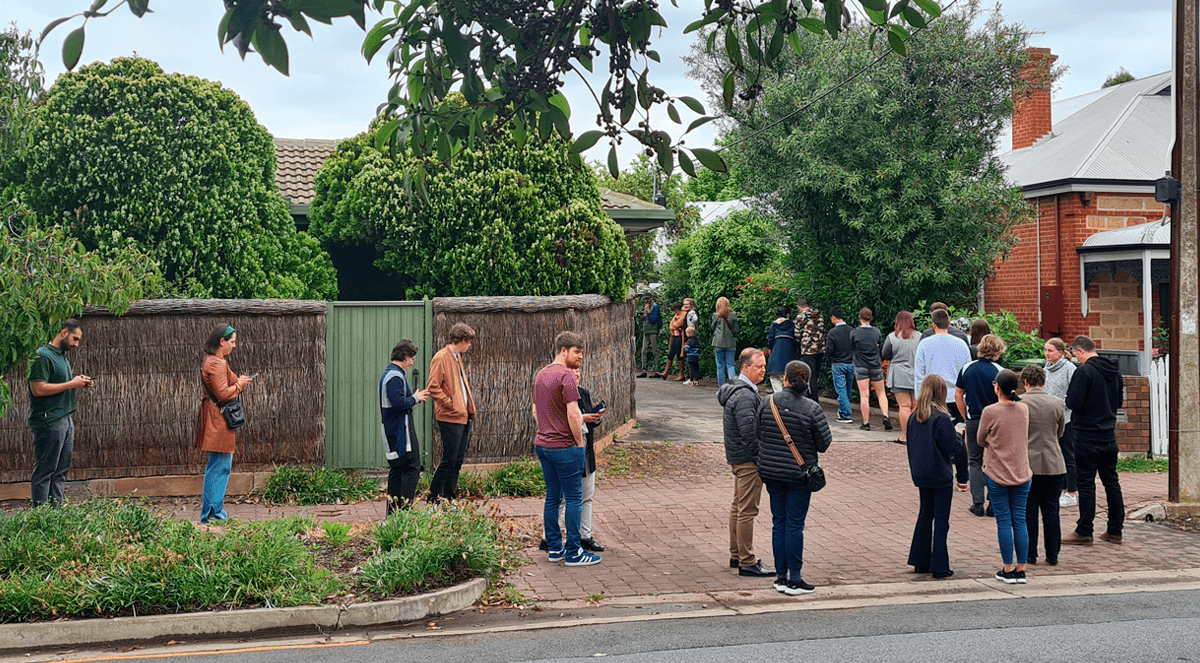
CBA warns that higher petrol and diesel costs initially boost spending figures in dollar terms, but they also act as a drag on household budgets - particularly outside the major cities - where reliance on transport and fuel-intensive industries is higher.
If fuel prices stay elevated for longer, Belinda Allen warns the boost in spending could reverse.
“We are expecting household spending to soften from here,” she says.
“What we are expecting to see, though, is a little bit of a difference in what households are spending on.
“Spending on travel looks like it is starting to soften, probably making way for higher spending on things like utilities and petrol prices,” she says.
Regional economies, heavily dependent on agriculture, mining and freight, are particularly exposed to rising diesel costs, raising the risk that March’s spending surge could give way to a sharper slowdown in the months ahead.
And if there’s no lasting resolution in the Middle East, the pace and breadth of that slowdown in the spending behaviour of Aussie households could be profound.
It’s also worth considering CBA spending data in the context of consumer confidence.
Westpac-Melbourne Institute Survey
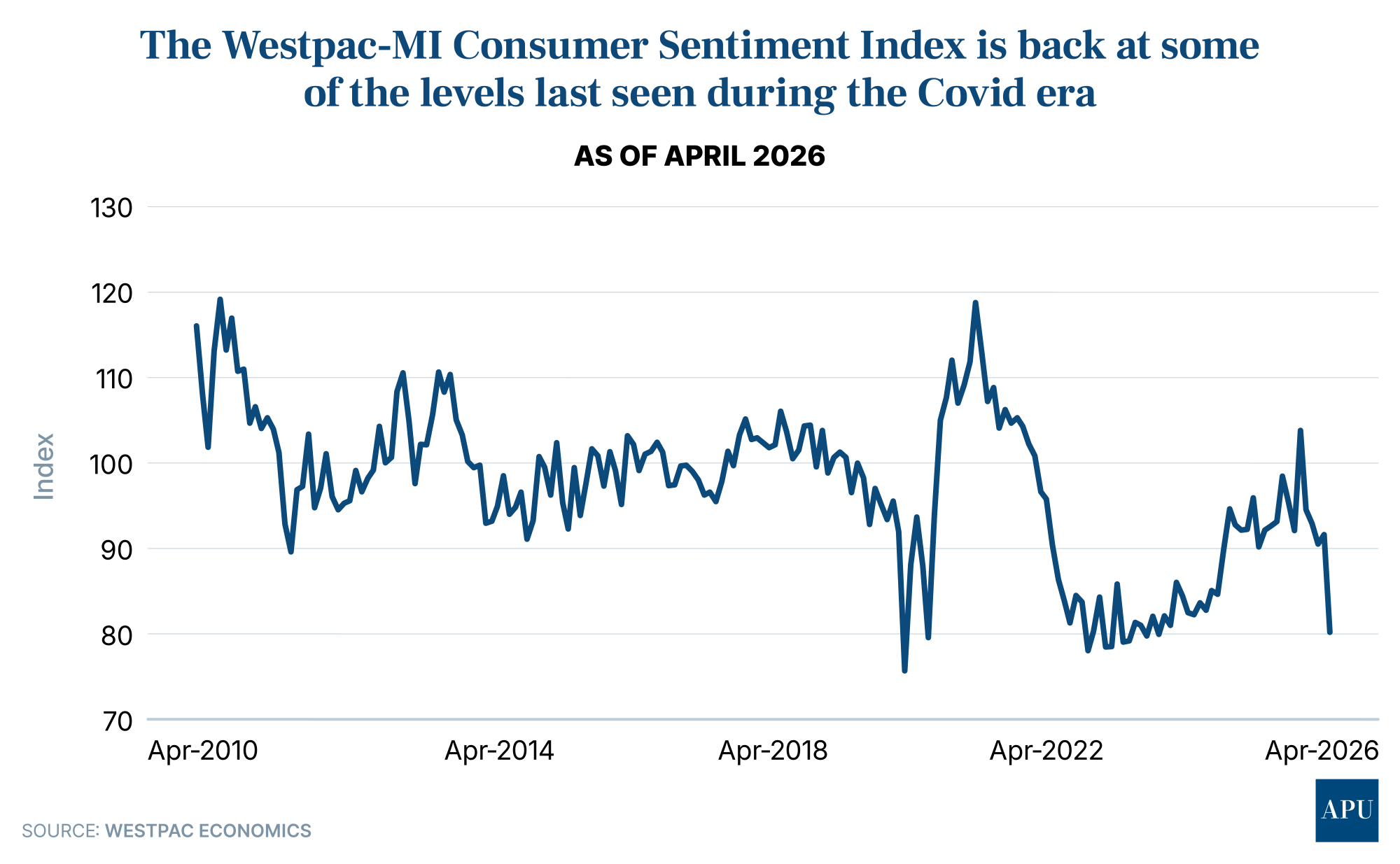
The latest Westpac-MI Consumer Confidence Sentiment Survey shows that consumer sentiment has “absolutely tanked”, according to Westpac’s Chief Economist, Luci Ellis.
“The combination of the war in the Middle East and higher interest rates has really hit people's perceptions of where they are now and where their finances and the economy are going over the next year,” she says.
The survey’s index fell by 12.5% to around 80 points.
“While that's not quite as low as the depth of the COVID period or of the recessions in the '80s and '90s, it is very low in the scheme of things and relative to recent history,” Ms Ellis says.
The Westpac Chief Economist highlights the survey question where people were asked how they view their “current family finances”.
“The decline in that.. is a reaction both to the higher fuel prices that we've seen recently and to the higher interest rate environment that people are seeing….and expecting to continue.”
“Petrol prices hit around $2.40 in the first week of April, and so even though the survey was in the field after the reduction in fuel excise had already taken effect, people could really see that in their pocketbook.
“They were also noticing that many other prices are starting to rise as different businesses impose fuel surcharges or higher delivery costs, or simply pass on the effect of higher fuel prices into their own prices,” she says.
Luci Ellis says consumer pessimism was “particularly noticeable in those groups of society who are going to be most impacted by higher fuel prices.”
“People in regional areas who use more diesel, where prices haven't come down as much, and who have to drive more, but also people who work in more cyclical or more fuel-intensive industries like construction, manufacturing, and hospitality.”
Interestingly, while the Westpac survey showed that consumers were much less bullish about the housing market, with recent higher interest rates dragging down expectations of higher house prices, that translated into a little bit less pessimism when they were asked “whether now is a good time to buy a house?”
Westpac hints this could have been influenced by recent Cotality data indicating that home prices have eased slightly in the country’s two largest property markets - Sydney and Melbourne.
“But overall,” Luci Ellis says, “this was a very negative reading for the Consumer Sentiment Index and global developments in the war in the Middle East and in fuel prices, as well as domestic developments around prices elsewhere, are really going to weigh on household sentiment for at least the next little while.”







.jpg?width=1920&height=1080&name=WTF%20Is%20Happening%20To%20The%20Housing%20Market!%20$500%20Billion%20Wiped%20Out%20As%20Prices%20Fall%20Faster%20Every%20Month%20Scott%20Kuru%20YPU%20027%20(1).jpg)
%20Scott%20Kuru%20YPU%20025.jpg?width=1920&height=1080&name=This%20Is%20Worse%20Than%20A%20Recession%20RBA%20Admits%20Australias%20Wage%20Collapse%20Cant%20Be%20Stopped%20(Prepare%20Now)%20Scott%20Kuru%20YPU%20025.jpg)
























.jpg?width=1920&height=1080&name=EXPOSED%20How%20The%20Govt%20Let%20These%20Oil%20Giants%20Get%20Away%20With%20Paying%20Zero%20Tax%20For%20Aussie%20Gas%20Scott%20Kuru%20DPU%20256%20(1).jpg)







%20Scott%20Kuru%20DPU%20248.jpg?width=1920&height=1080&name=Major%20Banks%20CAUGHT%20Preparing%20For%20Australia%E2%80%99s%20Biggest%20Housing%20Crash%20(Defaults%20%26%20Bankruptcies%20Coming)%20Scott%20Kuru%20DPU%20248.jpg)
%20Scott%20Kuru%20DPU%20247.jpg?width=1920&height=1080&name=This%20Is%20How%20Australia%20Gets%20Pushed%20Into%20the%20Next%20Big%20Reset%20(Trust%20Collapse%20Has%20Officially%20Begun)%20Scott%20Kuru%20DPU%20247.jpg)







%20Scott%20Kuru%20DPU%20239.jpg?width=1920&height=1080&name=URGENT%20Life%20In%20Australia%20Has%20Become%20Impossible%20For%20Millions%20Of%20Aussies%20(It%E2%80%99s%20About%20To%20Get%20Worse)%20Scott%20Kuru%20DPU%20239.jpg)









%20Scott%20Kuru%20DPU%20227.jpg?width=1920&height=1080&name=URGENT%20ALERT%20Australia%E2%80%99s%20Property%20Market%20Is%20Sliding%20Into%20Something%20Much%20Bigger%20(Prepare%20Now)%20Scott%20Kuru%20DPU%20227.jpg)