








.png?width=292&height=292&name=Copy%20Link%20(1).png)

 SIGN UP FOR FREE NEWSLETTER
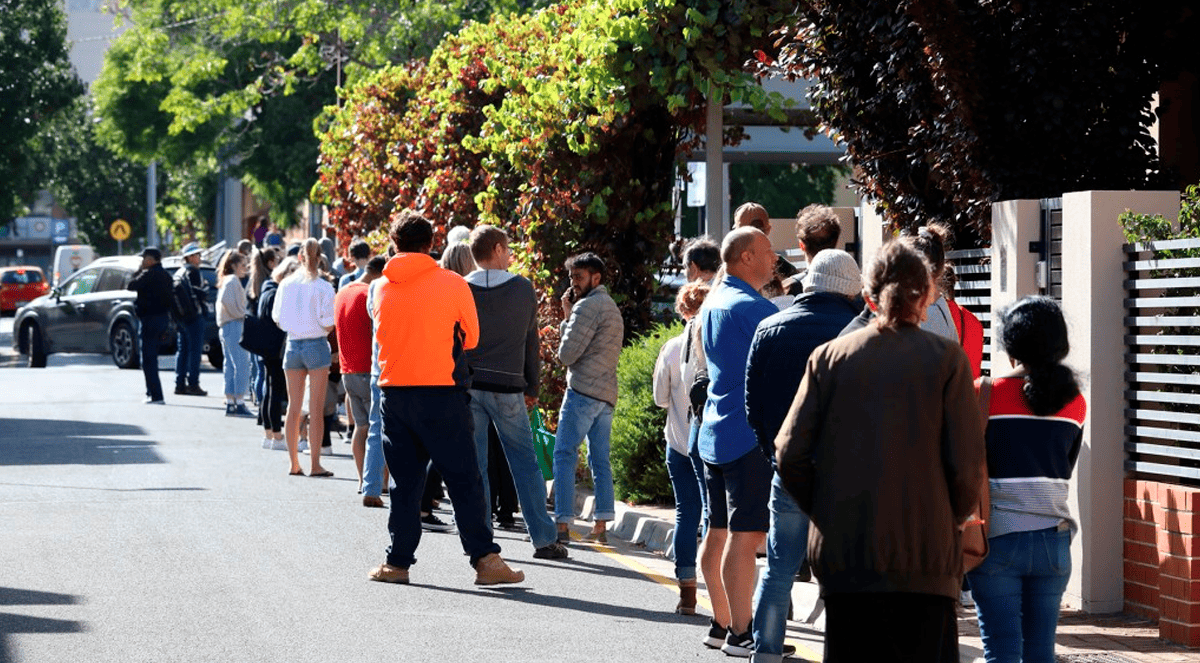
Image by Chris Hopkins/SMH
Australia’s rental crisis has deepened, with new data showing tenants are now paying a record share of their income just to keep a roof over their heads.
Cotality’s latest Rental Review reveals rents are rising faster, driven by a chronic shortage of available properties and persistently tight vacancy rates across the country.
The details
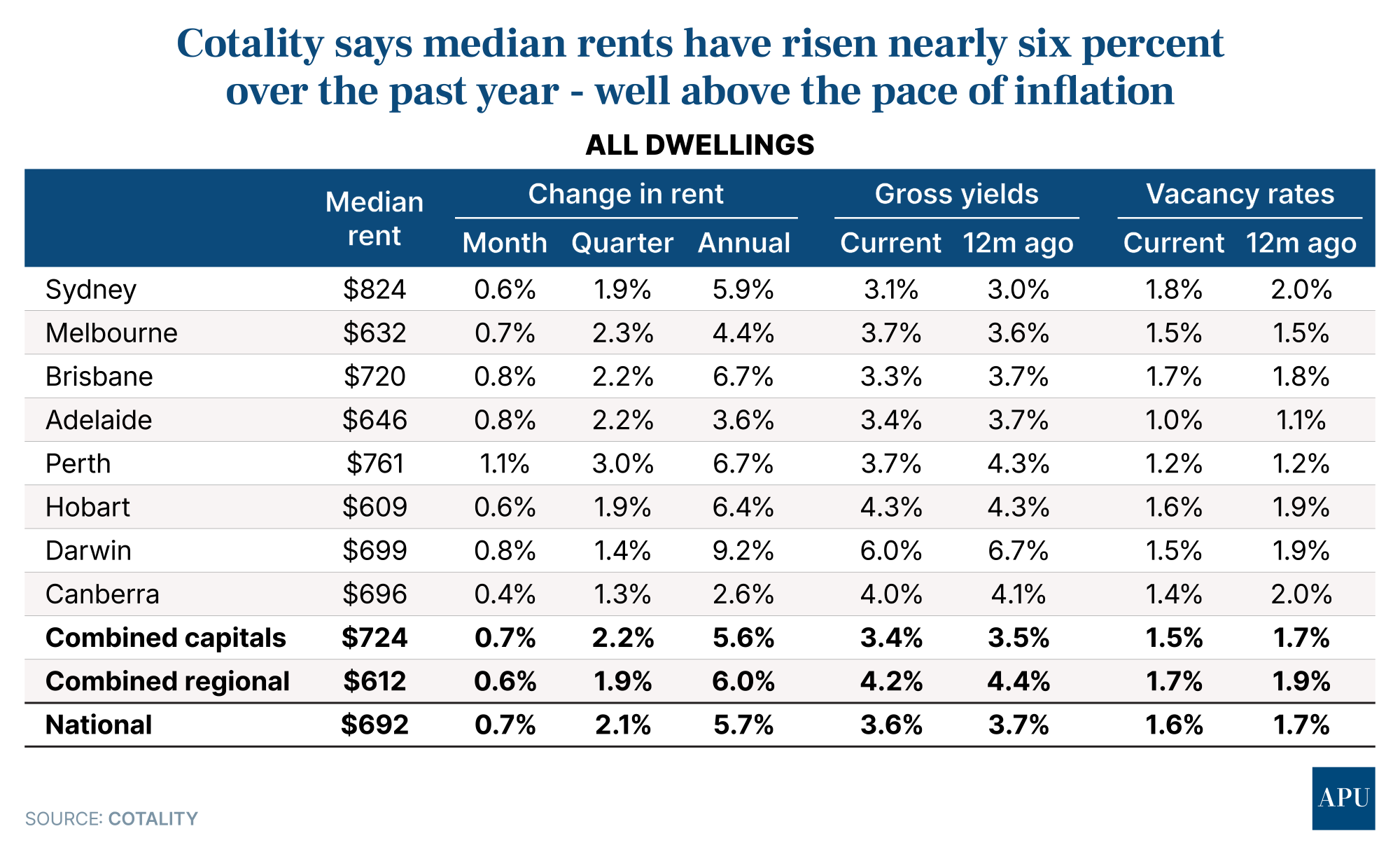
Cotality says national dwelling rents rose 2.1% over the three months to March 2026, up from 1.2% in the previous quarter.
The property data house says this signals a clear rebound after a brief period of slower growth.
On an annual basis, Cotality says rents are now 5.7% higher than in the three months to the end of March 2025, also marking a pickup from the softer conditions seen in mid-2025.
This is significantly above the pace of inflation over the past year.
But it’s the impact on household budgets that is raising the biggest alarm.
Australian renters are now spending a record 33.1% of gross median household income on housing costs, a sharp increase from 26.2% in September 2020.
Over the past five years, Cotality estimates that sustained growth has added an estimated $202 a week to the typical rent bill.
Cotality’s Head of Research, Gerard Burg, says the recent rebound in rental growth reflects a simple problem: there just aren’t enough homes to go around.
"Rent growth had moderated through much of 2024 and into mid-2025, but there’s been a lack of supply to meet the demand, which is placing immense pressure on the rental market," Mr Burg says.
"Vacancy rates remain very tight nationally and the volume of available rental properties is well below where it needs to be.
“Until supply catches up meaningfully with demand, rental growth is likely to stay elevated."
That supply crunch is evident across the country.
Rental listings are sitting around 18% below their five-year average, with the shortfall most severe in Australia’s two largest property markets - Sydney and Melbourne - where available stock is down 27.4% and 21.0% respectively.
At the same time, vacancy rates remain critically low.
Every capital city recorded a vacancy rate below 2% in the March quarter, with the national rate sitting at just 1.6%.
That’s half the 3.2% average vacancy rate recorded in the five years before the pandemic.
Adelaide and Perth are the tightest markets of all, with vacancy rates of just 1.0% and 1.2%.
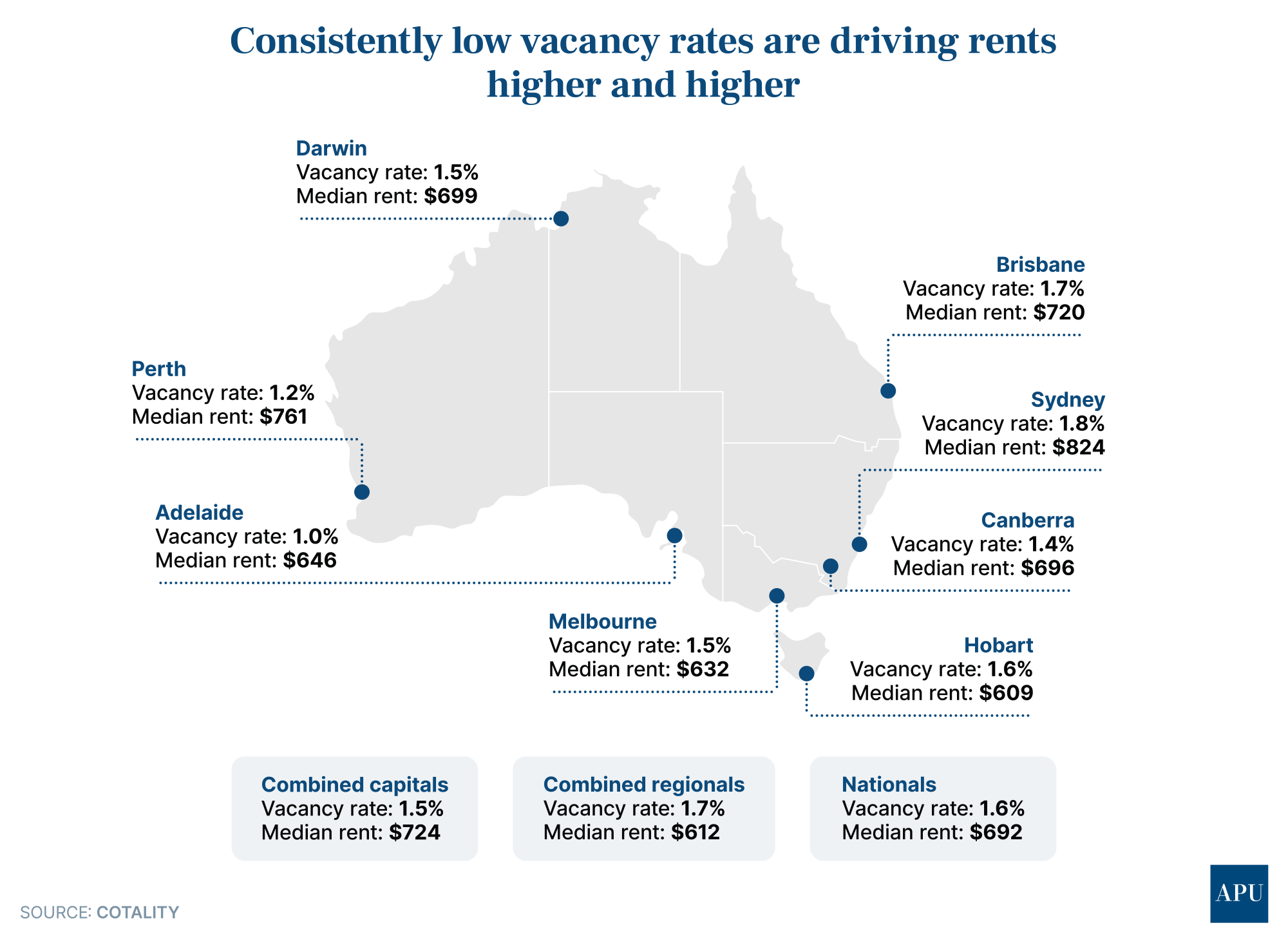
"Low vacancy rates and a shortage of available listings have persisted across most capital cities for several years now, and there is little in the current data to suggest conditions are improving," Cotality’s Gerard Burg says.
"When vacancy rates fall to 1.5% or less, it leaves renters with very little negotiating power and fewer options.
“It means renters have to consider alternate options such as share houses, moving to a new area or back in with family.”
While the squeeze for tenants is being felt nationwide, some cities are seeing sharper rental increases than others.
Darwin recorded the strongest annual growth, with median rents rising 9.2% over the year to reach $699 a week.
Perth and Brisbane also posted solid gains of 6.7%.
Sydney remains the most expensive rental market in the country, with median rents climbing 5.9% over the year to $824 a week.
By contrast, Melbourne recorded the slowest rental growth among the mainland capitals at 4.4%, with a median rent of $632 a week.
Beyond the capitals, regional markets are also feeling the pressure.
Rents in regional Australia rose 6.0% over the year, slightly outpacing Cotality’s combined capitals measure.
However, renting in regional Australia remains cheaper overall, with a median rent of $612 a week compared to $724 across the capital cities.
Even so, affordability constraints are reshaping renter behaviour, particularly when it comes to the type of property people are choosing.
Unit rents have consistently outpaced house rents over the past five years, rising 46.9% since March 2021, compared to 39.0% for houses.
More recently, unit rents increased 2.5% over the March quarter, compared to 2.0% for houses.
Mr Burg says that trend is no longer just a post-pandemic rebound - it reflects a deeper shift toward more affordable options.
“The stronger relative growth in unit rents is now less about catch-up and more consistent with renters seeking affordable options as overall rent levels remain elevated,” he notes.
“As total weekly rent prices continue to increase, we’ve seen demand shift toward more accessible price points, and units are bearing the brunt of that competition.”
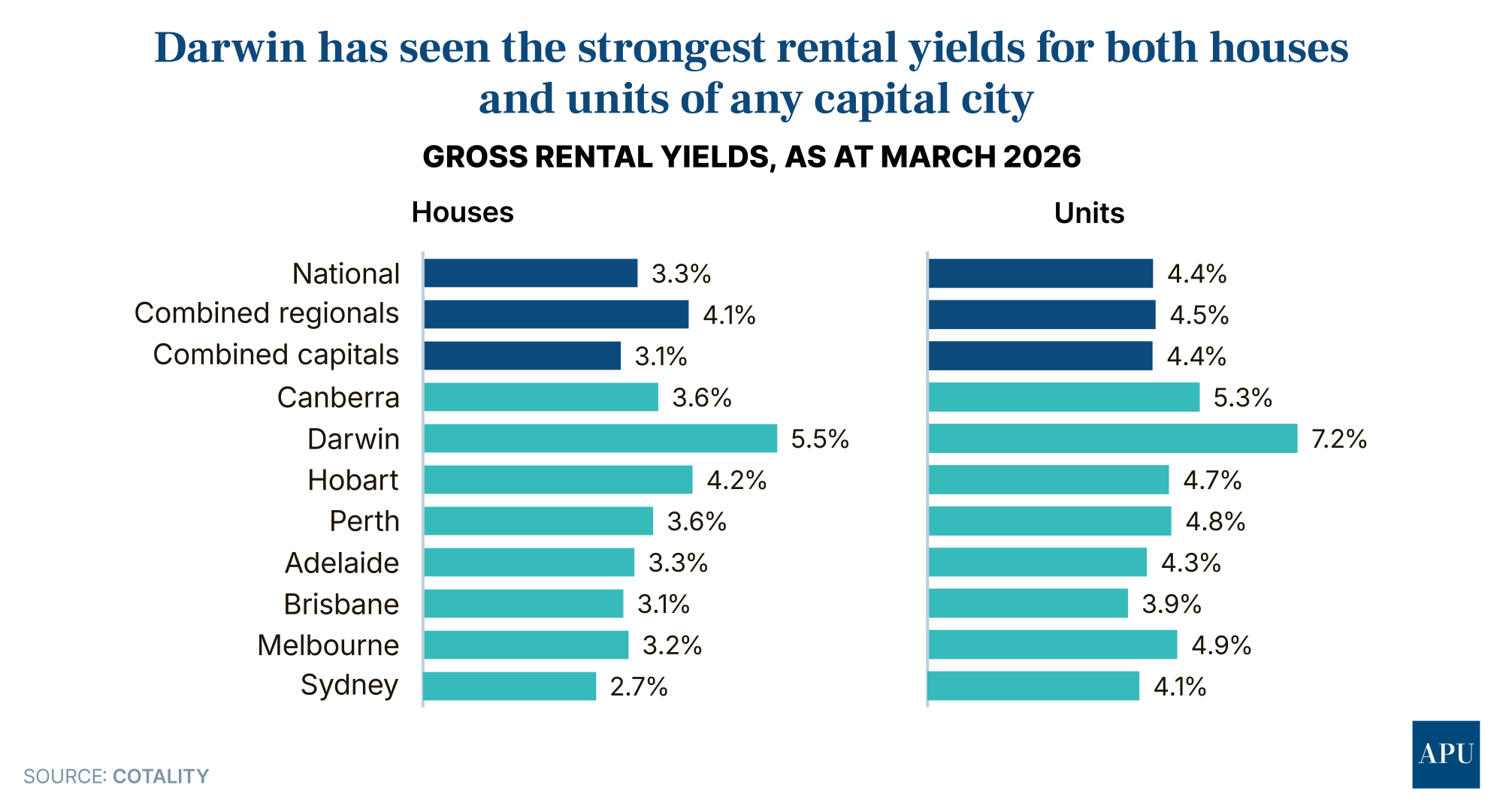
For property investors, Cotality says gross yields remain highest in Darwin at 6.0%, despite falling by almost 70 basis points over the past 12 months, as the cost of property in the NT capital has soared relative to rents.
Hobart (4.3%) and Canberra (4.0%) come next, with both cities showing minimal change over the last year.
Yields in Melbourne and Perth were 3.7% in March 2026, while Sydney remained the lowest overall at 3.1%.
Cotality says that in the near term, weaker trends for home prices, particularly in Sydney and Melbourne, combined with further rental growth (supported by low vacancy rates) could see rental yields in these cities trend higher.
Looking ahead, there is little sign of relief for tenants.
Despite affordability being stretched to record levels, the underlying imbalance between supply and demand remains firmly in place, suggesting rents are likely to keep rising in the near term.
Mr Burg says the implications extend well beyond the housing market, with rental costs feeding directly into broader economic pressures.
“With vacancy rates showing little sign of meaningful improvement and market rents reaccelerating, the flow on impact rents have to CPI (official inflation) data will remain an important factor for policymakers to navigate in the months ahead.”
For renters, however, the reality is more immediate: fewer choices, higher costs, and increasing pressure on already stretched household budgets.





.jpg?width=1920&height=1080&name=WTF%20Is%20Happening%20To%20The%20Housing%20Market!%20$500%20Billion%20Wiped%20Out%20As%20Prices%20Fall%20Faster%20Every%20Month%20Scott%20Kuru%20YPU%20027%20(1).jpg)
%20Scott%20Kuru%20YPU%20025.jpg?width=1920&height=1080&name=This%20Is%20Worse%20Than%20A%20Recession%20RBA%20Admits%20Australias%20Wage%20Collapse%20Cant%20Be%20Stopped%20(Prepare%20Now)%20Scott%20Kuru%20YPU%20025.jpg)


















.jpg?width=1920&height=1080&name=EXPOSED%20How%20The%20Govt%20Let%20These%20Oil%20Giants%20Get%20Away%20With%20Paying%20Zero%20Tax%20For%20Aussie%20Gas%20Scott%20Kuru%20DPU%20256%20(1).jpg)





%20Scott%20Kuru%20DPU%20248.jpg?width=1920&height=1080&name=Major%20Banks%20CAUGHT%20Preparing%20For%20Australia%E2%80%99s%20Biggest%20Housing%20Crash%20(Defaults%20%26%20Bankruptcies%20Coming)%20Scott%20Kuru%20DPU%20248.jpg)
%20Scott%20Kuru%20DPU%20247.jpg?width=1920&height=1080&name=This%20Is%20How%20Australia%20Gets%20Pushed%20Into%20the%20Next%20Big%20Reset%20(Trust%20Collapse%20Has%20Officially%20Begun)%20Scott%20Kuru%20DPU%20247.jpg)







%20Scott%20Kuru%20DPU%20239.jpg?width=1920&height=1080&name=URGENT%20Life%20In%20Australia%20Has%20Become%20Impossible%20For%20Millions%20Of%20Aussies%20(It%E2%80%99s%20About%20To%20Get%20Worse)%20Scott%20Kuru%20DPU%20239.jpg)








%20Scott%20Kuru%20DPU%20227.jpg?width=1920&height=1080&name=URGENT%20ALERT%20Australia%E2%80%99s%20Property%20Market%20Is%20Sliding%20Into%20Something%20Much%20Bigger%20(Prepare%20Now)%20Scott%20Kuru%20DPU%20227.jpg)