









.png?width=292&height=292&name=Copy%20Link%20(1).png)

 SIGN UP FOR FREE NEWSLETTER
Image by Luke Bowden/ABC News
A former Treasury economist has urged the Albanese government to reconsider its proposed changes to negative gearing for investment properties, warning the reforms could increase rents by as much as $2,000 a year for millions of renters.
Peter Downes says the rental market consequences could be far greater than Treasury's official estimates suggest.
The warning comes as Labor's proposed changes to negative gearing and capital gains tax continue to face scrutiny in the Senate, with the government, economists, investors and housing groups sharply divided over their likely impact on housing affordability.
The details
Under legislation currently before Parliament, future investors purchasing existing residential properties from July 2027 would no longer be able to claim negative gearing losses against wage income.
The government would also replace the existing 50% capital gains tax discount with a new inflation-indexed system.
Importantly, both concessions would be retained for newly built homes.
The Albanese Government argues the changes will improve housing affordability, help first-home buyers into the market and encourage investment in new housing supply.

Treasury estimates the reforms will reduce dwelling prices by around 2% over the long term and increase rents by only about $2 a week.
The government says the package could help an additional 75,000 first-home buyers enter the market.
Former Treasury economist Peter Downes is now the director of Canberra consultancy Outlook Economics.
After running the government's tax changes through his AUS-M macroeconomic model, Mr Downes believes Treasury may be significantly underestimating the effect of the reforms on the rental market.
"The impact is huge," Mr Downes told the Australian Financial Review, saying the greatest impact would fall on some of Australia's most vulnerable people.
"The government needs to hit pause.
"People on the margins of our society are going to be very badly affected by this."
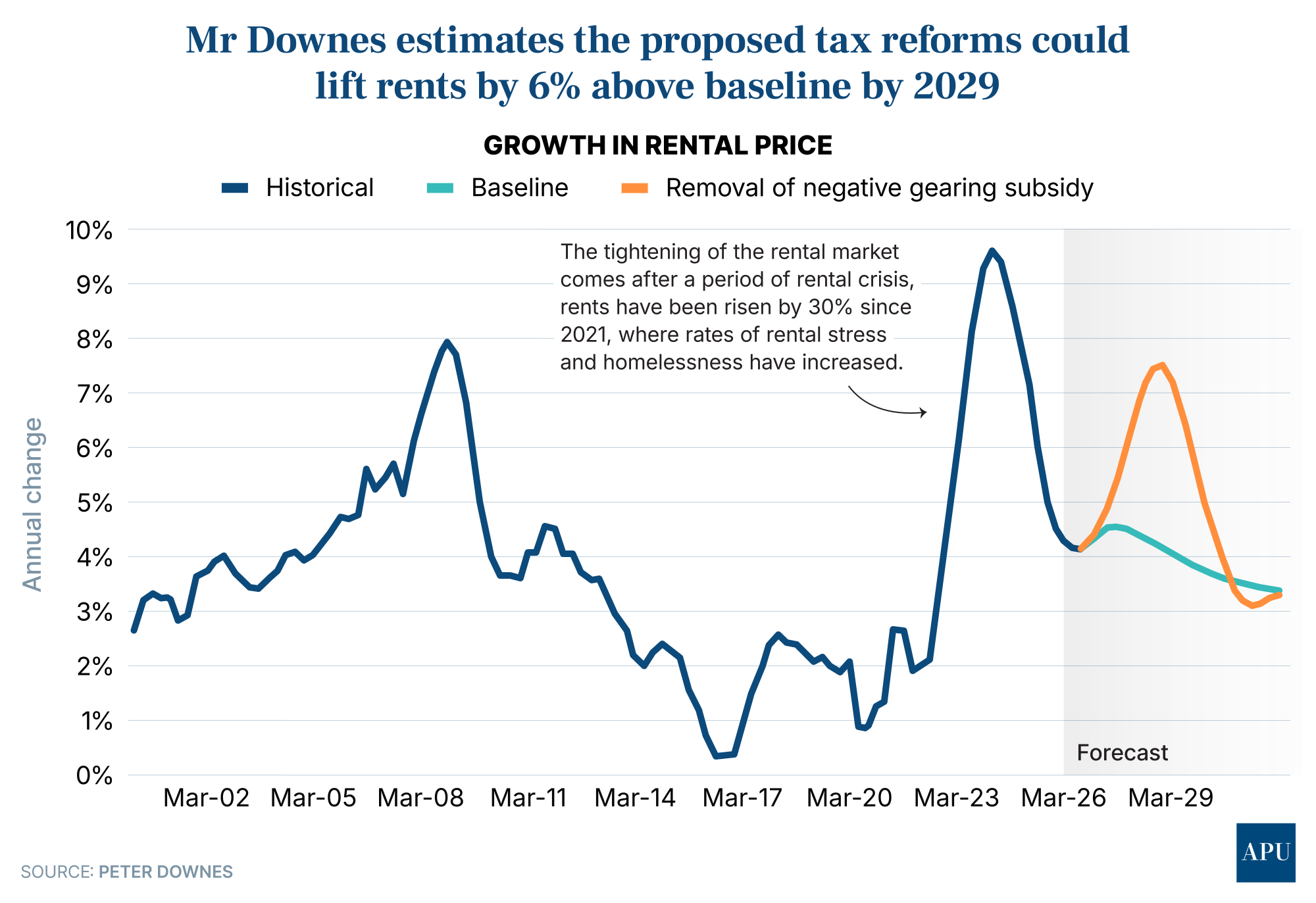
According to modelling he has submitted to the Senate Economics Legislation Committee examining the tax changes, Mr Downes estimates rents could rise by around 6% above their normal baseline path by 2029 as a result of the reforms.
He argues that removing negative gearing would reduce demand from landlords purchasing established housing, leading to a gradual contraction in rental stock and even tighter vacancy rates.
"The measure will initially look like a success, prices will fall, first-home buyers and owner occupiers will be the only ones in the market, but with the negative fallout for the rental market building over time coming to a crisis point leading into the 2028 election."
A central theme of Mr Downes' submission is that the burden of the reforms would ultimately fall on renters rather than investors.
His modelling assumes investors will respond to the loss of tax benefits by reducing purchases of established rental properties, shrinking the rental pool over time.
"As the rental stock contracts, the rental market retightens," he writes.
His submission argues this would occur at a time when vacancy rates are already extremely low and rental stress remains widespread.
"More than half of low-income households are already in rental stress, a third in severe stress," Mr Downes writes.
“The tightening of the rental market comes after a period of rental crisis.
“Rents have (already) risen by 30% since 2021, (while) …rates of rental stress and homelessness have increased.”
Peter Downes estimates the eventual rental impact could leave some households paying "$2,000 or more per annum (extra) in rents".
Mr Downes argues the reforms could disproportionately affect younger renters, low-income households and older single women who rely on the private rental market.
However, other economists have challenged the scale of his forecast.
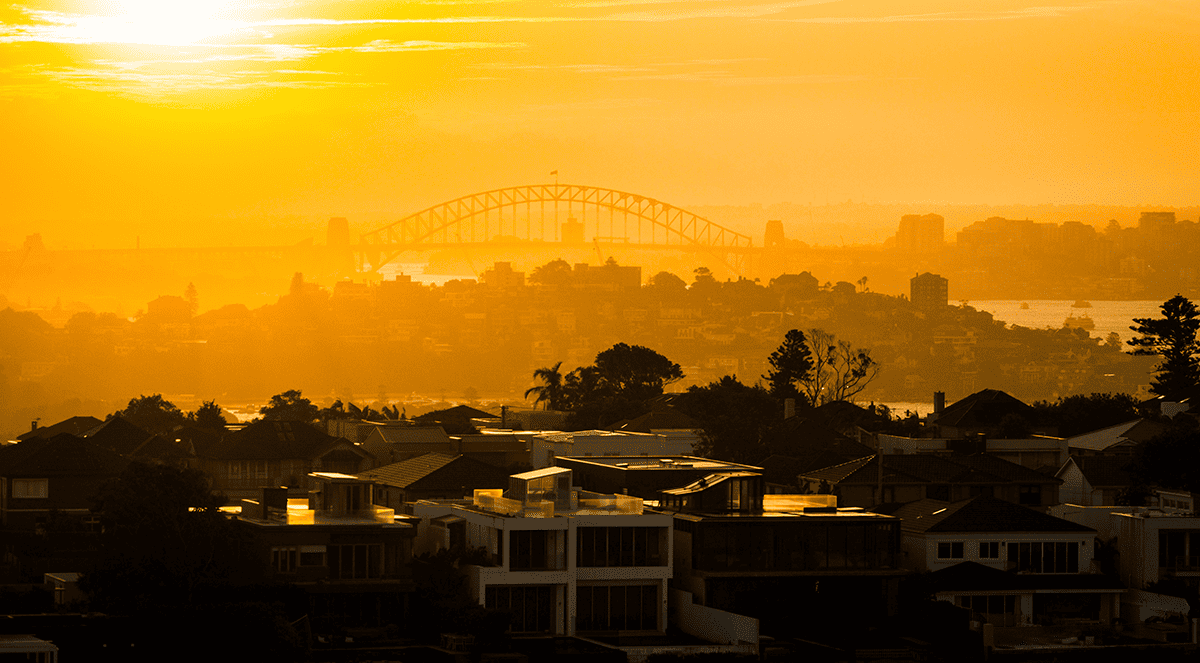
Centre for Independent Studies economist Peter Tulip agrees that while the reforms are likely to reduce rental supply and place some upward pressure on rents, Treasury's estimate of a relatively modest $2-a-week increase remains plausible.
In evidence before the Senate committee, independent economist Saul Eslake said warnings of large rent increases are not supported by available evidence.
Mr Eslake argues that many former rental properties would ultimately be purchased by first-home buyers who were previously renters, reducing rental demand as well as rental supply.
But Mr Downes disputes that assumption.
"We've never been able to find an effect from the cost of servicing a mortgage relative to renting in the rental vacancy equation," he writes, arguing the rental and owner-occupier markets are more segmented than many analysts assume.
The dispute has intensified calls for Treasury to release more detail about the modelling behind the government's estimates.
Mr Downes says he is hoping the government will reconsider aspects of the policy before it becomes law.
One option he proposes is partially offsetting the changes by rebating a portion of state land tax paid by affected investors, preserving some of the incentive to supply rental housing in the established property market while retaining much of the broader tax reform package.













.jpg?width=1920&height=1080&name=WTF%20Is%20Happening%20To%20The%20Housing%20Market!%20$500%20Billion%20Wiped%20Out%20As%20Prices%20Fall%20Faster%20Every%20Month%20Scott%20Kuru%20YPU%20027%20(1).jpg)
%20Scott%20Kuru%20YPU%20025.jpg?width=1920&height=1080&name=This%20Is%20Worse%20Than%20A%20Recession%20RBA%20Admits%20Australias%20Wage%20Collapse%20Cant%20Be%20Stopped%20(Prepare%20Now)%20Scott%20Kuru%20YPU%20025.jpg)

























.jpg?width=1920&height=1080&name=EXPOSED%20How%20The%20Govt%20Let%20These%20Oil%20Giants%20Get%20Away%20With%20Paying%20Zero%20Tax%20For%20Aussie%20Gas%20Scott%20Kuru%20DPU%20256%20(1).jpg)







%20Scott%20Kuru%20DPU%20248.jpg?width=1920&height=1080&name=Major%20Banks%20CAUGHT%20Preparing%20For%20Australia%E2%80%99s%20Biggest%20Housing%20Crash%20(Defaults%20%26%20Bankruptcies%20Coming)%20Scott%20Kuru%20DPU%20248.jpg)
%20Scott%20Kuru%20DPU%20247.jpg?width=1920&height=1080&name=This%20Is%20How%20Australia%20Gets%20Pushed%20Into%20the%20Next%20Big%20Reset%20(Trust%20Collapse%20Has%20Officially%20Begun)%20Scott%20Kuru%20DPU%20247.jpg)







%20Scott%20Kuru%20DPU%20239.jpg?width=1920&height=1080&name=URGENT%20Life%20In%20Australia%20Has%20Become%20Impossible%20For%20Millions%20Of%20Aussies%20(It%E2%80%99s%20About%20To%20Get%20Worse)%20Scott%20Kuru%20DPU%20239.jpg)








%20Scott%20Kuru%20DPU%20227.jpg?width=1920&height=1080&name=URGENT%20ALERT%20Australia%E2%80%99s%20Property%20Market%20Is%20Sliding%20Into%20Something%20Much%20Bigger%20(Prepare%20Now)%20Scott%20Kuru%20DPU%20227.jpg)