









.png?width=292&height=292&name=Copy%20Link%20(1).png)

 SIGN UP FOR FREE NEWSLETTER
Image from AFR
The prospect of another Reserve Bank interest rate rise at its August meeting has eased following the release of lower-than-expected inflation figures.
Australian Bureau of Statistics data show headline inflation slowed to 3.8% in the year to June 2026, down from 4% in May.
The annual rate of trimmed mean inflation, the RBA’s preferred measure of underlying inflation, remained at 3.6%, defying expectations it would rise again.
The inflation numbers are the last major data release before the RBA’s Monetary Policy Board meets in two weeks’ time.
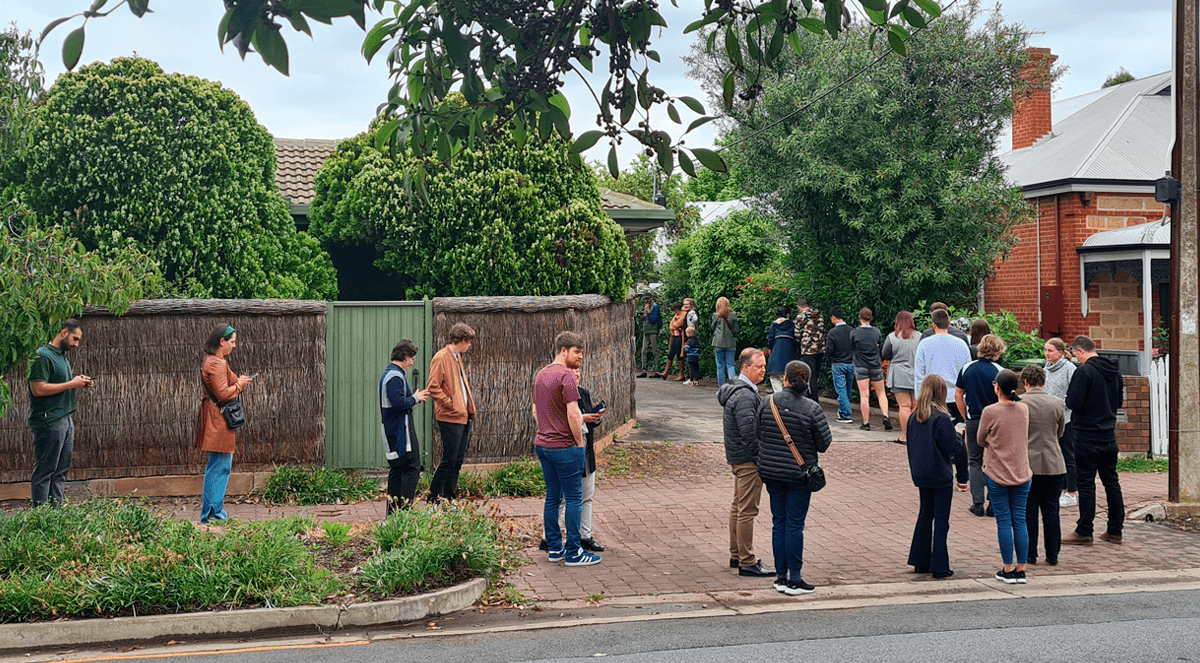
While financial markets and most economists now expect the RBA to hold the cash rate steady at that meeting, others caution that inflation is moderating too slowly to rule out another rate increase, which would be a major blow for mortgage holders.
The details
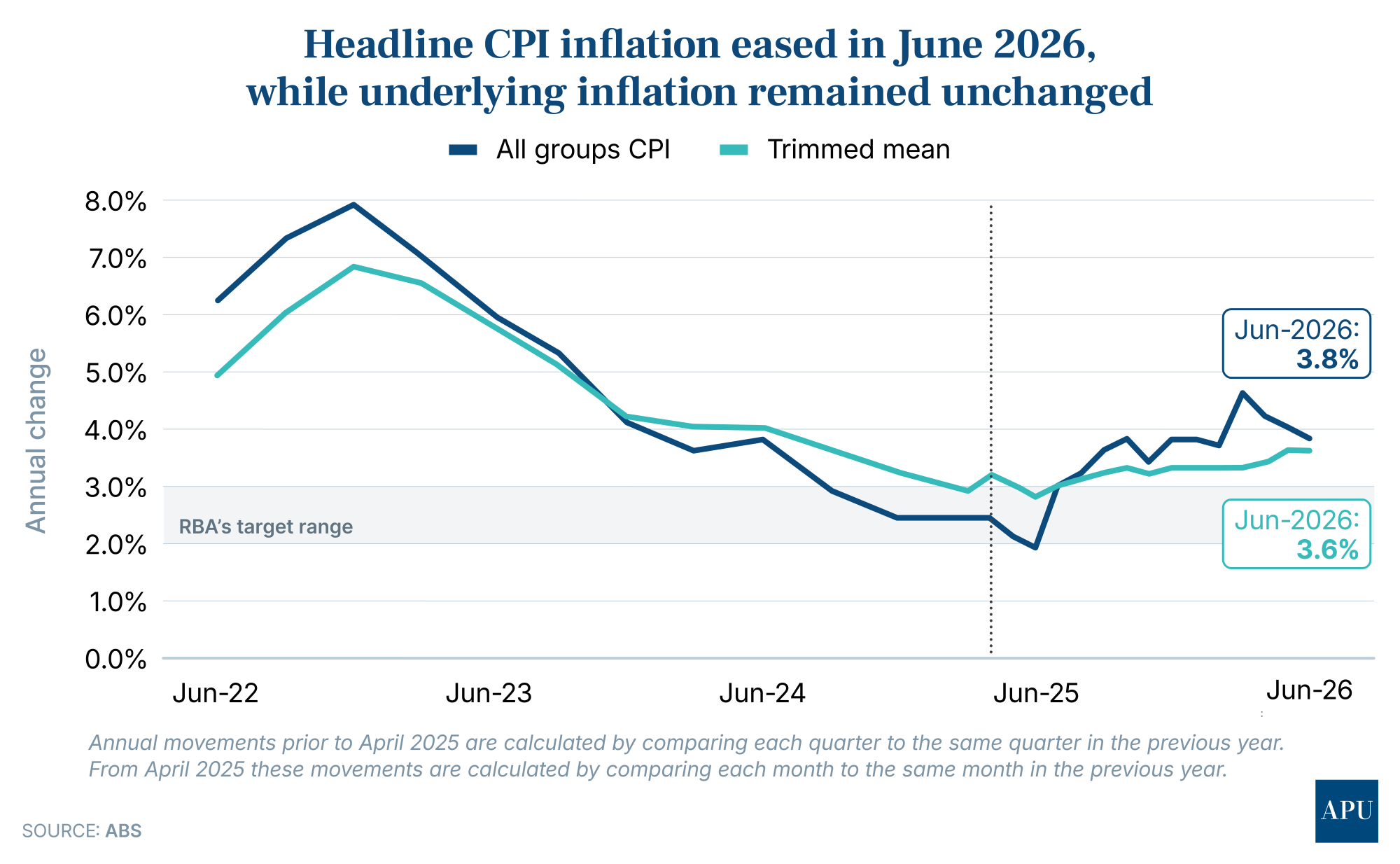
The ABS says CPI, or headline inflation, came in at 3.8% in the year to the end of June 2026, with the largest contributors coming in the Housing (+6.8%), Food and non-alcoholic beverages (+3.3%) and Recreation and culture (+3.3%) categories.
The Housing category includes electricity, prices for which rose 22.4% over the year, “largely due to the ending of Commonwealth and state government electricity rebates”, according to the ABS.
The cost of new dwellings rose 5.8%, while rents increased 3.6%.
The ABS says the rise in new dwelling prices “was driven by project home builders raising base prices to pass through higher labour and materials costs over the year.”
Nevertheless, the headline CPI figure was below market expectations.
Annual Trimmed mean inflation - the RBA’s preferred core inflation measure - remained at 3.6%.
That was up from 3.5% in the March quarter, but below market expectations of 3.7% and the RBA’s own forecast of 3.8%.
The Reserve Bank of Australia has already raised interest rates three times this year, in February, March and May, returning the nation’s cash rate to 4.35% - its highest level since March 2024.
The bank is mandated to keep inflation in a 2-3% target band, using interest rates as its primary tool.
“Although inflation remains well above the RBA’s 2.5% midpoint, today’s numbers will likely see the RBA stay on hold at its meeting in August at 4.35%,” says IG market analyst Tony Sycamore.
Independent economist Stephen Koukoulas says the figures are “good news”.
“If July 2026 prints an inflation increase of 0.6% or less, annual inflation will be 2 point something,” he says, “Within the (RBA’s) target range.
“It's too early to talk rate cuts.... or is it?”
Westpac Bank also describes the figures as “welcome”.
Following the release of the softer-than-expected inflation data, Australia’s second-largest retail bank has backflipped on its prediction of two more 0.25% interest rate hikes this year.
“We no longer expect rate hikes by the RBA this year,” says Westpac’s Chief Economist, Luci Ellis.
“Inflation has been more benign than we feared and the RBA forecast.”
Westpac’s reversal means the economic teams at all of Australia’s “Big 4” banks now believe interest rates have peaked in this cycle and that the next move by the RBA will be a rate cut next year.
But EY Oceania Chief Economist Cherelle Murphy is more cautious.
“The momentum in price growth is at least slowing. Now, is it slowing enough? That becomes the big question from here,” she says.
“I suspect the Reserve Bank is still going to be pretty nervous. You know, a trimmed mean of 3.6% when they want (an) inflation rate about 2.5% isn’t good enough.”

Ms Murphy told the ABC she expected the next RBA Monetary Policy Board meeting to be closely divided between members favouring another increase and those supporting a hold, saying it will be a “close decision.”
“We've obviously got ongoing price pressures coming through from the Middle East situation and whether or not the oil price has come down, there are still many other commodities that are affected by what's going on at the moment,” she says.
“There's also the domestic demand which has been running probably a little stronger than the Reserve Bank would have expected, and the labour market still remains fairly tight, it seems, which tend to be indicators of the fact that the economy is kind of running up against its capacity….if not struggling a little bit.
“So that means…there's a lot of pressure to come out here before the Reserve Bank gets to where they need to be.”
Nevertheless, the Australian dollar fell and the sharemarket rose after the figures were released, suggesting financial markets had become more confident the RBA would leave rates on hold in August.







.jpg?width=1920&height=1080&name=WTF%20Is%20Happening%20To%20The%20Housing%20Market!%20$500%20Billion%20Wiped%20Out%20As%20Prices%20Fall%20Faster%20Every%20Month%20Scott%20Kuru%20YPU%20027%20(1).jpg)
%20Scott%20Kuru%20YPU%20025.jpg?width=1920&height=1080&name=This%20Is%20Worse%20Than%20A%20Recession%20RBA%20Admits%20Australias%20Wage%20Collapse%20Cant%20Be%20Stopped%20(Prepare%20Now)%20Scott%20Kuru%20YPU%20025.jpg)
























.jpg?width=1920&height=1080&name=EXPOSED%20How%20The%20Govt%20Let%20These%20Oil%20Giants%20Get%20Away%20With%20Paying%20Zero%20Tax%20For%20Aussie%20Gas%20Scott%20Kuru%20DPU%20256%20(1).jpg)







%20Scott%20Kuru%20DPU%20248.jpg?width=1920&height=1080&name=Major%20Banks%20CAUGHT%20Preparing%20For%20Australia%E2%80%99s%20Biggest%20Housing%20Crash%20(Defaults%20%26%20Bankruptcies%20Coming)%20Scott%20Kuru%20DPU%20248.jpg)
%20Scott%20Kuru%20DPU%20247.jpg?width=1920&height=1080&name=This%20Is%20How%20Australia%20Gets%20Pushed%20Into%20the%20Next%20Big%20Reset%20(Trust%20Collapse%20Has%20Officially%20Begun)%20Scott%20Kuru%20DPU%20247.jpg)







%20Scott%20Kuru%20DPU%20239.jpg?width=1920&height=1080&name=URGENT%20Life%20In%20Australia%20Has%20Become%20Impossible%20For%20Millions%20Of%20Aussies%20(It%E2%80%99s%20About%20To%20Get%20Worse)%20Scott%20Kuru%20DPU%20239.jpg)









%20Scott%20Kuru%20DPU%20227.jpg?width=1920&height=1080&name=URGENT%20ALERT%20Australia%E2%80%99s%20Property%20Market%20Is%20Sliding%20Into%20Something%20Much%20Bigger%20(Prepare%20Now)%20Scott%20Kuru%20DPU%20227.jpg)