









.png?width=292&height=292&name=Copy%20Link%20(1).png)

 SIGN UP FOR FREE NEWSLETTER
A survey of Australian property valuers and other real estate professionals has found no clear agreement that the Albanese Government’s housing tax changes will deliver the increase in housing supply they were designed to encourage.
The Australian Property Institute’s latest market outlook shows that professionals arguably the closest to conditions on the ground are divided over whether restricting negative gearing to new dwellings and changing the capital gains tax concession will actually result in more homes being built.
In fact, about one-third believe each reform could have the opposite effect and reduce future housing supply.
The details
Under the Budget tax changes, from July 1, 2027, negative gearing will be limited to newly built residential properties, although existing investments will be grandfathered.
The longstanding 50% capital gains tax discount will also be replaced by an inflation-based system, subject to a minimum tax rate of 30%.
Investors buying new dwellings will retain the option of using the existing discount.
The Government argues the reforms will reduce investor competition for established homes, improve prospects for first-home buyers and redirect private capital into new construction.
Yet the API’s survey found no consensus that this redirection will actually increase supply.
The report is significant because it provides one of the first considered assessments of the tax changes by more than 250 property professionals.
“Since Budget night, there has been no shortage of opinion about what these reforms will do,” says Sherman Chan, the API’s Chief Economist.
The API surveyed 265 property professionals across Australia between June 12 and July 6.
80% were valuers, with the remainder including property advisers, developers, real estate agents, analysts, consultants, investors and town planners.
“Now we've surveyed property valuers to see what they are witnessing on the ground… and it's turning out that it's not quite going according to the government's plan,” she says.
The API survey suggests changing investor tax incentives may not be enough to overcome the high construction costs, limited land supply and development constraints already holding back new projects.
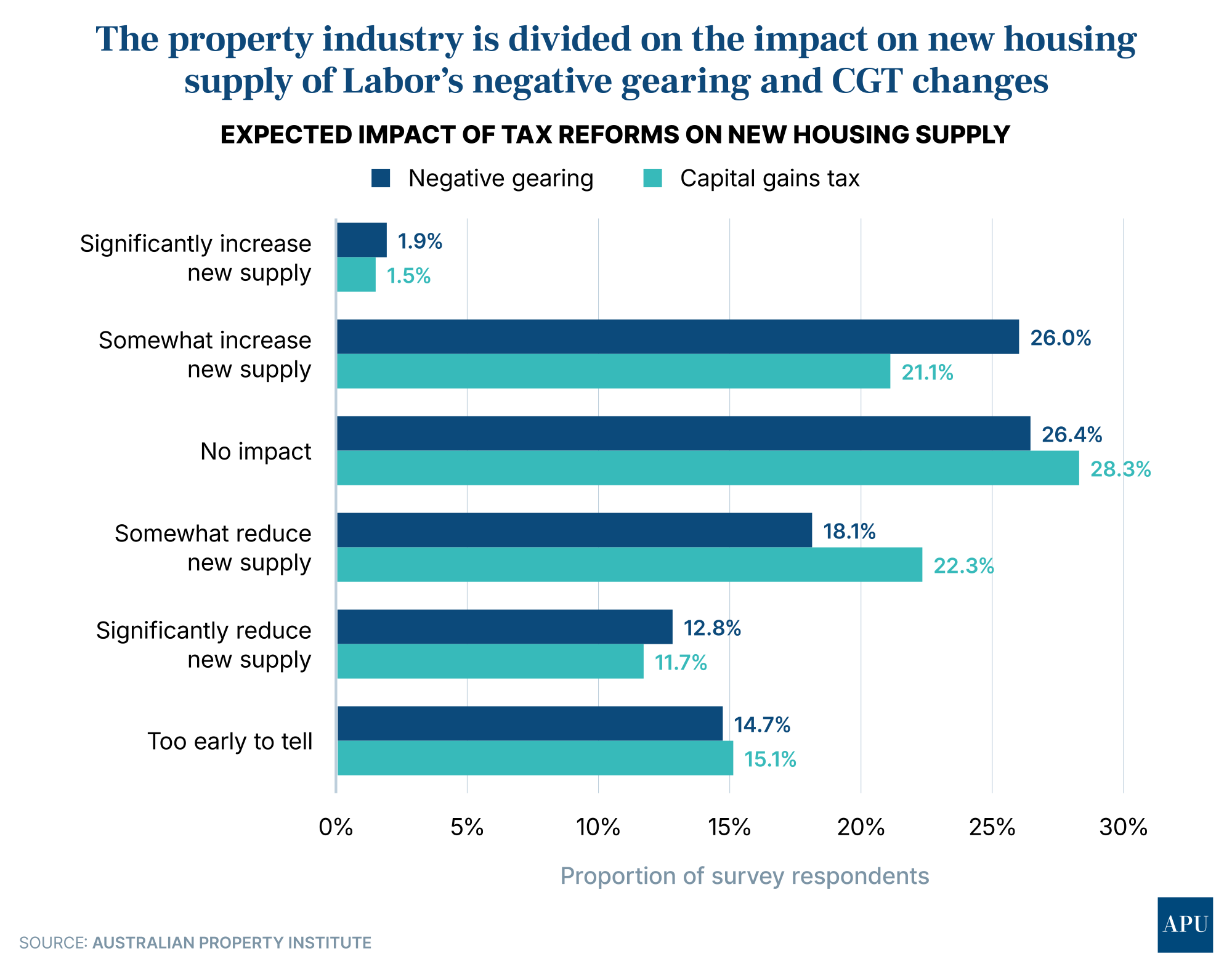
On negative gearing, 27.9% of respondents expected the reform to increase new housing supply, while 30.9% believed it would reduce it.
Another 26.4% expected no impact and 14.7% said it was too early to tell.
The result was slightly more negative for the capital gains tax changes.
Only 22.6% expected the reform to increase supply, compared with 34% who believed it would reduce it.
A further 28.3% expected no impact, while 15.1% said it was too early to know.
For both reforms, the largest group of respondents believed housing supply would decline, although the results were too divided to constitute a clear consensus, while roughly one-third of respondents feared an unintended reduction in home building.
Property market pulled in two different directions
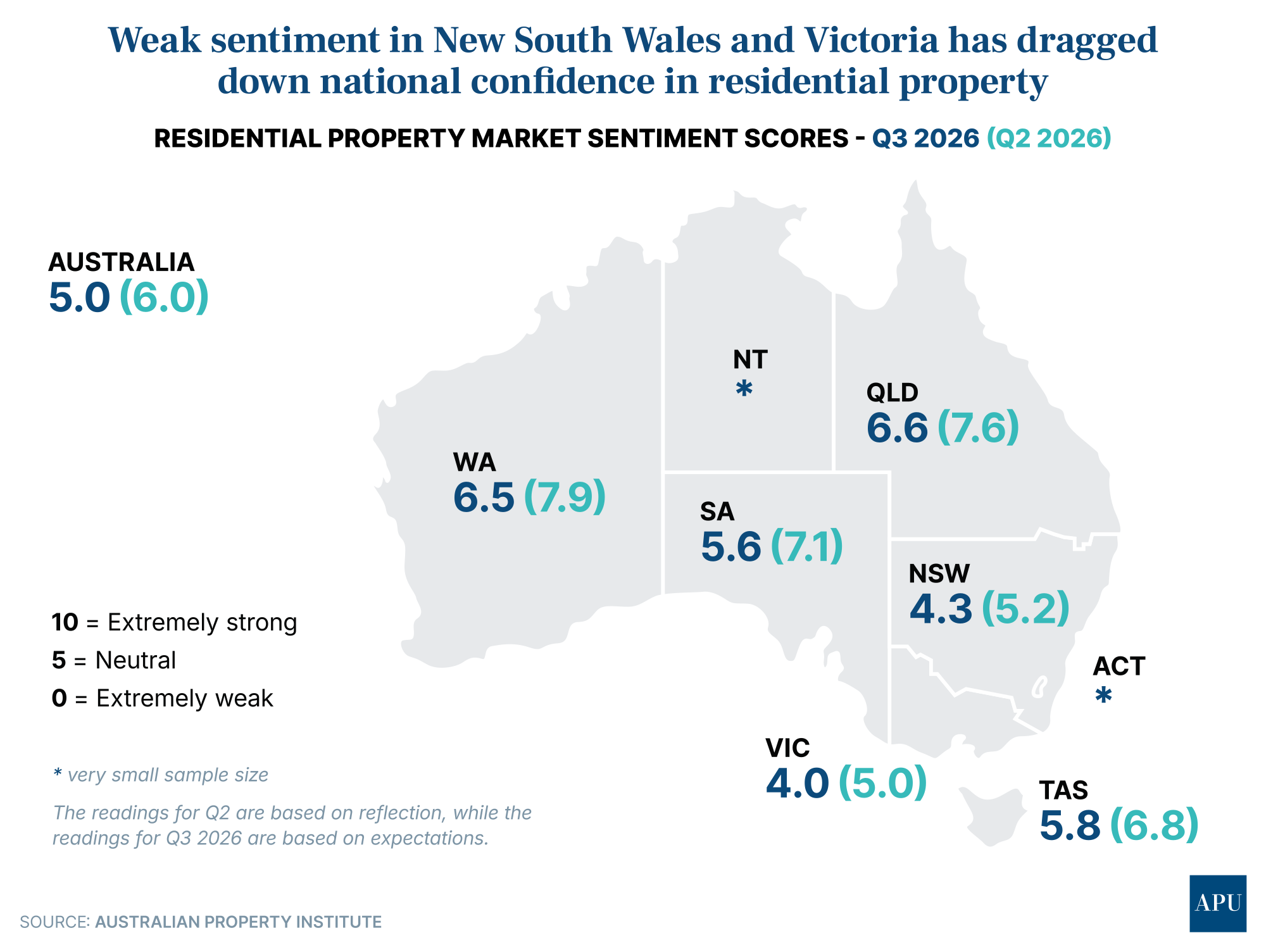
Residential market sentiment recorded the steepest decline of any property sector in the API survey, which also measures office, industrial, retail and agricultural property.
Nationally, it dropped from 6 out of 10 in the last quarterly survey to a neutral reading of 5.
Sentiment fell into cautious territory in Victoria, with a score of 4, and New South Wales at 4.3.
Queensland and Western Australia remained comparatively positive at 6.6 and 6.5 respectively.
“The interest rate front definitely has an impact on the property sector across different asset classes, not just housing, but also in terms of industrial, agricultural, office, retail,” Dr Chan told SKY News.
“But right now, for the housing market, it is the government's tax reforms that have really rattled coffers and people are still digesting what the implications are and people are assessing their options.
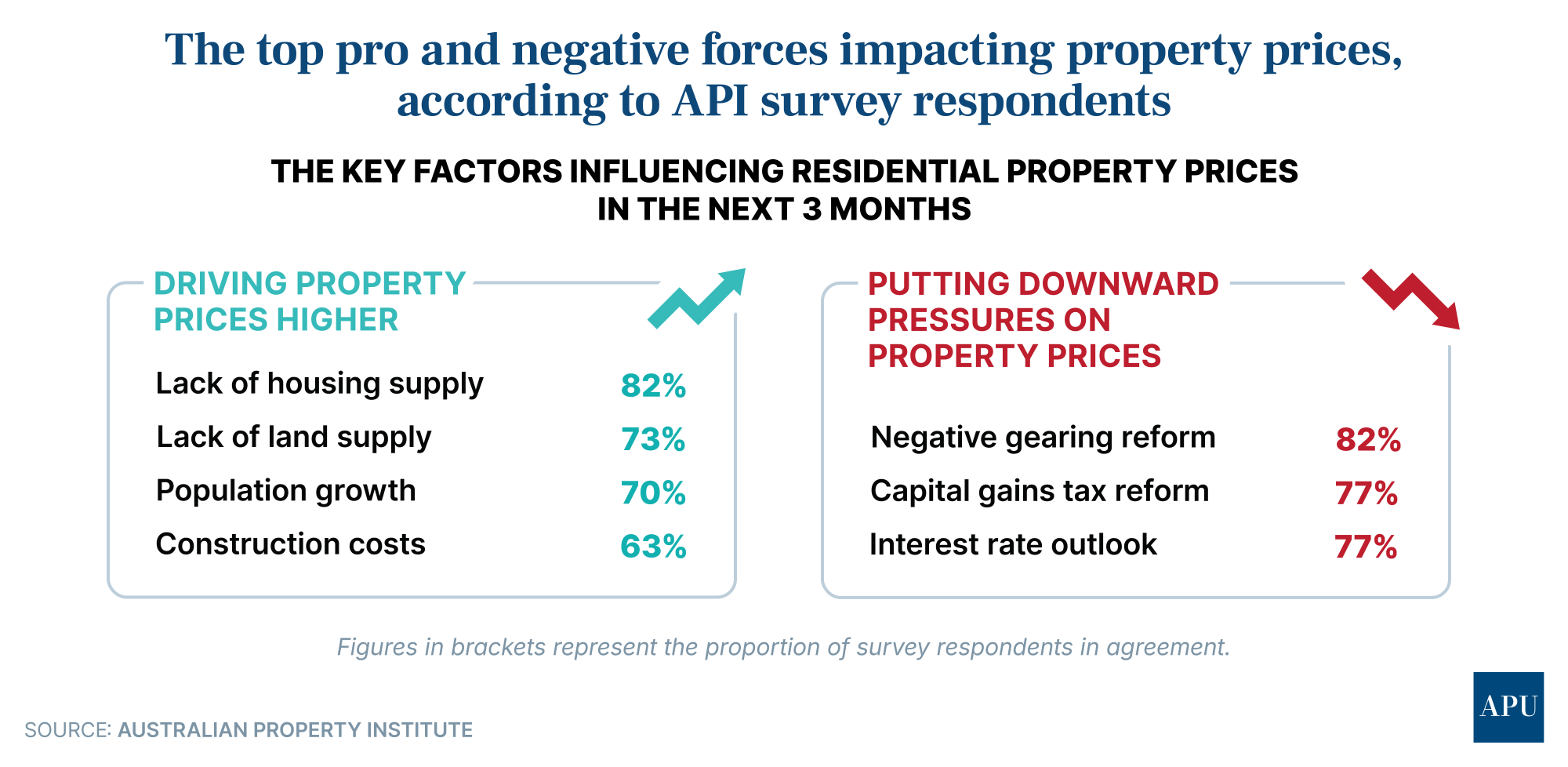
“That's why from our survey, what we've found is that it is the most commonly chosen reason as to why there are downward pressures on property prices,” she says.
Yet a lack of housing supply was identified by 82% of respondents as a force that could push property prices higher over the next three months.
A lack of available land was nominated by 73%, population growth by 70% and construction costs by 63%.
The results point to a housing market being pulled in two directions.
Government tax changes and high interest rates are weakening demand and investor sentiment.
But the physical shortage of homes, land constraints, population growth and expensive construction continue to support prices.
Buyers may benefit, renters may not
The API survey also exposes a sharp divide between the expected effects on home buyers and tenants.
Close to half the respondents believed the negative gearing changes would make housing somewhat or much more affordable for buyers.
Half also expected the capital gains tax reform to improve buyer affordability.
However, there was no overwhelming consensus.
The outlook for renters was much clearer.
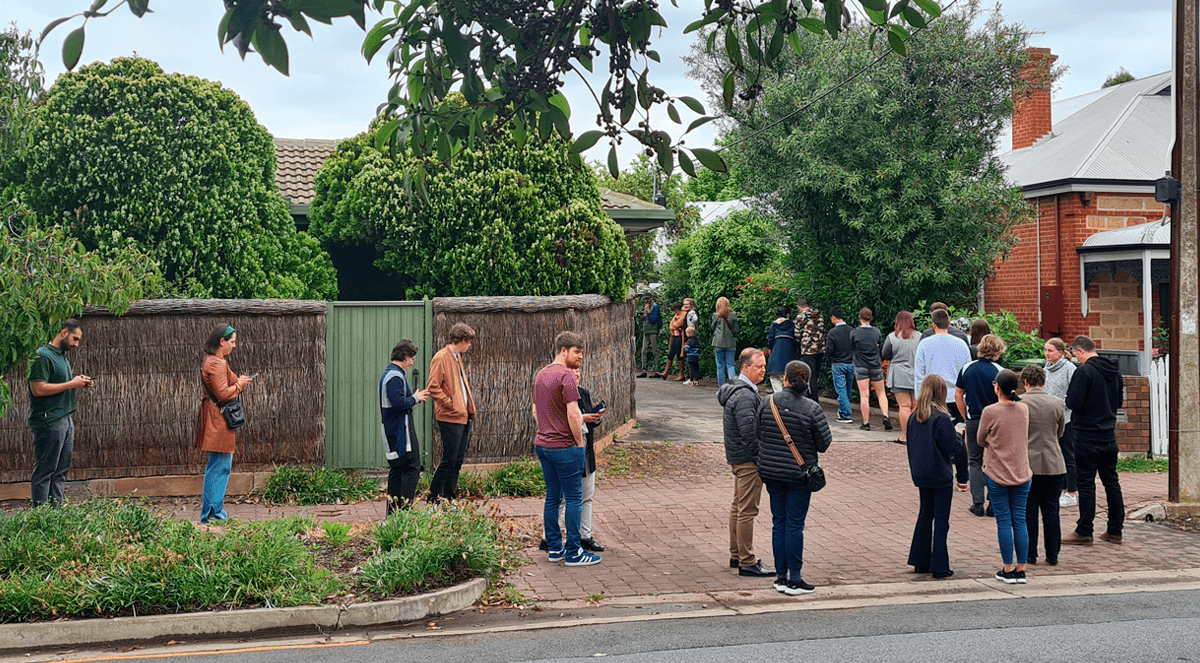
More than 60% expected the negative gearing and capital gains tax changes to make renting somewhat or much less affordable after July 2027.


The take-out
The API survey does not argue that the Government’s reforms will fail, but it does show that the real estate profession is divided on whether the changes will achieve the intended supply outcomes.
It also shows that confidence in the Government’s central supply argument is limited among the people who value property, assess development feasibility and deal with buyers, sellers and investors in local markets every day.







.jpg?width=1920&height=1080&name=WTF%20Is%20Happening%20To%20The%20Housing%20Market!%20$500%20Billion%20Wiped%20Out%20As%20Prices%20Fall%20Faster%20Every%20Month%20Scott%20Kuru%20YPU%20027%20(1).jpg)

%20Scott%20Kuru%20YPU%20025.jpg?width=1920&height=1080&name=This%20Is%20Worse%20Than%20A%20Recession%20RBA%20Admits%20Australias%20Wage%20Collapse%20Cant%20Be%20Stopped%20(Prepare%20Now)%20Scott%20Kuru%20YPU%20025.jpg)





























.jpg?width=1920&height=1080&name=EXPOSED%20How%20The%20Govt%20Let%20These%20Oil%20Giants%20Get%20Away%20With%20Paying%20Zero%20Tax%20For%20Aussie%20Gas%20Scott%20Kuru%20DPU%20256%20(1).jpg)







%20Scott%20Kuru%20DPU%20248.jpg?width=1920&height=1080&name=Major%20Banks%20CAUGHT%20Preparing%20For%20Australia%E2%80%99s%20Biggest%20Housing%20Crash%20(Defaults%20%26%20Bankruptcies%20Coming)%20Scott%20Kuru%20DPU%20248.jpg)
%20Scott%20Kuru%20DPU%20247.jpg?width=1920&height=1080&name=This%20Is%20How%20Australia%20Gets%20Pushed%20Into%20the%20Next%20Big%20Reset%20(Trust%20Collapse%20Has%20Officially%20Begun)%20Scott%20Kuru%20DPU%20247.jpg)







%20Scott%20Kuru%20DPU%20239.jpg?width=1920&height=1080&name=URGENT%20Life%20In%20Australia%20Has%20Become%20Impossible%20For%20Millions%20Of%20Aussies%20(It%E2%80%99s%20About%20To%20Get%20Worse)%20Scott%20Kuru%20DPU%20239.jpg)











%20Scott%20Kuru%20DPU%20227.jpg?width=1920&height=1080&name=URGENT%20ALERT%20Australia%E2%80%99s%20Property%20Market%20Is%20Sliding%20Into%20Something%20Much%20Bigger%20(Prepare%20Now)%20Scott%20Kuru%20DPU%20227.jpg)