








.png?width=292&height=292&name=Copy%20Link%20(1).png)

 SIGN UP FOR FREE NEWSLETTER
Softer home prices have barely improved housing affordability, with higher interest rates swallowing most of the benefit and pushing average mortgage repayments above $6,000 a month.
That’s the key take-out from the Real Estate Institute of Australia’s latest Housing Affordability Report, which shows the proportion of median family income needed to meet average home loan repayments was 50.9% in the June quarter of 2026.
That’s a small 0.1 percentage point deterioration over the past three months, but affordability has worsened by 3.3 percentage points over the past year.
The reason is straightforward: while property prices and average loan sizes eased during the quarter, the Reserve Bank’s May rate rise pushed borrowing costs higher.
The details
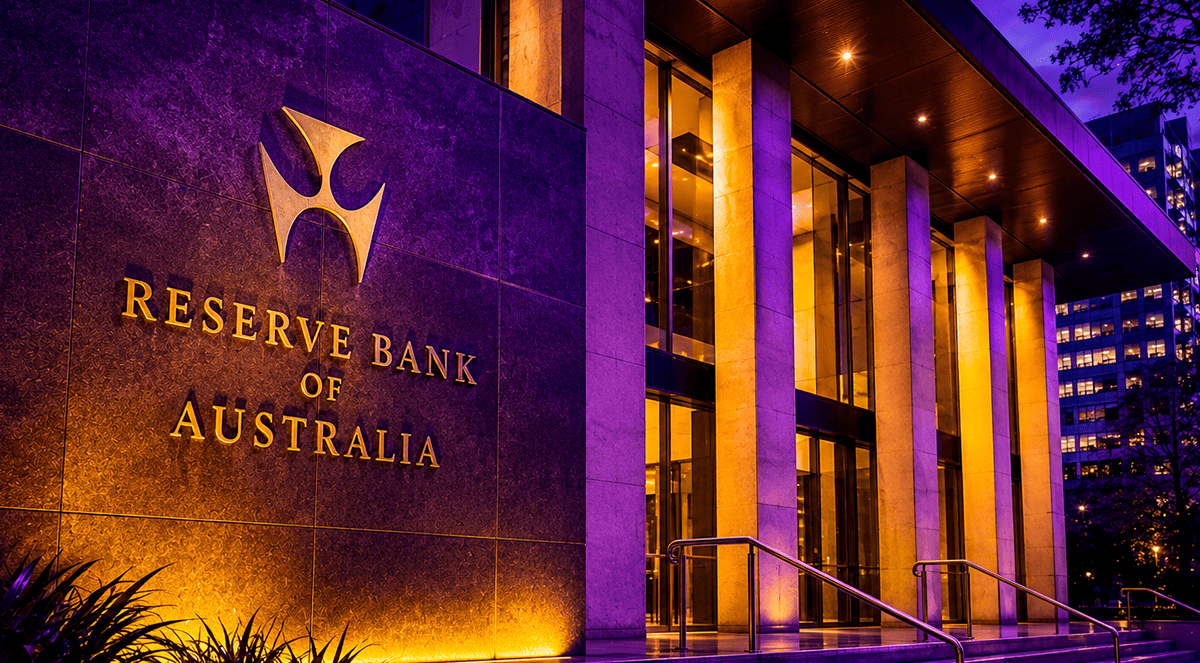
The RBA lifted the cash rate by 25 basis points in May to 4.35%, pushing average standard variable mortgage rates higher.
At the same time, the average owner-occupier loan fell 0.6% to $730,719 and the weighted average median house price declined 1.2% to $1,135,560.
But those falls were not enough to offset higher interest costs.
The average monthly home loan repayment rose to $6,018, up 1.5% over the quarter and a hefty 12.4% over the year.
“While softer property prices and smaller average loans provided some relief, the benefit to home buyers was largely offset by the increase in borrowing costs during the quarter,” REIA President Jacob Caine says.
“The June quarter highlights the competing forces shaping housing affordability.
“Without the decline in house prices and average loan amounts, affordability would likely have deteriorated more significantly following the May interest rate increase,” he says.
He warned the relatively small quarterly movement should not disguise the scale of the pressure on borrowers.
A commonly used benchmark regards households as being in housing stress when more than 30% of their income goes towards housing costs.
NSW still the hardest place to buy
The national result masks large differences between states and territories.
Affordability improved in New South Wales and Victoria during the quarter and was unchanged in Tasmania, but deteriorated everywhere else.
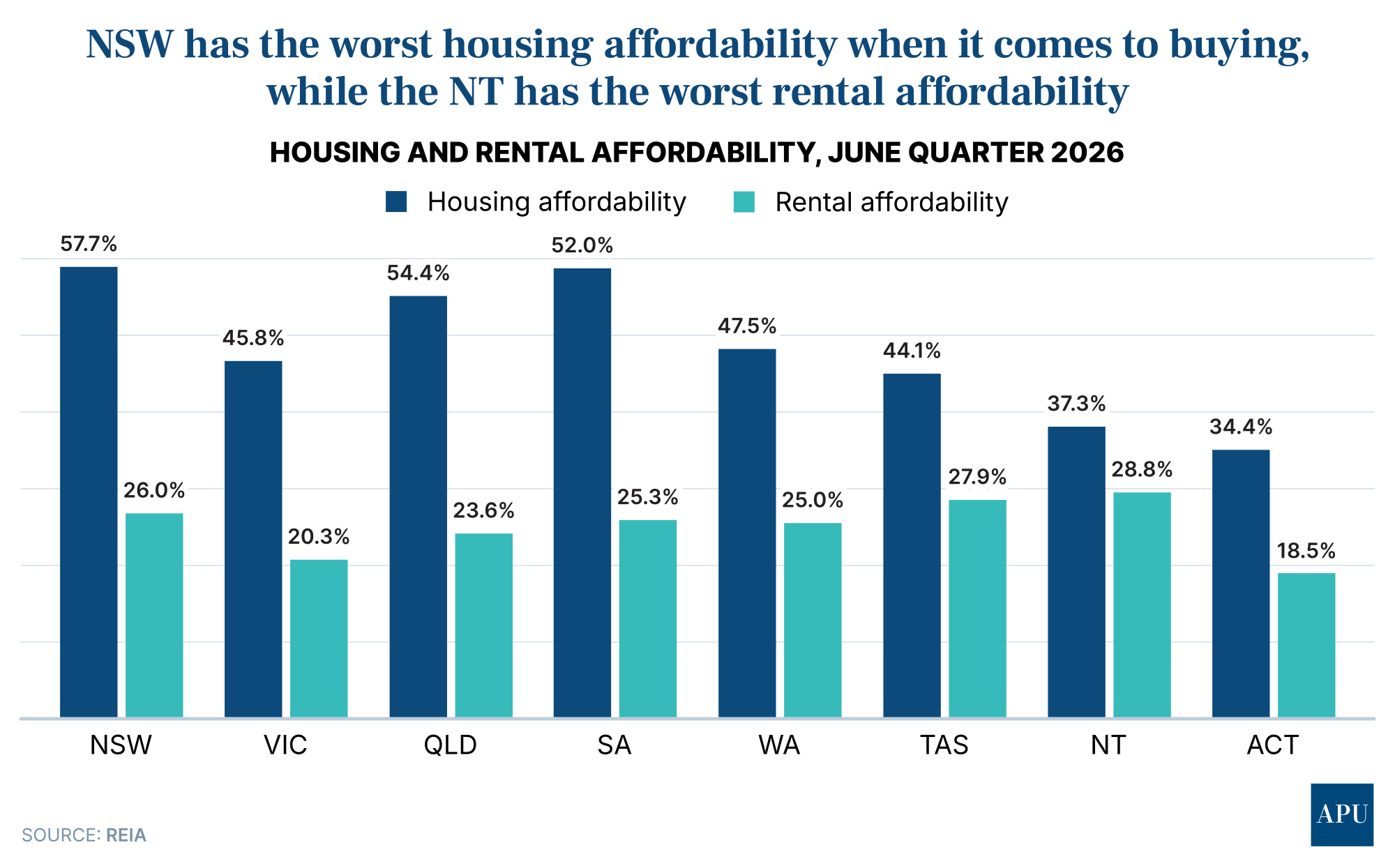
Nevertheless, NSW remained the least affordable jurisdiction for home buyers, with average loan repayments consuming an eye-watering 57.7% of median family income.
Queensland followed at 54.4%, while South Australia was close behind at 52%.
Western Australia recorded the largest quarterly deterioration, with the repayment burden rising 1.6 percentage points to 47.5%.
At the other end of the spectrum, the ACT remained the most affordable jurisdiction on the REIA measure, with average repayments requiring 34.4% of median family income, supported by the nation’s highest median family income.
The figures underline how dramatically the affordability equation has changed.
A fall in house prices would normally help buyers, but when mortgage rates are rising at the same time, borrowing power can shrink faster than prices fall.
That means buyers can face cheaper homes on paper but still struggle to service the loan needed to purchase them.
First-home buyers return
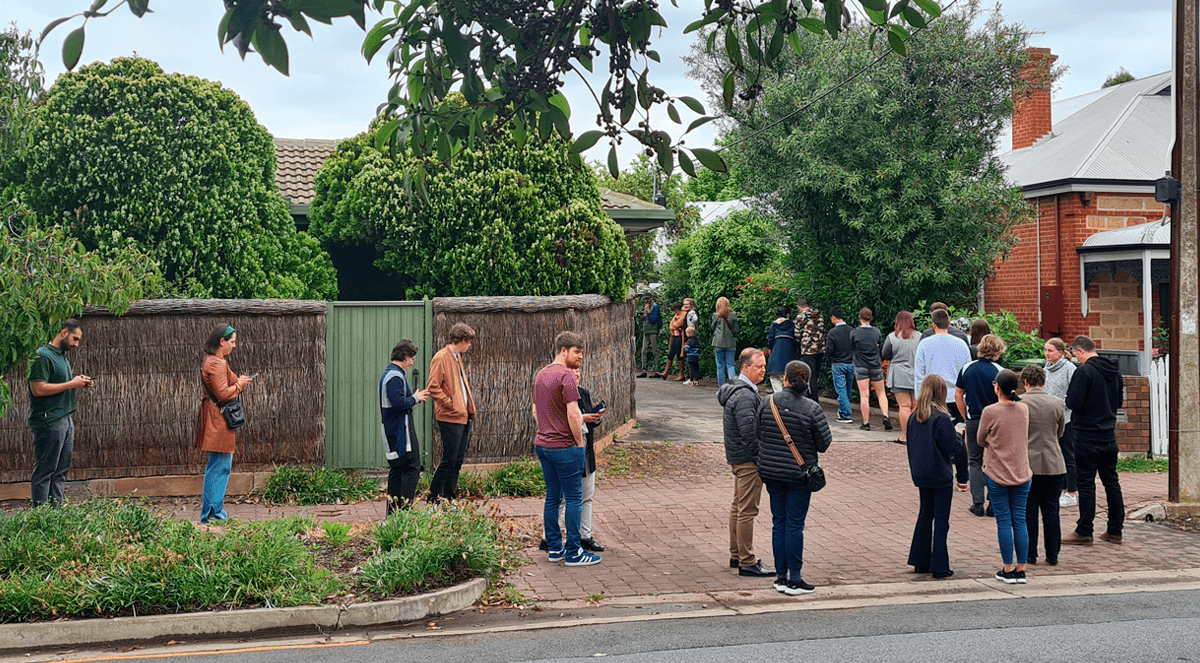
Despite that squeeze, first-home buyer activity increased strongly during the June quarter of 2026.
There were 30,129 new first-home buyer loan commitments, up 11% from the March quarter and broadly unchanged from a year earlier.
First-home buyers accounted for 36.3% of all owner-occupier loan commitments.
Their average loan size fell 0.6% over the quarter to $610,063, although it remained 10% higher than in the June quarter of 2025.
That suggests government support and strong underlying demand are continuing to pull buyers into the market, even as serviceability remains stretched.
But the REIA warns that policies aimed at helping first-home buyers can’t be viewed in isolation.
Mr Caine says changes intended to support home ownership and steer investment towards new construction also need to be assessed against their impact on rental supply, investor confidence and housing delivery.
“Stable and predictable investment settings are essential, particularly while higher interest rates are already increasing financing costs for households and housing projects,” he says.
Rental affordability holds
For renters, the national picture was more stable.
Median rent absorbed 23.9% of median family income, unchanged over both the quarter and the year.
Rental affordability improved modestly in NSW, Queensland and the ACT, but deteriorated in every other jurisdiction.
The Northern Territory recorded the biggest fall in affordability, with the proportion of median family income needed to meet rent jumping 3 percentage points to 28.8%.
That made the NT the least affordable rental jurisdiction in the country.
The ACT remained the most affordable, with median rent consuming 18.5% of median family income.
No simple fix
The report highlights the uncomfortable reality facing the housing market.
Higher interest rates are weakening property prices, but they are simultaneously making loans harder and more expensive to service.
At the same time, higher financing costs and softer prices can make new housing projects harder to stack up financially, potentially threatening future supply.
“Addressing affordability requires coordinated action on planning, enabling infrastructure, construction capacity, taxation, and investment settings, with a sustained focus on increasing housing supply,” REIA’s Jacob Caine says.
For buyers, the immediate message is less encouraging.
House prices may have softened, but until borrowing costs also come down, that does not necessarily make homes much easier to afford.







.jpg?width=1920&height=1080&name=WTF%20Is%20Happening%20To%20The%20Housing%20Market!%20$500%20Billion%20Wiped%20Out%20As%20Prices%20Fall%20Faster%20Every%20Month%20Scott%20Kuru%20YPU%20027%20(1).jpg)
%20Scott%20Kuru%20YPU%20025.jpg?width=1920&height=1080&name=This%20Is%20Worse%20Than%20A%20Recession%20RBA%20Admits%20Australias%20Wage%20Collapse%20Cant%20Be%20Stopped%20(Prepare%20Now)%20Scott%20Kuru%20YPU%20025.jpg)

























.jpg?width=1920&height=1080&name=EXPOSED%20How%20The%20Govt%20Let%20These%20Oil%20Giants%20Get%20Away%20With%20Paying%20Zero%20Tax%20For%20Aussie%20Gas%20Scott%20Kuru%20DPU%20256%20(1).jpg)






%20Scott%20Kuru%20DPU%20248.jpg?width=1920&height=1080&name=Major%20Banks%20CAUGHT%20Preparing%20For%20Australia%E2%80%99s%20Biggest%20Housing%20Crash%20(Defaults%20%26%20Bankruptcies%20Coming)%20Scott%20Kuru%20DPU%20248.jpg)
%20Scott%20Kuru%20DPU%20247.jpg?width=1920&height=1080&name=This%20Is%20How%20Australia%20Gets%20Pushed%20Into%20the%20Next%20Big%20Reset%20(Trust%20Collapse%20Has%20Officially%20Begun)%20Scott%20Kuru%20DPU%20247.jpg)







%20Scott%20Kuru%20DPU%20239.jpg?width=1920&height=1080&name=URGENT%20Life%20In%20Australia%20Has%20Become%20Impossible%20For%20Millions%20Of%20Aussies%20(It%E2%80%99s%20About%20To%20Get%20Worse)%20Scott%20Kuru%20DPU%20239.jpg)










%20Scott%20Kuru%20DPU%20227.jpg?width=1920&height=1080&name=URGENT%20ALERT%20Australia%E2%80%99s%20Property%20Market%20Is%20Sliding%20Into%20Something%20Much%20Bigger%20(Prepare%20Now)%20Scott%20Kuru%20DPU%20227.jpg)