









.png?width=292&height=292&name=Copy%20Link%20(1).png)

 SIGN UP FOR FREE NEWSLETTER
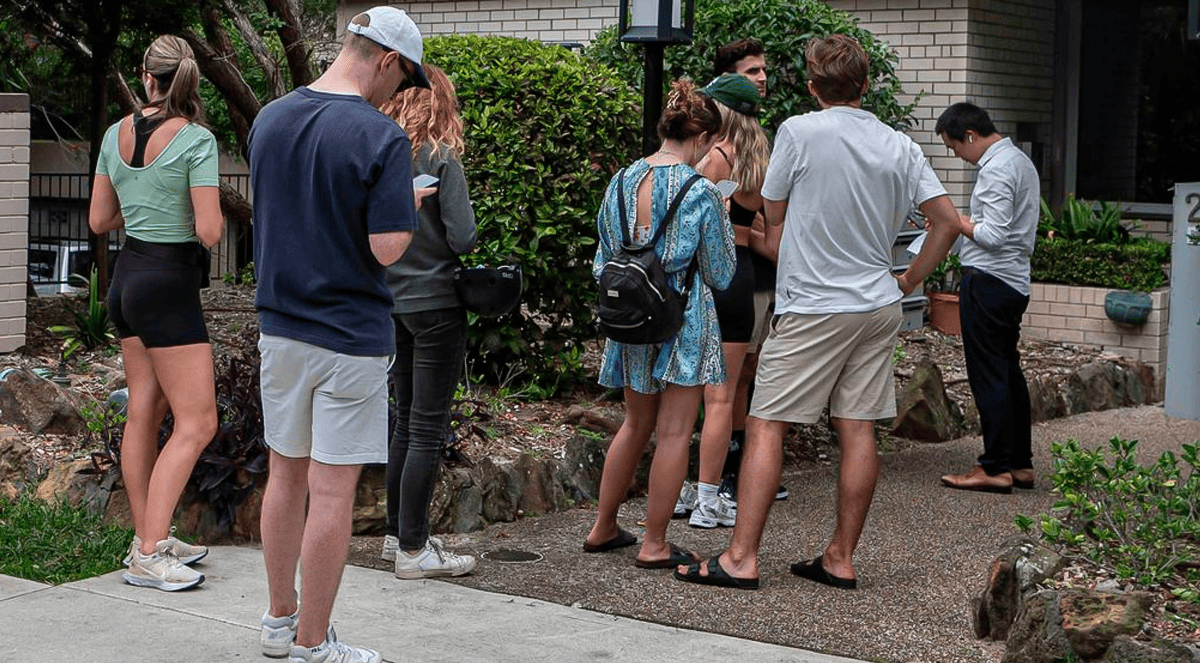
Image by Flavio Brancaleone
Australia's housing market may have lost some of its momentum, but one of the key forces underpinning the long-term strength of residential property is showing little sign of easing.
While dwelling values have softened in several capital cities over recent months, the country's rental market continues to tighten.
In fact, new data from Cotality shows rents are rising faster than they were a year ago, vacancy rates remain low and the supply of available rental homes is still well below normal levels.
Those conditions reflect a housing market where demand continues to outstrip supply, while tenants face ongoing affordability pressures.
The details
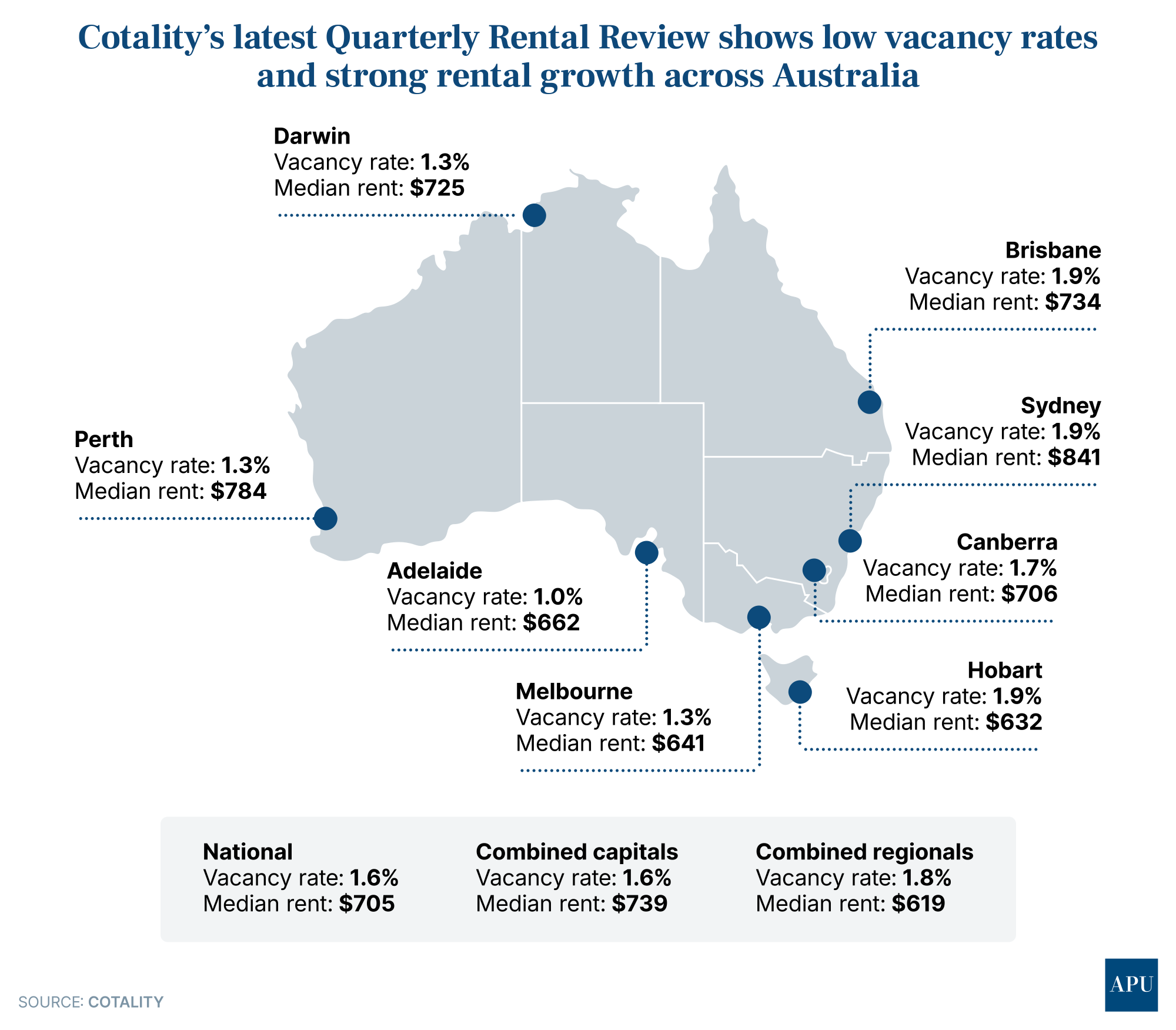
Cotality's latest Quarterly Rental Review shows national rents increased 1.6% over the June quarter, taking annual rental growth to 5.9%.
While quarterly growth has moderated from the rapid pace recorded through 2023 and 2024, annual rental growth has steadily trended higher since hitting a cyclical low in mid-2025.
The median advertised rent across Australia has climbed to $705 a week.
Perhaps more significantly, rents have now increased by more than 40% over the past five years, adding around $204 a week to the typical tenancy.
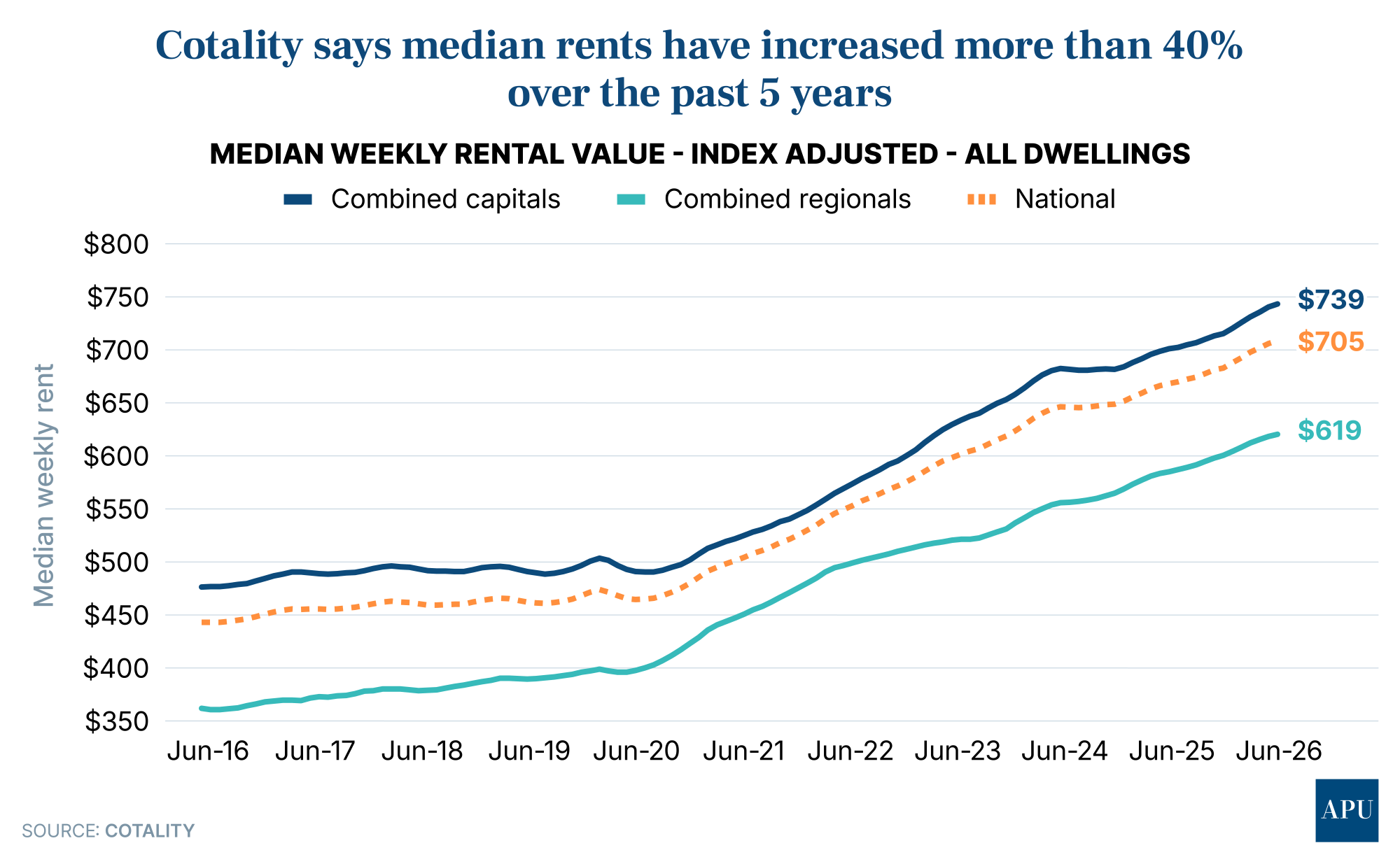
By comparison, rents increased by just 12.2% over the previous five-year period.
Cotality Head of Research Gerard Burg says the recent moderation in quarterly rental growth should not be mistaken for a return to balanced market conditions.
“While quarterly rental growth has eased slightly, the underlying supply deficit means conditions remain incredibly challenging for tenants,” Mr Burg says.
Cotality’s report suggests Australia's rental market continues to be constrained by a shortage of available housing rather than a lack of tenant demand.
Housing shortage still driving rental market
One of the strongest themes running through Cotality’s Quarterly Rental Review is that the housing shortage has not disappeared simply because home price growth has slowed.
Recent months have seen dwelling values ease across Sydney and Melbourne as higher interest rates, affordability pressures and weaker buyer confidence weigh on demand.
But the rental market continues to tell a different story.
Population growth remains strong, household formation continues to increase demand for housing and new supply is still struggling to keep pace.
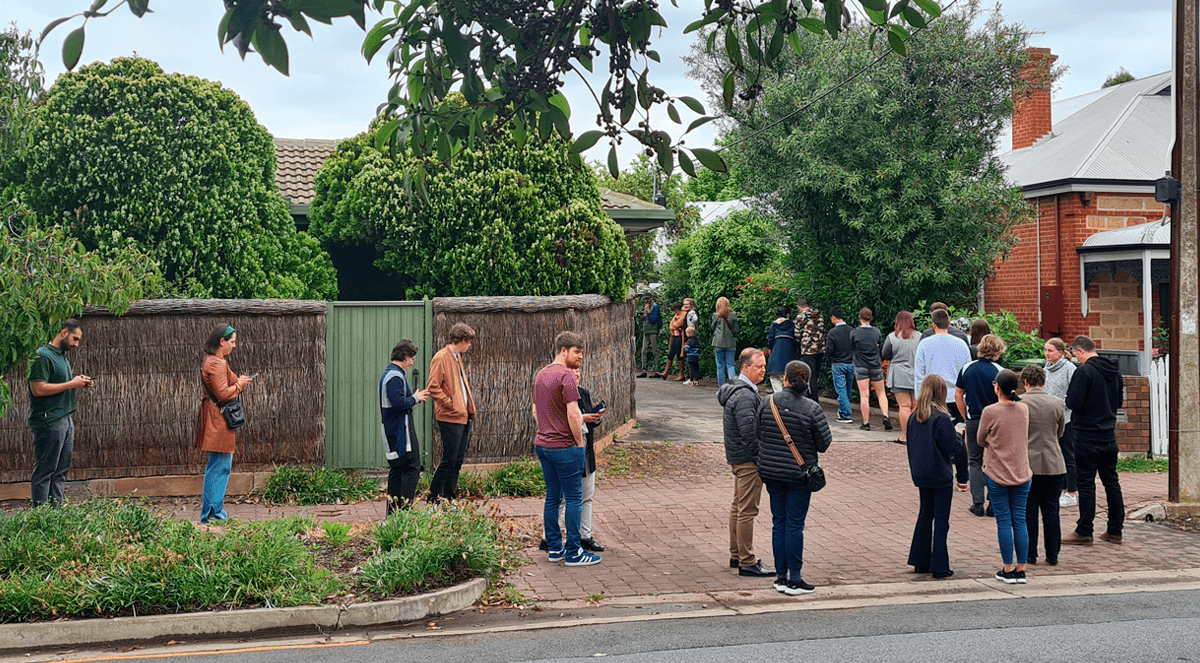
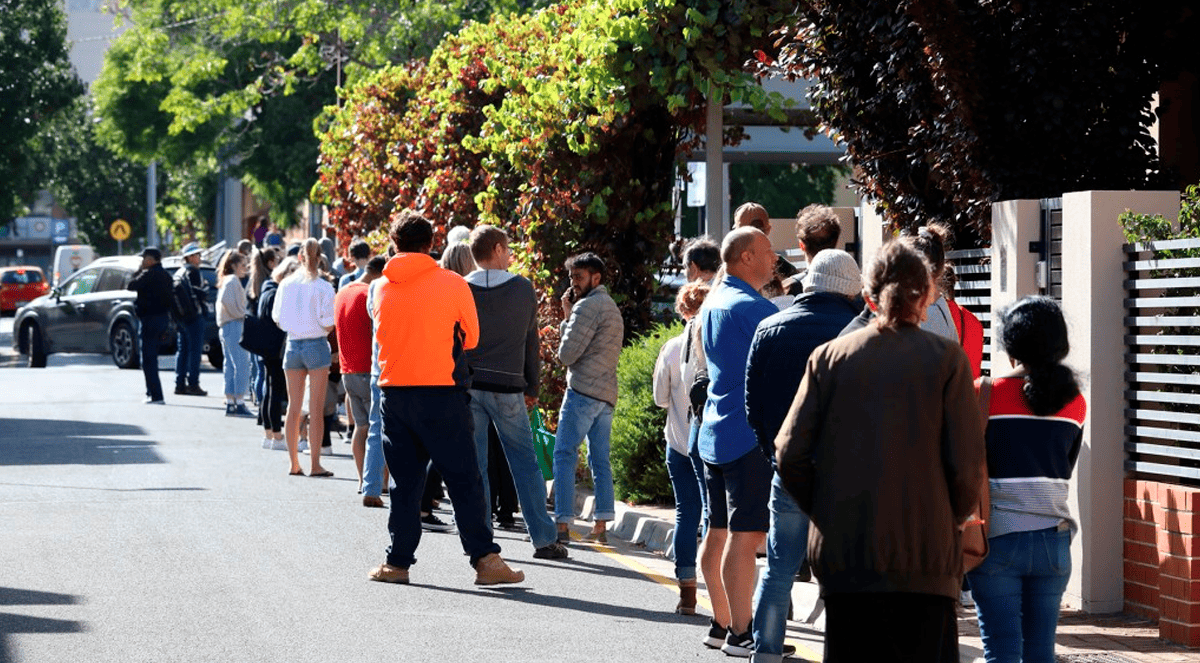
The result is that vacancy rates remain exceptionally low across almost every major market.
National vacancy rates remained at just 1.6% during the June quarter - well below the long-term average - while the total number of rental listings remains substantially below historical norms.
"With vacancy rates compressed so tightly, tenants are left with very little leverage," Mr Burg says.
The figures suggest competition for available rental properties remains intense despite mounting affordability pressures.
Every capital city recorded a vacancy rate below two per cent during the June quarter, with Adelaide remaining Australia's tightest rental market.
Melbourne, Perth and Darwin also continue to record vacancy rates well below levels generally regarded as balanced.
The report suggests these supply constraints are likely to remain a defining feature of Australia's housing market for some time.
Yields begin to recover
The combination of softer home prices and rising rents is also beginning to improve investment returns.
After several years of compression, gross rental yields have started edging higher across most capital cities.
National gross rental yields increased to 3.7% during June 2026 as rental growth continued to outpace dwelling price growth.
Mr Burg says that trend is expected to continue.
"Looking ahead, we expect gross rental yields to continue moving higher across major capitals over the near term, driven by deteriorating home value growth and sustained rental demand," he says.
While yields remain below the cost of borrowing for many leveraged investors, the report suggests the balance is gradually shifting as rents continue rising and dwelling prices soften.
That combination may help encourage more investor interest in residential property over time, particularly if interest rates begin to stabilise.
The report also highlights how varied Australia's rental markets have become.
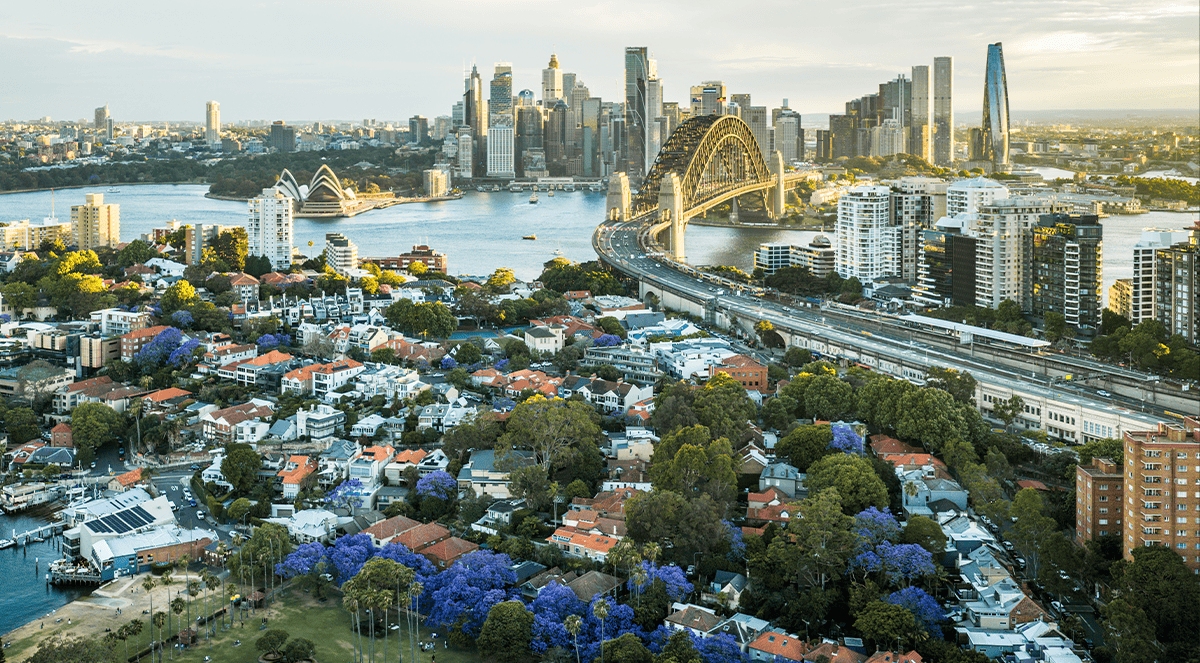
Sydney remains the country's most expensive rental market, but Perth and Brisbane have continued closing the gap after several years of exceptionally strong rental growth.
Darwin recorded the strongest annual rental growth of any capital city, while Perth, Hobart and Brisbane also posted above-average increases.
Although vacancy rates have tightened considerably, Melbourne remains the most affordable mainland capital for renters, reflecting several years of relatively subdued rental growth compared with the faster-growing northern and western capitals.
The differing performance reinforces an increasingly important point for investors.
Rather than moving in lockstep, Australia's housing markets are increasingly being driven by local factors including population growth, employment conditions, housing supply and affordability.
Affordability challenge
The report also makes clear that rapidly rising rents are creating increasing financial pressure for tenants.
Rental affordability has deteriorated significantly over recent years, with households now committing a much larger share of their income to housing costs than they did before the pandemic.
Mr Burg says affordability pressures are beginning to act as a natural brake on rental growth, limiting landlords' ability to pass on larger increases.
But affordability constraints alone do not create more housing.
Without a substantial lift in new housing supply, the report suggests Australia's rental market is likely to remain structurally undersupplied.
As Cotality’s Gerard Burg notes, affordability may influence how quickly rents rise from here.
But the broader message from the report is clear: until Australia builds substantially more homes, the underlying supply-demand imbalance is unlikely to disappear.
And that means the rental market is likely to remain one of the strongest pillars supporting residential property investment in the years ahead.






.jpg?width=1920&height=1080&name=WTF%20Is%20Happening%20To%20The%20Housing%20Market!%20$500%20Billion%20Wiped%20Out%20As%20Prices%20Fall%20Faster%20Every%20Month%20Scott%20Kuru%20YPU%20027%20(1).jpg)
%20Scott%20Kuru%20YPU%20025.jpg?width=1920&height=1080&name=This%20Is%20Worse%20Than%20A%20Recession%20RBA%20Admits%20Australias%20Wage%20Collapse%20Cant%20Be%20Stopped%20(Prepare%20Now)%20Scott%20Kuru%20YPU%20025.jpg)



















.jpg?width=1920&height=1080&name=EXPOSED%20How%20The%20Govt%20Let%20These%20Oil%20Giants%20Get%20Away%20With%20Paying%20Zero%20Tax%20For%20Aussie%20Gas%20Scott%20Kuru%20DPU%20256%20(1).jpg)







%20Scott%20Kuru%20DPU%20248.jpg?width=1920&height=1080&name=Major%20Banks%20CAUGHT%20Preparing%20For%20Australia%E2%80%99s%20Biggest%20Housing%20Crash%20(Defaults%20%26%20Bankruptcies%20Coming)%20Scott%20Kuru%20DPU%20248.jpg)
%20Scott%20Kuru%20DPU%20247.jpg?width=1920&height=1080&name=This%20Is%20How%20Australia%20Gets%20Pushed%20Into%20the%20Next%20Big%20Reset%20(Trust%20Collapse%20Has%20Officially%20Begun)%20Scott%20Kuru%20DPU%20247.jpg)







%20Scott%20Kuru%20DPU%20239.jpg?width=1920&height=1080&name=URGENT%20Life%20In%20Australia%20Has%20Become%20Impossible%20For%20Millions%20Of%20Aussies%20(It%E2%80%99s%20About%20To%20Get%20Worse)%20Scott%20Kuru%20DPU%20239.jpg)







%20Scott%20Kuru%20DPU%20227.jpg?width=1920&height=1080&name=URGENT%20ALERT%20Australia%E2%80%99s%20Property%20Market%20Is%20Sliding%20Into%20Something%20Much%20Bigger%20(Prepare%20Now)%20Scott%20Kuru%20DPU%20227.jpg)