









.png?width=292&height=292&name=Copy%20Link%20(1).png)

 SIGN UP FOR FREE NEWSLETTER
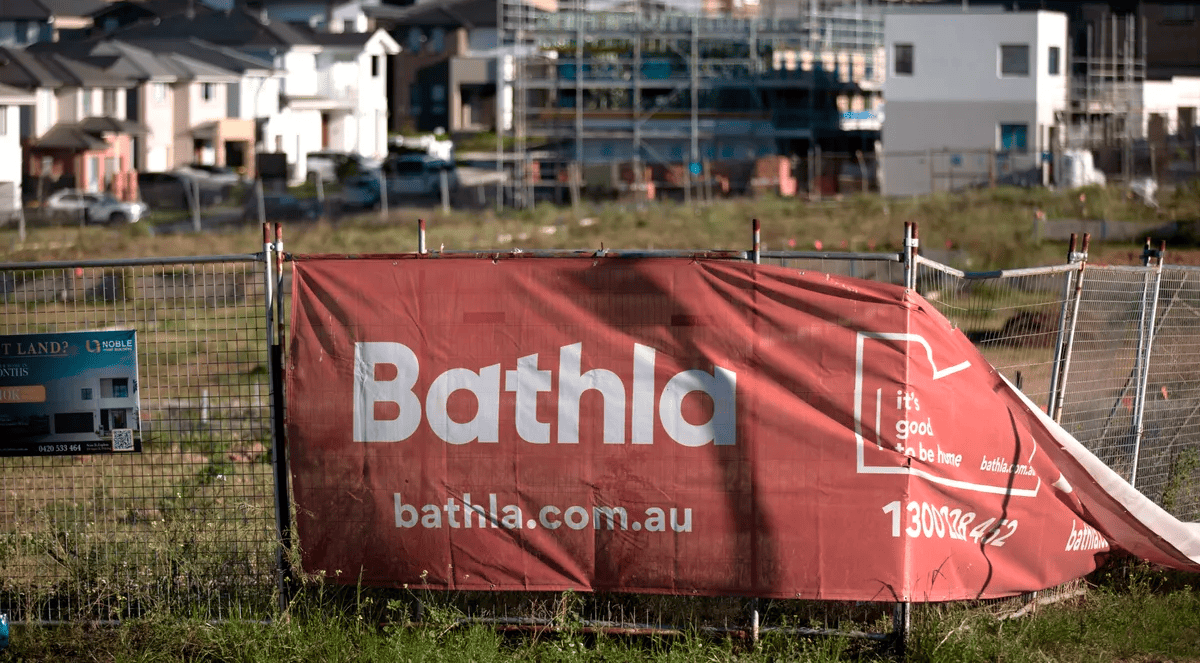
Image by Brent Lewin/Bloomberg
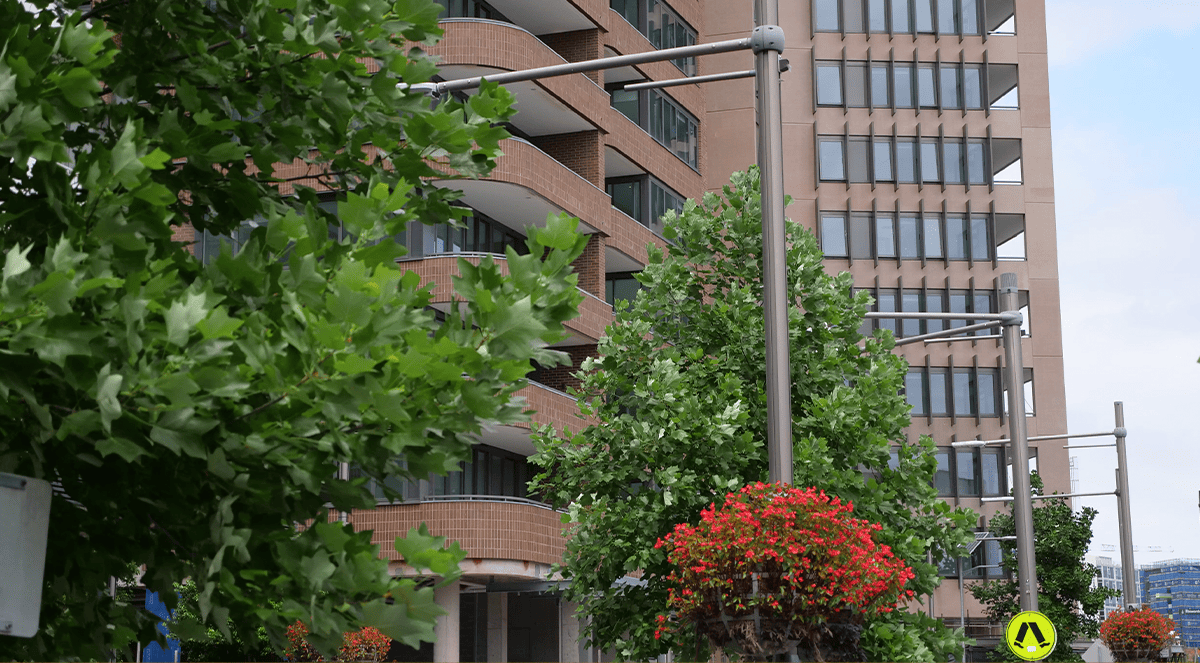
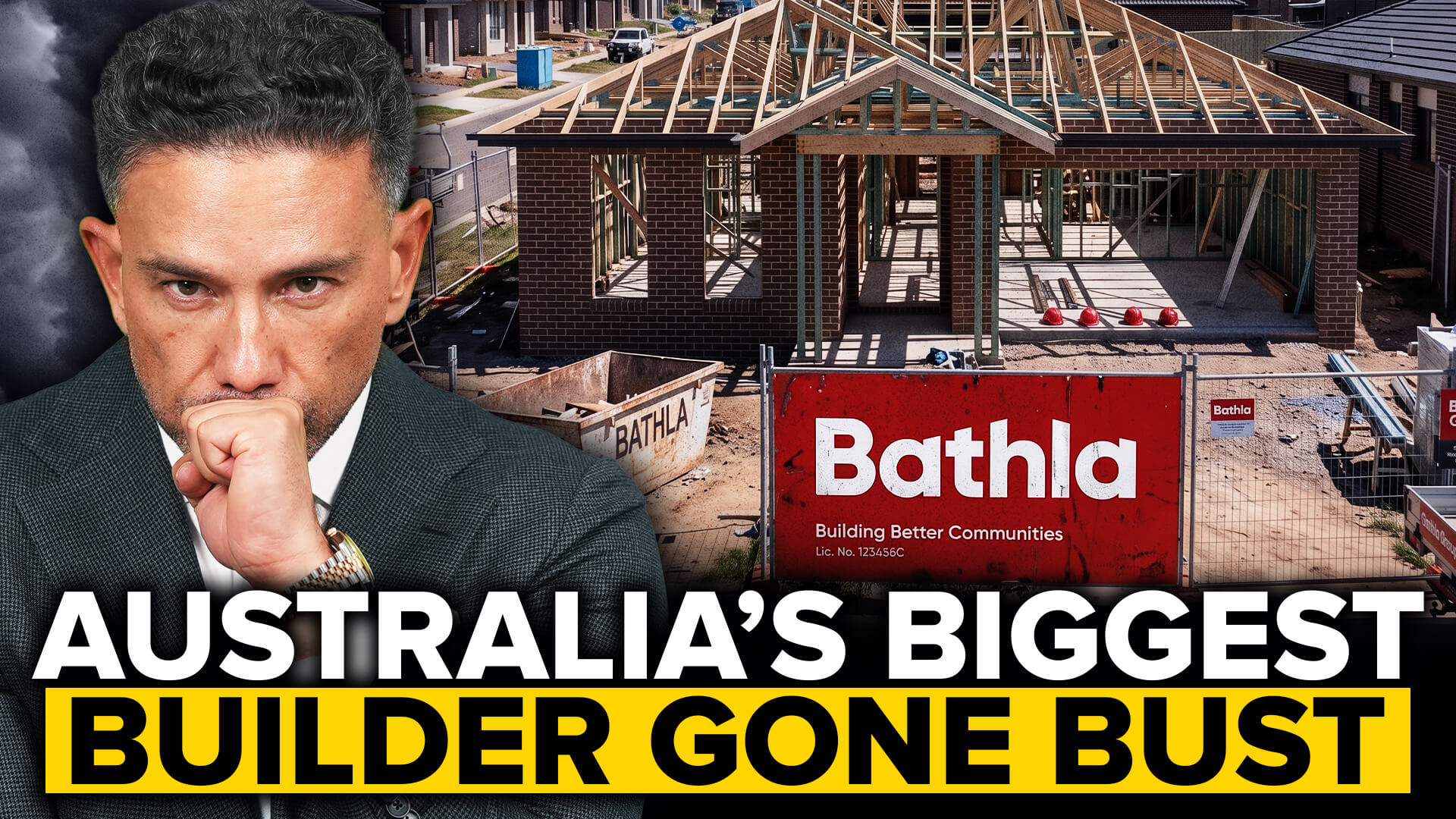
The collapse of one of Sydney’s biggest residential developers could have consequences far beyond the thousands of Bathla Group homes now caught in administration.
Economists and industry observers warn the failure could make lenders and developers much more cautious about financing affordable housing projects in areas where margins are already thin, construction costs are high and buyer demand has weakened.
The details
Bathla Group entered voluntary administration in late August with debts reported at around $3.4 billion.
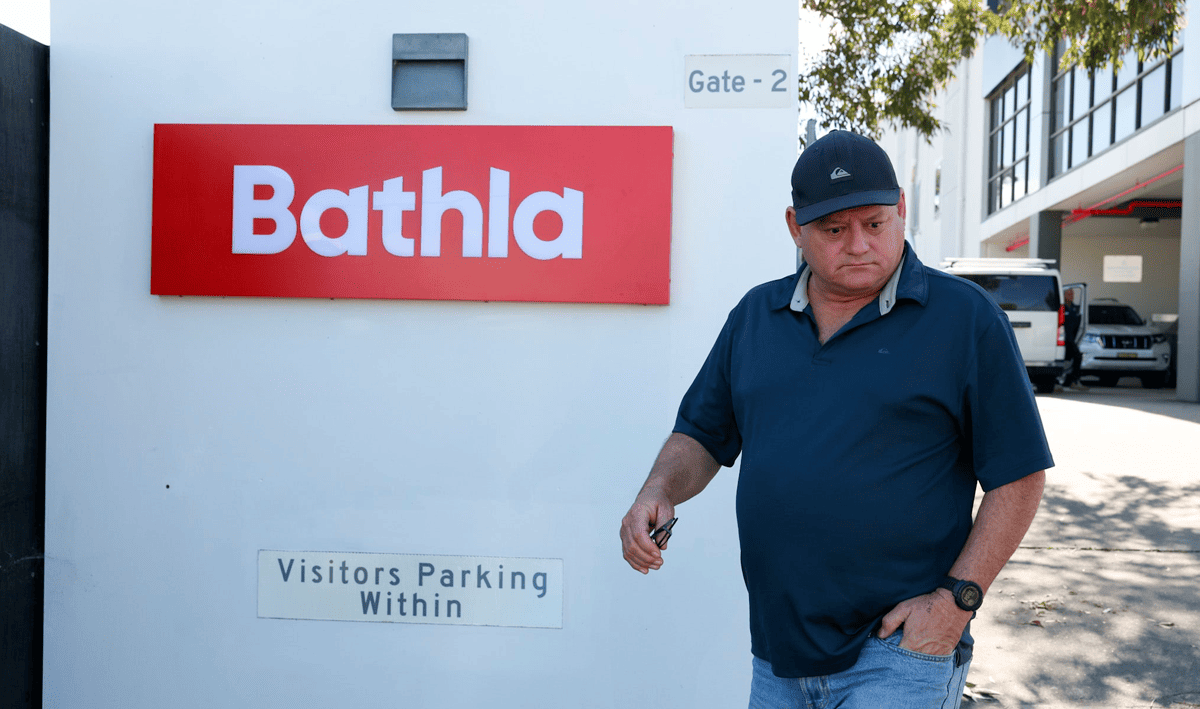
Image by Janie Barrett/SMH
More than 200 staff have now been stood down, while administrators have secured only enough temporary funding to keep a limited number of projects running for another two weeks.
The company reportedly has about 45 active construction sites, roughly 2,000 homes under construction and another 13,000 dwellings in its development pipeline.
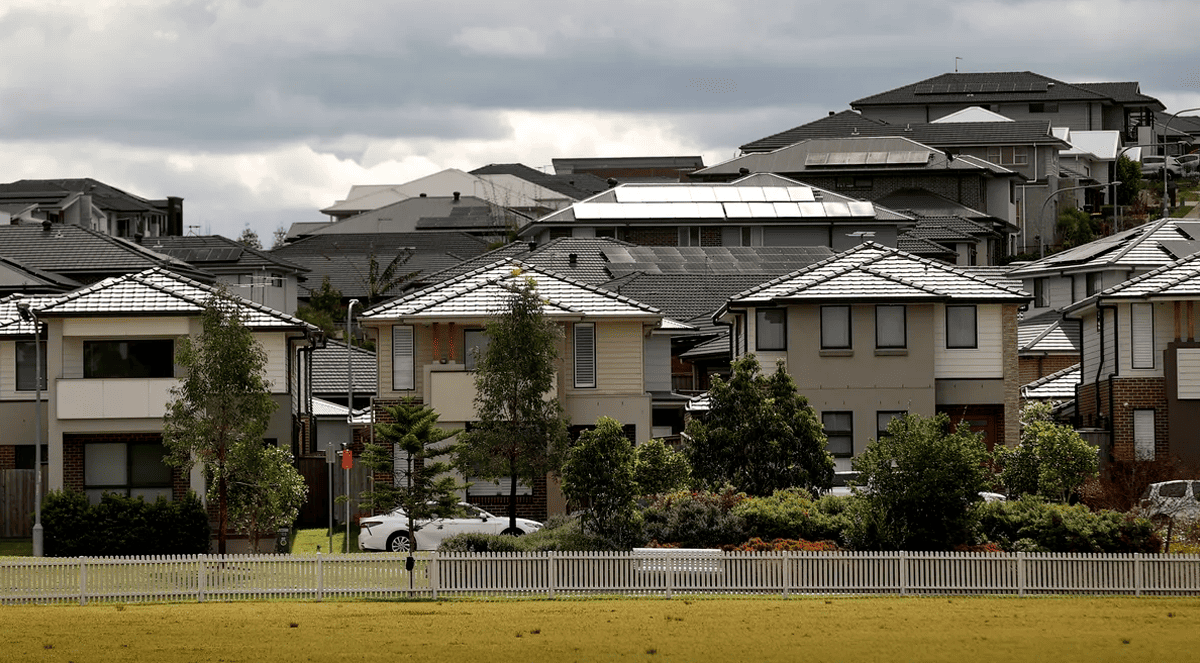
That makes the fallout particularly significant for western and north-western Sydney, where Bathla became a major provider of lower-priced housing.
Challenger Chief Economist Jonathan Kearns, a former senior Reserve Bank official, says the group’s collapse will make an already difficult housing-supply task even harder.
“It is certainly going to be a hit to that,” he says.
“This is going to make it even harder, particularly in that affordable segment in Western Sydney.”
Dr Kearns says developers competing at the cheaper end of the market are already working on very narrow margins, meaning Bathla’s failure could make lenders more wary of similar business models.
“If any other builders have been doing the same, trying to compete in that affordable housing sector, then they’re the ones who are also going to be facing greater challenges,” he says.
“And so lenders will be more concerned about lending to anybody with a similar kind of business model.”
Bathla’s difficulties reflect both company-specific problems and much wider pressures confronting residential development.
Dr Kearns says construction costs have risen sharply over the past few years, property sales have weakened as the housing market slows, and developer funding has become more expensive.
But he cautions against assuming Bathla’s failure means the entire industry is about to collapse.
Dr Kearns says Bathla had expanded rapidly and was operating with particularly thin margins, leaving it less resilient when funding conditions deteriorated.
“We don’t want to extrapolate too far and assume that this is going to be a widespread problem,” Dr Kearns says, “but certainly construction is an industry where you tend to have a larger share of insolvencies and defaults relative to other sectors because it tends to be more cyclical.”
Yet the danger is that Bathla’s collapse changes behaviour even among businesses that remain solvent.
Banks and private lenders may charge higher margins as they price in greater risk, while requiring developers to have more equity and stronger presales before agreeing to fund new projects.
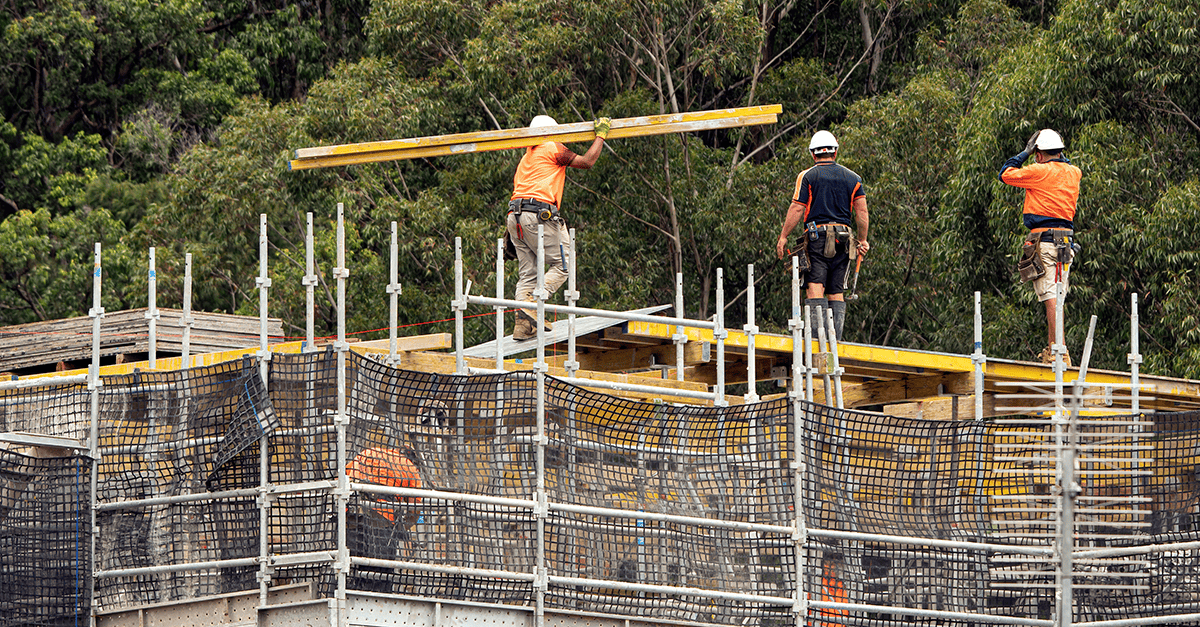
Developers may respond by delaying or abandoning affordable projects altogether in favour of higher-priced housing, where costs can more easily be passed on to buyers.
That is particularly problematic in western Sydney, where government housing targets depend heavily on private developers delivering large volumes of comparatively affordable homes.
Affordable housing squeeze
ABC finance commentator Alan Kohler says the Bathla collapse exposes an uncomfortable collision between Australia’s need for cheaper housing and the rising cost of delivering higher-quality buildings.
Bathla operated heavily at the affordable end of the market, but the NSW Government has tightened building regulation following high-profile defects in large Sydney apartment towers.
“There’s a real issue now, I think, as to … how cheap can these apartments be really if they’ve got to lift the quality?” Mr Kohler says.
“And also..building costs have gone up an enormous amount as well.”
Alan Kohler says the Federal Budget changes affecting investor demand “wouldn’t have helped”, although he does not regard them as the primary cause of Bathla’s collapse.
He points instead to excessive borrowing, tougher building requirements and expensive finance as major contributors.
The Bathla collapse has also shone a spotlight on the role of private credit.
The developer relied on dozens of non-bank lenders, with different projects financed separately.
Dr Kearns says that funding structure makes a rescue considerably more complicated because each project requires negotiations with a different group of lenders.
Mr Kohler describes private credit as “expensive money” that ultimately feeds into housing costs.

Housing targets get harder
The broader concern is what Bathla means for Australia’s already faltering housing targets.
The National Housing Accord calls for 1.2 million homes to be built nationally over five years, or an average of 240,000 annually.
Australia fell roughly 70,000 homes short of that required pace in the first full year of the Accord.
Bathla’s pipeline therefore matters not just because of its size, but because many of those homes were planned for one of the country’s fastest-growing areas.
Mr Kohler estimates Bathla’s roughly 14,000-home pipeline represents a significant share of NSW’s 377,000-home Housing Accord commitment.
Administrators have secured between $3 million and $5 million from five lenders, allowing some construction to continue temporarily, but only a portion of Bathla’s active sites are expected to operate under the deal.
The bigger issue is what happens next.
If lenders conclude affordable housing projects carry too much risk, finance will become harder to obtain.
If developers conclude the margins are no longer worth it, fewer projects will start.
And if fewer homes are built in western Sydney, housing pressure does not disappear.
It risks showing up instead in tighter rental markets, greater upward pressure on prices and an even harder task meeting Australia’s housing-supply targets.



.jpg?width=1920&height=1080&name=WTF%20Is%20Happening%20To%20The%20Housing%20Market!%20$500%20Billion%20Wiped%20Out%20As%20Prices%20Fall%20Faster%20Every%20Month%20Scott%20Kuru%20YPU%20027%20(1).jpg)
%20Scott%20Kuru%20YPU%20025.jpg?width=1920&height=1080&name=This%20Is%20Worse%20Than%20A%20Recession%20RBA%20Admits%20Australias%20Wage%20Collapse%20Cant%20Be%20Stopped%20(Prepare%20Now)%20Scott%20Kuru%20YPU%20025.jpg)


























.jpg?width=1920&height=1080&name=EXPOSED%20How%20The%20Govt%20Let%20These%20Oil%20Giants%20Get%20Away%20With%20Paying%20Zero%20Tax%20For%20Aussie%20Gas%20Scott%20Kuru%20DPU%20256%20(1).jpg)






%20Scott%20Kuru%20DPU%20248.jpg?width=1920&height=1080&name=Major%20Banks%20CAUGHT%20Preparing%20For%20Australia%E2%80%99s%20Biggest%20Housing%20Crash%20(Defaults%20%26%20Bankruptcies%20Coming)%20Scott%20Kuru%20DPU%20248.jpg)
%20Scott%20Kuru%20DPU%20247.jpg?width=1920&height=1080&name=This%20Is%20How%20Australia%20Gets%20Pushed%20Into%20the%20Next%20Big%20Reset%20(Trust%20Collapse%20Has%20Officially%20Begun)%20Scott%20Kuru%20DPU%20247.jpg)







%20Scott%20Kuru%20DPU%20239.jpg?width=1920&height=1080&name=URGENT%20Life%20In%20Australia%20Has%20Become%20Impossible%20For%20Millions%20Of%20Aussies%20(It%E2%80%99s%20About%20To%20Get%20Worse)%20Scott%20Kuru%20DPU%20239.jpg)











%20Scott%20Kuru%20DPU%20227.jpg?width=1920&height=1080&name=URGENT%20ALERT%20Australia%E2%80%99s%20Property%20Market%20Is%20Sliding%20Into%20Something%20Much%20Bigger%20(Prepare%20Now)%20Scott%20Kuru%20DPU%20227.jpg)





%20Scott%20Kuru%20DPU%20221.jpg?width=1920&height=1080&name=The%20AI%20Situation%20in%20Australia%20Just%20Hit%20a%20Point%20of%20No%20Return...%20(Major%20Bank%20Proves%20It)%20Scott%20Kuru%20DPU%20221.jpg)