









.png?width=292&height=292&name=Copy%20Link%20(1).png)

 SIGN UP FOR FREE NEWSLETTER
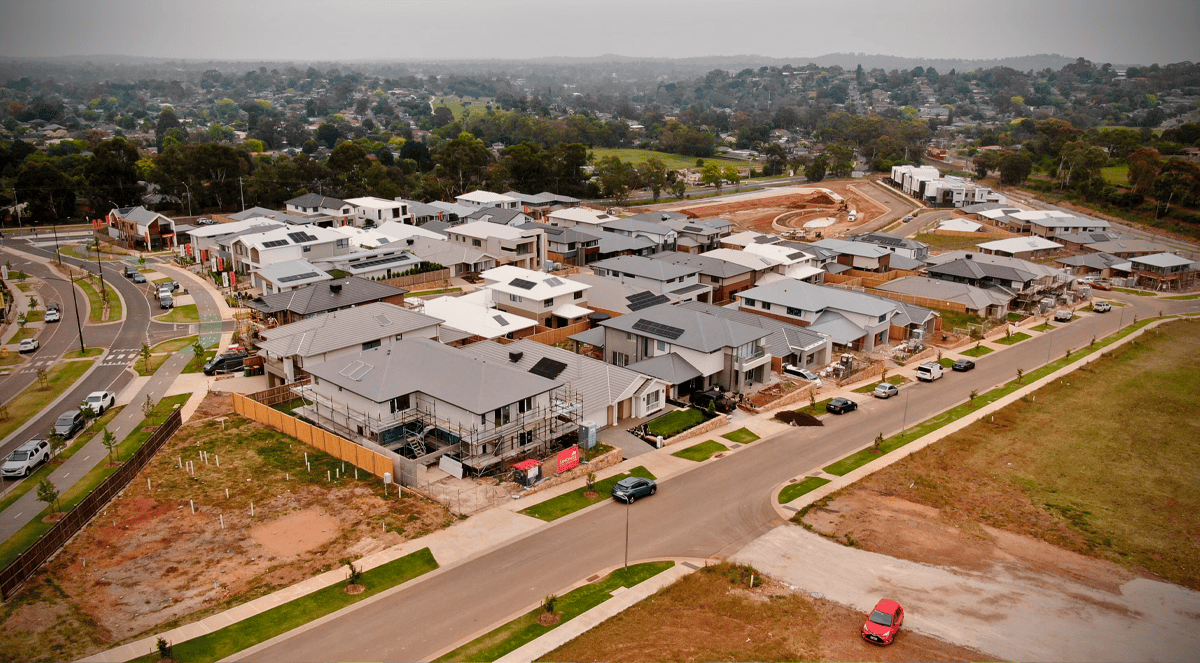
Image from ABC News/Peter Drought
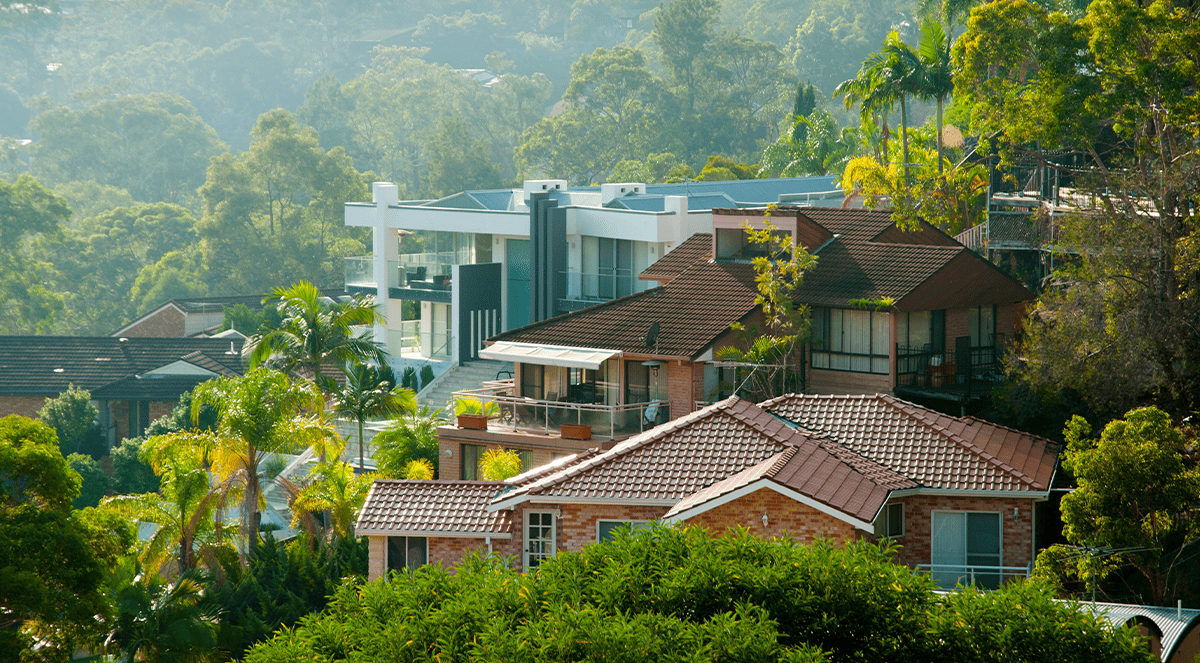
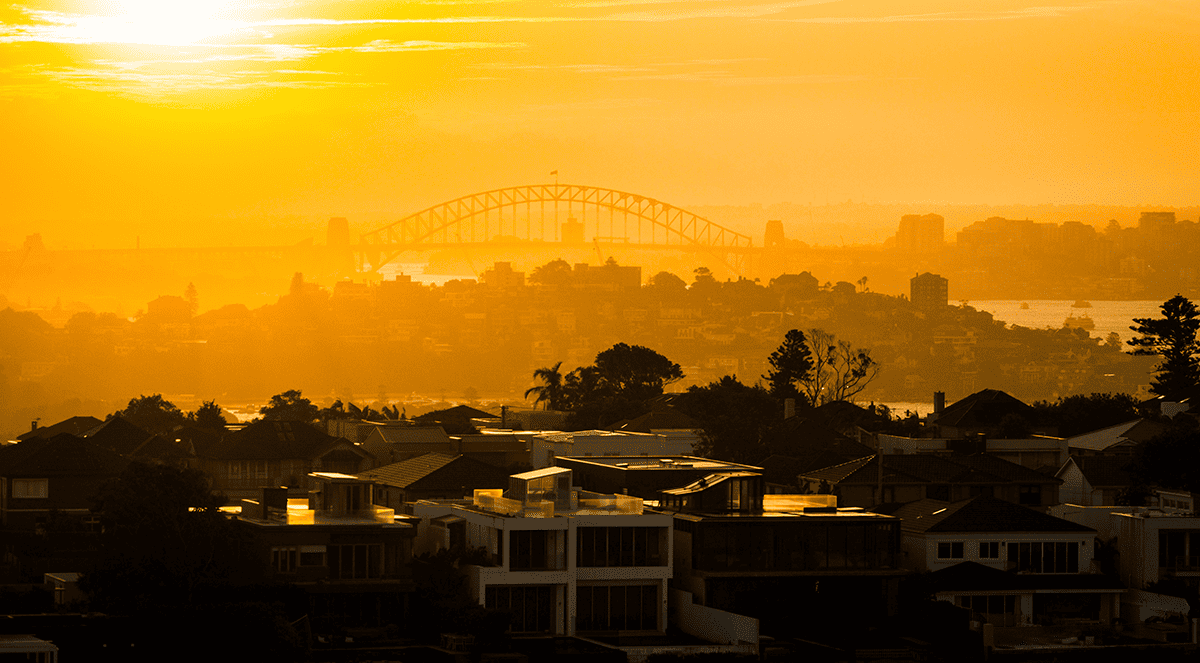
Australia’s home-building pipeline weakened again in October, with new figures showing a sharp fall in approvals across both detached houses and higher-density projects.
The data has prompted warnings from industry groups that the nation’s housing targets are drifting further and further out of reach.
The details
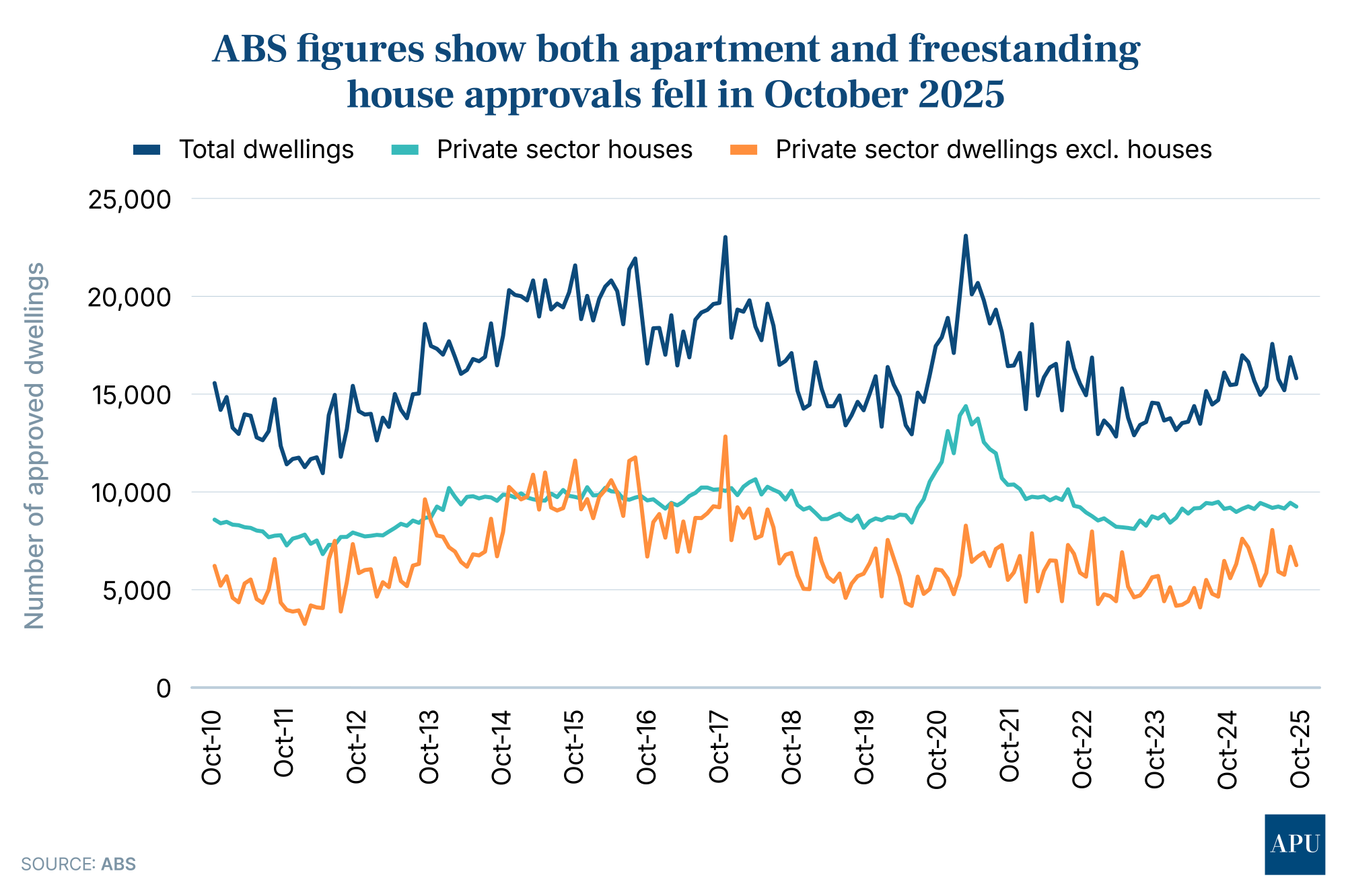
The Australian Bureau of Statistics says there was a 6.4% fall in total dwellings approved in October 2025, dropping to 15,832 in seasonally adjusted terms.
Daniel Rossi, the ABS’s Head of Construction Statistics, says the decline was driven by a steep fall in apartment approvals.
“The October fall in dwellings was driven by a 13.1% drop in approvals for private dwellings excluding houses.
“This result follows a 25.0% rise in this series in September,” he says.
“Private sector houses also fell 2.1%, to 9,251 dwellings, after a 3.2% rise in September.”
Victoria saw the biggest drop in detached house approvals, down 6.6%.
“The exception was Queensland, where private sector house approvals rose 2.7%,” Mr Rossi says.
The ABS says apartment approvals were “13.8% lower than the average of the past twelve months.”
Townhouse approvals were a rare bright spot, rising 16.4% in October.
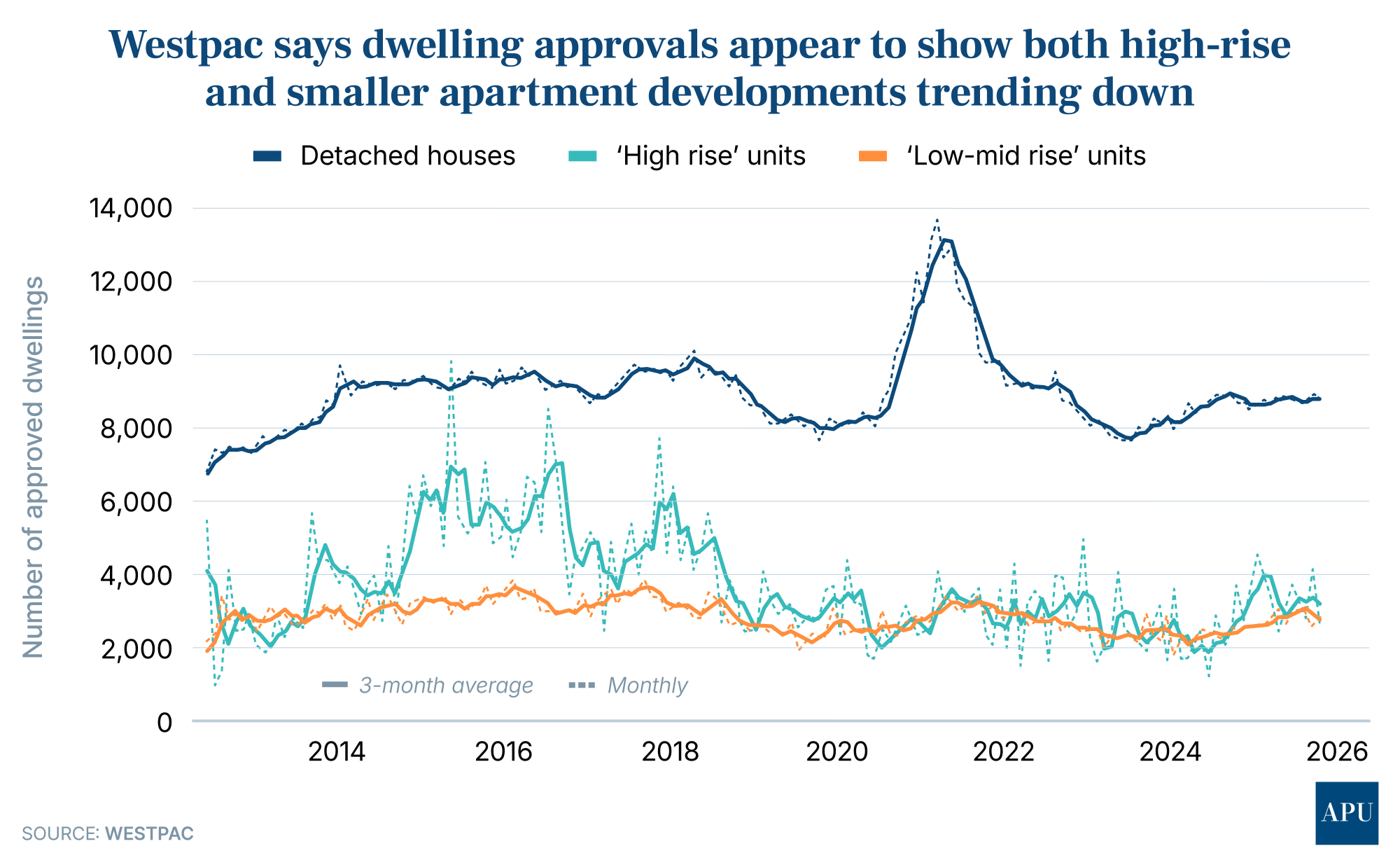
Westpac Economist Neha Sharma says the pull-back in apartment approvals, mainly large high-rise developments, “was expected, reflecting weaker new home sales in October and a sharp rise in unit approvals last month – a segment known for its volatility.”
But she says that “on an annual basis, approvals are now down –1.8%yr, a stark reversal from the 14.9%yr pace recorded last month.”
The Property Council of Australia says the plunge in apartment approvals shows Australia’s planning systems remain a major obstacle to increasing supply.
The Council’s Group Executive for Policy and Advocacy, Matthew Kandelaars, acknowledges apartment approvals are volatile, but says it is “frustrating,” noting Australia has previously achieved significantly higher levels of apartment output.
“We know we can lift our run rate.
“In October 2015, we approved 9,212 apartments — that should be the benchmark we set for ourselves.”
He warns that falling approvals make it harder to meet national housing commitments.
“Without approving large-scale apartment projects in higher numbers, our housing targets just get that much harder to reach.”
Master Builders Australia says the downturn exposes the widening divide between government housing targets and what builders can deliver under current conditions.
Chief Economist Shane Garrett warns that the figures don’t bode well for the Albanese government’s 5-year plan to build 1.2 million well-located homes by mid-2029.
“During the National Housing Accord’s first year, we built 60,000 fewer homes than needed.
“This means that an average of 255,000 new homes per year must be produced over the Accord’s remaining 4 years,” Mr Garret says.
“We remain far from this calibre of housing output: today’s figures show less than 192,000 new homes were approved over the year to October 2025.”
He also highlighted affordability pressures.
“Housing affordability has recently deteriorated to its worst on record.
“Our failure to build enough new homes will exacerbate this situation further.”
The Property Council’s Matthew Kandelaars agrees.
“Addressing the housing crisis means building more homes and the best way to do that is at scale – apartments to purchase or to rent, retirement villages, land lease communities and purpose-built student accommodation.”
However, he says fixing planning regulations so that homes and housing projects are approved more quickly is only part of the solution.
“Soaring costs, labour shortages, low productivity and punitive state taxes mean even getting past the approvals hurdle is sometimes not enough,” he says.
Master Builders says many of its members “are struggling to make the numbers work.”
“Construction costs have jumped more than 40% since 2019, and rising finance and insurance costs are pushing too many projects off the table,” the organisation’s CEO, Denita Wawn, says.
“Without urgent action to ease pressures and restore confidence, more projects will stall before they even start.”












.jpg?width=1920&height=1080&name=WTF%20Is%20Happening%20To%20The%20Housing%20Market!%20$500%20Billion%20Wiped%20Out%20As%20Prices%20Fall%20Faster%20Every%20Month%20Scott%20Kuru%20YPU%20027%20(1).jpg)

%20Scott%20Kuru%20YPU%20025.jpg?width=1920&height=1080&name=This%20Is%20Worse%20Than%20A%20Recession%20RBA%20Admits%20Australias%20Wage%20Collapse%20Cant%20Be%20Stopped%20(Prepare%20Now)%20Scott%20Kuru%20YPU%20025.jpg)




























.jpg?width=1920&height=1080&name=EXPOSED%20How%20The%20Govt%20Let%20These%20Oil%20Giants%20Get%20Away%20With%20Paying%20Zero%20Tax%20For%20Aussie%20Gas%20Scott%20Kuru%20DPU%20256%20(1).jpg)






%20Scott%20Kuru%20DPU%20248.jpg?width=1920&height=1080&name=Major%20Banks%20CAUGHT%20Preparing%20For%20Australia%E2%80%99s%20Biggest%20Housing%20Crash%20(Defaults%20%26%20Bankruptcies%20Coming)%20Scott%20Kuru%20DPU%20248.jpg)
%20Scott%20Kuru%20DPU%20247.jpg?width=1920&height=1080&name=This%20Is%20How%20Australia%20Gets%20Pushed%20Into%20the%20Next%20Big%20Reset%20(Trust%20Collapse%20Has%20Officially%20Begun)%20Scott%20Kuru%20DPU%20247.jpg)







%20Scott%20Kuru%20DPU%20239.jpg?width=1920&height=1080&name=URGENT%20Life%20In%20Australia%20Has%20Become%20Impossible%20For%20Millions%20Of%20Aussies%20(It%E2%80%99s%20About%20To%20Get%20Worse)%20Scott%20Kuru%20DPU%20239.jpg)











%20Scott%20Kuru%20DPU%20227.jpg?width=1920&height=1080&name=URGENT%20ALERT%20Australia%E2%80%99s%20Property%20Market%20Is%20Sliding%20Into%20Something%20Much%20Bigger%20(Prepare%20Now)%20Scott%20Kuru%20DPU%20227.jpg)