









.png?width=292&height=292&name=Copy%20Link%20(1).png)

 SIGN UP FOR FREE NEWSLETTER
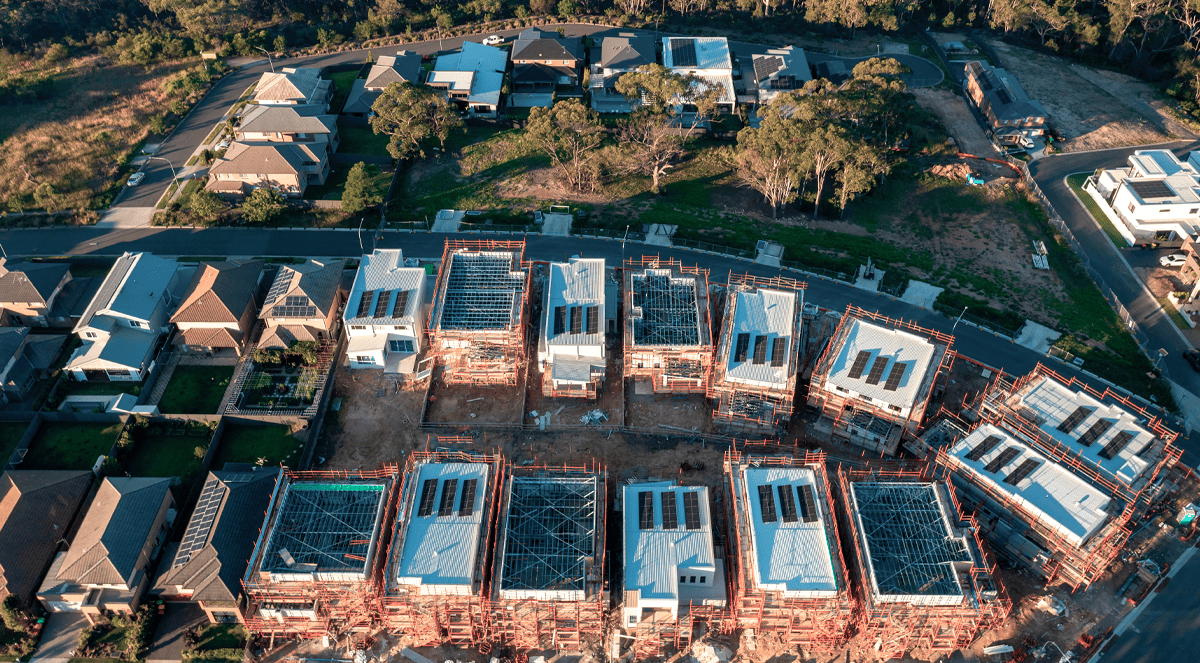
Thousands of planned new homes could be abandoned because of the Federal Government’s ban on residential property borrowing through self-managed super funds, according to a new survey of Australia’s largest home builders.
The Housing Industry Association says 3,613 signed building contracts involving self-managed super fund borrowing have yet to commence construction, but it says builders expect 2,415 of those contracts, almost 67%, to be cancelled once the new restrictions take effect.
The HIA estimates the combined impact of those cancellations and weaker future investor demand could reduce freestanding house commencements by between 3.5% and 5%, while stripping more than $450 million in GST and stamp duty revenue from state and territory governments.
The findings highlight a contradiction in the Albanese Government’s housing policy.
While it has committed to building 1.2 million homes over five years and helping more Australians to become home-owners, the industry says the government’s latest reform may remove capital from projects that were already under contract.
The details

Labor agreed to ban self-managed super funds from borrowing to buy residential property as part of a deal with the Greens.
In return, the minor party will guarantee Senate support for the Albanese Government’s Budget changes to negative gearing and the capital gains tax concession.
Under the new rules, super funds will still be able to invest in housing and property, but SMSFs will no longer be able to borrow against members’ retirement savings to finance residential purchases.
The Greens and Labor argue that leveraged property investments through SMSFs expose retirement savings to unnecessary risks and account for only a small share of housing finance.
Treasurer Jim Chalmers has played down any potential housing impact, arguing that SMSF borrowing represents less than 1% of total residential property lending and less than 0.5% of new borrowing each year.
He’s also stressed that contracts exchanged by August 10 will not be affected.
But HIA Chief Economist Tim Reardon says focusing only on SMSFs’ share of total lending misses their role in funding new construction.
“These are not hypothetical future investments,” Mr Reardon says.
“They are signed contracts to build homes that builders had expected to construct in the next year.”
The HIA survey covered some of Australia’s largest detached home builders, representing more than 40% of national freestanding housing construction.
More than 70% reported investor inquiries had already fallen since the Federal Budget, while almost 90% expected detached housing commencements to decline during 2026 and 2027.
The industry’s argument is that SMSFs do not add to the number of people seeking homes.
Instead, they provide funding for the construction of properties that can then be rented or sold.
“SMSFs do not live in homes.
“They do not create demand for housing.
“They do provide capital that finances the construction of new housing,” Mr Reardon says.
“Restricting one source of investment does not reduce the number of Australians needing somewhere to live.”
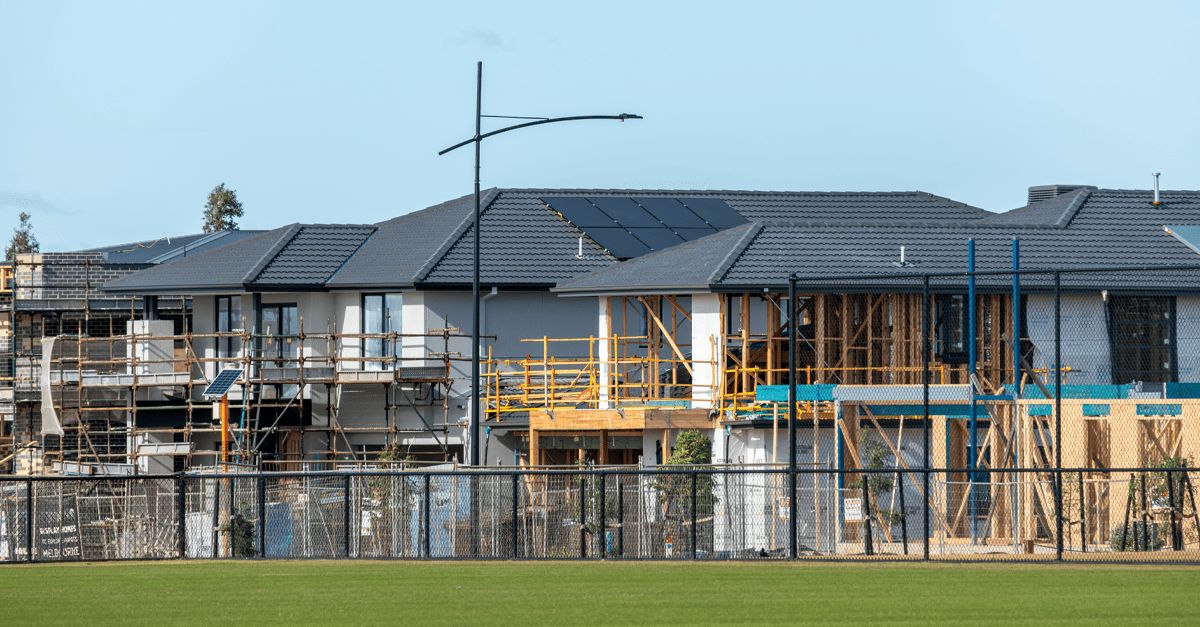
That distinction matters because Australia is already falling well short of the building pace required under the National Housing Accord.
The target requires 1.2 million new homes to be delivered between July 2024 and June 2029, equivalent to 240,000 a year.
But only about 173,000 homes were built over the most recent 12-month period.
The Federal Budget’s wider housing tax package is also expected to reduce construction in one part of the market before attempting to stimulate it elsewhere.
Treasury modelling estimated the negative gearing and capital gains tax reforms would reduce new-home construction by 35,000 dwellings.
The Government argues this will be more than offset by 65,000 additional starts generated by a $2 billion infrastructure fund for states, councils and utilities to deliver roads, sewerage and other services needed for new developments.
But the HIA says the separate effect of the SMSF borrowing ban has not been properly quantified.
Apartments may face a larger impact
The HIA survey’s estimate relates only to freestanding houses.
Mr Reardon warns the overall supply impact could be greater in that sector.
“The survey does not include financing of apartment construction, where investor participation is typically higher and pre-sales are often required before projects can obtain construction finance,” he says.
“The total impact on housing supply may therefore be greater than these estimates suggest.”
That is a significant risk in a market where many apartment projects are already struggling to become financially viable because of high construction costs, expensive finance and weak buyer confidence.
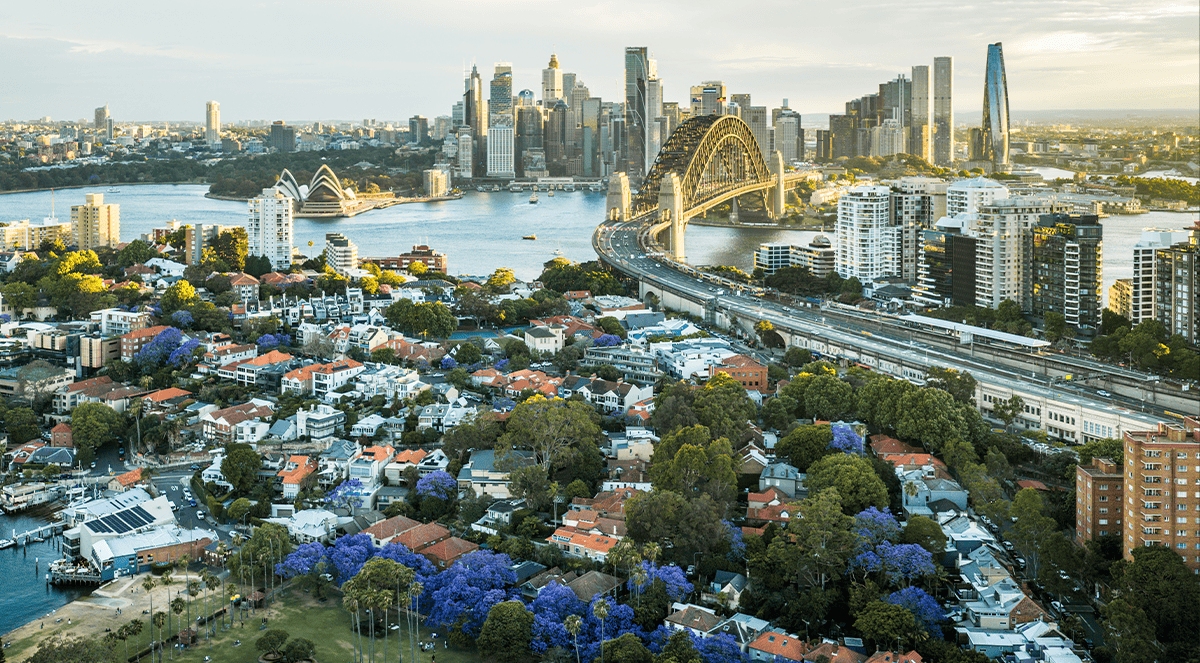
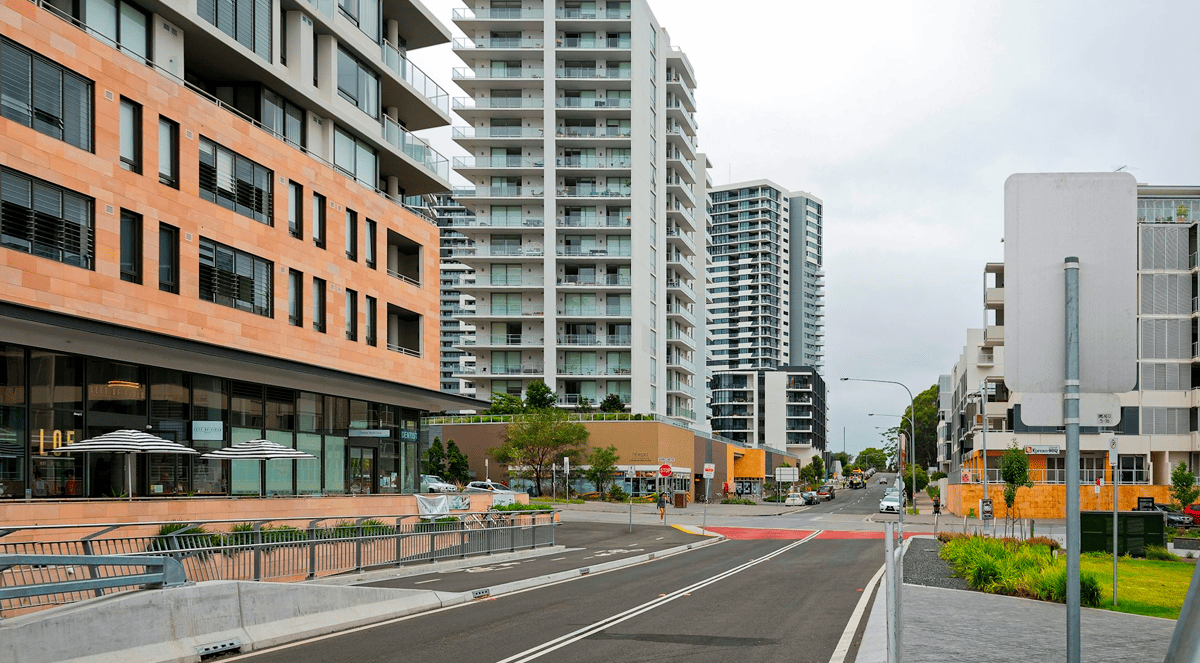

Removing a source of investor funding may not stop demand for housing, but it could make it harder for some projects to secure enough pre-sales to begin.
The result could be fewer homes delivered at the same time governments are attempting to accelerate construction.
Review call
The HIA wants the Treasury to subject the SMSF changes to the same scrutiny applied to the Government’s other property tax reforms.
“Treasury should publish a housing supply impact assessment and cost-benefit analysis consistent with the analysis undertaken for the changes to negative gearing and capital gains tax,” Mr Reardon says.
“That assessment should quantify the expected impacts on detached housing, apartment construction, housing affordability and government revenue.
“The issue extends well beyond superannuation policy.
“This is ultimately about how housing policy is evaluated,” he says.
“If increasing housing supply remains the Government’s objective, then every major housing policy should be assessed against one simple question.
“Will it increase or reduce the future supply of homes?”




.jpg?width=1920&height=1080&name=WTF%20Is%20Happening%20To%20The%20Housing%20Market!%20$500%20Billion%20Wiped%20Out%20As%20Prices%20Fall%20Faster%20Every%20Month%20Scott%20Kuru%20YPU%20027%20(1).jpg)
%20Scott%20Kuru%20YPU%20025.jpg?width=1920&height=1080&name=This%20Is%20Worse%20Than%20A%20Recession%20RBA%20Admits%20Australias%20Wage%20Collapse%20Cant%20Be%20Stopped%20(Prepare%20Now)%20Scott%20Kuru%20YPU%20025.jpg)
























.jpg?width=1920&height=1080&name=EXPOSED%20How%20The%20Govt%20Let%20These%20Oil%20Giants%20Get%20Away%20With%20Paying%20Zero%20Tax%20For%20Aussie%20Gas%20Scott%20Kuru%20DPU%20256%20(1).jpg)







%20Scott%20Kuru%20DPU%20248.jpg?width=1920&height=1080&name=Major%20Banks%20CAUGHT%20Preparing%20For%20Australia%E2%80%99s%20Biggest%20Housing%20Crash%20(Defaults%20%26%20Bankruptcies%20Coming)%20Scott%20Kuru%20DPU%20248.jpg)
%20Scott%20Kuru%20DPU%20247.jpg?width=1920&height=1080&name=This%20Is%20How%20Australia%20Gets%20Pushed%20Into%20the%20Next%20Big%20Reset%20(Trust%20Collapse%20Has%20Officially%20Begun)%20Scott%20Kuru%20DPU%20247.jpg)







%20Scott%20Kuru%20DPU%20239.jpg?width=1920&height=1080&name=URGENT%20Life%20In%20Australia%20Has%20Become%20Impossible%20For%20Millions%20Of%20Aussies%20(It%E2%80%99s%20About%20To%20Get%20Worse)%20Scott%20Kuru%20DPU%20239.jpg)








%20Scott%20Kuru%20DPU%20227.jpg?width=1920&height=1080&name=URGENT%20ALERT%20Australia%E2%80%99s%20Property%20Market%20Is%20Sliding%20Into%20Something%20Much%20Bigger%20(Prepare%20Now)%20Scott%20Kuru%20DPU%20227.jpg)





%20Scott%20Kuru%20DPU%20221.jpg?width=1920&height=1080&name=The%20AI%20Situation%20in%20Australia%20Just%20Hit%20a%20Point%20of%20No%20Return...%20(Major%20Bank%20Proves%20It)%20Scott%20Kuru%20DPU%20221.jpg)